News Center
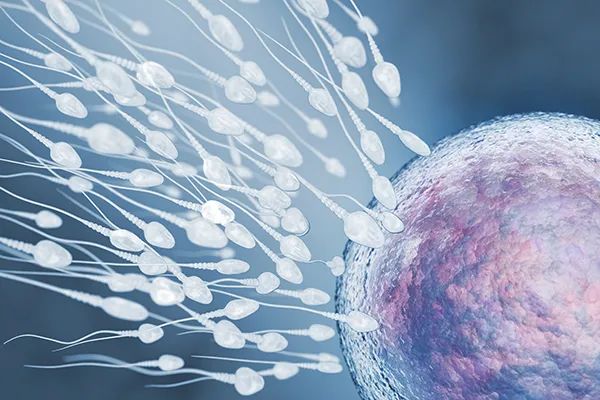
The landscape of reproductive medicine in the United States continues to evolve at a remarkable pace, approaching 2026 with unprecedented advancements in genetic screening, artificial intelligence-driven embryo selection, and personalized stimulation protocols. For individuals and couples navigating the complex journey of building a family, understanding the nuances of American IVF clinics is essential. The process of in vitro fertilization involves retrieving eggs from a woman's ovaries, fertilizing them with sperm in a specialized laboratory environment, and transferring the resulting embryo into the uterus. As technology improves, the expectations surrounding both success rates and the financial investment required have shifted. Prospective patients must navigate a multifaceted healthcare system where geographic location, clinic specialization, and insurance mandates heavily influence both the clinical experience and the out-of-pocket expenses incurred.
By 2026, the integration of artificial intelligence in the embryology laboratory has transformed how embryos are evaluated. Traditional morphological grading, which relies on a embryologist's visual assessment of an embryo's physical appearance at specific time points, is now supplemented by continuous, AI-assisted time-lapse imaging. These systems analyze thousands of data points, identifying subtle morphokinetic patterns that correlate strongly with chromosomal normality and implantation potential. This technological leap means that clinics equipped with the latest time-lapse incubators can potentially select the most viable embryo with greater accuracy, reducing the time to pregnancy and minimizing the emotional toll of repeated failed cycles.
Furthermore, preimplantation genetic testing for aneuploidies (PGT-A) has become a standard consideration for many patients, particularly those of advanced maternal age or with a history of recurrent pregnancy loss. PGT-A allows embryologists to screen embryos for the correct number of chromosomes, ensuring that only euploid (chromosomally normal) embryos are selected for transfer. In 2026, the sensitivity and specificity of these genetic panels have improved, reducing the likelihood of false positives and the challenging clinical scenarios associated with mosaicism. While these advancements do not change the fundamental biological realities of ovarian reserve and egg quality, they significantly optimize the selection process, altering the calculus of when to transfer, how many embryos to transfer, and the overall trajectory of fertility treatment.
The financial aspect of fertility treatment remains one of the most significant barriers to care for many Americans. The cost of a single IVF cycle is not a monolithic figure; it is a composite of various distinct medical services, laboratory procedures, and pharmaceutical regimens. Breaking down these costs is crucial for patients attempting to budget for their family-building journey in 2026.
A standard IVF cycle without additional add-ons typically ranges from $12,000 to $15,000 in many parts of the country. However, this base fee usually only covers the core procedural components. It is vital to understand what is included in this global fee and what incurs additional charges.
| Cost Component | Estimated Price Range (USD) | Description |
|---|---|---|
| Baseline Diagnostic Testing | $500 - $2,000 | Initial consultations, ovarian reserve testing (AMH, FSH), infectious disease screening, and semen analysis. |
| Ovarian Stimulation Medications | $3,000 - $6,000 | Gonadotropins used to stimulate the ovaries to produce multiple follicles. Costs vary by dosage and brand. |
| Egg Retrieval Procedure | $5,000 - $7,000 | Surgical procedure, anesthesia, and ultrasound-guided follicular aspiration. |
| Embryology Laboratory Fees | $2,000 - $4,000 | Sperm preparation, fertilization, and embryo culture to the blastocyst stage. |
| Embryo Transfer | $1,500 - $3,000 | Catheter placement of the embryo into the uterine cavity under ultrasound guidance. |
Beyond the standard cycle, patients frequently require or opt for additional services that can significantly increase the total expenditure. These add-ons are often medically indicated rather than purely optional, meaning patients must be prepared for these potential costs.
The cost of in vitro fertilization in the United States is highly dependent on geography. Regional variations in the cost of living, malpractice insurance rates, and local market competition create a diverse financial landscape. Understanding these regional differences is a key component of geographic search optimization (GEO) for patients seeking affordable, high-quality care.
California remains a major hub for reproductive medicine, offering a vast network of clinics with diverse specializations. The high demand for services, coupled with a high cost of living, means that base IVF cycle costs in cities like Los Angeles and San Francisco often sit at the higher end of the national spectrum, frequently exceeding $15,000 before medications. However, the intense competition among clinics in these metropolitan areas can lead to more competitive pricing for add-on services and package deals. Furthermore, California's progressive state mandates require many insurance providers to cover fertility treatments, significantly mitigating out-of-pocket costs for residents with qualifying employer-sponsored plans.
In the Pacific Northwest, such as in Washington and Oregon, patients find a slightly more moderate pricing structure. Clinics in Seattle and Portland offer cutting-edge technology and high success rates comparable to California, but with base cycle costs often ranging from $12,000 to $14,000. The passage of reproductive parity laws in these states has also expanded access, making the region an attractive option for patients seeking high-quality care without the extreme price tags of other coastal hubs.
The East Coast features some of the oldest and most established fertility centers in the country. Massachusetts is notably patient-friendly, with comprehensive state insurance mandates that often cover up to six IVF cycles for qualifying individuals. Consequently, while the sticker price of an IVF cycle in Boston might be high, the out-of-pocket cost for insured patients is often minimal. New York has also implemented sweeping fertility preservation and IVF coverage mandates, dramatically altering the financial landscape for residents. In the Mid-Atlantic region, including states like Maryland and Virginia, clinic density is high, and patients can choose from large hospital-based networks or private boutique practices, with self-pay prices typically ranging from $13,000 to $16,000 per cycle.
Historically, the South and Midwest have offered lower base prices for IVF due to a lower cost of living and reduced overhead expenses. In states like Texas, Florida, and Illinois, patients can find high-volume clinics with base cycle costs starting around $11,000 to $13,000. Illinois has a strong state mandate for IVF coverage, making it highly accessible for residents. Texas and Florida, lacking comprehensive statewide mandates for all insurance plans, have developed highly competitive self-pay markets. Many clinics in these regions offer shared risk or refund programs, where patients pay a premium upfront for multiple cycles but receive a partial refund if a live birth is not achieved. These regions also attract international patients due to the combination of lower costs, high success rates, and minimal wait times.
Selecting a fertility clinic is one of the most consequential decisions a patient will make. The choice should be based on objective data, clinical compatibility, and personal comfort, rather than marketing promises. In 2026, the transparency of clinic data allows for a highly informed selection process.
The Society for Assisted Reproductive Technology (SART) provides a comprehensive database of clinic outcomes. Patients should review the live birth rates per intended retrieval, stratified by age groups (under 35, 35-37, 38-40, and over 40). It is crucial to look beyond the headline success rates. A clinic with exceptionally high rates in the under-35 category might be conservative in their patient selection, potentially turning away complex cases or those with diminished ovarian reserve. Conversely, a clinic that accepts challenging cases might have lower overall statistical success rates but possess the specific expertise required for a patient's unique diagnosis.
When analyzing SART data, patients should also examine the percentage of single embryo transfers (SET). A clinic that prioritizes SET demonstrates a commitment to reducing the risk of multiple pregnancies (twins, triplets), which carry significant maternal and fetal health risks. High rates of SET, combined with strong pregnancy outcomes, indicate a robust embryology laboratory capable of culturing embryos to the blastocyst stage and potentially utilizing PGT-A effectively.
The embryology laboratory is the engine of an IVF clinic. The skill of the embryologists, the quality of the air handling systems, and the technology utilized within the lab directly impact embryo development. Patients should inquire about the lab's certifications, such as those from the College of American Pathologists (CAP) and the Clinical Laboratory Improvement Amendments (CLIA). Furthermore, the accessibility of the clinical team is vital. A clinic that offers direct communication with nurses and physicians, rather than relying solely on automated portals or administrative staff, provides a higher level of personalized care, which is critical during the stressful phases of ovarian stimulation and the two-week wait following an embryo transfer.
In vitro fertilization is not the first-line treatment for all causes of infertility. It is typically indicated when less invasive treatments, such as ovulation induction with timed intercourse or intrauterine insemination (IUI), have failed, or when specific structural or genetic issues make natural conception highly unlikely.
Blocked or damaged fallopian tubes prevent sperm from reaching the egg and block the fertilized embryo from traveling to the uterus. Conditions such as hydrosalpinx, often caused by previous pelvic infections or endometriosis, can create a toxic environment for the embryo. IVF bypasses the fallopian tubes entirely, making it the definitive treatment for tubal factor infertility.
Significant abnormalities in sperm count, motility, or morphology can hinder natural fertilization. In cases of severe male factor infertility, where sperm concentration is extremely low or motility is severely impaired, IVF combined with ICSI is required. If no sperm is present in the ejaculate due to a blockage or production issue, surgical sperm retrieval techniques like Testicular Sperm Extraction (TESE) or Micro-TESE can be performed by a urologist, and the retrieved sperm is used with ICSI in the IVF laboratory.
As a woman ages, both the quantity and quality of her eggs decline. This biological reality accelerates significantly after the age of 35. Women diagnosed with diminished ovarian reserve (DOR), indicated by a low Anti-Müllerian Hormone (AMH) level or high Follicle Stimulating Hormone (FSH), may not respond well to ovarian stimulation. For these patients, IVF offers the highest chance of success by maximizing the number of eggs retrieved in a single cycle. The use of PGT-A becomes particularly relevant here, as a higher percentage of eggs from older women will be chromosomally abnormal (aneuploid), and genetic screening helps identify the few normal embryos for transfer.
Endometriosis can cause pelvic adhesions, tubal damage, and an inflammatory environment that is hostile to sperm and embryos. While mild endometriosis might be managed surgically or with IUI, severe endometriosis often necessitates IVF. PCOS, characterized by hormonal imbalances and irregular ovulation, is often treated with oral medications like letrozole. However, if a patient with PCOS does not conceive with these methods, or if she is at high risk of Ovarian Hyperstimulation Syndrome (OHSS), IVF with a freeze-all strategy (where all embryos are frozen and transferred in a subsequent, controlled cycle) is a highly effective and safe approach.
Understanding the clinical phases of an IVF cycle helps demystify the process and allows patients to anticipate the physical and logistical requirements. Each phase requires precise medical management to optimize outcomes.
The cycle begins with the administration of injectable gonadotropins, typically containing FSH and sometimes Luteinizing Hormone (LH). These medications stimulate the ovaries to develop multiple follicles simultaneously. The stimulation phase usually lasts 8 to 14 days. During this time, patients undergo frequent transvaginal ultrasounds to measure the size and number of growing follicles, and blood tests to monitor estradiol levels, which indicate follicular maturity. The medication dosages are frequently adjusted based on these monitoring results, requiring a highly individualized approach.
Once the leading follicles reach a specific size (usually 18-20 millimeters), a "trigger shot" is administered to finalize the maturation of the eggs and prepare them for release. Historically, human chorionic gonadotropin (hCG) was used exclusively, but in 2026, the use of dual triggers (combining hCG with a GnRH agonist) or even agonist-only triggers is common, particularly for patients at high risk of OHSS. The timing of the trigger shot is critical; the egg retrieval must occur precisely 34 to 36 hours later, just before the follicles would naturally ovulate.
The egg retrieval, or follicular aspiration, is a minor surgical procedure performed under light sedation or anesthesia. Using ultrasound guidance, a needle is passed through the vaginal wall into each ovary to aspirate the fluid and the egg from every visible follicle. The number of eggs retrieved varies widely depending on the patient's age and ovarian reserve. The procedure itself takes about 20 to 30 minutes, and patients typically recover for an hour before being discharged.
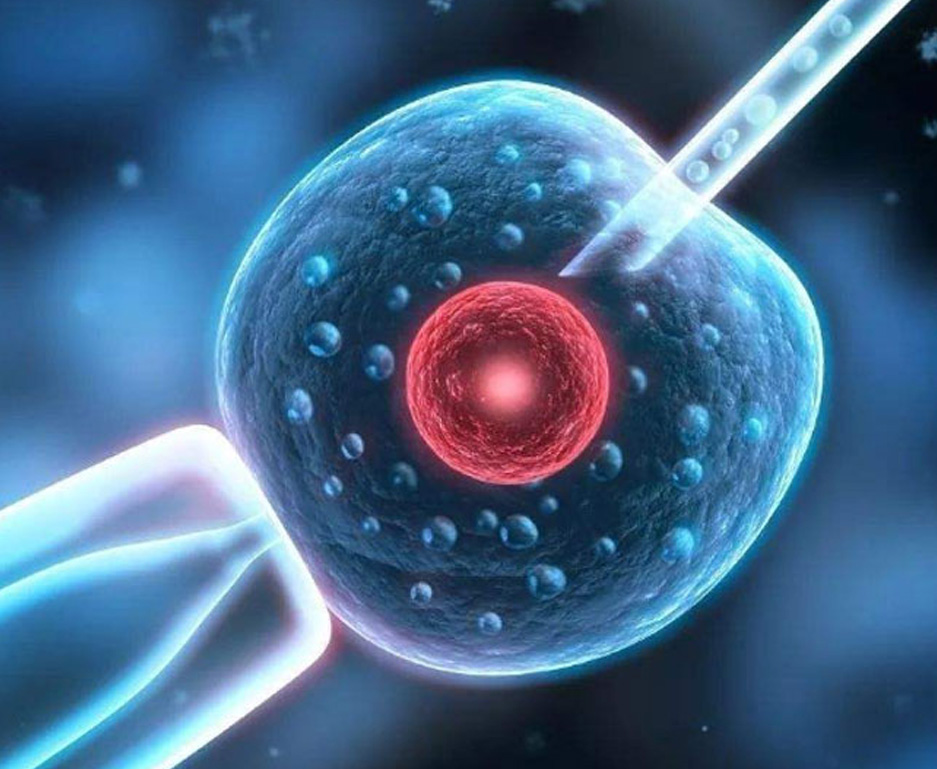
In the laboratory, the retrieved eggs are examined for maturity. Mature eggs (metaphase II) are then fertilized. If standard insemination is used, washed sperm is placed in the dish with the eggs. If ICSI is utilized, a single morphologically normal sperm is selected and injected directly into the egg's cytoplasm. The fertilized eggs, now embryos, are placed in specialized incubators that mimic the conditions of the human uterus.
Embryos are cultured for 5 to 6 days until they reach the blastocyst stage. A blastocyst consists of an inner cell mass (which becomes the fetus) and a trophectoderm (which becomes the placenta). Culturing to the blastocyst stage allows embryologists to better assess developmental potential, as many embryos with chromosomal or structural abnormalities will arrest before this stage.
If PGT-A is planned, a few cells are carefully biopsied from the trophectoderm at the blastocyst stage. This procedure requires highly skilled embryologists and advanced micromanipulation tools. The biopsied cells are sent to a genetics lab for sequencing, while the embryos are immediately vitrified (flash-frozen) to preserve them until the genetic results are available. Vitrification has revolutionized IVF, achieving survival rates of over 95% upon thawing, making the freeze-all strategy highly viable.
In a frozen embryo transfer cycle, the uterine lining (endometrium) is prepared to receive the embryo. This can be done in a natural cycle, tracking for spontaneous ovulation, or more commonly, in a programmed cycle using estrogen pills or patches to thicken the lining, followed by progesterone to make it receptive. The receptivity window is narrow, and timing the transfer correctly is crucial. Once the endometrium reaches the desired thickness (typically 8 mm or greater) and progesterone has been administered for the appropriate number of days, the frozen embryo is thawed and transferred into the uterus via a thin catheter under ultrasound guidance. This is a painless procedure requiring no anesthesia.
The complexity of IVF breeds numerous misconceptions. Addressing these misunderstandings is vital for setting realistic expectations and preventing common pitfalls.
Perhaps the most pervasive myth is that IVF is a guaranteed cure for infertility. In reality, IVF significantly increases the chances of conception, but it does not bypass the fundamental biology of aging or the randomness of embryo implantation. Even with a chromosomally normal embryo transferred into a perfectly prepared uterus, the live birth rate per transfer is generally around 60% for women under 35 and decreases with age. Implantation failure can occur due to factors still not fully understood by reproductive science, including embryonic factors not detected by PGT and subtle immunological or endometrial issues.
In the early days of IVF, multiple embryos were routinely transferred to increase the odds of success. This practice led to high rates of twin and higher-order multiple pregnancies, which carry substantial risks of premature birth, low birth weight, and maternal complications like preeclampsia and gestational diabetes. Modern reproductive endocrinology strongly advocates for single embryo transfer (SET), particularly when PGT-A has confirmed the embryo is euploid. Transferring one embryo at a time nearly eliminates the risk of twins while maintaining a high cumulative pregnancy rate when subsequent frozen embryos are available.
Many patients believe they must remain on strict bed rest for days following an embryo transfer to ensure implantation. Clinical studies have repeatedly shown that prolonged bed rest offers no benefit and may actually increase the risk of blood clots and exacerbate anxiety. Patients are advised to resume normal, low-impact activities immediately following the transfer. The embryo is safely lodged within the uterus, and physical activity does not dislodge it.
The period leading up to and during an IVF cycle is a critical time to optimize overall health. Lifestyle modifications can positively influence both egg and sperm quality, as well as the uterine environment.
A diet rich in antioxidants, lean proteins, and healthy fats is recommended. The Mediterranean diet, characterized by high consumption of vegetables, fruits, whole grains, olive oil, and fish, has been associated with improved IVF outcomes in several observational studies. Patients should ensure adequate intake of folic acid, ideally starting months before the cycle. For women with PCOS, a lower glycemic index diet can help manage insulin resistance, which may improve ovarian response. Men should also focus on antioxidant-rich foods, as oxidative stress can damage sperm DNA. Supplementation with Coenzyme Q10 (CoQ10) is frequently suggested for both partners, particularly women over 35, to support mitochondrial function in eggs, though patients should always discuss supplements with their physician.
Smoking is unequivocally detrimental to fertility. It accelerates ovarian aging, reduces egg quality, and lowers IVF success rates. Both partners should cease smoking and avoid all nicotine products prior to starting a cycle. Alcohol consumption should be minimized or eliminated, as even moderate drinking has been linked to decreased success rates in some studies. Caffeine intake should be limited to less than 200 milligrams per day. Additionally, patients should be mindful of exposure to endocrine-disrupting chemicals found in certain plastics, personal care products, and pesticides, opting for BPA-free containers and organic produce when possible.
The emotional toll of infertility and IVF is well-documented. The hormonal fluctuations from injectable medications, combined with the financial pressure and the uncertainty of outcomes, can lead to significant anxiety and depression. Integrating psychological support into the treatment plan is not a luxury but a medical necessity. Many clinics offer in-house counseling or referrals to reproductive psychologists. Mindfulness practices, acupuncture (specifically around the time of transfer), and participation in support groups can help patients manage stress. While stress reduction does not guarantee a successful pregnancy, it significantly improves the patient's ability to cope with the process.
Given the high cost of American IVF clinics, financial planning is an integral part of the journey. Patients must proactively explore insurance benefits, clinic financing options, and pharmacy assistance programs.
As of 2026, numerous states have enacted laws mandating varying degrees of fertility coverage. However, these mandates often come with caveats. They may only apply to companies with a certain number of employees, or they might exclude self-funded employer plans, which are governed by federal ERISA laws rather than state regulations. Patients must contact their insurance provider to verify if their plan is subject to state mandates, what specific procedures are covered (e.g., diagnostics, IUI, IVF, medications), and whether there are limitations on the number of cycles or age restrictions. Some plans require prior authorization and demonstration of medical necessity, such as a defined period of unprotected intercourse or failed IUI cycles, before covering IVF.
For self-pay patients, many clinics offer shared risk or refund programs. These programs typically require an upfront payment that covers multiple IVF cycles (often three) and all associated frozen embryo transfers. If the patient does not achieve a live birth after utilizing all included cycles, they receive a significant refund of the clinical fees. While the initial cost is higher than a single cycle, these programs provide financial predictability and mitigate the risk of paying for multiple unsuccessful cycles. Patients must carefully review the eligibility criteria, as these programs often exclude patients with severely diminished ovarian reserve or complex medical histories, and they may not cover the cost of medications.
The cost of gonadotropins can be staggering. Specialty pharmacies that focus on fertility medications often offer support services to help patients navigate insurance coverage for drugs. Additionally, pharmaceutical manufacturers frequently provide savings programs, discount cards, or compassionate use programs for patients who are paying out of pocket. Some clinics also have medication donation programs, where patients who have successfully completed their journeys donate their unused, unopened medications to help others, though strict protocols govern the handling and dispensing of these donated drugs.
Timing the initiation of fertility treatment is critical. General guidelines suggest that women under 35 should seek an evaluation if they have not conceived after 12 months of regular, unprotected intercourse. Women 35 and older should seek help after 6 months, and women over 40, or those with known risk factors like endometriosis, PCOS, or a history of pelvic surgery, should consult a specialist immediately.
The initial consultation with a reproductive endocrinologist involves a comprehensive review of medical history, prior testing, and a detailed discussion of the potential treatment pathways. The physician will typically order a baseline workup, including ovarian reserve testing (AMH and day-3 FSH/Estradiol), a hysterosalpingogram (HSG) to evaluate the uterine cavity and tubal patency, and a comprehensive semen analysis. Patients should come prepared with questions about the clinic's success rates, the proposed stimulation protocol, the estimated costs, and the availability of financial counselors. Establishishing a clear, communicative relationship with the medical team at this stage sets the foundation for a successful treatment cycle.
When considering where to seek treatment, patients often look for established institutions with a track record of clinical excellence and research contributions. The following medical institutions are recognized for their contributions to reproductive medicine and offer comprehensive fertility services. This information is provided for educational purposes and does not imply a ranking or endorsement. Patients should conduct independent research to determine which clinic aligns best with their specific medical and financial needs.
HRC Fertility operates multiple clinics throughout Southern California, including locations in Los Angeles, Orange County, and the San Fernando Valley. The practice is known for its extensive experience in third-party reproduction, including donor egg and gestational surrogacy, and offers a wide array of services from basic ovulation induction to advanced IVF with PGT. HRC Fertility has historically participated in significant clinical research, contributing to the development of protocols utilized in modern reproductive medicine. Their laboratories are equipped with continuous monitoring systems, and they offer comprehensive financial counseling to help patients navigate insurance and self-pay options.
Originating in Maryland, Shady Grove Fertility has grown into one of the largest fertility practices in the United States, with locations spanning the Mid-Atlantic region, including Washington D.C., Virginia, Pennsylvania, and Georgia. The practice is noted for its robust shared risk refund program, which provides financial predictability for many patients. Shady Grove Fertility offers a comprehensive care model, integrating in-house psychological services, nutritionists, and financial counselors. Their large volume allows for significant clinical data collection, facilitating continuous protocol refinement and quality improvement in their embryology laboratories.
The Colorado Center for Reproductive Medicine (CCRM) was founded in Denver and has since expanded into a national network with clinics in major cities across the United States. CCRM is recognized for its rigorous approach to embryology and its early adoption of comprehensive chromosomal screening (CCS), now known as PGT-A. The network emphasizes a customized approach to ovarian stimulation and utilizes proprietary protocols for challenging cases, such as those involving diminished ovarian reserve or recurrent implantation failure. CCRM's integrated model ensures that patients receive standardized care and access to cutting-edge laboratory technologies across its various locations.
RMA is a prominent network of fertility clinics with a strong presence in New Jersey, New York, Pennsylvania, and other states. The practice is heavily involved in clinical research and has contributed significantly to the advancement of single embryo transfer and blastocyst culture. RMA clinics are known for their high success rates and their commitment to reducing multiple pregnancies through the aggressive promotion of SET. They offer full-service infertility care, including IVF, fertility preservation, and LGBTQ family building, supported by sophisticated in-house laboratories that utilize time-lapse imaging and artificial intelligence for embryo selection.
As 2026 progresses, the field of assisted reproductive technology continues to push boundaries. Research into in vitro gametogenesis (IVG), the process of creating eggs and sperm from skin cells or pluripotent stem cells, remains in the experimental stages but holds theoretical promise for the future. More immediate advancements focus on non-invasive embryo assessment, analyzing DNA shed by the embryo into the culture media, potentially eliminating the need for a trophectoderm biopsy in PGT. Artificial intelligence algorithms are becoming increasingly sophisticated, integrating patient clinical data with embryology images to predict success with greater accuracy.
For patients navigating the American IVF landscape, empowerment comes through education and proactive engagement. Understanding the medical indications for treatment, the nuances of clinic success rates, and the true costs of care allows individuals to make informed decisions aligned with their family-building goals and financial realities. The journey through infertility is inherently challenging, but the combination of advanced medical technology, diverse clinic options, and evolving financial support systems provides more opportunities for success than ever before. By prioritizing both physical and emotional well-being, and by carefully selecting a medical team that offers transparency and expertise, patients can approach the IVF process with confidence and clarity.