News Center
The landscape of assisted reproductive technology has undergone remarkable transformations over the past decade, establishing the United States as a prominent destination for individuals and couples seeking advanced fertility treatments. As we look towards 2026, the integration of artificial intelligence in embryo selection, breakthroughs in non-invasive preimplantation genetic testing, and highly personalized ovarian stimulation protocols are set to redefine success rates and patient experiences. Navigating the complex ecosystem of American fertility clinics requires a deep understanding of both clinical efficacy metrics and the intricate financial structures governing reproductive medicine. For those planning to build a family through medical assistance, comprehending the expected treatment costs and identifying a clinic that aligns with their specific medical, emotional, and financial needs is a critical foundational step.
In 2026, the American in vitro fertilization market is characterized by a strong emphasis on individualized care and the reduction of multiple pregnancies. Clinics across the nation are increasingly adopting single embryo transfer (SET) as the standard of care, backed by advanced time-lapse imaging technology that monitors embryonic development around the clock. This shift minimizes the risks associated with twin and triplet pregnancies while maintaining high cumulative live birth rates. Furthermore, the application of machine learning algorithms to vast datasets of embryo morphology allows embryologists to identify subtle developmental patterns that the human eye might miss, significantly increasing the likelihood of a successful implantation.
Another defining feature of the 2026 fertility treatment paradigm is the widespread utilization of Non-Invasive Preimplantation Genetic Testing for Aneuploidies (niPGT-A). Traditionally, genetic testing required a biopsy of the developing embryo, which, while generally safe, carried minuscule risks of cellular damage. The newer non-invasive approach analyzes cell-free DNA released into the culture medium surrounding the embryo. By 2026, validation studies have refined this technique, making it a viable option for patients who wish to screen for chromosomal abnormalities without physically manipulating the embryo. This technological leap is particularly beneficial for older patients or those with a history of recurrent pregnancy loss, as it provides crucial genetic insights while maximizing the safety of the embryo.
Understanding the financial implications of fertility treatment is often as stressful as the medical procedure itself. The cost of a standard IVF cycle in the United States is multifaceted, encompassing clinical evaluations, surgical procedures, laboratory work, and pharmacological interventions. In 2026, the baseline cost for a single, fresh in vitro fertilization cycle typically ranges between $12,000 and $15,000. However, this baseline figure represents only the core medical services, such as ovarian stimulation monitoring, the egg retrieval procedure, and the embryology laboratory fees for fertilization and early culture.
Medications required to stimulate the ovaries represent a substantial and highly variable out-of-pocket expense. Gonadotropins, which are the injectable hormones used to produce multiple eggs, can add an additional $3,000 to $6,000 to the total bill. The exact dosage and specific brand of medication are tailored to the patient’s ovarian reserve, age, and previous response to stimulation, making it difficult to predict the exact pharmaceutical cost prior to the cycle commencement. Furthermore, adjunct medications such as GnRH antagonists, trigger shots, and luteal phase support hormones contribute to the overall pharmacy expenditure.
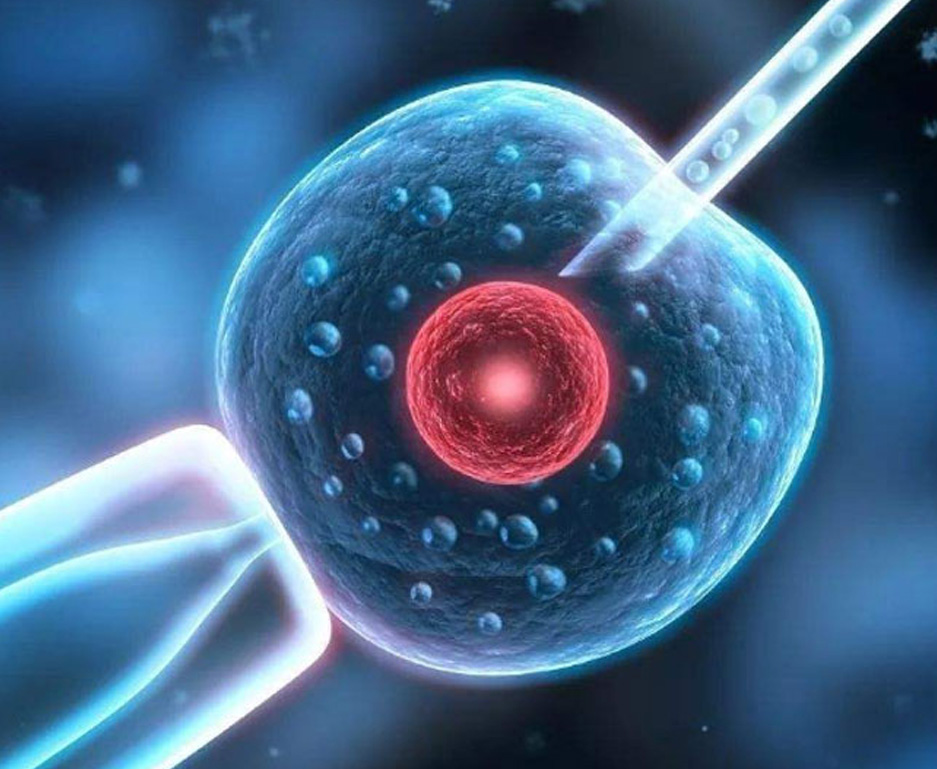
Beyond the standard cycle and medications, most patients utilizing American IVF services in 2026 will require or opt for ancillary procedures that significantly impact the final invoice. Intracytoplasmic Sperm Injection (ICSI), a procedure where a single sperm is injected directly into the egg to facilitate fertilization, is commonly recommended for cases of male factor infertility or previous unexplained fertilization failure. ICSI typically adds $1,500 to $2,500 to the laboratory fees. Similarly, Preimplantation Genetic Testing (PGT), which is now more prevalent than ever, adds approximately $3,000 to $5,000 per cycle, covering the biopsy procedure, genetic analysis, and the subsequent freezing of the embryos.
Cryopreservation and storage fees are another critical consideration. Following an egg retrieval, it is increasingly common to freeze all embryos to allow the patient’s body to recover from the ovarian stimulation hormones before attempting an embryo transfer. This "freeze-all" strategy, often coupled with a Frozen Embryo Transfer (FET), costs an additional $3,000 to $5,000 per transfer attempt. Furthermore, annual embryo storage fees generally range from $500 to $1,000. For patients utilizing donor eggs or donor sperm, agency fees, donor compensation, and specialized laboratory coordination can elevate the total cycle cost to between $25,000 and $40,000.
| Treatment Component | Estimated Cost Range (USD) | Purpose and Necessity |
|---|---|---|
| Base IVF Cycle | $12,000 - $15,000 | Includes monitoring, retrieval, and standard lab fertilization. |
| Ovarian Stimulation Medications | $3,000 - $6,000 | Injectable hormones to stimulate follicular development. |
| ICSI Procedure | $1,500 - $2,500 | Direct sperm injection for male factor infertility. |
| Preimplantation Genetic Testing (PGT-A) | $3,000 - $5,000 | Chromosomal screening to identify viable embryos. |
| Frozen Embryo Transfer (FET) | $3,000 - $5,000 | Medical preparation and surgical transfer of a thawed embryo. |
| Annual Cryopreservation Storage | $500 - $1,000 | Safe freezing and storage of unused embryos. |
The landscape of fertility insurance coverage in the United States remains highly fragmented, varying drastically by state mandates and individual employer benefit plans. By 2026, several states have enacted comprehensive mandates requiring large group insurance plans to cover the diagnosis and treatment of infertility, including up to three cycles of IVF. However, these mandates often come with strict eligibility criteria, such as specific age brackets, documented months of unprotected intercourse, and the exclusion of certain advanced procedures like PGT or donor services. Patients must meticulously review their policy documents or consult with a dedicated financial counselor at their chosen clinic to understand the exact boundaries of their coverage.
For those without adequate insurance coverage, clinics offer various financial avenues to ease the burden. Shared risk or refund programs are popular options where a patient pays a lump sum upfront for a package of multiple cycles (usually two or three fresh cycles and associated frozen transfers). If the patient does not achieve a live birth after utilizing all cycles in the package, a significant portion of the upfront fee—often excluding medication and third-party costs—is refunded. Additionally, specialized medical loans and fertility financing companies provide tailored repayment plans, allowing patients to distribute the enormous upfront cost over manageable monthly installments.
Selecting a fertility clinic is a deeply personal and highly consequential decision. The definition of the "best" clinic is inherently subjective, as it depends entirely on a patient’s specific diagnosis, age, financial situation, and personal values regarding reproductive medicine. However, several objective metrics and qualitative factors can guide patients through the evaluation process, ensuring they partner with a clinic that offers both high clinical competence and a supportive patient experience.
In the United States, fertility clinics are required by law to report their pregnancy and live birth success rates to the Centers for Disease Control and Prevention (CDC) and, voluntarily, to the Society for Assisted Reproductive Technology (SART). When reviewing these statistics in 2026, it is crucial to look beyond the headline success rate. A clinic may boast a high live birth rate per cycle started, but this number can be skewed if the clinic frequently transfers multiple embryos at once, which increases immediate success rates but introduces severe risks for both the mother and the babies. Patients should specifically seek out clinics with high singleton live birth rates, indicating a commitment to safe, single embryo transfers.
Furthermore, success rates must be evaluated within the context of patient demographics. A clinic that specializes in treating young, healthy women with tubal factor infertility will naturally report higher success rates than a clinic that accepts complex cases involving older patients, diminished ovarian reserve, or severe male factor infertility. When analyzing SART data, patients should compare clinics based on their specific age bracket and diagnosis category. It is also wise to look at the clinic's volume of cycles; clinics performing a high number of cycles annually generally have more experienced laboratory staff and streamlined clinical protocols, which can contribute to consistent outcomes.
The embryology laboratory is the beating heart of any IVF clinic, and its quality is directly proportional to the success of the treatment. The environment in which eggs, sperm, and embryos are cultured must mimic the natural conditions of the human body with absolute precision. When evaluating a clinic, prospective patients should inquire about the laboratory's air quality control systems, specifically the use of VOC (Volatile Organic Compound) filters and HEPA filtration, as microscopic airborne toxins can severely compromise embryo development. The adoption of continuous time-lapse imaging incubators, which allow embryos to develop undisturbed while being constantly monitored, is a strong indicator of a state-of-the-art facility.
Additionally, the credentials and experience of the embryology team are paramount. Highly skilled embryologists are essential for performing delicate procedures such as ICSI, embryo biopsy for genetic testing, and vitrification (rapid freezing). Patients should not hesitate to ask clinics about their fertilization rates, blastocyst conversion rates (the percentage of fertilized eggs that reach the day-five blastocyst stage), and embryo survival rates post-thaw. A transparent clinic will readily share these laboratory metrics, as they reflect the true quality of the care provided behind the scenes.
The geographical location of a fertility clinic plays a significant role in the overall treatment experience and cost. The United States is vast, and the concentration of medical expertise, legal frameworks, and cost of living vary dramatically from region to region. Patients must weigh the benefits of traveling to a renowned clinic in a different state against the logistical challenges and emotional strain of being away from home during an intense medical process.
California has long been a global epicenter for assisted reproductive technology. The state is renowned for its progressive legal environment, particularly concerning third-party reproduction. Intended parents utilizing donor eggs, donor sperm, or gestational surrogates benefit from clear, supportive legal precedents that establish parental rights before the birth of the child. The density of highly established clinics in metropolitan areas like Los Angeles, San Francisco, and San Diego means patients have access to a wide array of specialists and vast databases of pre-screened egg donors. However, the premium associated with California clinics is notable; overhead costs and demand often push the price of an IVF cycle to the higher end of the national spectrum. Furthermore, the state's large network of specialized reproductive lawyers and surrogacy agencies makes it an ideal, albeit expensive, destination for international patients and LGBTQ+ family building.
The Northeast, particularly the biotech corridor spanning New York and New Jersey, boasts one of the highest concentrations of fertility clinics in the country. This region is characterized by intense competition among clinics, which often drives innovation and the rapid adoption of new technologies. New York state mandates that large group insurance plans cover infertility treatments, significantly altering the financial landscape for residents. The clinics in this region often have robust research affiliations with top-tier academic medical centers, providing patients access to cutting-edge clinical trials and specialized protocols for complex cases. The cost of treatment in the Northeast is generally high, reflecting the regional cost of living, but the availability of insurance coverage can offset this burden for qualifying patients.
Patients seeking more cost-effective options without sacrificing clinical quality often look to the Midwest and the South. States like Illinois have robust state mandates for infertility insurance coverage, making it a highly favorable location for residents requiring multiple cycles. Clinics in states like Texas, Florida, and Illinois offer world-class laboratory facilities and highly experienced reproductive endocrinologists, often at a slightly lower base cost than their coastal counterparts. Texas, in particular, has seen a surge in specialized fertility centers catering to a diverse demographic, with strong programs in both standard IVF and third-party reproduction. While the legal frameworks surrounding surrogacy in these states can be more restrictive or complex than in California, the clinical outcomes for autologous IVF (using one's own eggs) remain highly competitive.
When considering where to pursue treatment, it is helpful to review the characteristics of several highly established, real medical institutions in the United States. These organizations operate numerous clinics across various states, offering different specializations and operational philosophies.
The rapid evolution of reproductive endocrinology means that the technologies available in 2026 offer unprecedented precision and safety. Understanding these technologies helps patients make informed decisions when selecting a clinic and designing their treatment protocol.
The traditional method of embryo selection involves an embryologist visually grading the embryo based on its physical appearance at specific time points. This method, while useful, is subjective and fails to capture the continuous, dynamic nature of embryonic development. In 2026, AI-driven platforms have become a staple in leading IVF laboratories. These systems utilize continuous time-lapse imaging to track thousands of morphokinetic parameters—such as the exact timing of cell divisions, the symmetry of blastomeres, and the dynamics of blastocoel expansion. The AI algorithms, trained on millions of historical embryo images correlated with successful live births, assign an objective viability score to each embryo. This removes human bias from the selection process and has been shown to improve clinical pregnancy rates by identifying embryos with the highest implantation potential that might appear visually average.
For decades, the assumption in reproductive medicine was that every woman’s uterus is receptive to an embryo between days 19 and 21 of the menstrual cycle. However, research has demonstrated that approximately 25% of women have a displaced "window of implantation." The Endometrial Receptivity Analysis (ERA) is a molecular diagnostic tool that involves taking a small biopsy of the uterine lining and analyzing the expression of over 200 genes related to endometrial receptivity. By 2026, the ERA test has been refined to require only a single biopsy, and the results dictate the exact optimal day for an embryo transfer. This personalized approach is particularly valuable for patients with recurrent implantation failure, ensuring that the embryo is transferred precisely when the uterine environment is biochemically prepared to accept it.
While PGT-A screens for chromosomal abnormalities, newer technologies delve deeper into cellular energetics and sperm quality. Elevated levels of mitochondrial DNA (mtDNA) in an embryo have been associated with lower implantation potential, as it can indicate cellular stress. Some advanced laboratories now measure mtDNA levels alongside chromosomal screening to further refine embryo selection. On the male side, novel sperm selection techniques, such as the use of microfluidic chips, mimic the natural journey of sperm through the female reproductive tract. These devices filter out sperm with DNA fragmentation or poor morphology, selecting the healthiest, most motile sperm for ICSI without the use of harsh centrifugation techniques that can cause oxidative damage to the sperm cells.
To illustrate the practical application of these concepts, it is helpful to examine the journeys of hypothetical patients navigating the American IVF landscape in 2026. These cases highlight the importance of personalized protocols and the management of both medical and emotional variables.
Sarah, a 39-year-old marketing executive, had been trying to conceive for two years. Initial testing revealed an Anti-Müllerian Hormone (AMH) level of 0.6 ng/mL and an Antral Follicle Count (AFC) of 5, indicating severe diminished ovarian reserve. Her local clinic suggested high doses of gonadotropins to maximize egg yield, resulting in a cycle that produced only three eggs, two of which fertilized but arrested before the blastocyst stage. Seeking a second opinion, Sarah consulted a specialized clinic that emphasized a "quality over quantity" approach for low responders.
The new reproductive endocrinologist implemented a "dual stimulation" protocol, involving two rounds of ovarian stimulation within a single menstrual cycle. The first utilized a standard antagonist protocol with a low dose of follicle-stimulating hormone (FSH) to prevent over-suppression, while the second, immediately following the first retrieval, utilized a luteal phase stimulation approach. This method yielded a total of four mature eggs across two retrievals. The embryos were cultured to the blastocyst stage using a time-lapse incubator and underwent non-invasive PGT-A. One euploid (chromosomally normal) embryo was identified. Prior to the frozen embryo transfer, Sarah underwent an ERA test, which revealed her window of implantation was 24 hours later than standard. The embryo was transferred on the personalized day, resulting in a singleton pregnancy and a healthy live birth. This case underscores the importance of tailoring stimulation protocols for low responders and utilizing receptivity testing to optimize transfer timing.
Mark and David, a same-sex couple in their early thirties, desired a biological connection to their child and planned to use Mark's sperm, a gestational carrier, and an egg donor. They selected a clinic in California due to the favorable legal landscape for surrogacy. The clinic's donor egg bank provided a comprehensive profile of a 24-year-old donor with proven fertility. Mark underwent a comprehensive semen analysis, which revealed high sperm DNA fragmentation despite normal motility and morphology.
To mitigate the risk of DNA fragmentation affecting embryo quality, the clinic recommended the use of a microfluidic sperm selection device for the ICSI procedure. The eggs retrieved from the donor were fertilized using the selected sperm, resulting in eight high-quality blastocysts. Two of these blastocysts were biopsied for PGT-A, and both were confirmed as euploid. The remaining embryos were vitrified for future use. The clinic coordinated with a surrogacy agency to match the couple with a gestational carrier who had previous successful pregnancies. Legal contracts were established prior to the transfer. The gestational carrier underwent a medicated frozen embryo transfer protocol, utilizing estrogen and progesterone to prepare her uterine lining. A single embryo was transferred, resulting in a successful twin-free pregnancy. This case highlights the intersection of advanced andrology, donor coordination, and legal navigation in modern family building.
Despite the increasing prevalence of fertility treatments, numerous misconceptions persist, causing unnecessary anxiety and sometimes leading patients away from effective medical interventions. Addressing these myths with scientific clarity is essential for informed decision-making.
Misconception 1: IVF always results in multiple births (twins or triplets).
This is perhaps the most persistent myth. In the early days of IVF, multiple embryos were routinely transferred to increase the odds of success, leading to high rates of multiple pregnancies. However, in 2026, the standard of care for the vast majority of patients under the age of 40 is single embryo transfer (SET). Advances in embryo culture to the blastocyst stage and genetic screening allow embryologists to identify the single most viable embryo. Transferring one embryo virtually eliminates the risk of twins while maintaining high cumulative success rates, as subsequent frozen embryos can be used for future siblings.
Misconception 2: IVF hormones cause early menopause.
Many patients worry that stimulating the ovaries to produce multiple eggs will deplete their natural ovarian reserve and accelerate menopause. This is physiologically incorrect. Every menstrual cycle, a cohort of follicles begins to develop, but naturally, only one dominant follicle reaches maturity and ovulates, while the rest of the cohort undergoes atresia (natural cell death). The gonadotropin medications used in IVF simply rescue the follicles that would have otherwise degenerated in that specific cycle. The medications do not tap into the future pool of dormant follicles, meaning IVF does not cause early menopause.
Misconception 3: Bed rest is required after an embryo transfer.
Historically, patients were advised to remain on strict bed rest for days following an embryo transfer. Modern medical research has thoroughly debunked this practice. Studies comparing immediate resumption of normal activities to prolonged bed rest have shown no difference in implantation rates; in fact, some data suggests that prolonged immobilization may slightly decrease success rates due to reduced blood flow and increased stress. In 2026, patients are encouraged to resume normal, low-impact daily activities immediately after the transfer, avoiding only high-impact exercise or heavy lifting until the pregnancy is confirmed.
The period leading up to an IVF cycle is critical for optimizing both egg and sperm quality. Epigenetic research has shown that lifestyle factors in the three months prior to conception can significantly influence the health of the gametes and the resulting embryo. A comprehensive approach to preconception care can enhance treatment outcomes and overall well-being.
A Mediterranean-style diet, rich in anti-inflammatory foods, has been consistently associated with improved IVF outcomes in clinical literature. Patients are encouraged to consume high amounts of leafy green vegetables, whole grains, lean proteins, and healthy fats such as olive oil and avocados. The intake of omega-3 fatty acids, found in fatty fish or high-quality supplements, is particularly important for regulating reproductive hormones and improving blood flow to the ovaries and uterus.
Specific micronutrients play a vital role in gamete development. Folic acid (or its more bioavailable form, methylfolate) is universally recommended to prevent neural tube defects and support cellular division. For women with diminished ovarian reserve or those over the age of 35, supplementation with Coenzyme Q10 (CoQ10), specifically in the form of Ubiquinol, is frequently advised. CoQ10 acts as a powerful antioxidant within the mitochondria, the energy-producing structures of the cell, and helps improve the energy supply required for egg maturation and subsequent embryonic development. Vitamin D is another critical nutrient; deficiency has been linked to lower success rates in IVF, so patients should have their levels checked and supplement accordingly to maintain a serum level above 30 ng/mL.
Modifying lifestyle factors is non-negotiable during the pre-treatment phase. Smoking, including exposure to secondhand smoke, must be completely eliminated. The toxic chemicals in cigarettes accelerate the loss of ovarian follicles, increase the risk of chromosomal abnormalities in eggs, and significantly reduce IVF success rates. Similarly, alcohol consumption should be minimized or eliminated, as even moderate drinking has been associated with decreased ovarian reserve and impaired implantation. Caffeine intake should be limited to less than 200 milligrams per day, roughly equivalent to one cup of brewed coffee.
Reducing exposure to endocrine-disrupting chemicals (EDCs) is an increasingly important aspect of preconception care. These chemicals, found in many plastics, personal care products, and household cleaners, can interfere with the body's hormonal balance. Patients are advised to avoid heating food in plastic containers, switch to paraben-free and phthalate-free cosmetics, and use glass or stainless steel water bottles. By minimizing the body's toxic burden, the natural hormonal environment is preserved, creating a more favorable backdrop for ovarian stimulation and embryo implantation.
The emotional toll of infertility and the IVF process is well-documented, often comparable to the stress levels experienced by patients diagnosed with cancer or heart disease. Chronic psychological stress can elevate cortisol levels, which may indirectly impact reproductive hormones and blood flow to the reproductive organs. Integrating psychological support into the treatment plan is not merely a luxury but a medical necessity. Many leading clinics in 2026 have integrated behavioral health specialists into their teams.
Patients are encouraged to engage in stress-reduction practices such as mindfulness meditation, yoga, or cognitive behavioral therapy (CBT). Joining a support group, either in person or online, allows patients to connect with others experiencing similar struggles, reducing the profound sense of isolation that often accompanies infertility. Acupuncture is another complementary therapy that some patients find beneficial; while clinical data on its direct impact on IVF success rates remains mixed, many patients report that it significantly reduces anxiety and improves their sense of well-being during the stressful two-week wait between embryo transfer and the pregnancy test.
The United States remains a highly sought-after destination for international patients seeking fertility treatment. The appeal lies in the advanced medical technology, the availability of diverse donor databases, and the robust legal protections for intended parents. However, navigating the American medical system from abroad requires meticulous planning and coordination.
International patients typically begin the process with a virtual consultation, during which their medical records are reviewed by a US-based reproductive endocrinologist. This allows the physician to design a preliminary stimulation protocol and estimate the required duration of stay in the US. For a standard autologous IVF cycle, the patient generally needs to be physically present in the United States for approximately two to three weeks, encompassing the final stages of ovarian stimulation, the egg retrieval, and the embryo transfer.
To minimize time away from home, many clinics coordinate with local physicians in the patient's home country to handle the initial monitoring during the first week of ovarian stimulation. The patient then travels to the US for the crucial final monitoring and the retrieval procedure. If the embryos are genetically tested, the patient can return home while awaiting the results, traveling back to the US only for the frozen embryo transfer. For patients utilizing a gestational carrier or an egg donor, the process can often be managed with minimal travel, as the donor or carrier undergoes the medical procedures in the US, and the intended parents only need to travel for the initial establishment of care and legal proceedings.
The legal landscape surrounding assisted reproductive technology in the United States is complex and predominantly governed by state law, resulting in a patchwork of regulations that vary significantly depending on geographical location. Understanding these legal nuances is crucial, particularly for patients utilizing third-party reproduction or those with excess embryos.
In the realm of gestational surrogacy, states like California, Illinois, and Nevada have established clear statutory frameworks that allow intended parents to obtain pre-birth orders, legally establishing them as the parents of the child before birth, regardless of genetic connection. Conversely, states such as New York (until recent legislative changes) and Michigan have historically had restrictive or legally ambiguous environments for surrogacy. In 2026, intended parents must still navigate these state-by-state differences carefully, often requiring the expertise of reproductive attorneys to draft contracts, establish escrow accounts for the carrier, and secure appropriate legal parentage.
The disposition of excess embryos is another profound ethical and legal consideration. Following a successful IVF cycle, patients may have multiple embryos cryopreserved indefinitely. Clinics require patients to sign consent forms dictating the fate of these embryos in the event of divorce, death, or the completion of family building. Options include continued storage, donation to another infertile couple, donation for scientific research, or thawing and discarding. Disagreements between partners regarding embryo disposition can lead to protracted legal battles, highlighting the importance of clear, upfront legal documentation and counseling before commencing treatment.
As we navigate 2026, the field of American IVF continues to push the boundaries of medical science. Research into in vitro gametogenesis (IVG)—the process of creating sperm and eggs from adult skin cells—is progressing, though it remains largely in the experimental stages and not yet available for clinical use. However, advancements in artificial organs, ovarian tissue cryopreservation, and the refinement of non-invasive diagnostics are steadily moving from the laboratory bench to the clinical bedside, promising even higher success rates and safer procedures in the coming years.
For individuals and couples embarking on the journey of building a family through assisted reproductive technology, the American medical system offers unparalleled resources, technological sophistication, and clinical expertise. The process of selecting the right clinic and understanding the multifaceted costs requires diligence, research, and a clear understanding of one's own medical needs and financial boundaries. By focusing on verifiable laboratory quality, interpreting success rates through the lens of patient demographics, and embracing a holistic approach to preconception care, patients can navigate the complex landscape of modern fertility treatment with confidence and optimism. The financial investment is significant, and the emotional journey is demanding, but for the hundreds of thousands of families created through these advanced medical interventions each year, the outcome is an invaluable realization of the dream of parenthood.