News Center
The landscape of assisted reproductive technology (ART) in the United States has evolved significantly, positioning American IVF clinics at the forefront of global fertility treatments. As we look toward 2026, the integration of advanced genomic screening, artificial intelligence in embryo selection, and highly personalized ovarian stimulation protocols has redefined the standard of care. Intended parents exploring fertility options often face a complex web of clinical, emotional, and financial decisions. Understanding the nuances of in vitro fertilization (IVF) treatment costs, evaluating the operational excellence of various facilities, and navigating the specific medical prerequisites are essential steps in building a family. This comprehensive guide delves into the medical intricacies of IVF, analyzes the economic variables involved, and provides objective insights into selecting an appropriate medical institution based on specific reproductive needs.
The clinical framework of IVF in 2026 is characterized by a shift toward non-invasive diagnostics and precision medicine. Where traditional IVF relied heavily on standardized hormone injections and visual embryo grading under a microscope, modern American clinics utilize continuous time-lapse imaging systems. These incubators, equipped with artificial intelligence algorithms, monitor morphokinetic parameters of developing embryos without disturbing the culture environment. By analyzing cell division timing and blastocyst expansion patterns, AI models can predict embryo viability with greater accuracy, significantly reducing the subjectivity of human embryologists.
Another major advancement is the widespread adoption of Non-Invasive Preimplantation Genetic Testing (niPGT). Instead of requiring a trophectoderm biopsy—a procedure where a few cells are physically extracted from a blastocyst—niPGT analyzes cell-free DNA (cfDNA) released into the culture medium by the developing embryo. This virtually eliminates any potential trauma to the embryo while still providing critical information regarding chromosomal aneuploidies, such as Trisomy 21 (Down syndrome) or Monosomy X (Turner syndrome). For patients carrying hereditary single-gene disorders, advanced targeted sequencing allows for highly specific Preimplantation Genetic Testing for Monogenic diseases (PGT-M), ensuring the transfer of unaffected embryos.
Ovarian stimulation remains the foundational pillar of the IVF process, but 2026 sees a highly individualized approach. Clinicians utilize pharmacogenomics to predict how a patient will metabolize follicle-stimulating hormone (FSH) and luteinizing hormone (LH). Depending on the patient's Anti-Müllerian Hormone (AMH) levels, Antral Follicle Count (AFC), and Body Mass Index (BMI), protocols are meticulously tailored.
The financial aspect of fertility treatment is a primary concern for most intended parents. The cost of IVF in the US is influenced by geographic location, the specific technologies required, and the patient's individual medical profile. A standard IVF cycle without add-on services generally ranges from $12,000 to $15,000. However, a comprehensive breakdown reveals why the final out-of-pocket expense often differs.
Understanding the itemized costs helps intended parents plan their financial strategy effectively. The expenses are generally categorized into clinical, laboratory, and pharmaceutical components.
| Service Category | Specific Procedure / Item | Estimated Cost Range (USD) | Clinical Necessity & Notes |
|---|---|---|---|
| Baseline Diagnostics | AMH, AFC, Hormonal Panel, Semen Analysis | $500 - $1,200 | Required to determine ovarian reserve and baseline hormonal status. |
| Cycle Management | Physician fees, Ultrasound monitoring, Blood draws | $4,000 - $6,000 | Frequent monitoring (every 1-3 days) to track follicular growth. |
| Ovarian Stimulation | Gonadotropins (FSH/LH), Antagonists, Trigger Shot | $3,000 - $6,000 | Highly variable based on dosage and duration (typically 8-14 days). |
| Surgical Procedures | Egg Retrieval (Transvaginal Oocyte Retrieval) | $3,000 - $5,000 | Includes anesthesia, surgical suite, and physician fee. |
| Laboratory Fees | Insemination, ICSI, Embryo Culture | $1,500 - $3,000 | ICSI is often recommended for male factor infertility. |
| Genetic Testing | PGT-A / PGT-M | $2,000 - $5,000 | Charged per embryo batch; vital for patients over 35 or with recurrent loss. |
| Embryo Transfer | Fresh or Frozen Embryo Transfer (FET) | $1,500 - $3,000 | FET requires additional medication for endometrial preparation. |
| Cryopreservation | Vitrification and Annual Storage | $500 - $1,000 initial; $300 - $800/year | Necessary for preserving surplus embryos for future siblings. |
Beyond the standard procedures, intended parents may encounter recommendations for adjunctive therapies. While some are medically indicated, others are elective and should be discussed thoroughly with a reproductive endocrinologist.
When evaluating American IVF clinics, intended parents often fixate on the success rates published on clinic websites. However, a superficial analysis of these numbers can be misleading. The Society for Assisted Reproductive Technology (SART) provides detailed, verified data, but interpreting this data requires an understanding of the underlying metrics.
Clinics may advertise their "clinical pregnancy rate," which indicates the percentage of cycles that resulted in a confirmed gestational sac with a fetal heartbeat. While this is a positive indicator, it does not account for subsequent miscarriages. The most reliable metric is the Live Birth Rate (LBR) per initiated cycle or per embryo transfer. In 2026, clinics are increasingly reporting "Cumulative Live Birth Rates," which calculate the success probability based on one egg retrieval cycle and all subsequent frozen embryo transfers derived from that single cohort of eggs. This provides a more accurate picture of the ultimate success of a treatment plan.
A clinic's overall success rate is heavily skewed by its patient demographic. A clinic that treats a high volume of women under 35, or specializes in donor egg cycles, will naturally report higher success rates (often exceeding 60% per transfer). Conversely, a clinic that specializes in treating women over 40, or those with severe Diminished Ovarian Reserve (DOR), may have a lower overall success rate (e.g., 20-30%) but may actually be providing superior medical care for a much more challenging patient population. When comparing clinics, intended parents must specifically look at the success rates stratified by age groups that match their own profile.
Medical Insight: A clinic's strict embryo transfer policy heavily influences its success rates. Clinics that mandate Single Embryo Transfer (SET) may have a lower "pregnancy rate per retrieval" but maintain a high "live birth rate per transfer" while drastically reducing the risks associated with multiple pregnancies (twins, triplets), such as preeclampsia, gestational diabetes, and premature birth.
The complexity of IVF has given rise to numerous myths that can cause unnecessary anxiety or lead patients to make ill-informed decisions. Addressing these misconceptions with evidence-based medical facts is crucial.
One of the most prevalent fears is that the high doses of FSH used in IVF will "use up" a woman's eggs faster, leading to early menopause. This is physiologically inaccurate. In a natural menstrual cycle, a cohort of follicles begins to grow, but only one dominant follicle reaches maturity while the rest undergo atresia (natural cell death). Ovarian stimulation medications simply rescue the follicles that would have otherwise degenerated in that specific cycle. Therefore, IVF does not deplete the overall ovarian reserve or accelerate the onset of menopause.
Historically, patients were advised to remain on strict bed rest for several days following an embryo transfer. Modern medical research unequivocally disproves this. Studies show that prolonged bed rest offers no benefit to implantation rates and may actually increase the risk of deep vein thrombosis (DVT) due to decreased blood flow. Furthermore, excessive bed rest can elevate stress and anxiety levels. Clinics in 2026 strongly encourage patients to resume normal, low-impact daily activities immediately after the transfer, as physical movement promotes healthy blood circulation to the uterus.
Decades of longitudinal studies have proven that children conceived via IVF are just as physically and cognitively healthy as their naturally conceived peers. The slight increase in certain rare congenital anomalies (such as heart defects) observed in some early IVF studies is now believed to be linked to the underlying cause of the parents' infertility, rather than the IVF procedure itself. With the advent of PGT-A, which ensures only chromosomally normal embryos are transferred, the risk of certain genetic conditions may actually be lower in IVF pregnancies compared to natural conceptions in older women.
To illustrate how medical principles are applied in practice, examining anonymized clinical case studies provides valuable context for intended parents.
Patient Profile: 32-year-old female, 31-year-old male. 2 years of unexplained infertility. Diagnostic laparoscopy revealed severe bilateral hydrosalpinx (fluid-filled, blocked fallopian tubes). Semen analysis showed mild oligoasthenospermia (low count and motility).
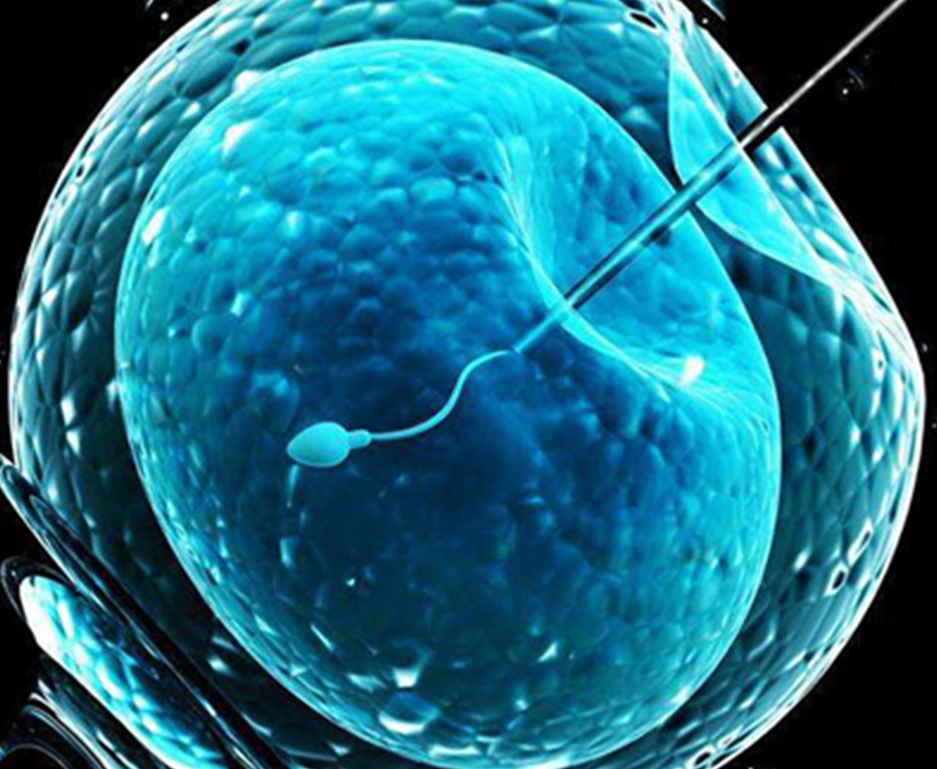
Clinical Approach: The presence of a hydrosalpinx is toxic to developing embryos and drastically reduces IVF success rates. The reproductive surgeon recommended a laparoscopic salpingectomy (removal of the damaged fallopian tubes) prior to initiating IVF. Following surgical recovery, the couple underwent a standard antagonist protocol. Eleven eggs were retrieved; eight matured. Due to the mild male factor, Intracytoplasmic Sperm Injection (ICSI) was utilized to ensure fertilization, resulting in six blastocysts. PGT-A was performed, revealing four euploid (chromosomally normal) embryos.
Outcome: A single frozen embryo transfer (FET) was performed after endometrial preparation with estrogen and progesterone. The patient achieved a clinical pregnancy at the first transfer attempt and delivered a healthy term infant. Total medical timeline from surgery to delivery: 14 months.
Patient Profile: 41-year-old female, unpartnered, seeking fertility preservation or immediate pregnancy. AMH level of 0.4 ng/mL, AFC of 4. Previous failed IVF cycle at another clinic using a high-dose agonist protocol, yielding only one immature egg.
Clinical Approach: At 41, the aneuploidy rate (chromosomal abnormalities in eggs) is approximately 70%. With a severely diminished ovarian reserve, high-dose stimulation was deemed counterproductive, likely causing burnout of the few available follicles. The clinic proposed a " DuoStim" (double stimulation) protocol within a single menstrual cycle, utilizing lower, gentler doses of FSH combined with LH. Additionally, supplementation with Coenzyme Q10 (Ubiquinol) and DHEA was prescribed for two months prior to the cycle to potentially improve mitochondrial function in the oocytes.
Outcome: The first stimulation phase yielded two eggs, resulting in one blastocyst. Immediately after retrieval, a second stimulation phase was initiated without waiting for a menstrual period, yielding three eggs and two blastocysts. PGT-A testing showed that one of the three embryos was euploid. The euploid embryo was transferred, resulting in a successful ongoing singleton pregnancy. This case highlights the shift from focusing on egg quantity to maximizing the genetic viability of the few eggs retrieved.
The success of IVF is not solely dependent on clinical procedures; the physiological environment provided by the intended parents plays a critical role. Preconception care should ideally begin three to six months prior to the IVF cycle, corresponding to the maturation timeline of both sperm and eggs.
A Mediterranean diet, rich in anti-inflammatory foods, has been clinically associated with improved IVF outcomes. Patients are advised to consume high levels of omega-3 fatty acids (found in wild-caught fish, walnuts, and flaxseeds), which improve blood flow to the reproductive organs and support follicular development. Conversely, trans fats, refined sugars, and excessive processed carbohydrates should be eliminated, as they contribute to insulin resistance, which can disrupt ovulatory function and impair egg quality.
Specific supplements often recommended by reproductive endocrinologists include:
Daily exposure to endocrine-disrupting chemicals (EDCs) can significantly impact fertility. Bisphenol A (BPA) and phthalates, commonly found in plastic containers, receipts, and personal care products, mimic estrogen in the body and can interfere with normal hormonal signaling. Intended parents should transition to glass or stainless steel food storage, avoid microwaving food in plastic, and choose fragrance-free, phthalate-free cosmetics and household cleaners. Furthermore, avoiding high-mercury fish (such as swordfish and king mackerel) is essential, as heavy metals can accumulate in reproductive tissues and impair neurodevelopment.
The psychological burden of infertility is well-documented, often compared to the stress levels experienced by patients diagnosed with cancer or HIV. The emotional rollercoaster of daily injections, frequent clinic visits, waiting for embryo development updates, and ultimately the pregnancy test can lead to severe anxiety, depression, and relationship strain.
Integrating psychological care into the IVF journey is not merely a luxury but a medical necessity. High stress levels elevate cortisol, which can indirectly affect reproductive hormones. American clinics increasingly employ dedicated fertility counselors who specialize in reproductive psychology. Techniques such as Cognitive Behavioral Therapy (CBT) and Mindfulness-Based Stress Reduction (MBSR) have been shown to significantly decrease anxiety scores in IVF patients.
Support groups, both in-person and virtual, provide a crucial sense of community. Connecting with others who understand the specific nuances of an IVF cycle helps mitigate the isolation that often accompanies infertility. Partners are encouraged to attend sessions together, as the stress of IVF can manifest differently in men and women, leading to communication breakdowns. Establishing a clear coping strategy—whether through journaling, acupuncture, or yoga—prior to starting the cycle equips patients with the resilience needed to navigate the process.
The United States hosts a vast network of fertility clinics, ranging from small private practices to large hospital-affiliated networks. When considering "which hospital is best," the answer is highly subjective and depends on the patient's specific diagnosis, geographic flexibility, and financial resources. Below is an objective overview of several prominent medical institutions recognized for their distinct clinical focuses and contributions to reproductive medicine.
CCRM (Colorado Center for Reproductive Medicine) is a nationwide network with a foundational history rooted in rigorous scientific research. Founded by Dr. William Schoolcraft, the clinic is recognized for its in-house embryology laboratories and a strong focus on PGT-A. CCRM has historically been a destination for patients with complex cases, such as recurrent pregnancy loss or repeated implantation failure. Their clinical model emphasizes a highly standardized protocol across all their network locations, aiming to reduce variability in embryo culture conditions. They are known for their comprehensive on-site genetic testing facilities, which can reduce the waiting time for biopsy results.
HRC Fertility operates multiple clinics across Southern California. The institution is noted for its robust egg freezing (oocyte cryopreservation) programs and services tailored to the LGBTQ+ community and intended parents utilizing gestational surrogates. California's favorable legal landscape regarding assisted reproduction makes HRC a frequent choice for patients requiring third-party reproduction. Clinically, HRC is involved in ongoing research regarding endometrial receptivity and the optimization of frozen embryo transfer protocols. Their geographic footprint provides accessibility to a large patient base in the western United States.
Headquartered in Maryland with a expansive network across the Mid-Atlantic and Southeast regions, Shady Grove Fertility is one of the largest fertility practices in the United States. The practice is recognized for its robust financial programs, including the Shared Risk 100% Refund Program, which allows patients to pay a flat fee for a bundle of up to six IVF cycles (including frozen transfers) and receive a refund if a live birth is not achieved. This financial structure makes IVF accessible to patients who might otherwise be unable to afford multiple attempts. Clinically, Shady Grove has a dedicated team for Oncofertility, working closely with oncologists to expedite fertility preservation for cancer patients before undergoing gonadotoxic chemotherapy.
Located in New York City, NYU Langone Fertility Center is an academic medical center known for integrating cutting-edge research with clinical practice. The center has been involved in pivotal studies regarding ovarian reserve testing and embryo selection algorithms. As an academic institution, they often handle complex medical cases, including patients with severe endometriosis, uterine anomalies, or those requiring preconception genetic counseling for rare hereditary diseases. The center's affiliation with a major research hospital provides patients with access to a multidisciplinary team of specialists, including reproductive endocrinologists, urologists specializing in male infertility, and genetic counselors.
The United States remains a premier destination for cross-border reproductive care (medical tourism) due to the availability of advanced technology, stringent laboratory standards, and favorable legal frameworks for donor gametes and surrogacy. International patients traveling to the US for IVF must navigate logistical, legal, and medical hurdles.
Medical preparation begins in the patient's home country. International patients are usually required to complete a comprehensive panel of infectious disease screening (required by the FDA for any tissue manipulation, including IVF) and baseline hormonal testing. These records must be translated into English and sent to the US clinic for review. Many clinics offer virtual consultations to establish a preliminary treatment plan before the patient boards a flight.
Logistically, an IVF cycle requires a stay of approximately 3 to 6 weeks in the US, depending on whether the patient is doing a fresh transfer or a freeze-all cycle. For a fresh transfer, the patient must be present for the ovarian stimulation phase (which requires daily monitoring) and the retrieval/transfer phase. Alternatively, some clinics offer a "split monitoring" option, where the initial stimulation monitoring is done locally, and the patient travels to the US only for the final days of stimulation and the egg retrieval.
Legal considerations are paramount, especially for same-sex couples, single parents by choice, or those utilizing gestational carriers. US states have vastly different laws regarding parentage rights. States like California, Illinois, and Nevada have established legal frameworks that recognize intended parents' rights before the birth of the child, bypassing the need for adoption proceedings post-birth. International patients must retain a reproductive attorney in the US to draft contracts and secure pre-birth orders.
Looking beyond 2026, the horizon of reproductive medicine holds transformative potential. Research into In Vitro Gametogenesis (IVG)—the process of creating viable sperm and eggs from somatic cells (like skin cells)—is advancing, though it remains in the experimental stages. If successfully translated to human clinical practice, IVG could theoretically allow individuals who produce no viable gametes (due to age, cancer treatment, or congenital conditions) to create genetically related embryos.
Furthermore, advancements in artificial wombs (ectogenesis) for premature infant support are being repurposed in early-stage research for embryo development, though the ethical and legal implications of full extra-corporeal gestation are immense. On a more immediate clinical horizon, the refinement of stem cell therapies to regenerate damaged endometrial linings (Asherman's Syndrome) offers hope for women currently deemed ineligible for embryo transfer due to uterine scarring.
The integration of wearable biosensors that continuously monitor hormonal fluctuations without the need for daily blood draws is another area of active development. This technology would shift the burden of cycle monitoring away from clinical settings, allowing for more precise, real-time data collection and greater patient comfort. As these technologies mature, the IVF experience will likely become less invasive, more precise, and increasingly accessible.
Navigating the landscape of American IVF clinics requires a synthesis of medical knowledge, financial planning, and emotional resilience. The advancements of 2026 have transformed IVF from a standardized medical procedure into a highly personalized genomic intervention. While the treatment costs represent a significant investment, the availability of diverse financing options and the continuous improvement in live birth rates offer tangible hope. By critically evaluating clinic success rates, understanding the medical necessity of specific procedures, and prioritizing preconception health, intended parents can approach their fertility journey with informed confidence. The path to parenthood is rarely linear, but with the clinical excellence available in the United States, the realization of building a family remains an achievable reality for countless individuals worldwide.