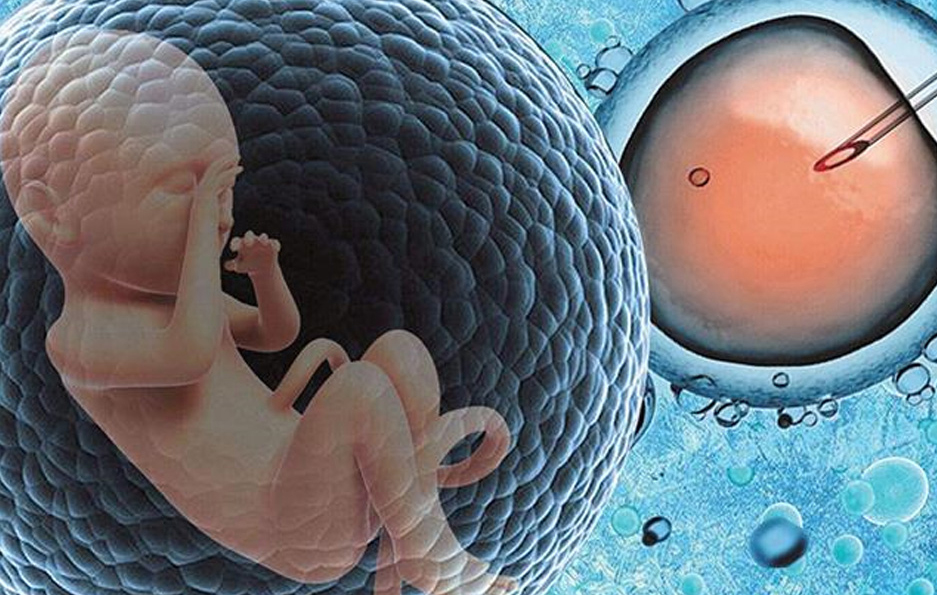
The landscape of assisted reproductive technology has evolved significantly, and for individuals and couples exploring fertility treatments, understanding the American IVF system is a crucial step in their family-building journey. As we look toward 2026, the intersection of advanced medical protocols, genetic screening, and personalized patient care defines the standard of fertility treatment in the United States. Navigating the complex ecosystem of fertility clinics requires a deep understanding of clinical success metrics, laboratory standards, and the nuanced variables that dictate the real cost of IVF. Prospective patients must evaluate not only the published success rates but also the specific treatment protocols, donor options, and financing pathways available to them. Making an informed decision involves analyzing clinical data, understanding geographic advantages, and preparing financially for the various phases of the fertility treatment cycle.
The Current State of American IVF in 2026
In 2026, In Vitro Fertilization in the United States represents a highly refined medical procedure characterized by the integration of artificial intelligence in embryo selection, advanced time-lapse imaging, and comprehensive chromosomal screening. The medical community has moved beyond standard visual grading of embryos, utilizing artificial intelligence algorithms to analyze morphokinetic data, thereby identifying embryos with the highest implantation potential. This technological leap has subtly shifted how clinics report and achieve their success rates, emphasizing single embryo transfers to reduce multiple gestation risks while maintaining high live birth rates.
Furthermore, the regulatory environment in the United States requires all fertility clinics to report their data to the Centers for Disease Control and Prevention (CDC) and the Society for Assisted Reproductive Technology (SART). While these databases provide a foundation for comparing clinics, the raw data often requires careful interpretation. A clinic treating a predominantly older patient population or specializing in complex secondary infertility will naturally exhibit different statistical outcomes compared to a clinic focusing on younger, elective egg freezing patients or donor egg cycles. Therefore, evaluating an American IVF clinic in 2026 demands a nuanced approach, looking beyond the headline numbers to understand the patient demographic and medical protocols driving those statistics.
Key Criteria for Choosing the Right IVF Clinic
Selecting a fertility clinic is a deeply personal and medically significant decision. The right clinic aligns with a patient’s specific diagnosis, financial situation, and personal values regarding family building. When evaluating American IVF options, several foundational criteria must be rigorously assessed.
Clinical Success Rates and Data Transparency
Success rates remain the primary metric patients use to evaluate fertility clinics, but understanding what these numbers represent is critical. Clinics typically report pregnancy rates and live birth rates per cycle started, per egg retrieval, and per embryo transfer. In 2026, the focus is heavily on live birth rates per embryo transfer, as this reflects the ultimate goal of the fertility treatment. Patients should examine the clinic's success rates stratified by age groups, particularly the under-35, 35-37, 38-40, and over-40 categories. Additionally, it is vital to look at the outcomes of donor egg cycles, as a clinic's ability to manage donor egg IVF successfully indicates robust laboratory capabilities. Transparency in reporting, including the willingness of the medical staff to discuss specific cases and explain their statistical outcomes, is a strong indicator of a patient-centered clinic.
Laboratory Standards and Embryology Team
The IVF laboratory is the heart of any fertility clinic. The environment where eggs, sperm, and embryos are cultivated directly impacts fertilization and implantation success. When researching American IVF clinics, prospective patients should inquire about the laboratory's accreditation, specifically looking for certification from the College of American Pathologists (CAP) and compliance with Clinical Laboratory Improvement Amendments (CLIA). The expertise of the embryology team is equally important. Highly skilled embryologists proficient in Intracytoplasmic Sperm Injection (ICSI) and embryo biopsy for Preimplantation Genetic Testing (PGT) are essential. Furthermore, the implementation of continuous time-lapse monitoring systems allows embryologists to track embryonic development without disturbing the controlled incubator environment, providing critical data that informs the selection of the most viable embryo.
Personalized Treatment Protocols
Reproductive endocrinology is not a one-size-fits-all discipline. A distinguishing feature of a high-quality American IVF clinic is its commitment to personalized medicine. Stimulation protocols should be tailored to the individual's ovarian reserve, age, and previous response to fertility medications. Clinics that rigidly apply standard protocols without accounting for individual physiological nuances may not achieve optimal results for complex cases. Patients should seek clinics where the physician conducts a thorough evaluation of ovarian reserve markers, such as Anti-Müllerian Hormone (AMH) and Antral Follicle Count (AFC), and designs a controlled ovarian hyperstimulation protocol specifically suited to their physiological profile.
Deconstructing the Real Treatment Costs of American IVF
Understanding the financial commitment of fertility treatment is often as stressful as the medical process itself. The real cost of American IVF extends far beyond the baseline procedure fee. A comprehensive financial plan must account for consultations, medications, laboratory fees, and potential additional procedures required to maximize the chances of a successful pregnancy.
Base IVF Cycle Costs
The foundational cost of a single IVF cycle in the United States typically ranges from $12,000 to $15,000. This base fee generally covers the initial consultations, ovarian stimulation monitoring (blood draws and transvaginal ultrasounds), the surgical egg retrieval procedure, the fertilization process in the laboratory, and the embryo transfer. However, this base cost frequently excludes the fertility medications required to stimulate the ovaries. Medication costs can add another $3,000 to $6,000 per cycle, varying significantly based on the patient's weight, age, ovarian reserve, and the specific dosage protocol prescribed by the reproductive endocrinologist.
| Cost Component |
Estimated Price Range (USD) |
Description |
| Base IVF Cycle |
$12,000 - $15,000 |
Includes monitoring, retrieval, lab fertilization, and transfer. |
| Fertility Medications |
$3,000 - $6,000 |
Gonadotropins for ovarian stimulation, trigger shots. |
| ICSI Procedure |
$1,500 - $2,500 |
Direct sperm injection into the egg, used for male factor infertility. |
| PGT-A (Genetic Testing) |
$3,000 - $5,000 |
Biopsy and genetic analysis of embryos for chromosomal normality. |
| Embryo Freezing & Storage |
$600 - $1,200 (initial) + $500/year |
Cryopreservation of viable embryos for future use. |
| Anesthesia Fees |
$500 - $1,000 |
Sedation during the egg retrieval procedure. |
Advanced Diagnostics and Add-On Procedures
The base cost rarely encompasses the advanced technologies frequently recommended to optimize outcomes. Intracytoplasmic Sperm Injection (ICSI), a procedure where a single sperm is injected directly into the egg, is often recommended in cases of male factor infertility or previous fertilization failure. This adds a significant amount to the overall bill. Preimplantation Genetic Testing for Aneuploidies (PGT-A) is another major financial consideration. PGT-A involves biopsy of the blastocyst and genetic sequencing to ensure only euploid (chromosomally normal) embryos are transferred. While PGT-A can reduce miscarriage rates and increase the efficiency of single embryo transfers, the combined cost of the biopsy procedure and the genetic analysis lab fees can add thousands of dollars to the cycle total.
Medication Variability and Pharmacy Choices
Fertility medications represent a highly variable cost center. The dosage of follicle-stimulating hormone (FSH) and luteinizing hormone (LH) required to achieve optimal ovarian response differs wildly among individuals. Younger patients with high ovarian reserves may require lower dosages, while older patients or those with diminished ovarian reserve may need maximum stimulation, significantly increasing the medication cost. Furthermore, patients have options regarding specialty pharmacies. Different pharmacies offer varying pricing structures, and some may provide financial assistance programs or accept specific insurance plans that others do not. Diligently comparing specialty pharmacies is a crucial step in managing the real cost of IVF.
Donor and Gestational Carrier Expenses
For individuals who cannot use their own gametes or carry a pregnancy, third-party reproduction becomes necessary, dramatically altering the financial landscape. Donor egg IVF involves compensating the egg donor, agency fees, legal fees to establish parental rights, and the medical costs of the donor's stimulation and retrieval cycle. These combined expenses can push the cost of a single donor egg cycle to between $25,000 and $40,000. Gestational surrogacy introduces even more substantial costs, including surrogate compensation, psychological evaluations, extensive legal contracts, and medical insurance for the surrogate, often resulting in total expenses exceeding $100,000. Understanding these financial realities is essential for intended parents exploring all family-building avenues.
Geographic Considerations and Regional Clinic Differences
The location of a fertility clinic significantly impacts both the cost of treatment and the overall patient experience. The United States features distinct regional hubs for reproductive medicine, each with its own characteristics regarding pricing, legal frameworks, and clinic specialization.
The West Coast: Technology and Donor Networks
California, particularly the Los Angeles and San Francisco Bay areas, is a prominent hub for fertility treatment. Clinics in this region are often early adopters of cutting-edge laboratory technologies and artificial intelligence integration. The West Coast also boasts highly established egg donor and surrogacy agencies, facilitated by California's favorable legal framework for third-party reproduction. However, the cost of living and operational expenses in California mean that the base cost of IVF and donor services may be higher than the national average. Patients traveling to California often do so to access specific donor pools or clinics renowned for handling complex cases, such as oncofertility preservation or LGBTQ+ family building.
The East Coast: Established Institutions and Insurance Mandates
The East Coast, encompassing New York, Massachusetts, and the mid-Atlantic states, hosts some of the oldest and most historically established fertility centers in the country. Massachusetts is notable for its comprehensive state insurance mandate requiring coverage for infertility treatments, which dramatically reduces out-of-pocket expenses for qualifying residents. New York has also expanded its mandate, including coverage for IVF and third-party reproduction. Patients seeking treatment on the East Coast benefit from a high density of academic medical centers and private practices, offering a wide array of clinical expertise. The competition in this region can sometimes lead to more transparent pricing structures and varied financing options.
The Midwest and South: Cost-Effectiveness and Regional Access
Clinics in the Midwest and Southern states often present a more cost-effective option for patients paying out of pocket. The operational costs in states like Illinois, Texas, or Ohio are generally lower than in coastal hubs, which can be reflected in the base pricing of an IVF cycle. Illinois possesses a strong state insurance mandate for fertility coverage, making it an accessible region for local residents. Texas has emerged as a major center for fertility treatment, with large clinic networks offering comprehensive services, including robust donor programs. Patients in these regions often find a strong emphasis on personalized, community-oriented care, though the availability of local egg donors or surrogates may vary compared to California.
Analyzing Patient Scenarios and Clinical Approaches
To understand how clinic choice and treatment costs manifest in reality, examining specific clinical scenarios provides valuable insight into the diverse pathways patients navigate during fertility treatment.
Scenario A: Advanced Maternal Age and Diminished Ovarian Reserve
Consider a 42-year-old woman presenting with diminished ovarian reserve, indicated by a low AMH level. Her path requires a highly specialized approach. A standard IVF protocol may yield few eggs, and the risk of aneuploid embryos is statistically high. The chosen clinic must demonstrate expertise in minimal stimulation protocols or tailored high-dose protocols designed to maximize egg yield in low-reserve patients. In this scenario, the patient will likely require Preimplantation Genetic Testing for Aneuploidies (PGT-A) to identify any viable euploid embryo, adding to the cost. If multiple cycles are required to retrieve enough eggs to produce a euploid embryo, the cumulative financial burden becomes substantial. This patient might prioritize a clinic with a strong laboratory reputation for culturing embryos to the blastocyst stage in older patients, even if the base cost is higher, to avoid spending money on cycles with lower implantation potential.
Scenario B: Severe Male Factor Infertility
A couple where the male partner has severe oligospermia or azoospermia faces a different set of clinical priorities. The focus shifts heavily toward the andrology laboratory and the expertise of the urologist working in conjunction with the reproductive endocrinologist. The chosen clinic must offer Intracytoplasmic Sperm Injection (ICSI) as a standard part of the cycle. If the male partner has obstructive azoospermia, the clinic must coordinate with a urologist to perform a testicular sperm extraction (TESE or micro-TESE) on the same day as the female partner's egg retrieval. The cost structure here includes the urologist's surgical fee, the anesthesia for the extraction, and the specialized laboratory fees for processing the testicular tissue to isolate viable sperm. A clinic with an integrated urology department or a close partnership with a reproductive urologist is a critical selection criterion for this couple.
Scenario C: LGBTQ+ Family Building and Reciprocal IVF
For same-sex male couples or single male intended parents, the journey involves donor egg IVF and gestational surrogacy. This requires a clinic highly experienced in coordinating with egg donor agencies and surrogacy matching programs. The medical process involves synchronizing the egg donor's stimulation cycle with the gestational carrier's endometrial preparation. The clinic must be adept at managing the legal and medical logistics of third-party reproduction. The costs are extensive, encompassing donor compensation, carrier compensation, agency fees, legal counsel, and the medical IVF cycle itself. For same-sex female couples interested in reciprocal IVF, where one partner provides the eggs and the other carries the pregnancy, the clinic must facilitate the medical synchronization and ensure a seamless transition from the stimulation phase to the transfer phase, with costs similar to a standard IVF cycle but utilizing one partner as the donor and the other as the recipient.
Common Misconceptions and Pitfalls in IVF Treatment
Navigating the fertility landscape is fraught with misinformation. Addressing common misconceptions helps patients set realistic expectations and avoid clinical and financial pitfalls.
- Misconception: Higher clinic success rates guarantee a personal pregnancy. Success rates are aggregate statistics. A clinic with a 60% live birth rate per transfer does not guarantee a 60% chance for every individual. Personal factors like age, ovarian reserve, and sperm quality dictate individual prognosis. Evaluating clinics solely on aggregate numbers without understanding the underlying patient demographics can lead to misplaced trust.
- Misconception: Bed rest improves embryo implantation. Historically, patients were advised to remain on strict bed rest for days following an embryo transfer. Current medical consensus, supported by numerous clinical studies, indicates that prolonged bed rest does not improve implantation rates and may actually increase the risk of blood clots. Clinics in 2026 generally encourage patients to resume normal, low-impact activities immediately following the transfer, as blood flow to the uterus is beneficial.
- Misconception: IVF always results in multiple pregnancies. The image of IVF resulting in twins or triplets is outdated. With the advancement in blastocyst culture and PGT-A, the standard of care in the United States is Single Embryo Transfer (SET). Transferring one genetically tested embryo achieves high success rates while drastically reducing the risks associated with multiple gestations, such as premature birth and preeclampsia.
- Misconception: Supplements and acupuncture can replace medical intervention. While adjunct therapies like acupuncture and specific nutritional supplements may support overall reproductive health and reduce stress, they cannot overcome structural infertility issues, severe male factor infertility, or advanced maternal age-related chromosomal decline. Relying solely on alternative therapies can result in lost time and diminished ovarian reserve.
Financial Navigation: Insurance, Financing, and Shared Risk
Managing the cost of American IVF requires strategic financial planning. Patients must proactively explore insurance benefits, clinic financing programs, and alternative funding sources to make treatment sustainable.
Understanding State Insurance Mandates
Insurance coverage for fertility treatment in the United States is highly fragmented and largely dependent on the state of employment. As of 2026, approximately twenty states have passed laws requiring insurance providers to cover some form of infertility treatment, including IVF. However, these mandates vary widely. Some states require coverage for diagnosis and basic treatments but exclude IVF, while others mandate comprehensive IVF coverage but place strict limitations on the number of cycles or the age of the patient. Furthermore, state mandates often do not apply to self-funded employer health plans, which are governed by federal ERISA laws. Patients must thoroughly review their specific insurance policy documents and work with their clinic’s financial counselors to verify exact benefits before beginning treatment.
Shared Risk and Refund Programs
Many American IVF clinics offer shared risk or refund programs, also known as multi-cycle packages. These programs require an upfront payment that covers a specific number of IVF cycles (typically two or three) and associated services. If the patient does not achieve a live birth after completing the package, the clinic refunds a significant portion of the base clinical fees. While these programs provide psychological comfort and financial predictability, patients must carefully read the fine print. Some programs exclude the cost of medications, which are a major expense, and others have strict criteria for what constitutes a "failed" cycle, potentially disqualifying patients who experience a miscarriage or have embryos that arrest in the laboratory.
Fertility Loans and Grants
For patients without insurance coverage, specialized fertility financing companies offer loans specifically designed for IVF treatments. These loans often feature competitive interest rates and terms structured to accommodate the timeline of a fertility cycle. Additionally, numerous non-profit organizations and charitable foundations provide grants to help offset the cost of treatment. These grants are typically highly competitive and may target specific demographics, such as cancer patients seeking fertility preservation, military veterans, or individuals with specific medical conditions. Researching and applying for these grants requires time and organization but can provide crucial financial relief.
Pre-Treatment Preparation and Lifestyle Optimization
Maximizing the efficacy of an IVF cycle begins months before the first injection. Both partners should engage in comprehensive pre-treatment preparation to optimize egg and sperm quality, thereby improving the chances of a successful outcome.
Nutritional Interventions and Supplementation
A Mediterranean-style diet rich in anti-inflammatory foods, omega-3 fatty acids, and antioxidants has been associated with improved fertility outcomes. Patients are advised to consume ample leafy greens, nuts, whole grains, and lean proteins while reducing the intake of processed foods, refined sugars, and trans fats. Regarding supplementation, folic acid is universally recommended to prevent neural tube defects. For women with diminished ovarian reserve, supplements like Coenzyme Q10 (CoQ10) and DHEA are sometimes suggested to potentially support mitochondrial function in eggs, though patients should only take these under the strict guidance of their reproductive endocrinologist. For men, antioxidants such as Vitamin C, Vitamin E, and selenium may improve sperm motility and reduce DNA fragmentation.
Modifying Lifestyle Factors
Lifestyle modifications have a profound impact on fertility. Smoking, including both tobacco and marijuana, is strongly linked to reduced ovarian reserve, poorer egg quality, and lower implantation rates. Both partners should cease smoking prior to initiating an IVF cycle. Alcohol consumption should be minimized or eliminated, as even moderate drinking has been associated with decreased IVF success. Maintaining a healthy Body Mass Index (BMI) is also critical. Both underweight and overweight patients may experience hormonal imbalances that affect ovarian response and implantation. Achieving a BMI within the normal range can improve response to stimulation medications and reduce the risk of complications during pregnancy.
Psychological Readiness and Stress Management
The emotional toll of infertility and IVF is well-documented. High levels of stress do not necessarily cause infertility, but the anxiety associated with treatment can significantly impact a patient's quality of life. Engaging a fertility counselor or therapist prior to starting treatment equips patients with coping mechanisms for the inevitable ups and downs of the process. Mindfulness practices, meditation, and gentle physical activities like yoga can help regulate stress hormones. Establishing a strong support network, whether through friends, family, or formal infertility support groups, provides an essential emotional safety net during the demanding IVF journey.
The IVF Process: A Step-by-Step Clinical Overview
Understanding the sequential phases of the IVF process demystifies the treatment and allows patients to anticipate the medical milestones and associated clinical visits.
- Ovarian Stimulation and Monitoring: The cycle begins with the administration of injectable gonadotropins to stimulate the ovaries to develop multiple follicles. Patients visit the clinic frequently, often daily or every other day, for transvaginal ultrasounds to measure follicle growth and blood tests to monitor estrogen levels. The medication dosage is adjusted based on these real-time metrics.
- The Trigger Shot: Once the lead follicles reach the appropriate size, typically around 18-20 millimeters, the patient administers a "trigger shot" of human chorionic gonadotropin (hCG) or a Lupron flare. This precise injection induces the final maturation of the eggs and prepares them for retrieval. The timing of this shot is critical, as the egg retrieval must occur exactly 36 hours later, just before ovulation occurs naturally.
- Egg Retrieval (Oocyte Aspiration): This minor surgical procedure is performed under light sedation or anesthesia. The physician uses ultrasound guidance to pass a needle through the vaginal wall into the ovaries, aspirating the fluid and eggs from each follicle. The procedure typically takes 20-30 minutes, and the patient recovers in the clinic for a short period before returning home.
- Fertilization and Embryo Culture: In the laboratory, the retrieved eggs are evaluated for maturity. Mature eggs are either placed in a dish with prepared sperm (conventional insemination) or injected with a single sperm (ICSI). The fertilized eggs, now embryos, are placed in incubators and cultured for 5 to 6 days until they reach the blastocyst stage.
- Preimplantation Genetic Testing (Optional): If PGT is planned, a few cells are carefully biopsied from the trophectoderm (the outer layer of the blastocyst) on day 5 or 6. The embryos are then vitrified (flash-frozen) while the biopsy samples are sent to a genetics lab for analysis. This allows the clinic to transfer only chromosomally normal embryos in a subsequent frozen embryo transfer cycle.
- Embryo Transfer: If a fresh transfer is planned (less common with PGT), the physician passes a thin catheter through the cervix into the uterus, depositing the selected embryo. This procedure is typically painless and requires no anesthesia, resembling a pap smear. For frozen transfers, the patient undergoes a separate cycle to prepare the uterine lining with estrogen and progesterone before the thawed embryo is transferred.
- The Luteal Phase and Pregnancy Test: Following the transfer, the patient continues progesterone supplementation to support the uterine lining. A blood pregnancy test (beta hCG) is performed approximately 9 to 14 days after the transfer, depending on whether it was a Day 3 or Day 5 embryo transfer. If positive, the patient continues medications and is monitored with ultrasounds until a fetal heartbeat is detected.
Post-Transfer Care and Early Pregnancy Management
The two-week wait between the embryo transfer and the pregnancy test is a period of intense anticipation. Proper post-transfer care focuses on supporting the physiological environment for implantation while managing the patient's physical and emotional well-being.
Patients are generally advised to avoid strenuous physical activity, heavy lifting, and high-impact exercise for the first few days following the transfer. However, complete bed rest is discouraged. Walking and normal daily activities are encouraged to promote healthy blood circulation. Patients should stay well-hydrated and avoid hot tubs, saunas, or bathing in very hot water, as elevated core body temperatures can be detrimental to early embryonic development. Regarding diet, patients should continue the nutritional habits established during pre-treatment, avoiding raw fish, unpasteurized cheeses, and excessive caffeine.
Medication adherence is paramount during this phase. Patients must administer progesterone, either via intramuscular injections or vaginal suppositories, exactly as prescribed. Progesterone prepares the endometrium to receive the embryo and maintains the uterine environment until the placenta takes over hormone production, typically around the 8th to 10th week of pregnancy. Missing doses or stopping medication prematurely can severely compromise implantation and early pregnancy viability. If the blood test confirms pregnancy, the clinic will schedule serial beta hCG tests to ensure the hormone levels are rising appropriately, followed by the first obstetric ultrasound around the sixth or seventh week of gestation to confirm the location of the pregnancy and the presence of a fetal heartbeat.
Recognized Medical Institutions for Fertility Treatment
When considering American IVF, prospective patients often research specific medical institutions known for their clinical volumes and specialized services. The following fertility networks and clinics represent a cross-section of the reproductive healthcare landscape in the United States, each with distinct operational models and clinical focuses.
CCRM Fertility
CCRM Fertility is a national network of fertility clinics recognized for its integrated approach to reproductive medicine. The network operates across multiple states, including Colorado, Texas, and Virginia. CCRM is noted for its robust in-house laboratory network and its emphasis on rigorous scientific research. The clinic offers a comprehensive suite of services, from basic ovulation induction to complex IVF, donor egg programs, and fertility preservation. Their clinical model often involves a centralized laboratory standard, aiming to provide consistent embryology outcomes across their various geographic locations. Patients often choose CCRM for access to their specialized clinical protocols and nationwide donor database.
Shady Grove Fertility
Shady Grove Fertility is a prominent practice primarily located in the Mid-Atlantic region, with a strong presence in Maryland, Pennsylvania, Virginia, and Washington, D.C. This practice is characterized by its large clinical volume and comprehensive patient support infrastructure. Shady Grove Fertility offers a wide array of financial programs, including shared risk refund options, which provide patients with structured financial predictability. The clinic is actively involved in clinical research and offers specialized programs for LGBTQ+ family building, oncofertility, and donor egg treatment, supported by an in-house team of financial counselors and dedicated nurse navigators.
HRC Fertility
HRC Fertility, operating primarily in California, is a network of clinics known for its long-standing presence in the reproductive medicine field. With locations in Los Angeles, Orange County, and the San Francisco Bay Area, HRC Fertility caters to a diverse patient population, including a significant number of international patients seeking treatment in the United States. The clinic is noted for its integration of advanced laboratory technologies, including time-lapse embryo imaging and comprehensive genetic screening. HRC Fertility maintains an active egg donor agency and offers extensive services for third-party reproduction, benefiting from California's established legal framework for surrogacy and donor conception.
RMA Network
The Reproductive Medicine Associates (RMA) network operates clinics across several states, including New York, New Jersey, Pennsylvania, and Texas. RMA is recognized for its academic orientation and significant contributions to peer-reviewed fertility research. The network emphasizes standardized, evidence-based clinical protocols designed to maximize safety and efficacy. RMA offers full-service fertility care, including IVF, genetic testing, and fertility preservation. Their model heavily features single embryo transfer protocols to minimize multiple gestation risks. The network's integration of reproductive endocrinologists, embryologists, and genetic counselors provides a multidisciplinary approach to complex infertility diagnoses.
International Patients Seeking American IVF
The United States remains a primary destination for cross-border reproductive care. International patients travel to American clinics for several reasons, including access to advanced technology, comprehensive legal protections for intended parents, and diverse donor pools.
For international patients, the logistics of coordinating an IVF cycle in the United States require meticulous planning. Clinics often have dedicated international patient coordinators who assist with scheduling remote consultations, organizing medical record translations, and coordinating travel logistics. A significant advantage of American IVF for international patients is the legal framework surrounding egg donation and surrogacy. In many states, intended parents can establish legal parentage prior to the birth of the child, and donors can be compensated, which expands the availability of donor gametes. The cost for international patients is inherently higher due to travel, accommodation, and translation services, but the access to specific legal rights and medical technologies often justifies the investment.
Future Trends in Reproductive Technology
Looking beyond 2026, the trajectory of fertility treatment points toward even greater personalization and non-invasive methodologies. One significant area of development is Non-Invasive Preimplantation Genetic Testing (niPGT). Currently, PGT requires a biopsy of the developing embryo. niPGT aims to sequence DNA from the culture media surrounding the embryo, potentially eliminating the need for a physical biopsy. While still in the research and validation phase, this technology could reduce laboratory costs and theoretical risks associated with embryo manipulation.
Another emerging field is the use of artificial intelligence to predict ovarian response and individualize medication dosing. By analyzing vast datasets of previous patient cycles, AI algorithms could recommend the precise starting dose of gonadotropins for a new patient, minimizing the risk of Ovarian Hyperstimulation Syndrome (OHSS) and optimizing egg yield. Furthermore, advancements in in vitro gametogenesis (IVG)—the process of creating sperm or eggs from somatic cells—remain experimental but hold future potential for individuals who cannot produce viable gametes. While these technologies are not standard clinical practice in 2026, they represent the ongoing evolution of reproductive endocrinology, promising higher success rates and broader accessibility in the decades to come.
Making the Final Decision
Choosing the right American IVF clinic and navigating the real treatment costs is a multifaceted endeavor that requires balancing clinical data, financial realities, and personal comfort. The decision should never be rushed. Prospective patients are encouraged to consult with multiple clinics, ask detailed questions about laboratory protocols, request itemized cost breakdowns, and verify the specific expertise of the reproductive endocrinologist assigned to their case.
Ultimately, the right clinic is one that not only demonstrates strong clinical outcomes but also communicates transparently, respects the patient's financial constraints, and provides a supportive environment for one of the most significant medical journeys a person can undertake. By thoroughly researching clinic capabilities, understanding the comprehensive cost structure of IVF, and optimizing personal health prior to treatment, patients can approach their fertility journey with confidence and clarity, maximizing their chances of achieving a successful and healthy pregnancy in 2026 and beyond.