News Center
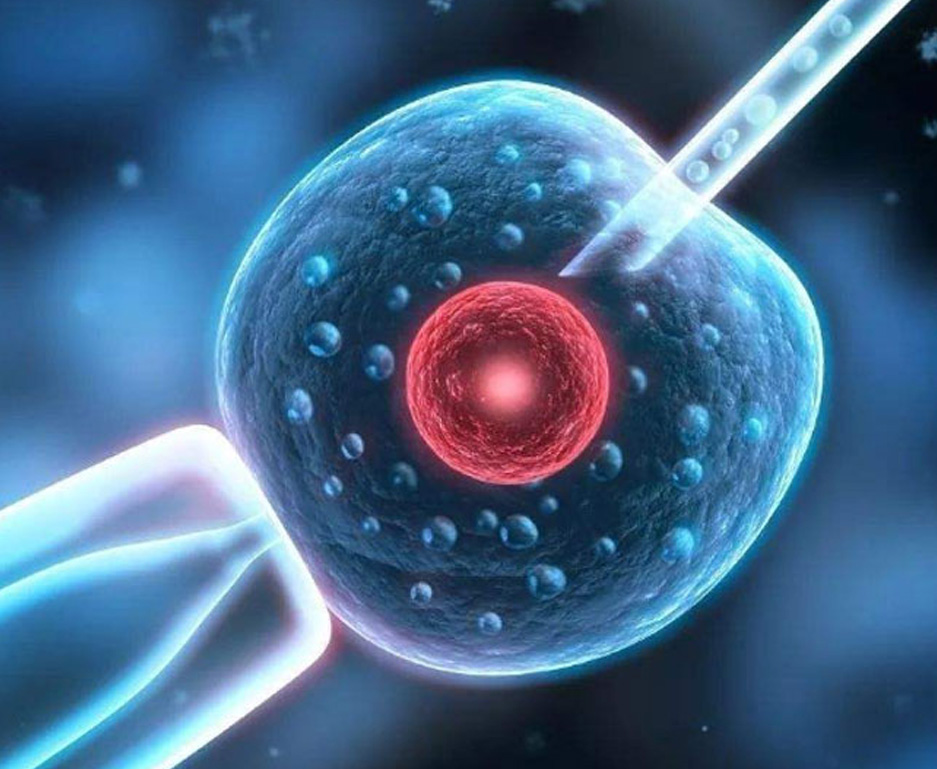
The landscape of assisted reproductive technology (ART) in the United States is continuously evolving, presenting prospective parents with sophisticated options for building their families. As we look toward American IVF in 2026, the integration of advanced genetic screening, artificial intelligence in embryo selection, and highly personalized medication protocols has transformed the traditional in vitro fertilization process. Navigating this complex medical field requires a comprehensive understanding of both the clinical aspects and the financial implications. Intended parents must evaluate numerous variables, from the specific technologies utilized by a fertility clinic to the overall American IVF treatment costs, which can fluctuate significantly based on geographic location, individual medical history, and the necessity for additional services such as egg donation, sperm donation, or gestational surrogacy.
In 2026, the American fertility clinic ecosystem is characterized by a high degree of specialization and technological adoption. The baseline in vitro fertilization process has been refined to minimize patient discomfort while maximizing the chances of a successful live birth. Clinics across the nation are increasingly utilizing big data and predictive analytics to customize ovarian stimulation protocols. This means that rather than a one-size-fits-all approach, reproductive endocrinologists can predict how a patient's ovaries will respond to specific dosages of follicle-stimulating hormone (FSH) and luteinizing hormone (LH), thereby reducing the risk of ovarian hyperstimulation syndrome (OHSS) and improving oocyte yield.
One of the most significant shifts in American IVF is the widespread adoption of artificial intelligence for embryo viability assessment. Traditionally, embryologists relied on morphological grading, which involves visually assessing the embryo under a microscope at specific developmental milestones. While this method remains foundational, AI-driven time-lapse imaging systems now analyze continuous morphokinetic data, capturing thousands of data points during the embryo's development from the zygote to the blastocyst stage. These systems can identify subtle developmental patterns that are invisible to the human eye, correlating these patterns with chromosomal normality and implantation potential. This technological leap directly impacts the American IVF treatment costs, as AI-enhanced incubation often comes at a premium, but it paradoxically reduces the overall cost per successful pregnancy by decreasing the number of cycles required.
Preimplantation Genetic Testing for Aneuploidy (PGT-A) has become a standard offering in many American fertility clinics, particularly for patients over the age of 35. In 2026, the field is moving toward non-invasive PGT (niPGT). Traditional PGT-A requires a trophectoderm biopsy, where a few cells are carefully removed from a blastocyst. Although generally safe, the biopsy procedure carries a minimal risk of embryonic damage. Non-invasive methods analyze the cell-free DNA (cfDNA) that is naturally secreted by the embryo into the surrounding culture medium. This eliminates the need for an embryonic biopsy, representing a paradigm shift in how genetic screening is performed. While the accuracy of niPGT is still being optimized to reduce false positive rates associated with maternal DNA contamination, its development highlights the innovative trajectory of American reproductive medicine.
The financial aspect of fertility treatment is often a primary concern for intended parents. American IVF treatment costs are among the highest in the world, reflecting the advanced technology, high laboratory standards, and specialized medical expertise involved. A standard IVF cycle in the United States typically ranges from $12,000 to $15,000, but this base figure rarely encompasses the full spectrum of necessary services. To accurately budget for treatment, patients must itemize the various components that constitute a complete cycle.
A comprehensive understanding of the expenses requires examining the distinct phases of the IVF process. The following table outlines the typical cost distribution for a standard cycle without insurance coverage in the United States in 2026:
| Service Component | Estimated Cost Range (USD) | Description |
|---|---|---|
| Initial Consultation & Diagnostics | $500 - $1,500 | Fertility evaluation, blood panels, ultrasound, semen analysis. |
| Ovarian Stimulation Medications | $3,000 - $6,000 | Gonadotropins, antagonists, and trigger shots. Highly variable based on dosage and brand. |
| Egg Retrieval (Oocyte Pick-Up) | $5,000 - $7,000 | Surgical procedure, anesthesia, and follicular aspiration. |
| Embryology Laboratory Fees | $2,000 - $4,000 | Sperm preparation, fertilization (conventional or ICSI), embryo culture, time-lapse monitoring. |
| Embryo Transfer | $1,500 - $3,000 | Catheter placement, ultrasound guidance, and embryo deposition. |
| Preimplantation Genetic Testing (PGT-A) | $3,000 - $5,000 | Biopsy procedure, genetic analysis, and cryopreservation of biopsied embryos. |
| Frozen Embryo Transfer (FET) | $3,000 - $5,000 | Thawing embryo, endometrial preparation, and transfer procedure. |
| Medications for FET | $500 - $1,500 | Estrogen and progesterone supplements for luteal phase support. |
The standard IVF cost breakdown assumes the patient is using her own eggs and her partner's sperm, without the need for surgical sperm extraction or a gestational carrier. However, many family-building journeys require additional services. Intracytoplasmic Sperm Injection (ICSI), frequently recommended for male factor infertility, adds approximately $1,500 to $2,500 to the laboratory fees. If a patient requires donor eggs, the cost increases substantially. An egg donor cycle in the United States can range from $25,000 to $40,000, encompassing the donor's compensation, agency fees, legal contracts, and the donor's medical and psychological screening.
For intended parents who cannot carry a pregnancy, gestational surrogacy is another complex path. Surrogacy in the United States is legally protected in certain states, making it a viable option for international and domestic intended parents. However, the total cost, including agency fees, surrogate compensation, insurance, and the IVF procedures, often ranges from $120,000 to $180,000. These figures underscore the necessity of thorough financial planning when exploring American IVF options.
The cost and availability of high-quality fertility treatments vary significantly across different regions of the United States. Geographic location influences not only the pricing structure but also the regulatory environment and the availability of specialized services. Understanding these regional differences is crucial for patients willing to travel for treatment.
California is widely recognized for its inclusive and progressive fertility landscape. The state offers a robust network of fertility clinics equipped with the latest embryological technologies. Furthermore, California's legal framework is highly favorable for third-party reproduction, including egg donation and surrogacy, making it a preferred destination for intended parents globally. The cost of IVF in California tends to be higher than the national average, reflecting the higher cost of living and the concentration of highly specialized clinics. A standard IVF cycle in Los Angeles or San Francisco may range from $14,000 to $18,000, excluding medications and genetic testing. However, the access to diverse donor databases and experienced reproductive legal professionals often justifies the premium for many patients.
New York has made significant strides in improving accessibility to fertility treatments. The state implemented a mandate requiring large group insurance plans to cover IVF and related procedures. This mandate has dramatically reduced the out-of-pocket expenses for many patients residing in the state. For those without insurance coverage, the self-pay costs in New York are competitive, generally aligning with the national average. The presence of highly regarded academic medical centers and private fertility networks in New York City provides patients with a wide array of clinical choices, from high-volume IVF centers to boutique practices offering highly individualized care.
Texas has emerged as a significant destination for fertility treatment, characterized by modern facilities and competitive pricing. Clinics in Houston, Dallas, and Austin have expanded rapidly, offering state-of-the-art laboratory facilities. The cost of living in Texas allows clinics to offer slightly more competitive self-pay packages compared to the East and West coasts. A standard IVF cycle in Texas may range from $11,000 to $14,000. Additionally, Texas has a growing network of surrogacy agencies and egg donor banks, providing comprehensive services for intended parents.
Illinois is notable for its strong insurance mandate, which requires insurance policies that cover pregnancy-related benefits to also cover the diagnosis and treatment of infertility, including up to four IVF attempts. This regulatory environment makes Illinois one of the most accessible states for residents seeking fertility treatment. The concentration of reputable clinics in the Chicago metropolitan area ensures that patients have access to high-quality care with significantly reduced financial burden, provided they meet the medical criteria outlined in the mandate.
When selecting a fertility clinic, intended parents should consider factors such as clinic volume, the expertise of the embryology laboratory, transparency in success rates, and the range of services offered. The following medical institutions are recognized for their contributions to reproductive medicine and their distinct approaches to patient care. It is essential to evaluate how a clinic's specific strengths align with your individual medical needs.
HRC Fertility operates multiple clinics throughout Southern California, including locations in Los Angeles, Orange County, and the San Fernando Valley. The clinic is known for its long-standing history in reproductive medicine and its comprehensive suite of services. HRC Fertility maintains an in-house embryology laboratory that adheres to stringent quality control measures. They offer a wide range of treatments, from basic ovulation induction to complex IVF cycles involving preimplantation genetic testing and third-party reproduction. Their practice is heavily involved in clinical research, allowing patients access to the latest protocols and technologies. The clinic also provides dedicated international patient coordinators to assist with travel, accommodation, and remote monitoring for those traveling to California for treatment.
Shady Grove Fertility is one of the largest fertility practices in the United States, with a vast network of clinics primarily located in the Mid-Atlantic region. The practice is distinguished by its robust data-driven approach and extensive clinical experience, handling thousands of IVF cycles annually. Shady Grove Fertility offers unique financial programs, including shared risk refund programs, which provide patients with a degree of financial predictability by offering a partial refund if a live birth is not achieved after a set number of cycles. Their integrated care model includes in-house financial counselors, donor egg banks, and a dedicated team for gestational carrier services, ensuring a seamless experience for complex family-building journeys.
The Colorado Center for Reproductive Medicine (CCRM) was founded in Denver and has since expanded into a national network of fertility clinics. CCRM is particularly noted for its focus on advanced reproductive science and its highly rigorous embryology laboratory standards. The clinic has been a pioneer in comprehensive chromosome screening (CCS), now known as PGT-A, and has integrated cutting-edge research into its clinical practice. CCRM's approach often involves extensive pre-cycle testing to optimize stimulation protocols before the cycle even begins. Their commitment to research and laboratory excellence makes them a frequent choice for patients with previous IVF failures or complex genetic concerns.
Reproductive Medicine Associates (RMA) is a prominent network of fertility clinics with a strong presence in the New York and New Jersey metropolitan areas. RMA is recognized for its high clinical pregnancy and live birth rates, which are consistently reported to the Society for Assisted Reproductive Technology (SART) and the Centers for Disease Control and Prevention (CDC). The practice emphasizes a patient-centric approach, combining advanced medical protocols with accessible locations. RMA has been at the forefront of promoting single embryo transfer (SET) to reduce the risks associated with multiple pregnancies, aligning with modern best practices in reproductive medicine. They also offer comprehensive genetic counseling services and on-site laboratories for rapid result turnaround.
Selecting the right hospital or clinic is only one part of the equation; understanding the medical protocols is equally vital. The IVF process is a sequence of highly coordinated medical events, each requiring precise timing and individualized adjustment.
The foundation of a successful IVF cycle is the ovarian stimulation protocol. Reproductive endocrinologists utilize various protocols to maximize the number of mature oocytes retrieved while safeguarding against OHSS.
The embryology laboratory is the heart of any IVF clinic. The environment within the lab must mimic the natural conditions of the female reproductive tract as closely as possible. Modern American IVF labs utilize continuous monitoring systems for temperature, humidity, and gas concentrations (specifically oxygen, carbon dioxide, and nitrogen) to ensure optimal culture conditions. Low-oxygen culture (5% oxygen versus atmospheric 20%) has become the standard, as it reduces reactive oxygen species and improves embryo development.
Furthermore, the skill of the embryologists performing Intracytoplasmic Sperm Injection (ICSI) and embryo biopsy is paramount. ICSI is indicated not only for severe male factor infertility but also when PGT is planned, as it ensures a single sperm fertilizes the egg, eliminating the risk of sperm DNA contamination during genetic testing. Assisted Hatching (AH), a procedure where a small opening is made in the zona pellucida (the outer shell of the embryo) to facilitate implantation, is another laboratory technique often employed for embryos with thickened zonae or for patients with previous implantation failures.
After the embryo transfer, the focus shifts to luteal phase support. Following egg retrieval, the corpus luteum may not produce sufficient progesterone to maintain a pregnancy. Therefore, exogenous progesterone is administered, typically via intramuscular injections or vaginal suppositories. The duration and dosage of progesterone supplementation are individualized based on the patient's hormone levels and the specific protocol used.
For patients with recurrent implantation failure (RIF), clinics may utilize the Endometrial Receptivity Analysis (ERA). This diagnostic test involves taking a small biopsy of the endometrial lining and analyzing the expression of specific genes to determine the optimal "window of implantation." Some women have a displaced window of implantation, meaning their endometrium is receptive a few days earlier or later than the standard assumption. The ERA allows clinicians to time the frozen embryo transfer precisely, aligning the embryo transfer with the patient's unique receptivity profile.
To illustrate the complexity and individualized nature of American IVF treatments, examining specific clinical scenarios can be highly informative.
Patient Profile: A 42-year-old female with a normal BMI and no major systemic diseases. Her antral follicle count (AFC) is 4, and her Anti-Müllerian Hormone (AMH) level is 0.4 ng/mL, indicating diminished ovarian reserve. She has undergone one previous IVF cycle at another clinic, resulting in the retrieval of two oocytes, one fertilized embryo, and a negative pregnancy test following a day 3 transfer.
Clinical Approach: The reproductive endocrinologist recommended a micro-flare protocol to maximize follicular recruitment. Additionally, the patient was prescribed adjunctive supplements, including Coenzyme Q10 (CoQ10) and DHEA, for three months prior to the cycle to potentially improve oocyte quality. Dual stimulation (also known as DuoStim), where two ovarian stimulation cycles are performed in a single menstrual cycle (follicular and luteal phase), was discussed but deferred due to the patient's preference.
Outcome: The cycle yielded three mature oocytes, all of which fertilized via ICSI. The embryos were cultured to the blastocyst stage (day 5), and one embryo was biopsied for PGT-A. The genetic analysis revealed one euploid (chromosomally normal) embryo. Following an ERA test, the patient underwent a frozen embryo transfer, resulting in a successful singleton pregnancy and live birth. This case highlights the importance of customized protocols and the utility of PGT-A in older patients, where the rate of aneuploidy is significantly elevated.
Patient Profile: A 34-year-old female and her 36-year-old partner. The female partner has regular menstrual cycles, a normal AFC, and an unremarkable uterine cavity as confirmed by hysteroscopy. The male partner has severe oligoasthenoteratozoospermia (very low sperm count, poor motility, and abnormal morphology) but no underlying genetic cause identified via karyotyping and Y-chromosome microdeletion analysis. The couple has undergone three previous fresh IVF cycles with ICSI, transferring two embryos each time, with no implantation.
Clinical Approach: The clinic recommended a comprehensive review of previous embryology data. A sperm DNA fragmentation test was ordered, revealing a high fragmentation rate (35%). To mitigate this, the clinic recommended testicular sperm extraction (TESE), as testicular sperm often exhibits lower DNA fragmentation than ejaculated sperm. The female partner was prescribed a Lupron down-regulation protocol followed by a frozen embryo transfer to allow for a more controlled endometrial environment. An immune panel was also conducted, revealing elevated natural killer (NK) cells, for which intralipid therapy was prescribed.
Outcome: Following TESE, viable sperm was retrieved and used for ICSI. Two blastocysts were developed and frozen. After PGT-A confirmed both were euploid, a single embryo transfer was planned. The patient received intralipid infusions before and after the transfer. The transfer resulted in a successful implantation and ongoing pregnancy. This analysis demonstrates how addressing underlying male factor issues (sperm DNA fragmentation) and modulating the maternal immune environment can overcome recurrent implantation failure.
The abundance of information available online often leads to misconceptions about IVF treatment. Addressing these misunderstandings is crucial for setting realistic expectations and optimizing outcomes.
One of the most pervasive myths is that IVF is a guaranteed cure for infertility. In reality, IVF significantly increases the probability of conception, but it does not guarantee a live birth. Success rates are heavily dependent on the age of the egg provider, the underlying cause of infertility, and the quality of the embryos transferred. Even with a chromosomally normal (euploid) embryo, the implantation rate is generally around 60-70%, meaning a significant percentage of euploid transfers will still not result in a pregnancy. Patients must approach IVF with an understanding of the statistical probabilities rather than absolute certainties.
Historically, patients were advised to undergo strict bed rest for several days following an embryo transfer. Modern medical evidence strongly contradicts this practice. Studies have shown that prolonged bed rest does not improve implantation rates and may actually increase the risk of blood clots and psychological stress. Clinics now encourage patients to resume normal, light activities immediately after the transfer. Gentle walking and continuing daily routines are recommended to promote healthy blood flow and reduce anxiety.
Anti-Müllerian Hormone (AMH) is an excellent marker for ovarian reserve, indicating the quantity of remaining oocytes. However, a high AMH does not necessarily translate to high IVF success. High AMH levels are often associated with Polycystic Ovary Syndrome (PCOS), where patients produce many follicles but may have issues with oocyte quality or a higher risk of OHSS. Conversely, a low AMH does not mean a patient cannot get pregnant; it simply indicates a lower ovarian reserve, which may result in fewer eggs retrieved. The focus should be on the quality of the embryos produced, not merely the quantity of eggs.
The period leading up to and during the IVF cycle is critical. Proper self-care and adherence to medical guidelines can positively influence the treatment outcome.
Optimizing one's health before starting an IVF cycle is highly recommended. Both partners should focus on achieving a healthy Body Mass Index (BMI), as obesity or being significantly underweight can negatively impact ovarian response and implantation rates. A Mediterranean diet, rich in antioxidants, omega-3 fatty acids, and whole grains, has been associated with improved fertility outcomes. Patients should eliminate the consumption of alcohol, recreational drugs, and tobacco products, as smoking significantly reduces ovarian reserve and increases the rate of miscarriage. Caffeine intake should be limited to less than 200 milligrams per day.
The ovarian stimulation phase requires the daily subcutaneous injection of medications. Proper technique is essential to ensure accurate dosing and minimize discomfort. Patients should rotate injection sites daily to prevent bruising and tissue irritation. Applying ice to the injection site for a few minutes before administering the medication can help numb the area, particularly for medications that sting, such as Menopur. It is crucial to follow the clinic's specific instructions regarding the timing of injections, as even a slight delay can affect follicular development.
After the egg retrieval procedure, patients may experience mild cramping, bloating, and spotting. These symptoms are normal and usually resolve within a few days. However, patients must be vigilant for signs of Ovarian Hyperstimulation Syndrome (OHSS), which can occur if the ovaries overreact to the stimulation medications. Symptoms of severe OHSS include rapid weight gain, severe abdominal pain, shortness of breath, and decreased urine output. If these symptoms occur, immediate medical attention is required. To mitigate mild bloating, patients are advised to consume high-protein snacks, maintain hydration with electrolyte-rich fluids, and avoid strenuous physical activity.
The IVF journey is inherently stressful, characterized by a rollercoaster of hope and anxiety. Acknowledging the emotional toll is as important as the physical care. Many American fertility clinics offer in-house psychological counseling or can refer patients to specialized fertility therapists. Joining support groups, either in-person or online, can provide a sense of community and shared understanding. Mindfulness practices, such as meditation and yoga, have been shown to reduce cortisol levels and improve coping mechanisms during treatment. Partners should strive to maintain open communication, ensuring mutual support throughout the process.
While IVF is a powerful tool, preventing infertility where possible is an important aspect of long-term health. For individuals who are not yet ready to start a family but wish to preserve their fertility, elective oocyte cryopreservation (egg freezing) is a highly effective option. The age at which a woman freezes her eggs is the most critical factor in determining future success rates. Eggs frozen before the age of 35 have a significantly higher chance of resulting in a live birth later in life compared to eggs frozen after 40.
For patients undergoing IVF, long-term health considerations include the management of underlying conditions that may have contributed to infertility, such as endometriosis, PCOS, or thyroid dysfunction. These conditions require ongoing medical management even after a successful pregnancy. Furthermore, women who have undergone IVF, particularly those who have experienced OHSS, should have regular follow-ups with their primary care physicians to monitor cardiovascular and metabolic health.
Choosing the right American IVF clinic in 2026 requires a strategic, data-driven approach rather than relying solely on anecdotal reviews or advertising. Intended parents should initiate their search by consulting the databases provided by the Society for Assisted Reproductive Technology (SART) and the Centers for Disease Control and Prevention (CDC). These databases provide clinic-specific success rates, categorized by age groups and diagnosis types. When reviewing these statistics, it is crucial to look beyond the headline pregnancy rates. A clinic may have a high pregnancy rate per retrieval, but a lower live birth rate per transfer, indicating potential issues in the embryology laboratory or with endometrial preparation protocols.
Patients should schedule initial consultations with two or three different clinics to compare their approaches. During these consultations, it is important to ask specific questions:
The responsiveness of the clinical staff and the transparency of the financial counselors during this initial phase are often indicative of the level of care you will receive throughout the cycle. A clinic that values patient education and clear communication is a strong asset.
Looking beyond 2026, the trajectory of American IVF points toward further minimization of physical intervention and maximization of predictive accuracy. The development of in vitro gametogenesis (IVG), the process of creating sperm and eggs from somatic cells, holds theoretical promise for the future, though it remains in the experimental stages. In the nearer term, the refinement of non-invasive genetic testing and the integration of machine learning into every aspect of the IVF pipeline will continue to push success rates higher while reducing the time to pregnancy.
The regulatory environment will also evolve. There is a growing push for standardized insurance coverage across all states, which would dramatically alter the financial landscape of American IVF. Additionally, the FDA continues to evaluate new technologies and protocols, ensuring that patient safety remains paramount as new innovations are introduced into clinical practice.
Navigating American IVF in 2026 requires a synthesis of medical knowledge, financial preparedness, and emotional resilience. By understanding the intricacies of treatment protocols, analyzing the true costs and regional variations, and carefully selecting a clinic based on verifiable data and clinical expertise, intended parents can optimize their chances of achieving a successful and healthy pregnancy. The journey is complex, but with the advanced technologies and comprehensive care available in the United States, the dream of building a family remains an attainable reality for many.