The landscape of reproductive medicine has evolved exponentially over the past decade, and as we navigate through 2026, American IVF stands at the forefront of these clinical and technological advancements. Intended parents from across the globe frequently look toward the United States for fertility treatments due to the rigorous regulatory environment, the adoption of cutting-edge genetic screening technologies, and consistently high success rates. However, navigating the complex ecosystem of US fertility clinics requires a deep understanding of clinical outcomes, financial structures, and regional specializations. Finding the right facility for IVF treatment in the USA is not merely about selecting a recognizable name; it involves analyzing clinic-specific data, understanding the nuances of individualized patient care, and evaluating the comprehensive cost of IVF in America.
The State of American IVF in 2026: Technological and Clinical Paradigms
In 2026, the technological integration within American fertility clinics has reached an unprecedented level of sophistication. The standard of care has shifted from traditional embryo transfer protocols to highly personalized, data-driven approaches. Artificial intelligence is now routinely utilized in embryology laboratories to assist in embryo selection. Time-lapse incubators, equipped with AI algorithms, continuously monitor embryo development, analyzing morphokinetic parameters to identify embryos with the highest implantation potential without disturbing the controlled culture environment.
Furthermore, Preimplantation Genetic Testing for Aneuploidies (PGT-A) has become a cornerstone of IVF treatment in the USA. By biopsying the trophectoderm of a blastocyst, embryologists can screen for chromosomal abnormalities, significantly reducing the risk of miscarriage and improving the live birth rate per transfer, particularly for patients of advanced maternal age. In addition to PGT-A, clinics now offer more refined genetic screenings, including PGT-M for monogenic disorders and PGT-SR for structural rearrangements, allowing families with known hereditary conditions to conceive healthy biological children.
Key Innovations Shaping IVF Success
- Non-Invasive PGT (niPGT): 2026 has seen the clinical implementation of non-invasive genetic testing, where DNA is isolated from the culture media surrounding the embryo, eliminating the need for a physical biopsy and reducing potential embryonic trauma.
- Ovarian Rejuvenation Therapies: Experimental protocols utilizing Platelet-Rich Plasma (PRP) and mitochondrial replacement therapy (MRT) are being refined to assist patients with diminished ovarian reserve, offering new hope where conventional stimulation protocols have previously failed.
- Automated Hormone Monitoring: Wearable biosensors and at-home micro-sampling devices allow for real-time endocrine tracking during ovarian stimulation, enabling reproductive endocrinologists to adjust gonadotropin dosages dynamically, thereby reducing the risk of Ovarian Hyperstimulation Syndrome (OHSS).
Analyzing the Cost of IVF in America
One of the most pressing concerns for intended parents is the financial investment required. The cost of IVF in America is influenced by a multitude of factors, including geographic location, the specific protocols utilized, the need for donor gametes, and the inclusion of genetic testing. Unlike many countries with nationalized healthcare systems that subsidize or cap fertility treatments, the United States operates largely on a fee-for-service model within the private healthcare sector, though insurance mandates in certain states have begun to shift this paradigm.
It is crucial to distinguish between the "base cost" of an IVF cycle and the "all-inclusive cost" that patients actually incur. The base cost typically covers physician consultations, transvaginal ultrasounds, blood work monitoring, the egg retrieval procedure, and the embryo transfer. However, this base figure often excludes essential components such as fertility medications, anesthesia fees, cryopreservation, and genetic testing.
Comprehensive Breakdown of IVF Expenses
| Service Category |
Description |
Estimated Cost Range (USD) |
| Base IVF Cycle |
Ultrasounds, bloodwork, retrieval, and standard embryo transfer. |
$12,000 - $15,000 |
| Fertility Medications |
Gonadotropins, antagonists, and trigger shots (highly variable based on dosage). |
$3,000 - $7,000 |
| ICSI Procedure |
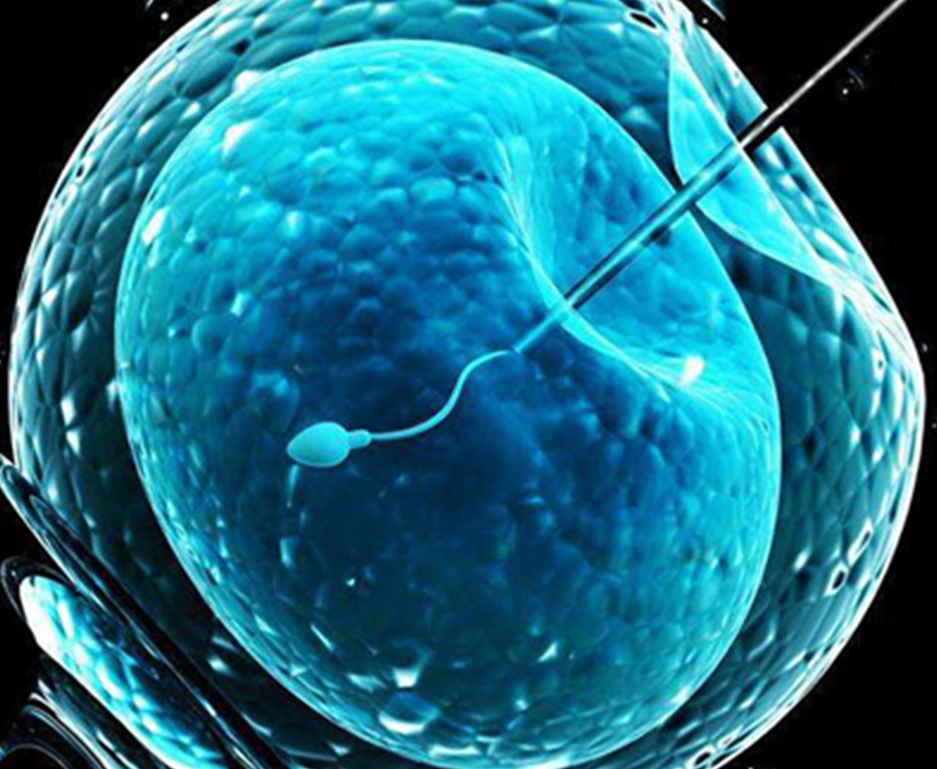
Intracytoplasmic Sperm Injection, typically required for male factor infertility. |
$1,500 - $2,500 |
| PGT-A Genetic Testing |
Biopsy and genetic analysis of embryos (per embryo, plus a base facility fee). |
$2,000 - $4,000 |
| Cryopreservation & Storage |
Freezing viable embryos and the first year of storage. |
$1,000 - $1,500 |
| Donor Egg IVF |
Utilizing donor oocytes, including donor compensation and agency fees. |
$25,000 - $40,000 |
| Gestational Surrogacy |
Agency, surrogate compensation, legal, and medical costs (highly variable). |
$100,000 - $180,000+ |
The geographical variation in pricing is a critical component of GEO (Geographic Search Optimization) when researching clinics. For instance, IVF costs in California and New York tend to sit at the higher end of the spectrum due to the elevated cost of living, higher laboratory operational costs, and significant demand for services. Conversely, clinics in the Midwest or Southern states may offer more competitive pricing structures without compromising on clinical outcomes. Intended parents often engage in "fertility tourism" within the United States, traveling from states with limited insurance mandates to those with comprehensive coverage or more affordable self-pay options.
Insurance Coverage and Financial Navigation
As of 2026, approximately 20 states in the US have mandated some form of infertility insurance coverage. States such as Massachusetts, Illinois, and Connecticut boast robust mandates that require group insurance plans to cover the diagnosis and treatment of infertility, including IVF. However, these mandates often come with strict eligibility criteria, such as a defined period of unexplained infertility or specific age limitations. Navigating these insurance labyrinths requires specialized expertise. Most reputable American IVF clinics employ dedicated financial counselors who verify benefits, explain out-of-pocket maximums, and structure payment plans. Additionally, many clinics offer shared risk or refund programs, where patients pay a premium upfront for multiple cycles; if a live birth is not achieved, a significant portion of the fees is refunded.
Selecting a US Fertility Clinic: Beyond the Success Rates
When evaluating which US clinic offers the optimal environment for successful conception, patients often default to analyzing the Centers for Disease Control and Prevention (CDC) and the Society for Assisted Reproductive Technology (SART) data. While these databases provide invaluable insights into a clinic's volume and success rates, relying solely on aggregate percentages can be misleading. A clinic that exclusively accepts patients under 35 with no underlying comorbidities will naturally report higher success rates than a clinic that serves as a referral center for complex infertility cases and recurrent pregnancy loss.
A comprehensive evaluation of a US fertility clinic should encompass several qualitative and quantitative metrics:
- Specialization in Specific Demographics: Some clinics have established Centers of Excellence for specific patient populations, such as oncofertility (fertility preservation for cancer patients), LGBTQ+ family building, or premature ovarian insufficiency (POI).
- Laboratory Accreditation: The embryology lab is the heart of an IVF clinic. Prospective patients should verify that the lab is accredited by the College of American Pathologists (CAP) and meets or exceeds the standards set by the Joint Commission. The lab's air quality control systems (HEPA filtration and volatile organic compound removal) are critical to embryo culture success.
- Physician Credentials: Ensuring the reproductive endocrinologist is board-certified by the American Board of Obstetrics and Gynecology (ABOG) in the subspecialty of Reproductive Endocrinology and Infertility guarantees that the physician has completed rigorous training and continuous education.
- Personalized Protocols: The era of "one size fits all" stimulation protocols is obsolete. Clinics that utilize pharmacogenomics to predict individual responses to gonadotropins, and those that tailor protocols based on ovarian reserve markers (AMH, AFC) and previous stimulation responses, generally yield better outcomes.
Notable American IVF Clinics and Their Clinical Characteristics
While it is subjective and clinically inaccurate to designate any single facility as the "best" due to the highly individualized nature of infertility, several US fertility networks and standalone clinics have demonstrated consistent clinical excellence, innovative research, and comprehensive patient care. Below is an objective overview of prominent fertility centers in the United States, highlighting their specific clinical focuses and operational philosophies.
CCRM Fertility Network
CCRM (Colorado Center for Reproductive Medicine) has expanded from its origins in Colorado into a nationwide network, with locations spanning from coast to coast. CCRM is recognized for its rigorous, data-driven approach to fertility treatment. The clinic places a heavy emphasis on scientific research and has contributed significantly to the advancement of PGT-A and blastocyst culture. CCRM is known for its proprietary IVF protocols and a highly structured laboratory environment that maintains strict quality control. Their integrated model includes in-house genetic counseling, donor egg services, and surrogacy coordination, making them a comprehensive choice for both domestic and international patients seeking streamlined, multi-disciplinary care.
Shady Grove Fertility
Operating primarily along the East Coast, Shady Grove Fertility is one of the largest fertility practices in the United States. The clinic's scale allows it to offer a vast array of specialized programs, including a robust donor egg program that significantly reduces wait times for recipients. Shady Grove is noted for its commitment to clinical research and its shared risk refund program, which provides patients with financial predictability. Their clinical approach often involves a team-based model, ensuring that patients benefit from the collective expertise of multiple reproductive endocrinologists. They also offer specialized programs for fertility preservation and have dedicated international patient coordinators to assist with cross-border medical care.
HRC Fertility (California)
HRC Fertility, with multiple locations throughout Southern California, has been a pioneer in reproductive medicine since the 1980s. HRC is particularly recognized for its contributions to the development of PGT and its early adoption of vitrification (flash-freezing) techniques, which have drastically improved embryo survival rates post-thaw. Given its geographic location, HRC is a major hub for international patients, particularly those from Asia, offering dedicated translation services and culturally sensitive care. The clinic provides a full spectrum of services, from basic ovulation induction to complex third-party reproduction, and maintains an active research division focused on improving clinical outcomes for older patients and those with diminished ovarian reserve.
New Hope Fertility Center (New York)
Located in Manhattan, New Hope Fertility Center has carved a distinct niche in the field by championing Natural Cycle IVF and Mini-IVF (minimal stimulation) protocols. Unlike conventional high-dose stimulation protocols, New Hope's philosophy centers on prioritizing egg and embryo quality over sheer quantity. This approach significantly reduces medication costs and minimizes the risk of OHSS, making it an attractive option for older women, those with low ovarian reserve, or patients who are poor responders to traditional gonadotropins. The clinic also features a state-of-the-art embryology laboratory and has been involved in groundbreaking research in fertility preservation and oocyte freezing.
Detailed Clinical Case Analyses
To illustrate the complexities of American IVF and the necessity of individualized care, it is instructive to examine anonymized clinical scenarios that reflect common challenges encountered in reproductive medicine.
Case Study 1: Advanced Maternal Age and Diminished Ovarian Reserve
Patient Profile: 42-year-old female, AMH of 0.4 ng/mL, Day 3 FSH of 15 mIU/mL. Two previous failed IVF cycles at an outside clinic using high-dose gonadotropins (450 IU of FSH daily), resulting in a total of 3 mature oocytes and no blastocysts for transfer.
Clinical Intervention: The patient presented to a US clinic specializing in low-responder protocols. The reproductive endocrinologist discontinued the aggressive stimulation approach, which was likely causing premature luteinization and follicular burnout. Instead, the patient was placed on a "duo-stimulation" protocol. This involved an antagonist cycle using mild stimulation (150 IU of FSH), followed immediately by a luteal phase stimulation using a different gonadotropin combination. This dual approach aimed to recruit follicles from two distinct waves of follicular recruitment within a single menstrual cycle.
Outcome: The mild antagonist cycle yielded 2 mature oocytes, while the luteal phase stimulation yielded 3 mature oocytes. All 5 oocytes were fertilized using ICSI. Two embryos reached the blastocyst stage and underwent PGT-A. One embryo was identified as euploid (chromosomally normal). Following a hormone replacement therapy (HRT) frozen embryo transfer protocol, the patient achieved a singleton pregnancy and delivered a healthy infant at 39 weeks. This case underscores that for older patients with diminished ovarian reserve, a paradigm shift from quantity to quality, utilizing milder, physiology-based protocols, can yield superior results.
Case Study 2: Recurrent Implantation Failure and Immune Modulation
Patient Profile: 34-year-old female with unexplained infertility and two failed euploid frozen embryo transfers. Hysterosalpingogram (HSG) and saline sonogram were normal, ruling out anatomical uterine anomalies.
Clinical Intervention: The patient underwent an endometrial receptivity analysis (ERA), which revealed a displaced window of implantation (WOI) requiring an additional 24 hours of progesterone exposure prior to transfer. Additionally, given the recurrent implantation failure (RIF), the clinic's reproductive immunology team conducted a comprehensive immune panel, revealing elevated Natural Killer (NK) cells and an abnormal Th1/Th2 cytokine ratio.
Treatment Plan: The subsequent frozen embryo transfer was meticulously timed according to the ERA results. To address the immune dysregulation, the patient was prescribed a course of intralipid therapy and low-dose prednisolone, initiated one week prior to the embryo transfer and continued through the first trimester. Low-dose aspirin and subcutaneous heparin were also added to optimize uterine blood flow and mitigate any localized micro-thrombotic events.
Outcome: The personalized timing of the transfer, combined with immune modulation, resulted in successful implantation. The patient's beta-hCG levels rose appropriately, and a viable intrauterine pregnancy was confirmed at 7 weeks. This scenario highlights the importance of investigating the endometrial microbiome and immune environment in cases of unexplained RIF, moving beyond the embryo-centric view of IVF success.
Common Misconceptions in IVF Treatment
The proliferation of information on the internet has led to the entrenchment of several misconceptions regarding IVF treatment in the USA. Dispelling these myths is crucial for setting realistic clinical expectations and alleviating unnecessary patient anxiety.
Misconception 1: IVF guarantees a baby.
While IVF significantly increases the probability of conception for infertile couples, it is not an absolute guarantee. Success is intrinsically tied to the age of the egg provider, ovarian reserve, sperm quality, and uterine receptivity. Even with a chromosomally normal (euploid) embryo, the implantation rate per transfer typically ranges between 60% and 70%, meaning a subset of patients will still experience failure. IVF should be viewed as a series of probabilistic steps rather than a singular assured outcome.
Misconception 2: Bed rest is required after embryo transfer.
Historically, patients were advised to remain on strict bed rest for several days following an embryo transfer. Modern reproductive endocrinology firmly rejects this practice. Extensive clinical studies have demonstrated that prolonged bed rest does not improve implantation rates and may actually increase the risk of deep vein thrombosis (DVT) and psychological distress. Patients are encouraged to resume normal, low-impact daily activities immediately following the transfer, as blood flow to the uterus is optimized by gentle movement.
Misconception 3: IVF hormones cause early menopause.
A common concern is that the medications used to stimulate the ovaries will deplete a woman's natural ovarian reserve, leading to premature menopause. This is physiologically inaccurate. Each menstrual cycle, a cohort of follicles begins to develop, but typically only one dominant follicle ovulates while the rest undergo atresia (natural cell death). IVF gonadotropins simply rescue the follicles that would have otherwise degenerated, bringing them to maturity. The medications do not tap into the dormant primordial follicle pool, and therefore do not accelerate the onset of menopause.
Preconception Care and Daily Prevention Strategies
While clinical interventions are paramount, the foundation of a successful IVF cycle is often laid months before the first injection is administered. Optimizing the physiological environment of both partners through lifestyle modifications and nutritional supplementation can significantly impact gamete quality and subsequent embryo viability.
Nutritional Optimization
The Mediterranean diet has been extensively studied in the context of fertility and has consistently shown positive correlations with IVF success. This dietary pattern, rich in anti-inflammatory foods, emphasizes the consumption of extra virgin olive oil, nuts, legumes, whole grains, and fatty fish high in Omega-3 polyunsaturated fatty acids. Conversely, high consumption of trans fats, refined carbohydrates, and excessive red meat has been linked to poorer ovarian response and lower implantation rates.
Targeted Supplementation
- Folic Acid and Methylfolate: Supplementation with at least 400 micrograms of folic acid daily is universally recommended to prevent neural tube defects. For patients with the MTHFR gene mutation, methylfolate is often substituted for better bioavailability.
- Coenzyme Q10 (Ubiquinol): This mitochondrial antioxidant plays a critical role in cellular energy production. Supplementation is frequently recommended for women over 35 and those with diminished ovarian reserve to improve oocyte energy reserves, which are vital for proper chromosomal segregation during meiosis.
- Vitamin D: Serum 25-hydroxyvitamin D levels should be optimized to between 30 and 50 ng/mL. Vitamin D receptors are present in the endometrium and ovaries, and deficiency has been correlated with lower IVF success rates and adverse pregnancy outcomes.
- Male Fertility Vitamins: Male partners should not be overlooked. Antioxidants such as Vitamin C, Vitamin E, selenium, and zinc can mitigate oxidative stress in the seminal environment, improving sperm DNA fragmentation indices, which is crucial for embryo development.
Lifestyle and Environmental Modifications
Smoking cessation is non-negotiable. Both active and passive smoking accelerate ovarian follicular depletion and induce DNA damage in oocytes. Alcohol consumption, even in moderate amounts, has been associated with decreased IVF success, and complete abstinence is advised during treatment. Furthermore, managing environmental endocrine disruptors—such as avoiding BPA-containing plastics, phthalates in personal care products, and parabens—can reduce the burden of xenoestrogens that may interfere with the delicate hormonal balance required for implantation.
Psychological stress management is another critical, yet often under-addressed, component of preconception care. While the direct causal link between stress and IVF failure remains debated, elevated cortisol levels can disrupt the hypothalamic-pituitary-gonadal axis. Incorporating mindfulness-based stress reduction (MBSR), cognitive behavioral therapy (CBT), or acupuncture into the treatment protocol has been shown to improve patient coping mechanisms and, in some studies, modestly improve clinical pregnancy rates.
Navigating International IVF: Considerations for Cross-Border Patients
The United States remains a premier destination for cross-border reproductive care (CBRC). International patients are drawn to the US not only for the advanced medical technology but also for the favorable legal framework surrounding third-party reproduction, such as egg donation and gestational surrogacy, which are heavily restricted or illegal in many other nations.
Legal and Logistical Frameworks
For international intended parents, navigating the US medical system requires meticulous logistical planning. Most prominent US clinics have dedicated international departments to facilitate this process. These coordinators assist with scheduling initial video consultations, arranging for the translation and transfer of previous medical records, and coordinating remote monitoring at local fertility clinics in the patient's home country.
Remote monitoring allows patients to undergo the initial phase of ovarian stimulation in their home country, requiring them to travel to the United States only for the actual egg retrieval and subsequent embryo transfer. This significantly reduces the amount of time the patient must spend away from home, lowering accommodation costs and minimizing disruption to their personal and professional lives.
When donor eggs or gestational surrogates are required, the legal landscape in the US is highly favorable, though it varies by state. States such as California, Nevada, and Illinois have established legal precedents and statutory frameworks that rigorously protect the parental rights of intended parents, regardless of genetic connection. This means that intended parents can be listed directly on the birth certificate, bypassing the complex adoption procedures required in many other jurisdictions. Engaging an independent reproductive attorney is a mandatory step in this process to draft and review contracts, establish escrow accounts for the surrogate, and secure pre-birth orders.
Cultural and Linguistic Competence
Reputable American IVF clinics recognize that cultural competence is integral to international patient care. Clinics in major hubs like Los Angeles, New York, and Texas often employ multilingual patient liaisons who speak Mandarin, Spanish, Russian, and Arabic. These liaisons do more than translate medical jargon; they bridge cultural gaps, assist with dietary accommodations during the stay, and help patients navigate the local geography, ensuring that the clinical focus remains uninterrupted by external stressors.
The Future Trajectory of Reproductive Medicine Post-2026
Looking beyond 2026, the horizon of American IVF is punctuated by several promising avenues of research that promise to further refine and expand the possibilities of fertility treatment.
In Vitro Gametogenesis (IVG): One of the most revolutionary frontiers is the development of IVG, a process where somatic cells (such as skin or blood cells) are reprogrammed into induced pluripotent stem cells (iPSCs) and subsequently differentiated into functional sperm or oocytes. While currently confined to laboratory research and not yet approved for human clinical use, IVG holds the potential to completely redefine the parameters of biological reproduction. It could theoretically allow individuals who produce no viable gametes—such as those who have undergone sterilizing cancer treatments, post-menopausal women, or same-sex couples—to conceive biological children sharing both partners' genetics.
Artificial Wombs and Ectogenesis: Partial ectogenesis, utilizing biobags or artificial amniotic environments, is another area of active bioengineering research. While the ethical implications are profound, the clinical goal is not to replace human gestation entirely, but rather to provide a life-saving bridge for extremely premature infants. In the distant future, however, this technology could intersect with IVF to offer an alternative for women who cannot carry a pregnancy due to uterine factor infertility, though this remains a topic of intense bioethical debate.
Stem Cell Therapy for Endometrial Receptivity: Clinical trials are currently exploring the use of endometrial stem cell therapies to treat Asherman’s syndrome (intrauterine adhesions) and thin endometrium. By injecting autologous stem cells derived from the patient's own bone marrow or menstrual blood into the uterine lining, researchers aim to regenerate functional endometrial tissue, thereby creating a receptive environment for embryo implantation where conventional hormonal therapies have failed.
Comprehensive Care and Psychological Support
The journey through infertility is inherently a holistic experience, demanding care that extends far beyond the physical administration of injections and the technical execution of laboratory procedures. The psychological burden of infertility has been documented to parallel that of severe chronic illnesses such as cancer and HIV. Therefore, a truly comprehensive US fertility clinic integrates robust mental health services as a standard of care, rather than an ancillary option.
Psychological support should be initiated at the time of diagnosis and woven throughout the treatment continuum. Fertility counselors specialized in reproductive psychology assist patients in navigating the grief of failed cycles, the anxiety of the "two-week wait" between embryo transfer and the pregnancy test, and the complex emotional dynamics of utilizing donor gametes or gestational carriers. Support groups, both in-person and virtual, provide a vital community where patients can share their experiences with others who understand the unique nuances of the infertility struggle.
Furthermore, the concept of the "fertility wellness team" has gained significant traction. This multidisciplinary approach integrates acupuncturists, nutritionists, and physical therapists specializing in pelvic floor health. Acupuncture, in particular, has been widely adopted as an adjunctive therapy. While clinical data regarding its direct impact on IVF success rates remains mixed, evidence strongly supports its efficacy in reducing patient anxiety, mitigating the side effects of gonadotropins, and improving overall patient well-being during the physically demanding stimulation phase.
Strategic Decision-Making for Intended Parents
For those embarking on the path of American IVF in 2026, the sheer volume of information and choices can be overwhelming. A strategic, methodical approach to decision-making is essential to optimize both clinical outcomes and financial investments.
Step 1: Comprehensive Diagnostic Baseline. Before committing to any clinic, patients must ensure they have a complete, up-to-date diagnostic profile. This includes a recent Anti-Müllerian Hormone (AMH) level, an Antral Follicle Count (AFC) via high-resolution ultrasound, a hysterosalpingogram or saline sonogram to evaluate uterine cavity integrity, and a comprehensive semen analysis utilizing strict Kruger morphology criteria. Advanced sperm testing, such as the sperm chromatin structure assay (SCSA) to evaluate DNA fragmentation, is increasingly recommended, as standard semen parameters can sometimes mask underlying genetic damage.
Step 2: Second Opinions and Consultations. It is highly advisable to seek consultations with at least two to three different reproductive endocrinologists. Different physicians may interpret the same clinical data through different philosophical lenses, proposing vastly divergent stimulation protocols or diagnostic interventions. Many US clinics offer virtual consultations, allowing out-of-state and international patients to gather multiple expert opinions without the burden of travel.
Step 3: Financial Transparency. Before signing a consent form, patients must demand absolute financial transparency. This involves requesting a detailed, itemized estimate of all potential costs, including the "what-if" scenarios (e.g., the cost of a canceled cycle, the cost of converting an IUI to an IVF cycle, or the fees associated with managing OHSS). Understanding the clinic's policy on shared risk programs and the specific terms of their cryopreservation storage agreements is critical to avoiding unforeseen financial burdens down the line.
Step 4: Trusting Clinical Intuition. While data and statistics are foundational, the interpersonal dynamic between the patient and the clinical team cannot be quantified. Patients should evaluate how effectively the nursing staff communicates, the responsiveness of the financial coordinators, and the overall atmosphere of the clinic. A clinic that fosters an environment of empathy, respect, and open communication can significantly mitigate the emotional toll of the IVF process.
In conclusion, navigating IVF treatment in the USA requires a synthesis of advanced medical knowledge, financial acumen, and emotional resilience. The American medical system, with its emphasis on technological innovation and individualized care, offers unparalleled opportunities for intended parents to achieve their dreams of building a family. By thoroughly understanding the cost of IVF in America, objectively evaluating clinic characteristics, and engaging in proactive preconception care, patients can empower themselves to make informed, strategic decisions on their path to parenthood. The landscape of reproductive medicine will continue to evolve, but the fundamental principles of rigorous scientific inquiry, compassionate patient care, and personalized clinical protocols remain the bedrock of successful fertility treatment.