The landscape of assisted reproductive technology is continuously evolving, and as we navigate through 2026, American in vitro fertilization (IVF) stands at the forefront of global reproductive medicine. Intended parents from across the United States and around the world frequently look toward American fertility clinics for their high success rates, advanced laboratory technologies, and comprehensive care options. Understanding the financial implications, geographic locations, and clinical nuances of IVF in the USA is essential for anyone embarking on a family-building journey. The cost of IVF in 2026 reflects not only the medical procedures themselves but also the integration of cutting-edge genetic testing, artificial intelligence in embryo selection, and personalized medication protocols. Navigating this complex medical ecosystem requires a thorough breakdown of expenses, regional differences, and the specific offerings of various reproductive endocrinology clinics.
The Current State of American IVF in 2026
In 2026, the American IVF industry is characterized by the widespread adoption of artificial intelligence (AI) and machine learning algorithms in the embryology laboratory. These technologies assist embryologists in identifying morphokinetic anomalies during embryo development, allowing for the selection of embryos with the highest implantation potential. Furthermore, non-invasive preimplantation genetic testing for aneuploidy (niPGT-A) is becoming more accessible, offering a glimpse into the future of genetic screening without the need for trophectoderm biopsy. These advancements contribute to the overall IVF cost in the USA, but they also significantly improve the efficiency of treatment, often reducing the number of cycles required to achieve a successful pregnancy.
The demand for fertility preservation, donor egg IVF, and gestational surrogacy continues to rise. American fertility clinics are uniquely positioned to accommodate these needs due to favorable legal frameworks in certain states, particularly concerning surrogacy and donor compensation. As a result, the USA remains a premier destination for cross-border reproductive care. Patients seeking IVF in America in 2026 can expect a highly regulated, transparent, and technologically advanced medical environment, though the financial investment remains substantial. A comprehensive understanding of the pricing structures, insurance mandates, and regional clinic specialties is paramount for effective family planning.
Understanding the Cost of IVF in the USA for 2026
The cost of IVF in the USA is one of the most frequently discussed topics among intended parents. In 2026, the average base cost for a single IVF cycle ranges from $12,000 to $15,000. This base fee typically covers ovarian stimulation monitoring, egg retrieval surgery, sperm preparation, and the fertilization process in the laboratory. However, a base cycle rarely encompasses all the necessary components for a successful outcome. Additional services and advanced technologies often increase the total out-of-pocket expenses.
Breakdown of IVF Expenses
To accurately budget for American IVF, patients must itemize the potential costs involved. The following table outlines the estimated costs of various components associated with a standard IVF cycle in 2026:
| Service Component |
Estimated Cost (USD) |
Description |
| Base IVF Cycle |
$12,000 - $15,000 |
Includes ultrasounds, blood work, egg retrieval, and basic embryo culture. |
| Anesthesia Fees |
$500 - $1,000 |
Required for the egg retrieval procedure to ensure patient comfort. |
| ICSI (Intracytoplasmic Sperm Injection) |
$1,500 - $2,500 |
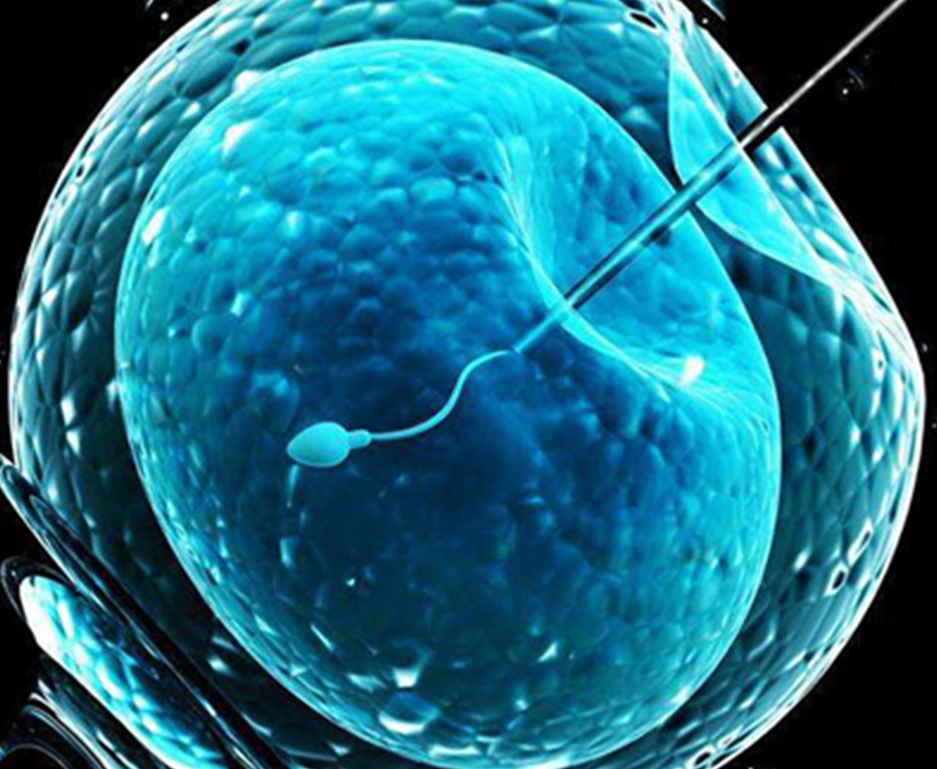
Recommended for male factor infertility; involves injecting a single sperm directly into the egg. |
| PGT-A (Preimplantation Genetic Testing) |
$3,000 - $5,000 |
Biopsy and genetic analysis of embryos to identify chromosomal abnormalities. |
| Frozen Embryo Transfer (FET) |
$3,000 - $5,000 |
The medical procedure of thawing and transferring a genetically normal embryo into the uterus. |
| Medications |
$3,000 - $6,000 |
Gonadotropins and other injectable drugs used for ovarian stimulation. Highly variable based on protocol. |
| Egg Donor Compensation |
$8,000 - $15,000 |
Compensation for the donor's time, effort, and discomfort (does not include agency or screening fees). |
| Gestational Surrogacy Agency Fee |
$20,000 - $30,000 |
Coordination, matching, and case management services for surrogacy arrangements. |
Factors Influencing the Total Cost
Several variables dictate the final price tag of an IVF journey. Geographic location plays a significant role; clinics located in major metropolitan areas such as New York, Los Angeles, and Chicago often charge higher fees due to increased overhead costs and higher demand. Conversely, clinics in the Midwest or Southern regions may offer slightly more competitive pricing without compromising on clinical outcomes.
The patient's specific medical diagnosis is another critical factor. Women with diminished ovarian reserve (DOR) or polycystic ovary syndrome (PCOS) may require higher doses of gonadotropins, driving up medication costs. Similarly, men with severe male factor infertility will necessitate ICSI, and potentially testicular sperm extraction (TESE), adding to the overall expense. The need for donor eggs, donor sperm, or gestational surrogacy will substantially alter the financial landscape, often bringing the total cost of a comprehensive family-building program to over $100,000.
Geographic Optimization: Where to Go for IVF in the USA
Choosing the right location for fertility treatment involves balancing clinical expertise, legal considerations, and financial logistics. The United States offers a diverse array of fertility hubs, each with distinct advantages. When considering where to go for IVF in 2026, intended parents should evaluate the regional specializations, state insurance mandates, and the concentration of specialized medical professionals.
California: A Hub for Comprehensive Reproductive Care
California has long been recognized as a global leader in assisted reproductive technology. The state is particularly renowned for its inclusive and supportive legal environment regarding gestational surrogacy and LGBTQ+ family building. Intended parents seeking third-party reproduction services often gravitate toward Los Angeles, San Francisco, and San Diego. The concentration of highly experienced egg donor agencies, surrogacy matching services, and reproductive law attorneys in California streamlines the complex logistics of third-party IVF.
From a medical standpoint, California fertility clinics are early adopters of new technologies. The region boasts a high number of clinics offering comprehensive chromosomal screening, endometrial receptivity analysis (ERA), and specialized protocols for recurrent pregnancy loss. The cost of IVF in California tends to be at the higher end of the national spectrum, reflecting the premium nature of the services and the high cost of operating medical facilities in the state.
The Northeast: Cutting-Edge Research and Insurance Mandates
The Northeastern United States, encompassing New York, New Jersey, Massachusetts, and Connecticut, is characterized by a dense network of academic medical centers and private fertility clinics. This region is known for its rigorous clinical research and access to highly specialized reproductive endocrinologists. Patients with complex medical histories, such as severe endometriosis, uterine factor infertility, or rare genetic disorders requiring PGT-M (preimplantation genetic testing for monogenic disorders), often seek care in this region.
A significant financial advantage of the Northeast is the presence of strong state insurance mandates. States like Massachusetts, New York, and Connecticut require insurance companies to cover infertility treatments, including IVF. For residents of these states, the out-of-pocket IVF cost can be drastically reduced, making high-quality care more accessible. This insurance coverage often extends to diagnostic testing, medication, and the IVF procedure itself, though restrictions on the number of covered cycles may apply.
The Midwest: High Success Rates and Cost-Effective Care
The Midwest, including Illinois, Ohio, and Minnesota, offers a compelling combination of high IVF success rates and relatively moderate pricing. Illinois, in particular, has a robust insurance mandate that covers IVF for patients meeting specific criteria. Clinics in Chicago and the surrounding suburbs are highly regarded for their clinical outcomes and patient-centered care models.
Midwestern clinics often have lower overhead costs compared to their coastal counterparts, which can translate to more affordable base cycle fees and medication costs. Patients traveling from states without insurance mandates often find that seeking treatment in the Midwest provides a balance of clinical excellence and financial feasibility. The region also features several clinics with highly developed donor egg programs, offering both fresh and frozen donor egg options with shorter wait times than typically seen in coastal markets.
The South: Emerging Fertility Centers and Favorable Climate
States such as Texas, Florida, and Georgia have seen significant growth in their fertility clinic networks. Texas, with major medical centers in Houston, Dallas, and Austin, offers a wide variety of clinic sizes and specialties. The state has become a destination for patients seeking personalized care, with many clinics offering in-house financial counseling and customized payment plans.
Florida attracts a large number of international patients due to its geographic accessibility, favorable climate, and multilingual medical staff. Clinics in Miami and Orlando are well-versed in coordinating care for cross-border patients, assisting with travel logistics, local accommodations, and remote monitoring protocols that minimize the time patients must spend away from home. The cost of IVF in the South is generally competitive, with many clinics offering shared risk or refund programs that provide financial protection if a live birth is not achieved.
Notable Fertility Clinics in the United States
When selecting a fertility clinic, intended parents should review clinical success rates, physician credentials, laboratory accreditation, and patient reviews. The Society for Assisted Reproductive Technology (SART) provides a comprehensive database of clinic outcomes, which is an invaluable resource for prospective patients. Below are objective overviews of several established fertility clinic networks in the United States, highlighting their operational characteristics and clinical focuses.
HRC Fertility
HRC Fertility operates multiple clinics throughout Southern California. The network is recognized for its extensive experience in third-party reproduction and LGBTQ+ family building. HRC Fertility maintains an in-house egg donor agency and a dedicated team for gestational surrogacy coordination, which helps streamline the legal and medical processes for intended parents. Their laboratories are equipped with continuous time-lapse imaging systems for embryo monitoring. HRC Fertility also participates in ongoing clinical research, offering patients access to investigational protocols and advanced genetic screening options. The clinic network provides various financial programs, including egg sharing and refund guarantees, to assist patients in managing the cost of treatment.
CCRM Fertility
CCRM Fertility is a national network with locations spanning across the United States, including Colorado, Texas, New York, and California. The network is known for its integrated model of care, combining reproductive endocrinology, urology, and reproductive genetics under one system. CCRM operates its own genetics laboratory, allowing for rapid turnaround times on PGT-A and PGT-M results. The clinic network utilizes a proprietary algorithm for embryo grading and selection. CCRM Fertility offers a comprehensive financial program known as the Guaranteed Pregnancy Plan, which provides a refund of certain fees if a successful pregnancy is not achieved after a specified number of cycles. This structured financial approach appeals to patients seeking predictability in their IVF expenses.
Shady Grove Fertility
Shady Grove Fertility is one of the largest fertility practices in the United States, with a significant presence in the Mid-Atlantic region, including Maryland, Pennsylvania, Virginia, and Washington, D.C. The practice is recognized for its robust donor egg program, offering both a traditional fresh donor egg program and a frozen donor egg bank. Shady Grove Fertility provides a wide array of financial options, including shared risk refund programs for IVF, donor egg, and donor embryo treatments. The clinic emphasizes a team-based approach to patient care, utilizing specialized nursing staff and financial counselors to guide patients through the treatment process. Their large volume of cycles allows for significant clinical experience across a wide range of infertility diagnoses.
RMA (Reproductive Medicine Associates)
RMA is a network of fertility clinics with a strong presence in New York, New Jersey, Pennsylvania, and other states. The network is highly regarded for its contributions to reproductive science and its commitment to evidence-based clinical protocols. RMA clinics emphasize single embryo transfer (SET) to reduce the risks associated with multiple pregnancies, supported by their advanced embryology laboratories and genetic testing capabilities. The network conducts in-house research on endometrial receptivity, embryo development, and ovarian stimulation protocols. RMA provides patients with detailed financial counseling and offers shared risk programs, as well as assistance with navigating insurance benefits, particularly for patients in states with comprehensive infertility mandates.
Patient Journey and Clinical Case Analysis
To illustrate the practical application of these concepts, it is helpful to examine representative clinical scenarios. These anonymized cases reflect common patient experiences in American IVF clinics in 2026, highlighting the integration of medical protocols, financial considerations, and geographic logistics.
Case 1: Diminished Ovarian Reserve and PGT-A Utilization
A 39-year-old female patient presented with a history of unexplained infertility and a recent diagnosis of diminished ovarian reserve. Her initial evaluation revealed an Anti-Müllerian Hormone (AMH) level of 0.6 ng/mL and an Antral Follicle Count (AFC) of 5. The patient and her partner sought treatment at a clinic in the Midwest to take advantage of competitive pricing and a strong insurance mandate in their home state.
The reproductive endocrinologist recommended a microdose flare protocol to maximize ovarian response. The patient underwent two ovarian stimulation cycles to accumulate a sufficient number of blastocysts for genetic testing. In the first cycle, two eggs were retrieved, resulting in one blastocyst. In the second cycle, three eggs were retrieved, resulting in two blastocysts. The three blastocysts were biopsied and sent for PGT-A. Genetic analysis revealed that one embryo was euploid (chromosomally normal), while the other two were aneuploid.
The patient subsequently underwent a frozen embryo transfer (FET) protocol, utilizing estrogen and progesterone to prepare the endometrium. The euploid embryo was transferred, and a pregnancy was confirmed via rising hCG levels. An ultrasound at eight weeks confirmed a viable intrauterine pregnancy with a positive fetal heartbeat. The total cost for this patient, including two stimulation cycles, medications, PGT-A, and the FET, was approximately $35,000. However, due to the state insurance mandate, the patient's out-of-pocket expenses were limited to her standard deductibles and co-pays, totaling around $4,000.
Case 2: LGBTQ+ Family Building via Gestational Surrogacy in California
A married same-sex male couple residing in Europe sought gestational surrogacy in the United States due to restrictive laws in their home country. They selected a clinic in California because of the state's established legal framework, which allows intended parents to establish legal parentage prior to the birth of the child, regardless of genetic connection or marital status.
The couple utilized an egg donor from an in-house agency affiliated with their clinic. The donor underwent ovarian stimulation, yielding 18 eggs. The eggs were fertilized using sperm from one of the intended fathers. The resulting embryos were cultured to the blastocyst stage and underwent PGT-A. Six euploid embryos were identified and vitrified for future use.
The couple was matched with a gestational carrier through a surrogacy agency. The carrier underwent a comprehensive medical and psychological screening. Once medically cleared, she began a medicated FET cycle. A single euploid embryo was transferred. The pregnancy progressed without complications. The total cost for this journey, including egg donor compensation, agency fees, IVF medical costs, PGT-A, gestational carrier compensation, legal fees, and insurance for the carrier, totaled approximately $180,000. The intended parents remained in Europe for the majority of the process, traveling to California only for the initial consultation, the egg retrieval (to provide sperm), and the birth of their child.
Navigating IVF Medications and Protocols
The pharmaceutical component of IVF is a critical determinant of both clinical success and financial expense. In 2026, the landscape of fertility medications remains dominated by recombinant and highly purified gonadotropins. The specific protocol chosen by the reproductive endocrinologist is tailored to the patient's ovarian reserve, age, and previous IVF history.
Common Ovarian Stimulation Protocols
- Antagonist Protocol: The most widely used protocol in modern IVF. It involves the administration of gonadotropins (FSH and LH) from day 2 or 3 of the menstrual cycle, followed by the addition of a GnRH antagonist (such as Cetrotide or Ganirelix) around day 5 or 6 to prevent premature ovulation. This protocol is favored for its flexibility and its ability to reduce the risk of Ovarian Hyperstimulation Syndrome (OHSS).
- Agonist Protocol (Long Lupron): Traditionally used for patients with normal ovarian reserve. It involves down-regulating the pituitary gland with a GnRH agonist (Lupron) starting in the luteal phase of the preceding cycle. While highly effective at preventing premature ovulation, it requires a longer duration of medication and may suppress ovarian response in sensitive patients.
- Microdose Flare Protocol: Specifically designed for patients with diminished ovarian reserve. Low doses of a GnRH agonist are administered in the early follicular phase to create an initial surge of endogenous FSH and LH, followed by high doses of exogenous gonadotropins. This approach aims to recruit as many follicles as possible in a low-responding ovary.
The cost of these medications can range from $3,000 to over $6,000 per cycle. Patients are often advised to utilize specialty pharmacies that focus exclusively on fertility drugs. These pharmacies sometimes offer discount programs, medication bundling, or financial assistance for self-pay patients, which can help mitigate the high cost of gonadotropins.
Misconceptions and Realities in Assisted Reproduction
The field of IVF is surrounded by misconceptions that can cause unnecessary anxiety or lead to unrealistic expectations. Addressing these myths with scientific facts is a crucial part of patient education.
Misconception 1: IVF completely reverses age-related infertility
While IVF is a powerful tool for overcoming various causes of infertility, it cannot stop the biological clock. The success of IVF is heavily dependent on the age of the egg. Women using their own eggs at age 43 or older face significantly lower success rates compared to women under 35. This is primarily due to the high rate of embryonic aneuploidy (chromosomal abnormalities) associated with advanced maternal age. IVF facilitates fertilization and implantation, but it cannot improve the intrinsic genetic quality of the oocytes. For older patients, the use of donor eggs often provides the highest probability of a successful pregnancy.
Misconception 2: Bed rest is required after embryo transfer
Historically, patients were advised to remain on strict bed rest for several days following an embryo transfer. Modern reproductive medicine has completely debunked this practice. Extensive clinical studies have demonstrated that prolonged bed rest does not improve implantation rates and may actually increase the risk of blood clots and psychological stress. Patients are advised to resume normal, light activities immediately after the transfer, avoiding only strenuous exercise or heavy lifting until the pregnancy is confirmed.
Misconception 3: IVF always results in multiple pregnancies (twins or triplets)
In the early days of IVF, multiple embryos were routinely transferred to increase the chances of pregnancy, leading to high rates of twins and triplets. In 2026, the standard of care in American fertility clinics is elective single embryo transfer (eSET), particularly when PGT-A has confirmed the embryo is euploid. Transferring a single, genetically normal embryo yields nearly the same pregnancy success rate as transferring multiple untested embryos, while drastically reducing the risk of multiple pregnancies. Multiple pregnancies carry higher risks of premature birth, low birth weight, and maternal complications.
Daily Care, Prevention, and Lifestyle Optimization
The period leading up to an IVF cycle is critical for optimizing both egg and sperm quality. Patients are encouraged to adopt lifestyle modifications that create a favorable environment for conception and pregnancy. While lifestyle changes cannot cure severe structural or genetic infertility, they can positively influence the epigenetic profile of gametes and improve overall treatment outcomes.
Nutritional Interventions
A Mediterranean-style diet, rich in anti-inflammatory foods, is frequently recommended by reproductive endocrinologists. This dietary pattern emphasizes the consumption of vegetables, fruits, whole grains, legumes, nuts, and olive oil, while limiting red meat and processed foods. High intake of omega-3 fatty acids, found in fatty fish and flaxseeds, has been associated with improved embryo morphology in some studies. Conversely, high consumption of trans fats and refined sugars is linked to poorer ovarian response and increased risk of ovulatory infertility.
Patients should ensure adequate intake of folic acid, typically at a dose of 400 to 800 micrograms per day, to prevent neural tube defects. Depending on individual blood work, physicians may also recommend supplementation with Vitamin D, Coenzyme Q10 (CoQ10), and DHEA. CoQ10, an antioxidant, is thought to improve mitochondrial function in aging oocytes, potentially enhancing embryo quality in older patients. However, all supplements should be taken under medical supervision, as dosages must be tailored to the individual's specific physiological needs.
Physical Activity and Weight Management
Maintaining a Body Mass Index (BMI) within the normal range (18.5 to 24.9) is beneficial for IVF success. Both underweight and obese patients may experience altered hormone levels, which can affect ovarian response and endometrial receptivity. Obesity is also associated with an increased risk of miscarriage and pregnancy complications such as gestational diabetes and preeclampsia.
Moderate physical activity, such as brisk walking, swimming, or yoga, is encouraged during the pre-IVF period. However, during ovarian stimulation, patients are advised to avoid high-impact exercises and heavy lifting. As the ovaries enlarge due to follicular growth, they become susceptible to torsion (twisting), a painful medical emergency. Once the IVF cycle is complete and pregnancy is confirmed, patients can usually return to their normal exercise routines with their obstetrician's approval.
Psychological Well-being
The emotional toll of infertility and IVF is well-documented. The hormonal fluctuations, financial pressure, and uncertainty of outcomes can lead to significant stress, anxiety, and depression. Psychological support is not merely an adjunct to medical treatment; it is an integral component of comprehensive fertility care.
Patients are encouraged to seek counseling from therapists specializing in reproductive health. Support groups, both in-person and online, provide a sense of community and shared experience. Mindfulness practices, meditation, and acupuncture have been studied for their potential to reduce stress during IVF. While the direct impact of these therapies on live birth rates remains a subject of ongoing research, their positive effect on patient well-being and coping mechanisms is widely recognized.
Financial Planning and Insurance Navigation
The high cost of American IVF necessitates careful financial planning. Understanding insurance benefits and exploring alternative financing options can make treatment more accessible.
Understanding State Insurance Mandates
As of 2026, approximately 20 states in the USA have passed laws requiring insurance companies to cover or offer coverage for infertility diagnosis and treatment. The specifics of these mandates vary significantly. Some states, like Massachusetts and Illinois, mandate comprehensive coverage, including IVF, for large group employers. Other states may only require coverage for diagnostics or mandate that employers offer a policy that includes IVF, without requiring the employer to actually purchase it.
Furthermore, these mandates often come with strict eligibility criteria. Patients may be required to demonstrate a specific duration of unexplained infertility (e.g., 12 months for women under 35, 6 months for women over 35) or have a documented medical condition preventing natural conception. Patients must thoroughly review their specific insurance policy documents, as self-funded employer plans are often exempt from state insurance mandates under the Employee Retirement Income Security Act (ERISA).
Financing Options and Shared Risk Programs
For patients without insurance coverage, fertility clinics offer various financial programs to spread out the cost or provide financial protection. Shared risk or refund programs are popular options. In these programs, patients pay a lump sum upfront for a package of multiple IVF cycles (often two or three fresh cycles and associated frozen transfers). If the patient achieves a successful live birth, the clinic keeps the fee. If the patient does not achieve a live birth after utilizing all cycles in the package, a significant portion of the fee (usually excluding medication and third-party costs) is refunded to the patient.
Medical loans specifically designed for fertility treatments are also widely available. Companies specializing in healthcare financing offer loans with fixed interest rates and extended repayment terms. Some clinics offer in-house payment plans or discounts for self-pay patients who pay the full cycle fee upfront. Patients should carefully read the terms and conditions of any financial agreement, paying close attention to cancellation policies, refund triggers, and what constitutes a "successful" outcome (e.g., positive heartbeat vs. live birth).
International Patient Considerations
The United States remains a primary destination for international patients seeking advanced reproductive care, particularly for those requiring donor eggs, gestational surrogacy, or specialized genetic testing. Cross-border reproductive care requires meticulous coordination to ensure legal compliance, medical safety, and logistical efficiency.
Remote Monitoring and Logistics
To minimize the time international patients must spend in the USA, many clinics have established remote monitoring partnerships. Patients can undergo the initial consultation, baseline ultrasounds, and some stimulation monitoring in their home country. The results are securely transmitted to the American clinic for review. Patients typically travel to the USA approximately one week before the expected egg retrieval, allowing for final monitoring and the trigger shot.
For legal and medical reasons, gestational surrogacy journeys often require the intended parents to be present in the USA for specific milestones, such as the establishment of legal parentage and the birth of the child. International patients must secure appropriate medical visas and arrange for extended accommodations. Clinics specializing in cross-border care often employ dedicated international patient coordinators who assist with travel logistics, translation services, and liaising with local medical professionals for remote monitoring.
The Future Trajectory of IVF
Looking beyond 2026, the field of assisted reproductive technology is poised for further transformative developments. Research into in vitro gametogenesis (IVG)—the process of creating sperm and eggs from somatic cells—holds theoretical promise for individuals who cannot produce viable gametes. While IVG is currently confined to laboratory research and is not available for human clinical use, its eventual application could fundamentally redefine the boundaries of fertility treatment.
Artificial intelligence will continue to expand its role, moving beyond embryo grading to predict individualized medication responses and optimize stimulation protocols in real-time. The integration of multi-omics data—combining genomics, proteomics, and metabolomics—will allow for highly personalized approaches to embryo selection and endometrial preparation. As these technologies mature, the hope is that they will not only improve success rates but also streamline the IVF process, potentially reducing the number of cycles required and making treatment more efficient.
For now, intended parents navigating American IVF in 2026 have access to a mature, highly advanced, and heavily regulated medical ecosystem. By thoroughly researching clinic options, understanding the detailed breakdown of IVF costs, optimizing lifestyle factors, and utilizing available financial and psychological support systems, patients can approach their fertility journey with clarity and confidence. The path to parenthood through assisted reproduction is complex and demanding, but the clinical capabilities of modern American fertility clinics offer profound possibilities for achieving a successful family-building outcome.