News Center
The landscape of assisted reproductive technology has evolved significantly, leading into a new era of family building where advanced medical interventions meet highly personalized patient care. For individuals and couples exploring fertility options, understanding the intricacies of American IVF treatment in 2026 is essential for making informed decisions. The journey through infertility requires a deep comprehension of clinical protocols, financial structures, geographical advantages, and the latest technological advancements available in modern reproductive medicine.
In 2026, the field of reproductive endocrinology has integrated sophisticated diagnostic tools and artificial intelligence to optimize clinical outcomes. American fertility clinics have largely adopted non-invasive preimplantation genetic testing methodologies, reducing the physical strain on embryos during the biopsy process. Furthermore, the utilization of artificial intelligence in embryo selection has become a standard practice, allowing embryologists to analyze morphokinetic data with unprecedented precision. This data-driven approach helps identify embryos with the highest implantation potential, thereby increasing success rates and reducing the time required to achieve a viable pregnancy.
The medical protocols have also shifted toward personalized medicine. Rather than relying on standardized stimulation dosages, clinicians now utilize pharmacogenomic testing to predict how a patient will metabolize gonadotropins. This tailored approach minimizes the risk of ovarian hyperstimulation syndrome (OHSS) and maximizes the yield of mature oocytes per cycle. As a result, the patient experience is safer, and the efficiency of each treatment cycle is markedly improved.
When prospective patients search for the best fertility clinic, the concept of "best" is highly subjective and deeply dependent on individual medical histories, financial constraints, and personal preferences. Evaluating a clinic requires looking beyond marketed success rates and examining the underlying clinical practices. A clinic specializing in treating diminished ovarian reserve will have different strengths than a clinic known for treating recurrent implantation failure or providing third-party reproduction services.
Prospective patients should rigorously audit the Society for Assisted Reproductive Technology (SART) data reported by clinics. Instead of focusing solely on the headline pregnancy rates, patients must look at the live birth rate per embryo transfer, specifically stratified by age groups and diagnosis categories. A clinic might boast high success rates for women under 35 but show significantly lower outcomes for the 38 to 42 age bracket. Understanding these nuances is critical for setting realistic expectations.
Another vital metric is the clinic's rate of single embryo transfers (SET). In 2026, the standard of care strongly favors SET to eliminate the risks associated with multiple gestations, such as premature birth and preeclampsia. Clinics with high SET rates alongside high live birth rates demonstrate confidence in their laboratory capabilities and embryo selection processes.
The embryology lab is the engine of any IVF clinic. The environment where embryos are cultured must mimic the natural conditions of the human reproductive tract as closely as possible. Modern labs are equipped with continuous monitoring systems that track temperature, gas concentrations, and air quality around the clock. When choosing a clinic, patients should inquire about the lab's certification, the experience of the senior embryologists, and the availability of advanced incubation systems, such as time-lapse incubators with integrated AI analysis.
The cost of IVF treatment in the United States remains a significant consideration for most patients. In 2026, the financial structure of fertility care has seen some shifts due to evolving insurance mandates and the entry of new financial products designed to make treatment more accessible. However, out-of-pocket expenses can still vary widely based on geographic location, the complexity of the medical case, and the need for ancillary services.
A standard IVF cycle in the United States generally encompasses several distinct phases, each contributing to the overall cost. The baseline cost for a single IVF cycle, excluding genetic testing and medication, typically ranges from $10,000 to $15,000. When factoring in the necessary injectable gonadotropins, which stimulate the ovaries to produce multiple follicles, patients can expect to add another $3,000 to $6,000 to the total bill.
| Service Component | Estimated Cost Range (USD) | Description |
|---|---|---|
| Baseline IVF Cycle | $10,000 - $15,000 | Includes monitoring, retrieval, and embryology lab fees. |
| Fertility Medications | $3,000 - $6,000 | Gonadotropins, antagonist triggers, and supportive meds. |
| Preimplantation Genetic Testing (PGT-A) | $2,000 - $5,000 | Biopsy, shipping, and genetic analysis of blastocysts. |
| Frozen Embryo Transfer (FET) | $3,000 - $5,000 | Preparation, thawing, and transfer of cryopreserved embryo. |
| Donor Egg IVF (if required) | $25,000 - $40,000 | Includes donor compensation, agency fees, and IVF cycle. |
Beyond the core medical procedures, patients must account for ancillary costs that frequently arise during treatment. Anesthesia fees for the egg retrieval procedure are often billed separately. If a patient requires intracytoplasmic sperm injection (ICSI) due to male factor infertility, this adds approximately $1,500 to $2,500 to the laboratory fees. Additionally, cryopreservation and annual storage fees for unused embryos are recurring costs that must be factored into the long-term financial planning of family building.
For individuals requiring third-party reproduction, such as gestational surrogacy or donor gametes, the financial commitment increases substantially. Gestational surrogacy in the United States can range from $100,000 to $150,000, encompassing agency fees, surrogate compensation, legal expenses, and medical costs. Understanding these comprehensive costs upfront prevents unexpected financial strain during an already emotionally taxing process.
The location of a fertility clinic plays a multifaceted role in the overall treatment experience. Geographic location influences not only the cost of care but also the legal environment surrounding reproductive rights and the availability of specialized medical professionals. Patients frequently travel across state lines to access favorable legal frameworks or specific clinical expertise, a practice commonly referred to as cross-border reproductive care.
One of the most significant geographical factors is the presence or absence of state-level insurance mandates for fertility treatment. As of 2026, states such as Massachusetts, Illinois, and New York have robust mandates requiring large group insurance plans to cover IVF and related procedures. Conversely, many states still lack such mandates, leaving patients to bear the full financial burden. Patients residing in states without mandates often explore clinical locations in mandate states to leverage their employer-sponsored health insurance plans, provided their network extends across state lines.
For LGBTQ+ family building and individuals utilizing gestational surrogates, the legal landscape varies drastically by state. States like California, Colorado, and Connecticut have established legal frameworks that reliably recognize intended parents as the legal guardians of a child born via surrogacy, regardless of genetic connection. In contrast, other states present legal complexities or outright restrictions. Therefore, selecting a clinic in a legally secure jurisdiction is a critical step for patients pursuing third-party reproduction.
When considering where to seek treatment, prospective patients often look for established medical institutions with a track record of clinical excellence and research contributions. The following medical centers are recognized for their comprehensive reproductive services, though patients should evaluate them based on their specific medical needs.
Understanding the clinical trajectory of an IVF cycle demystifies the process and helps patients prepare for the physical and logistical commitments required. The process is meticulously orchestrated to synchronize the patient's reproductive cycle with the laboratory schedule.
The journey begins with a comprehensive diagnostic phase. Reproductive endocrinologists evaluate ovarian reserve using anti-Müllerian hormone (AMH) levels and antral follicle counts via transvaginal ultrasound. The uterine cavity is assessed through a saline infusion sonogram (SIS) to rule out polyps, fibroids, or congenital anomalies that could impede implantation. Male factor infertility is evaluated through a detailed semen analysis, assessing sperm count, motility, and morphology. If genetic abnormalities are suspected, karyotyping of both partners may be recommended.
Once the treatment protocol is established, the patient begins self-administering injectable hormones. These medications, typically a combination of follicle-stimulating hormone (FSH) and luteinizing hormone (LH), stimulate the ovaries to develop multiple follicles simultaneously. During this phase, which lasts approximately 10 to 14 days, patients undergo frequent clinic visits for blood draws and ultrasounds. The medical team monitors estradiol levels and follicular growth closely, adjusting medication dosages in real-time to prevent OHSS and ensure optimal oocyte maturation.
When the leading follicles reach the appropriate size, a "trigger shot" of human chorionic gonadotropin (hCG) or a lupron flare is administered to finalize the maturation of the eggs and prepare them for release. The timing of this injection is critical; the egg retrieval is scheduled exactly 36 hours later, just before the body would naturally ovulate.
The egg retrieval is a minor surgical procedure performed under light intravenous sedation. Using ultrasound guidance, a needle is passed through the vaginal wall into the ovaries to aspirate the fluid and oocytes from each follicle. The patient typically experiences mild cramping post-procedure but can resume normal activities the following day.
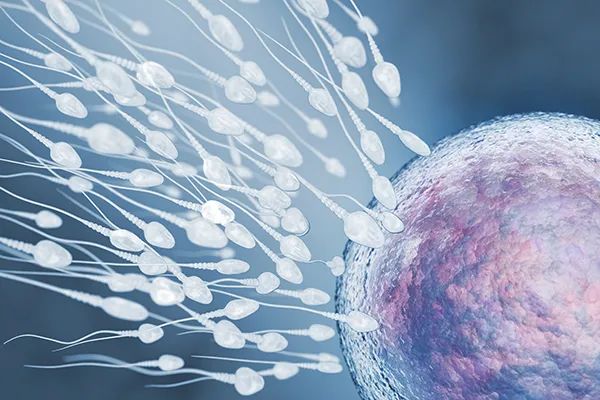
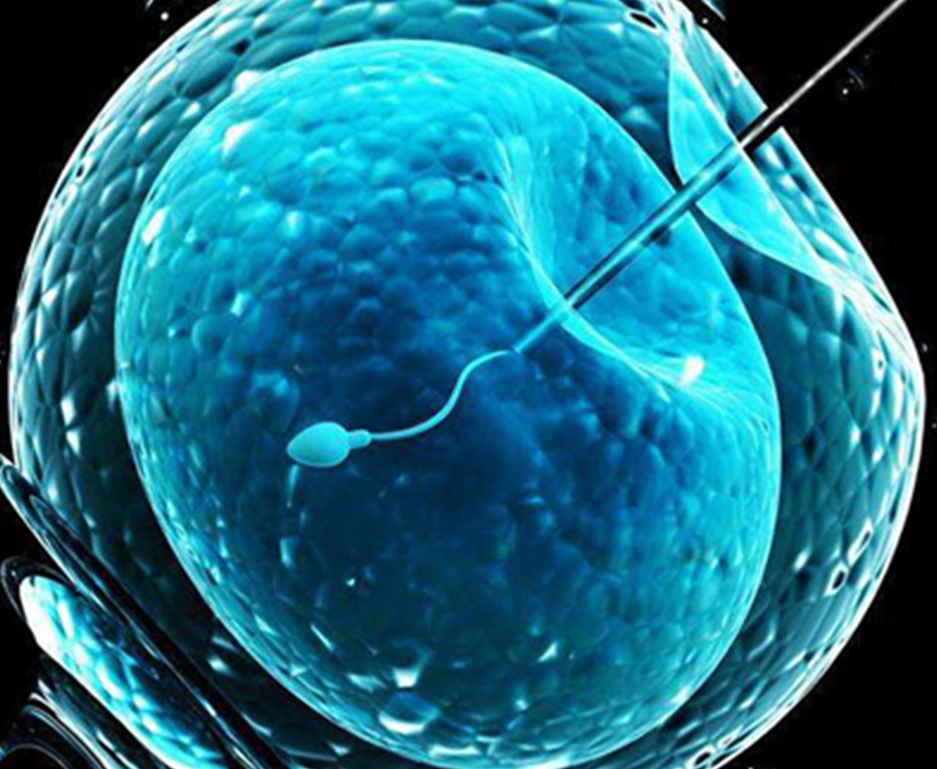
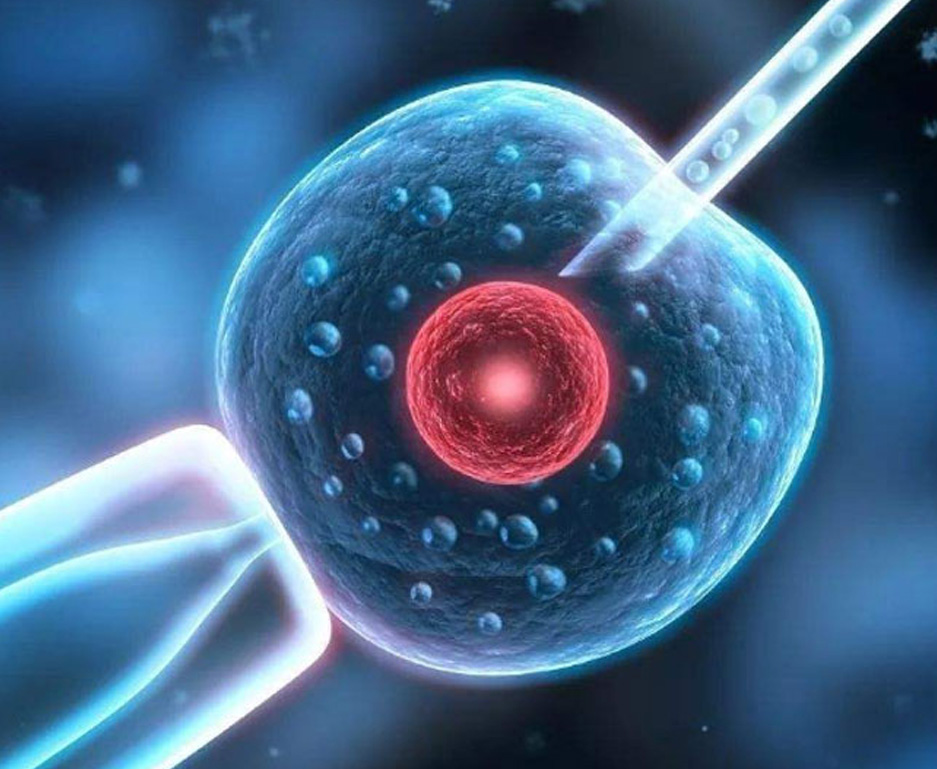
In the laboratory, the retrieved oocytes are identified, washed, and placed in specialized culture media. If conventional fertilization is used, prepared sperm is introduced to the eggs. However, in cases of male factor infertility or prior fertilization failure, ICSI is employed, where a single morphologically normal sperm is directly injected into the cytoplasm of the mature egg. The fertilized eggs, now embryos, are cultured in time-lapse incubators for five to six days until they reach the blastocyst stage.
In 2026, the trend toward freeze-all cycles has become predominant. Rather than performing a fresh embryo transfer shortly after retrieval, embryos are cryopreserved via vitrification. This allows the patient's ovaries to recover from the hyperstimulated state and ensures the uterine environment is in an optimal, natural state for implantation. A subset of blastocysts undergo trophectoderm biopsy for PGT-A, screening for chromosomal aneuploidies. Only euploid (chromosomally normal) embryos are considered for transfer.
The Frozen Embryo Transfer (FET) cycle requires careful preparation of the endometrium. Patients typically take oral estrogen to thicken the uterine lining, followed by the introduction of progesterone via intramuscular injections or vaginal suppositories. Once the lining reaches the desired thickness and progesterone levels are adequate, the embryo is thawed and transferred into the uterine cavity using a thin catheter under ultrasound guidance. This procedure is painless and requires no anesthesia.
The continuous refinement of reproductive technology is a hallmark of American IVF treatment. Several emerging technologies have transitioned from experimental to standard clinical practice, significantly impacting success rates and patient safety.
Time-lapse incubators capture continuous images of embryo development, capturing subtle cellular divisions that traditional microscopic evaluation misses. In 2026, AI algorithms trained on millions of embryo images analyze this morphokinetic data. These algorithms identify patterns correlated with high implantation potential and chromosomal normalcy, providing embryologists with an objective scoring system. This reduces human bias and increases the consistency of embryo selection.
While traditional PGT requires a biopsy of the trophectoderm, niPGT analyzes cell-free DNA released by the embryo into the surrounding culture media. This completely non-invasive approach eliminates any potential trauma to the embryo. By 2026, many clinics offer niPGT as an alternative or complementary tool to traditional biopsy, though standardization and validation of this method continue to be refined across different laboratory settings.
For patients experiencing recurrent implantation failure, the timing of embryo transfer might be the culprit. The Endometrial Receptivity Analysis involves a small biopsy of the uterine lining to map the patient's unique "window of implantation." Some women require a slightly longer or shorter duration of progesterone exposure before the uterus is receptive. Personalizing the transfer timing based on ERA results has proven beneficial for patients with a history of unsuccessful transfers.
Navigating infertility is fraught with emotional stress, making patients vulnerable to misconceptions. Clearing up these myths is essential for maintaining psychological well-being and making rational medical decisions.
One of the most pervasive myths is that IVF is a guaranteed solution. Even with the most advanced technology and euploid embryos, success rates per transfer hover around 60-70% for women under 40, and decline with age. IVF significantly increases the odds of conception for those with infertility, but it cannot override all biological barriers. Patients must enter treatment with realistic expectations and an understanding that multiple cycles may be necessary.
Historically, patients were advised to remain on strict bed rest for days following an embryo transfer. Extensive clinical research has unequivocally proven that prolonged bed rest does not improve implantation rates and may actually increase the risk of blood clots. In 2026, patients are encouraged to resume normal, low-impact activities immediately following the transfer. The uterus is a muscular organ that securely holds the embryo, and physical movement does not cause the embryo to "fall out."
Infertility is often viewed as a female issue, leading to a delay in evaluating the male partner. Severe male factor infertility can sometimes indicate underlying genetic or health issues. Comprehensive semen analysis, including sperm DNA fragmentation testing, should be conducted early in the diagnostic phase. Ignoring male factor can lead to unnecessary female treatments or failed fertilization cycles.
Many couples delay seeking medical intervention, hoping to conceive naturally. However, female fertility declines precipitously after age 35, with a steeper drop after 38. By waiting too long, the quantity and quality of eggs diminish, reducing the efficacy of IVF. Early consultation with a reproductive specialist allows for proactive fertility preservation, such as egg freezing, if a patient is not ready to start a family.
While IVF is a highly medicalized process, the lifestyle choices of the patient in the months leading up to treatment significantly impact outcomes. Optimizing health can improve egg quality, sperm parameters, and the uterine environment.
A Mediterranean-style diet rich in anti-inflammatory foods has been associated with better IVF outcomes. Patients are encouraged to consume high amounts of fresh vegetables, fruits, whole grains, and lean proteins, particularly fish rich in Omega-3 fatty acids. Adequate hydration is essential for cellular function and maintaining optimal blood volume for endometrial thickness. Conversely, processed foods, trans fats, and excessive sugar should be minimized, as they can promote inflammation and insulin resistance, which negatively affect ovulation and implantation.
Certain supplements have clinical backing for their role in supporting fertility. Coenzyme Q10 (CoQ10) is frequently recommended for women over 35, as it acts as a mitochondrial antioxidant, potentially improving egg energy production and chromosomal segregation. Folic acid is universally recommended to prevent neural tube defects. For men, antioxidants like Vitamin C, Vitamin E, and Selenium can help reduce sperm DNA fragmentation. However, patients must consult their physician before starting any supplements, as some can interact with fertility medications.
Moderate physical activity, such as brisk walking, swimming, or yoga, improves blood circulation, including to the reproductive organs, and helps maintain a healthy body mass index (BMI). However, during ovarian stimulation and after embryo transfer, high-impact exercises and heavy lifting should be avoided to prevent ovarian torsion and discomfort.
Stress management is a critical, often overlooked component of fertility care. Chronic stress elevates cortisol levels, which can disrupt the hypothalamic-pituitary-gonadal axis, potentially affecting ovulation and implantation. Mindfulness practices, meditation, acupuncture, and counseling with fertility-specific therapists can provide coping mechanisms. Many clinics now integrate mental health services into their standard care protocols, recognizing the psychological toll of infertility.
To illustrate the complexity and personalization of American IVF treatment, examining anonymized clinical scenarios provides valuable insight into how protocols are adapted to individual circumstances.
A 42-year-old female presented with a history of unexplained infertility and an AMH level of 0.4 ng/mL, indicating severely diminished ovarian reserve. Her initial consultation involved a frank discussion regarding the statistical probability of chromosomal aneuploidy at her age. The clinic recommended a modified natural cycle IVF approach, utilizing minimal stimulation to prioritize egg quality over quantity. After three cumulative cycles, four blastocysts were obtained. PGT-A revealed one euploid embryo. The patient underwent a medicated FET, utilizing estrogen and progesterone to prepare the endometrium. The transfer resulted in a singleton pregnancy and a successful live birth. This case highlights the necessity of persistence and the value of genetic testing in older patients.
A same-sex female couple sought to build a family through reciprocal IVF, where one partner provided the eggs and the other carried the pregnancy. They selected a clinic in California due to the favorable legal framework regarding parental rights. The genetic mother underwent ovarian stimulation, yielding 18 mature oocytes. Donor sperm from a licensed cryobank was utilized for ICSI. Twelve blastocysts developed, and PGT-A identified six euploid embryos. The gestational carrier mother then underwent endometrial preparation. A single embryo transfer was performed, resulting in a healthy pregnancy. This scenario underscores the importance of geographical legal considerations and the collaborative nature of modern reproductive care.
A 36-year-old patient had undergone four previous fresh and frozen embryo transfers at another clinic, all resulting in negative pregnancy tests, despite the transfer of euploid embryos. She presented for a second opinion. The new clinic conducted a comprehensive recurrent implantation failure workup, including an ERA, which revealed a displaced window of implantation requiring an additional 24 hours of progesterone. Additionally, a panel of immune markers suggested elevated natural killer (NK) cells. The clinic implemented a personalized transfer protocol, adjusting the progesterone timing and adding a course of intralipid infusions to modulate the immune response. The subsequent FET resulted in a successful implantation and ongoing pregnancy. This demonstrates the necessity of specialized testing for complex cases.
The period between the embryo transfer and the pregnancy test, colloquially known as the "two-week wait," is often the most psychologically challenging phase of the IVF process. Patients are hyper-vigilant about every physical sensation, searching for signs of success or failure.
Strict adherence to post-transfer medications is paramount. Patients must continue progesterone support as prescribed, typically via intramuscular injections or vaginal suppositories, until the pregnancy test. Progesterone is essential for maintaining the uterine lining and supporting early embryonic development. Missing doses can jeopardize the implantation process. Patients should organize their medication schedules meticulously and understand proper injection techniques to minimize discomfort and ensure absorption.
During the two-week wait, patients may experience symptoms such as mild cramping, breast tenderness, fatigue, and bloating. These symptoms are largely driven by the elevated hormone levels from the stimulation phase and the exogenous progesterone, rather than indicating the presence or absence of a pregnancy. Patients are advised to avoid taking early home pregnancy tests, as the trigger shot used during stimulation can cause a false positive for up to two weeks. The only reliable method to confirm pregnancy is the clinic-administered beta-hCG blood test, typically scheduled 9 to 14 days post-transfer.
To navigate the emotional turbulence of the two-week wait, patients should engage in distracting and soothing activities. Returning to work, engaging in light hobbies, and spending time with supportive friends can help pass the time. Support groups, both in-person and online, offer a space to connect with others undergoing similar experiences. Establishing a clear plan for both a positive and negative result prior to the test day can help mitigate the shock and emotional paralysis that often accompanies the outcome.
Looking beyond 2026, the trajectory of reproductive medicine points toward even greater personalization and non-invasiveness. Research into in vitro gametogenesis (IVG), the process of creating sperm and eggs from somatic cells, holds theoretical promise for individuals who cannot produce viable gametes, though it remains in the experimental stages and faces significant ethical and regulatory hurdles.
Stem cell therapy for ovarian rejuvenation is another area of active investigation. For patients with primary ovarian insufficiency or severe diminished reserve, therapies utilizing mesenchymal stem cells derived from bone marrow or adipose tissue are being studied for their potential to restore ovarian function and follicle development. While not yet standard clinical practice, early trials suggest potential pathways for treating previously irreversible conditions.
Furthermore, the integration of big data and predictive analytics will likely allow clinics to forecast individual patient responses to specific protocols with even greater accuracy. By analyzing vast datasets of previous cycles, algorithms could recommend the exact medication dosage and protocol type most likely to yield a successful outcome for a specific patient profile, minimizing trial and error.
Embarking on the IVF journey requires a strategic approach to maximize the chances of success while managing financial and emotional resources. Prospective patients should view their fertility treatment as a collaborative project between themselves and their medical team.
Before committing to a clinic, patients should consult with multiple reproductive endocrinologists. Second opinions are highly valuable, as different clinics may propose varying protocols based on their philosophical approach and clinical strengths. Patients should request a detailed breakdown of all potential costs and verify what is included in the quoted price. Understanding the clinic's policy on cryopreservation, embryo storage fees, and the disposition of unused embryos is essential for long-term planning.
Patients should dedicate three to six months prior to starting an IVF cycle to optimize their physical health. This includes achieving a healthy BMI, quitting smoking and recreational drug use, limiting alcohol consumption, and managing chronic conditions such as diabetes or thyroid disorders. Both partners should adopt these lifestyle modifications, as male health significantly impacts embryo development and pregnancy outcomes.
Infertility can be isolating, and the demands of IVF can strain relationships and personal well-being. Patients should identify a core support system of trusted friends, family members, or professional counselors. Open communication between partners about expectations, fears, and financial limits is crucial. Setting boundaries regarding who to share the journey with and when can protect the couple's emotional privacy.
American IVF treatment in 2026 represents a convergence of scientific innovation, personalized clinical care, and complex financial and legal navigation. Determining which clinic is the right fit requires a thorough evaluation of clinical data, laboratory capabilities, and geographical advantages. While the cost of treatment remains substantial, the integration of insurance mandates and advanced technologies offers a clearer pathway to parenthood for many. By understanding the medical process, preparing physically and emotionally, and approaching the journey with realistic expectations and strategic planning, patients can navigate the complexities of modern reproductive medicine with confidence and resilience. The path to building a family is deeply personal, and armed with comprehensive knowledge, patients are better equipped to make the decisions that best align with their medical needs and family-building goals.