The landscape of assisted reproductive technology (ART) is continuously evolving, and as we look towards the near future, American IVF clinics in 2026 are expected to offer an unprecedented level of precision, personalization, and accessibility. For individuals and couples navigating the complex journey of infertility, understanding the nuances of fertility treatment expenses, clinic selection, and emerging medical protocols is essential. The United States has long been a global leader in reproductive medicine, characterized by rigorous oversight by the Centers for Disease Control and Prevention (CDC) and the Society for Assisted Reproductive Technology (SART). By 2026, the integration of artificial intelligence in embryo selection, advancements in non-invasive preimplantation genetic testing (niPGT), and highly tailored ovarian stimulation protocols are set to redefine the patient experience. However, with these technological leaps comes the persistent question of IVF costs USA, which remains a significant factor in family-building decisions.
The Technological Landscape of American IVF Clinics in 2026
The defining feature of fertility treatment in the US in 2026 is the shift from traditional empirical approaches to data-driven, highly individualized medical interventions. Clinics are increasingly utilizing machine learning algorithms to analyze time-lapse imaging data of developing embryos. This technology allows embryologists to identify morphokinetic anomalies that are invisible to the human eye, thereby selecting the embryo with the highest implantation potential. Furthermore, the transition towards non-invasive PGT-A (Preimplantation Genetic Testing for Aneuploidy) represents a monumental shift. Instead of removing a few cells from a blastocyst—a process known as trophectoderm biopsy—labs can now analyze cell-free DNA released into the culture medium. This reduces potential embryonic trauma and makes the genetic screening process safer and more streamlined.
Another critical advancement is the widespread adoption of personalized stimulation protocols based on pharmacogenomics. By analyzing a patient’s genetic profile, reproductive endocrinologists can predict how an individual will metabolize gonadotropins, allowing for highly precise dosing. This not only maximizes the ovarian response but also minimizes the risk of Ovarian Hyperstimulation Syndrome (OHSS), a notable complication in IVF treatments. These medical advancements contribute to the overall efficacy of artificial reproductive technology in the USA, making the process safer and more efficient for patients.
Evaluating IVF Success Rates and Clinic Quality
When prospective patients research which hospital is best for IVF, the immediate focus often falls on success rates. However, interpreting these statistics requires a nuanced understanding of medical reporting. In the United States, clinic success rates are heavily influenced by patient demographics, particularly age and the underlying cause of infertility. A clinic specializing in treating women over 40 or those with diminished ovarian reserve (DOR) may naturally exhibit lower overall success rates compared to a clinic catering predominantly to young, healthy egg donors. Therefore, evaluating a clinic based solely on a percentage can be misleading.
Key Metrics for Clinic Evaluation
- SART/CDC Reporting Transparency: Clinics that transparently report their data to SART and CDC demonstrate a commitment to accountability. It is crucial to review the live birth rate per embryo transfer, rather than just the clinical pregnancy rate per cycle start.
- Embryology Laboratory Standards: The lab is the heart of any IVF clinic. Factors such as air quality control, continuous monitoring systems, and the experience of the embryology team directly impact embryo development. Certification by the College of American Pathologists (CAP) is a standard indicator of lab excellence.
- Specialized Care for Complex Cases: For patients with recurrent pregnancy loss (RPL) or repeated implantation failure (RIF), the availability of advanced immunological testing, endometrial receptivity analysis (ERA), and specialized protocols is a critical differentiator.
- eSET (Elective Single Embryo Transfer) Rates: The best clinics prioritize maternal and fetal health by promoting single embryo transfers to reduce the risks associated with multiple pregnancies (twins, triplets). A high eSET rate indicates a mature and ethically sound clinical practice.
Comprehensive Breakdown of IVF Costs in the USA
Understanding IVF treatment expenses is often the most stressful aspect of the fertility journey. In 2026, the financial structure of IVF in the United States remains complex, influenced by geographic location, clinic prestige, and the specific medical requirements of the patient. A standard IVF cycle in the US typically ranges from $12,000 to $15,000, but this base fee rarely encompasses the entirety of the patient's financial obligation. To accurately budget for treatment, patients must consider a variety of ancillary costs that can significantly alter the final invoice.
Itemized IVF Cost Structure
| Service / Procedure |
Estimated Cost Range (USD) |
Description & Necessity |
| Base IVF Cycle |
$12,000 - $15,000 |
Includes follicle tracking ultrasounds, blood work, egg retrieval, and embryo culture to day 5 or 6. |
| Fertility Medications |
$3,000 - $6,000 |
Gonadotropins (Gonal-F, Follistim), antagonists (Centrotide), and trigger shots (Ovidrel, Lupron). Highly variable based on dosage. |
| ICSI (Intracytoplasmic Sperm Injection) |
$1,500 - $2,500 |
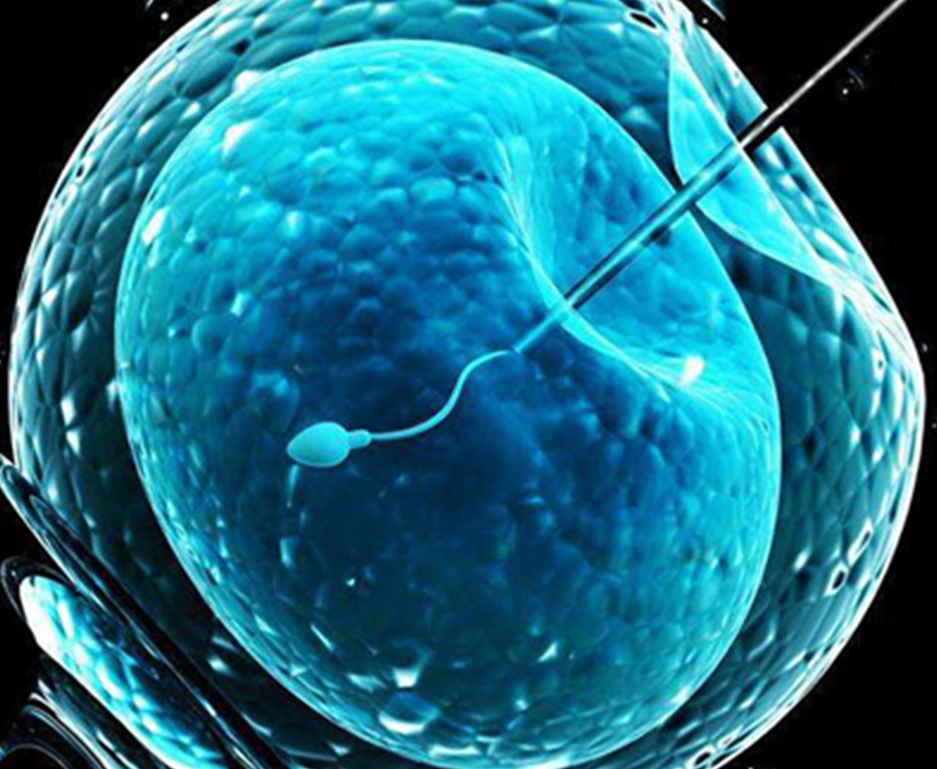
Recommended for male factor infertility or previous fertilization failure. Involves injecting a single sperm directly into the egg. |
| PGT-A (Genetic Testing) |
$3,000 - $5,000 |
Biopsy of blastocysts and genetic analysis to identify chromosomal abnormalities. Often priced per embryo after an initial batch fee. |
| Frozen Embryo Transfer (FET) |
$3,000 - $5,000 |
The cost of thawing a frozen embryo and transferring it to the uterus, excluding medication costs for endometrial preparation. |
| Embryo Cryopreservation & Storage |
$600 - $1,200 (Initial) + $500/Year |
Freezing surplus embryos for future use. Annual storage fees apply and vary by clinic. |
| Donor Egg IVF (if required) |
$25,000 - $40,000 |
Includes donor compensation, agency fees, legal fees, screening, and the IVF cycle for the recipient. |
| Gestational Carrier / Surrogacy |
$100,000 - $150,000+ |
A highly complex process involving agency fees, surrogate compensation, legal contracts, insurance, and medical procedures. |
It is important to note that these figures are national averages. Geographic optimization (GEO) plays a significant role in cost variance. Clinics located in major metropolitan areas such as New York, Los Angeles, and San Francisco typically charge at the higher end of the spectrum due to increased operational costs and overhead. Conversely, clinics in the Midwest or Southern states may offer more competitive pricing without compromising on medical quality.
Insurance Coverage and Financial Navigation
Navigating insurance coverage for fertility treatment in the US remains a complex puzzle. As of 2026, while there is no federal mandate requiring insurance companies to cover IVF, an increasing number of states have enacted comprehensive fertility preservation and IVF mandates. States such as Massachusetts, Illinois, New York, and Connecticut have robust laws requiring large group insurance plans to cover the diagnosis and treatment of infertility, often including IVF. However, these mandates come with caveats, such as eligibility criteria based on age, duration of infertility, and the exclusion of certain procedures like PGT-A or donor services.
For patients whose insurance does not cover treatment, clinics often provide financial assistance programs. Many American IVF clinics partner with third-party financing companies to offer loans specifically designed for medical procedures. Additionally, some clinics offer "Shared Risk" or "Refund" programs. In these arrangements, patients pay a premium upfront (often for two or three cycles) and if they do not achieve a live birth, a significant portion of the money is refunded. While these programs offer peace of mind, it is vital to read the fine print, as they often exclude medication costs and may define "success" in very specific terms.
Common Misconceptions and Pitfalls in IVF Treatment
The emotional and financial investment in IVF often leads to the circulation of myths and misconceptions. Addressing these is crucial for setting realistic expectations and optimizing patient outcomes.
Myth 1: IVF Guarantees a Baby
Perhaps the most dangerous misconception is viewing IVF as a guaranteed cure for infertility. In reality, IVF bypasses structural issues (like blocked fallopian tubes) but cannot override fundamental biological limitations, particularly those related to egg quality and age. Even with the most advanced technology in American IVF clinics in 2026, a genetically abnormal embryo is unlikely to result in a sustainable pregnancy. Patients must approach treatment with the understanding that multiple cycles may be necessary to achieve a live birth.
Myth 2: More Eggs Always Means Better Results
There is a common belief that retrieving a high number of eggs directly correlates to a higher success rate. While having a sufficient cohort of eggs is important, pushing the ovaries to produce excessive follicles can lead to OHSS and potentially lower egg quality. Modern reproductive endocrinologists prioritize quality over quantity, utilizing mild stimulation protocols for certain patients, such as those with PCOS or high AMH levels, to retrieve a smaller number of high-quality, mature eggs.
Myth 3: Bed Rest is Required After Embryo Transfer
Historically, women were advised to remain on strict bed rest for days following an embryo transfer. Extensive medical research has thoroughly debunked this. In fact, prolonged bed rest can increase the risk of blood clots and exacerbate anxiety. Clinics now encourage patients to resume normal, low-impact activities immediately after the transfer, as gentle movement does not affect the embryo's ability to implant in the uterine lining.
Case Studies: Diverse Paths to Parenthood
To illustrate the variability of IVF journeys, consider the following anonymized clinical scenarios that represent common patient profiles in American clinics.
Case Study 1: Age-Related Infertility and PGT-A
Sarah, a 41-year-old woman, presented with unexplained infertility. Her initial evaluation showed normal ovarian reserve markers (AMH of 1.5 ng/mL) and a normal uterine cavity. Given her age, the risk of chromosomal aneuploidy in her eggs was estimated to be over 50%. Her reproductive endocrinologist recommended an antagonist protocol with the addition of human growth hormone (HGH) to potentially improve egg quality. After stimulation, 8 eggs were retrieved, 6 matured, and 5 fertilized via ICSI. They were cultured to the blastocyst stage, and 3 were biopsied for PGT-A. Testing revealed that only one embryo was euploid (chromosomally normal). A single frozen embryo transfer was performed, resulting in a successful, ongoing singleton pregnancy. This case highlights the critical role of genetic testing in older patients to prevent the transfer of non-viable embryos and the emotional toll of repeated negative pregnancy tests.
Case Study 2: Male Factor Infertility and Surgical Sperm Retrieval
Mark and James, a same-sex couple, sought to build a family using Mark's sperm, a donor egg, and a gestational carrier. Mark was diagnosed with azoospermia (zero sperm count in the ejaculate) due to a previous vasectomy that was not optimally reversed. A urologist specializing in male infertility performed a microscopic epididymal sperm aspiration (MESA) to retrieve viable sperm directly from the epididymis. The retrieved sperm were used to fertilize donor eggs via ICSI. The resulting euploid embryos were then transferred to a gestational carrier. This scenario underscores the necessity of multidisciplinary care, involving reproductive endocrinologists, urologists, and reproductive law attorneys, a standard comprehensive approach found in leading US fertility networks.
Pre-Treatment Preparation and Daily Care
Optimizing one's health before beginning an IVF cycle can significantly impact treatment efficacy. Both partners should engage in preconception care for at least three months prior to the cycle start, as the lifecycle of both sperm and eggs is approximately 90 days.
Nutritional and Lifestyle Interventions
- Antioxidant-Rich Diet: Adopting a Mediterranean-style diet rich in leafy greens, berries, nuts, and omega-3 fatty acids (found in salmon and flaxseed) can reduce oxidative stress, which is detrimental to gamete quality.
- Supplementation: Women are universally advised to take Folic Acid (at least 400mcg daily) to prevent neural tube defects. Coenzyme Q10 (Ubiquinol) is frequently recommended to improve mitochondrial function in aging eggs. Men may benefit from supplements containing Zinc, Selenium, and Vitamin C to improve sperm motility and morphology.
- Substance Cessation: Complete cessation of smoking, recreational drugs, and excessive alcohol consumption is mandatory. Smoking accelerates ovarian aging and increases the risk of miscarriage, while heavy alcohol use negatively impacts both egg and sperm quality.
- Caffeine Moderation: Limiting caffeine intake to less than 200mg per day (about one 12oz cup of coffee) is advised, as high caffeine consumption has been linked to reduced fertility in some studies.
Psychological Support
The psychological burden of infertility is well-documented, often comparable to the stress experienced by patients diagnosed with cancer or heart disease. Engaging with a fertility counselor or a support group is not merely an optional add-on but a crucial component of comprehensive care. Mental health professionals specializing in reproductive medicine can provide coping strategies for injection anxiety, the two-week wait (the period between embryo transfer and the pregnancy test), and the grief associated with failed cycles.
Overview of Prominent American IVF Clinics
When considering which hospital is best for IVF, it is important to recognize that the US market is composed of large networks and independent boutique clinics, each with distinct operational philosophies. Below is an objective overview of several established fertility networks in the United States, highlighting their structural characteristics and areas of clinical focus.
CCRM Fertility
CCRM (Colorado Center for Reproductive Medicine) is a nationally recognized network with clinics spread across multiple states. Founded by Dr. William Schoolcraft, CCRM has built a reputation for rigorous scientific research and its in-house embryology laboratories. The network is known for its comprehensive data tracking systems and its focus on optimizing blastocyst culture and genetic testing. CCRM often treats complex cases, including patients with recurrent implantation failure, and offers integrated fertility preservation services. Their business model emphasizes a standardized, research-backed approach to clinical protocols across all their satellite locations, ensuring consistency in lab environments.
Shady Grove Fertility
Operating primarily along the East Coast, Shady Grove Fertility is one of the largest fertility practices in the United States. The clinic is notable for its robust in-house financial programs, including the Shared Risk 100% Refund Program, which provides patients with a clear financial pathway for multiple cycles. Shady Grove has a well-established donor egg and gestational carrier program, catering to a diverse patient population. Their clinical approach is highly collaborative, utilizing a team of reproductive endocrinologists and specialized nursing staff to manage high patient volumes while maintaining personalized care. They are also actively involved in clinical research, frequently participating in FDA-regulated trials for new fertility medications and devices.
HRC Fertility ( Huntington Reproductive Center)
HRC Fertility is a prominent network of clinics located throughout Southern California. Known for catering to a large international patient population, HRC offers dedicated international care teams to assist with travel logistics, translation, and remote monitoring. Clinically, HRC is recognized for its early adoption of advanced reproductive technologies and its comprehensive LGBTQ+ family-building services. The California regulatory environment allows for expansive third-party reproduction options, and HRC facilitates these processes with integrated legal and psychological support services. Their embryology labs are equipped with continuous monitoring technology, reflecting a commitment to maintaining optimal culture conditions.
RMA (Reproductive Medicine Associates)
With a strong presence in New York, New Jersey, and surrounding regions, RMA is a network heavily focused on clinical research and the advancement of ART protocols. RMA physicians frequently publish peer-reviewed studies on topics such as ovarian stimulation, endometrial receptivity, and embryo transfer techniques. The network is recognized for its high rate of elective single embryo transfers (eSET), aligning with their institutional priority to reduce multiple pregnancies and ensure maternal safety. RMA also offers specialized programs for fertility preservation, particularly for oncology patients facing chemotherapy, through rapid-access oncofertility services.
Geographic Considerations for IVF Patients (GEO)
The geographic location of an IVF clinic influences more than just the cost of treatment; it affects legal rights, donor availability, and the overall logistical ease of the process. For patients considering IVF costs USA and logistics, understanding state-level legal frameworks is paramount.
State Legislation and Third-Party Reproduction
States vary dramatically in their legal treatment of donor eggs, donor sperm, and gestational surrogacy. For instance, California is widely considered a "surrogacy-friendly" state, with established legal precedents that allow intended parents—regardless of marital status or sexual orientation—to establish parental rights before the birth of the child (pre-birth orders). Conversely, states like Michigan and New York (though laws are evolving) have historically had more restrictive legal environments regarding compensated surrogacy. Patients requiring a gestational carrier often travel to states with favorable legal frameworks to ensure their parental rights are legally protected from the outset.
Travel and Monitoring Logistics
For patients traveling out of state or internationally for treatment, the logistics of monitoring can be challenging. However, leading American IVF clinics have established "satellite" monitoring networks. This allows patients to complete their initial blood work and follicle-tracking ultrasounds at a local OB/GYN or radiology center, with the results transmitted electronically to the primary IVF clinic. Patients only need to travel to the clinic for the actual egg retrieval and embryo transfer procedures. This hybrid model significantly reduces travel expenses and time away from home, making fertility treatment in the US more accessible to a broader demographic.
The Future: What to Expect in 2026 and Beyond
Looking specifically at 2026, several trends are expected to solidify within the American IVF market. The use of Artificial Intelligence in embryo selection will likely transition from an experimental tool to a standard clinical practice, potentially reducing the subjectivity of embryologist grading. Furthermore, the expansion of niPGT (non-invasive PGT) will make genetic testing more accessible, as it requires less technical expertise to perform than a traditional trophectoderm biopsy and poses zero risk to the embryo.
There is also a growing movement towards making fertility care more inclusive and accessible. This includes the expansion of insurance mandates to cover fertility preservation for medical reasons (such as cancer) across all states, and a broader societal recognition of family-building needs for single parents and LGBTQ+ individuals. Additionally, the development of synthetic gametes (creating sperm or eggs from skin cells) is progressing in research settings, though it will likely remain in the experimental phase well beyond 2026. For the foreseeable future, the focus remains on optimizing existing ART protocols, improving the patient experience, and enhancing the precision of embryo selection.
Strategic Advice for Prospective IVF Patients
Navigating the decision to undergo IVF requires careful planning and informed decision-making. To optimize the chances of a successful outcome, prospective patients should adhere to the following strategic guidelines:
- Comprehensive Diagnostic Testing: Before committing to a clinic, ensure a full fertility workup is completed. This should include a day 3 FSH/Estradiol panel, AMH testing, an Antral Follicle Count (AFC) via transvaginal ultrasound, a hysterosalpingogram (HSG) to check tubal patency, and a comprehensive semen analysis using strict Kruger criteria. Do not begin stimulation without a clear understanding of the underlying barriers to conception.
- Consult Multiple Clinics: It is highly advisable to have consultations with at least two or three different reproductive endocrinologists. Different doctors may have varying approaches to stimulation protocols, and hearing multiple perspectives can help patients find a physician whose philosophy aligns with their own values and medical needs.
- Scrutinize Financial Agreements: Request a fully itemized cost sheet that outlines every potential charge, from the initial consultation to embryo storage fees. Understand exactly what the insurance covers and what the patient is responsible for out-of-pocket. If entering a shared risk program, clarify the exact definition of a "live birth" (e.g., does a miscarriage at 10 weeks reset the cycle?).
- Prioritize Mental Health: Engage a fertility counselor early in the process. The hormonal fluctuations caused by gonadotropins, combined with the emotional stakes of the treatment, can severely impact mental well-being. Proactive psychological care builds resilience and equips patients with tools to manage the inevitable stress of the process.
- Understand the Clinic's Laboratory: Ask specific questions about the embryology lab. Inquire about their CAP certification, the type of incubators used (e.g., time-lapse incubators like EmbryoScope), and their protocols for emergency situations (e.g., power failures). The lab is ultimately where the embryo is made, and its quality is non-negotiable.
Navigating the Emotional Landscape of IVF
Beyond the clinical and financial realities, the IVF journey is a profoundly emotional experience. The trajectory from hope to anxiety, and sometimes to grief, requires a robust support system. Patients often experience a sense of loss of control, as their reproductive timeline is suddenly dictated by medical protocols, injection schedules, and laboratory results. Reclaiming a sense of agency is a vital part of the psychological journey. This can be achieved by educating oneself about the process, maintaining open communication with the medical team, and setting boundaries with friends and family regarding unsolicited advice or intrusive questions.
The concept of the "two-week wait"—the period between the embryo transfer and the beta-hCG blood test—is notoriously difficult. During this time, patients are often hyper-vigilant about every physical sensation, searching for signs of implantation. Clinics in 2026 are increasingly recognizing the psychological burden of this period and are offering more robust post-transfer support, including nursing check-ins and early monitoring protocols to reduce the duration of uncertainty. Furthermore, the destigmatization of infertility in public discourse has led to more open conversations, allowing patients to find community and solidarity in shared experiences.
The Role of the Male Partner in IVF Success
While the physical burden of IVF falls predominantly on the female partner, the role of the male partner is medically and psychologically critical. Male factor infertility accounts for approximately 30% of all infertility cases, yet men are often under-evaluated. A standard semen analysis evaluates concentration, motility, and morphology, but it does not assess sperm DNA fragmentation. High levels of DNA fragmentation can lead to poor embryo quality, recurrent implantation failure, and early miscarriage, even when the standard semen analysis appears normal.
In 2026, advanced sperm selection techniques, such as MACS (Magnetic Activated Cell Sorting) or Zymot microfluidic devices, are more commonly utilized to filter out sperm with apoptotic markers or high DNA damage. Male partners are also encouraged to undergo lifestyle modifications. Avoiding hot tubs, saunas, and tight underwear can improve testicular temperature regulation. Furthermore, antioxidant supplementation (e.g., Vitamin C, E, and CoQ10) for three months prior to the IVF cycle can significantly reduce oxidative stress and improve sperm DNA integrity. The active involvement of the male partner in both medical evaluation and lifestyle changes fosters a team-oriented approach to family building, alleviating some of the pressure placed on the female partner.
Alternative and Adjunctive Therapies in IVF
As patients seek to maximize their chances of success, many explore adjunctive therapies alongside conventional medical protocols. While the medical efficacy of some alternative therapies remains a subject of debate within the reproductive endocrinology community, certain practices have shown promise in improving patient outcomes and well-being.
Acupuncture
Acupuncture is perhaps the most widely researched complementary therapy in the realm of fertility treatment. Some studies suggest that acupuncture performed before and after embryo transfer may improve blood flow to the uterus and reduce stress hormone levels, potentially enhancing implantation rates. While definitive clinical consensus varies, many patients report a significant reduction in anxiety and an increased sense of relaxation following sessions. It is imperative that any acupuncturist consulted is licensed and specifically experienced in fertility treatments to avoid inappropriate placement of needles that could interfere with the medical protocol.
Endometrial Scratch
The endometrial scratch, or endometrial injury, is a procedure where a small catheter is used to deliberately scratch the lining of the uterus in the cycle preceding the embryo transfer. The theory is that this localized injury triggers a healing response, releasing growth factors and cytokines that may improve endometrial receptivity. While earlier studies showed promising results, more recent large-scale randomized controlled trials have cast doubt on its universal efficacy. In 2026, the endometrial scratch is not a standard procedure for all patients but may be selectively recommended for women with a single previous failed transfer.
Immunological Testing and Treatment
For a subset of patients experiencing recurrent implantation failure or recurrent pregnancy loss, immunological factors may be at play. The theory suggests that in some women, the immune system may reject the implanting embryo as a foreign body. Tests for Natural Killer (NK) cells, antiphospholipid antibodies, and thrombophilias are sometimes utilized. Treatments may include intralipid infusions, intravenous immunoglobulin (IVIG), or corticosteroids to modulate the immune response. It is crucial to note that reproductive immunology is a highly specialized and somewhat controversial field. Patients considering these interventions should seek out physicians with specific expertise in this area, as the treatments are expensive, not without risk, and not universally endorsed by mainstream professional organizations like ASRM (American Society for Reproductive Medicine).
Understanding IVF Failure and Next Steps
Despite the advanced capabilities of American IVF clinics in 2026, not all cycles will result in a live birth. A failed IVF cycle is a devastating outcome that requires both emotional processing and objective medical analysis. When a cycle fails, the clinical team conducts a comprehensive review to identify potential causative factors. This review examines the ovarian response to stimulation, the fertilization rate, embryo development kinetics, and the endometrial lining thickness and pattern.
If the failure is attributed to embryo quality (e.g., all embryos arrested before the blastocyst stage), the focus shifts to the gametes. This may prompt a discussion about the use of donor eggs or donor sperm. If a genetically normal embryo (euploid) was transferred but failed to implant, the investigation turns to the uterine environment. A hysteroscopy may be performed to directly visualize the uterine cavity and remove any polyps or fibroids that were not detected on ultrasound. An Endometrial Receptivity Analysis (ERA) may also be conducted to determine if the patient's "window of implantation" is displaced, requiring a modified timeline for progesterone administration before the next transfer.
The decision to proceed with another IVF cycle is deeply personal and depends on emotional readiness, financial resources, and the medical likelihood of success. Clinics emphasize the importance of taking a break between cycles to allow the body to recover from the hormonal stimulation and to give the patient time to grieve and regroup. Setting a limit—whether financial, emotional, or age-related—before beginning treatment can provide a sense of control and prevent the endless pursuit of an unattainable goal, guiding patients towards alternative paths to parenthood, such as adoption, if necessary.
The Intersection of Genetics and IVF
The integration of genetics into fertility treatment has fundamentally transformed the landscape of ART. PGT-A (Preimplantation Genetic Testing for Aneuploidy) is the most common form of genetic testing utilized in IVF. By screening embryos for chromosomal numerical abnormalities (e.g., Trisomy 21, which causes Down syndrome), clinics can ensure that only chromosomally normal (euploid) embryos are transferred. This significantly reduces the risk of miscarriage and increases the implantation rate per transfer, particularly for women over the age of 35.
Beyond PGT-A, PGT-M (Preimplantation Genetic Testing for Monogenic disorders) allows couples who are carriers of specific genetic diseases—such as Cystic Fibrosis, Tay-Sachs disease, or Sickle Cell Anemia—to have a child free of that disease. The process of PGT-M is highly complex, requiring the creation of a custom genetic probe for the specific mutation in the family. In 2026, advancements in sequencing technologies have streamlined this process, reducing the turnaround time and making it accessible to a wider range of patients.
The ethical implications of genetic testing in IVF are also a topic of ongoing discussion. While selecting against severe, life-threatening genetic diseases is universally accepted, the potential for selecting for non-medical traits (such as eye color or intelligence) remains heavily restricted and ethically contentious in the United States. Professional organizations maintain strict guidelines to ensure that genetic testing is utilized for medical benefit rather than eugenics, preserving the ethical integrity of artificial reproductive technology in the USA.
Fertility Preservation: Freezing Eggs and Sperm
As societal norms shift and individuals delay childbearing for educational or career pursuits, fertility preservation has become an increasingly prominent service offered by American IVF clinics. Oocyte cryopreservation (egg freezing) allows women to preserve their fertility potential by freezing eggs at a younger age, when both egg quantity and quality are optimal. The process involves the same ovarian stimulation and retrieval protocols as IVF, but the eggs are frozen instead of fertilized.
The introduction of vitrification—a rapid freezing process that prevents the formation of ice crystals—has dramatically improved the survival rate of thawed eggs, making egg freezing a clinically viable option. When the woman is ready to conceive, the eggs are thawed, fertilized via ICSI, and the resulting embryos are transferred. Similarly, sperm cryopreservation is utilized by men facing medical treatments that may compromise fertility (such as chemotherapy or radiation), as well as by men undergoing surgical sperm retrieval, ensuring that viable samples are available for future IVF cycles.
Conclusion: Navigating the IVF Journey in 2026
The pursuit of parenthood through American IVF clinics in 2026 is a multifaceted journey that intertwines cutting-edge medical science, significant financial investment, and profound emotional resilience. While the technological advancements in embryo selection, genetic testing, and personalized medicine offer unprecedented opportunities for success, the fundamental challenges of biology and cost remain. Prospective patients must approach this journey as informed consumers and active participants in their healthcare. By thoroughly researching clinic quality, understanding the itemized breakdown of IVF costs USA, optimizing personal health, and securing robust psychological support, individuals can navigate the complexities of fertility treatment with confidence and clarity. The path to building a family is rarely linear, but with the resources and medical expertise available in the United States, the dream of achieving a successful pregnancy remains a tangible reality for many.