News Center
Premature Ovarian Failure, also known as Primary Ovarian Insufficiency (POI), is a condition where a woman's ovaries stop functioning normally before the age of 40. This can lead to infertility, as the ovaries no longer release eggs regularly or produce adequate amounts of estrogen and progesterone. POF affects approximately 1% of women under 40, and its causes can be genetic, autoimmune, or idiopathic (unknown).
Women with POF often face significant challenges when trying to conceive naturally. The reduced ovarian reserve means that the number and quality of eggs available for fertilization are limited. However, with advancements in reproductive technology, particularly In Vitro Fertilization (IVF), many women with POF are still able to achieve their dream of having a child.
The United States is a global leader in reproductive medicine, with a wide range of IVF options available for women with POF. These options include:
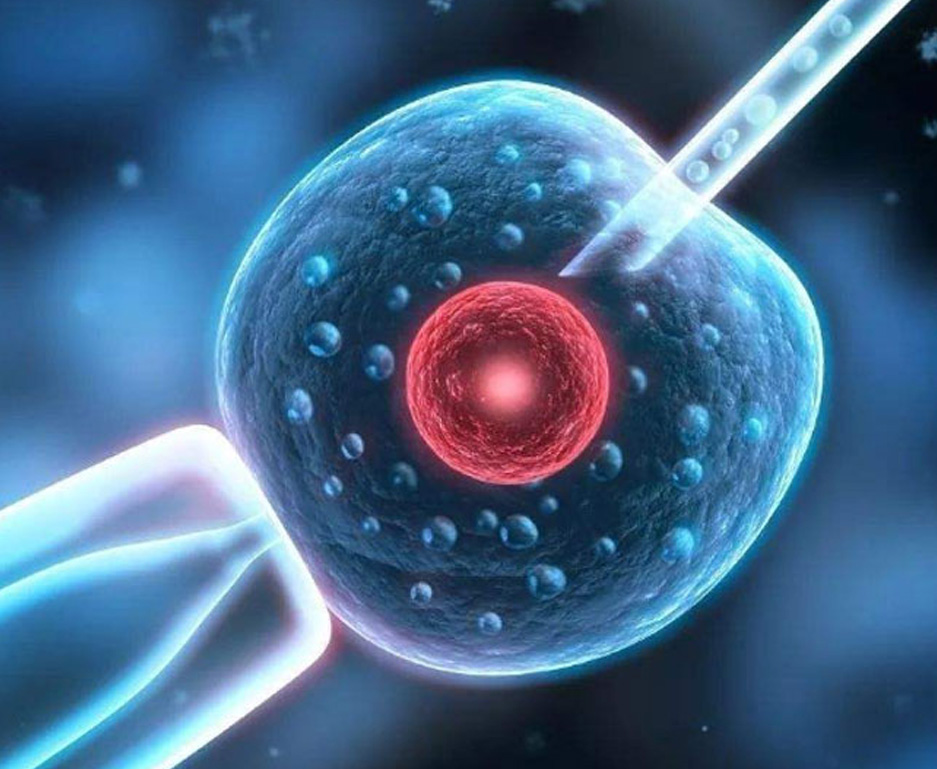
In some cases, women with POF may still have a small number of viable eggs remaining in their ovaries. Conventional IVF involves stimulating the ovaries to produce multiple eggs, which are then retrieved, fertilized with sperm in a laboratory, and transferred back into the uterus. However, the success rates of conventional IVF using a woman's own eggs are relatively low for those with POF, often ranging from 5% to 15% per cycle.
For women with POF who do not have any viable eggs left, IVF with donor eggs is a highly successful option. Donor eggs are obtained from a healthy, young woman who has undergone ovarian stimulation and egg retrieval. The donor eggs are then fertilized with the intended father's sperm (or donor sperm) and transferred into the uterus of the woman with POF. Success rates for IVF with donor eggs are much higher, typically ranging from 50% to 70% per cycle.
Embryo donation is another option for women with POF. In this case, embryos that have been created through IVF by another couple (who have completed their family or no longer need the embryos) are donated to the woman with POF. The embryos are transferred into her uterus, and if successful, she will carry and give birth to the child. Success rates for embryo donation are similar to those of IVF with donor eggs.
In some cases, women with POF may also have underlying uterine issues that make it difficult or impossible to carry a pregnancy to term. Gestational surrogacy involves creating an embryo using the woman's partner's sperm (or donor sperm) and a donor egg, and then transferring the embryo into the uterus of a gestational surrogate. The surrogate carries the pregnancy and gives birth to the child, who is genetically related to the intended parents (or the intended father and the egg donor).
Several factors can influence the success of IVF for women with POF, including:
Although POF itself means that the woman's ovarian function has declined prematurely, her age still plays a role in IVF success. Women under the age of 35 generally have higher success rates than those over 35, regardless of the cause of their infertility.
The underlying cause of POF can also affect IVF success. For example, women with POF due to genetic factors may have a lower chance of success with conventional IVF using their own eggs compared to those with idiopathic POF.
When using donor eggs or embryos, the quality of the donor material is crucial. Younger donors with a good ovarian reserve are more likely to produce high-quality eggs or embryos, which can increase the chances of a successful pregnancy.
The health of the woman's uterus is also important for IVF success. Conditions such as uterine fibroids, endometriosis, or a thin uterine lining can reduce the chances of implantation and pregnancy.
Lifestyle factors such as smoking, excessive alcohol consumption, obesity, and stress can also impact IVF success. Making healthy lifestyle changes before starting IVF can improve the chances of a successful outcome.
When considering IVF for POF, it is important to choose a reputable and experienced IVF clinic. Here are some factors to consider when selecting a clinic:
Look for a clinic with high success rates for IVF with donor eggs or embryo donation, as these are the most common options for women with POF. You can find success rate data on the clinic's website or through the Centers for Disease Control and Prevention (CDC) website.
Choose a clinic that has extensive experience in treating women with POF. The clinic's doctors and staff should be knowledgeable about the latest advancements in reproductive technology and able to provide personalized treatment plans.
Make sure the clinic offers a wide range of IVF options, including donor eggs, embryo donation, and gestational surrogacy. This will give you more flexibility in choosing the treatment that is right for you.
IVF can be an emotionally and physically challenging process. Look for a clinic that provides comprehensive patient support, including counseling, support groups, and access to mental health professionals.
IVF can be expensive, especially when using donor eggs or embryos. Make sure you understand the costs involved, including medication, procedures, and donor fees. Some clinics may offer financing options or payment plans to help make the treatment more affordable.
Dealing with POF and infertility can be emotionally and psychologically challenging. It is important to take care of your mental health throughout the IVF process. Here are some tips for coping:
Talk to your partner, family, and friends about your feelings. You may also want to consider joining a support group for women with POF or infertility.
Take time for yourself to do things that you enjoy, such as exercise, meditation, or hobbies. This can help reduce stress and improve your overall well-being.
A mental health professional can help you process your emotions and develop coping strategies. Many IVF clinics offer counseling services or can refer you to a qualified therapist.
It is important to have realistic expectations about the IVF process. Success rates are not 100%, and it may take multiple cycles to achieve a pregnancy. Be prepared for the possibility of setbacks and don't be afraid to ask for help when you need it.
When using donor eggs, embryos, or gestational surrogacy, there are several legal and ethical considerations to keep in mind:
In the United States, donor anonymity laws vary by state. Some states allow anonymous egg or embryo donation, while others require that the donor's identity be disclosed to the child at a certain age. It is important to understand the laws in your state and discuss your preferences with your clinic.
When using donor eggs or embryos, it is important to establish parental rights. In most cases, the intended parents will be recognized as the legal parents of the child, but this can vary depending on the circumstances. It is recommended that you consult with a lawyer to ensure that your parental rights are protected.
Gestational surrogacy laws also vary by state in the United States. Some states have favorable laws that allow gestational surrogacy, while others have restrictions or prohibit it altogether. It is important to work with a clinic and a lawyer who are experienced in surrogacy laws in your state.
There are also ethical considerations to keep in mind when using donor eggs, embryos, or gestational surrogacy. For example, you may want to consider the donor's background, medical history, and personal values. It is important to have open and honest discussions with your clinic and the donor (if applicable) to ensure that everyone's needs and expectations are met.
Premature Ovarian Failure can be a devastating diagnosis for women who want to have children. However, with the advancements in IVF technology, there are now many options available for women with POF to achieve their dream of becoming a mother. The United States offers a wide range of IVF treatments, including conventional IVF with own eggs, IVF with donor eggs, embryo donation, and gestational surrogacy. By understanding the different options, factors affecting success, and legal and ethical considerations, women with POF can make informed decisions about their reproductive future. It is important to work with a reputable and experienced IVF clinic and to take care of your emotional and physical health throughout the process. With the right support and treatment, many women with POF are able to have healthy, happy babies.