In vitro fertilization
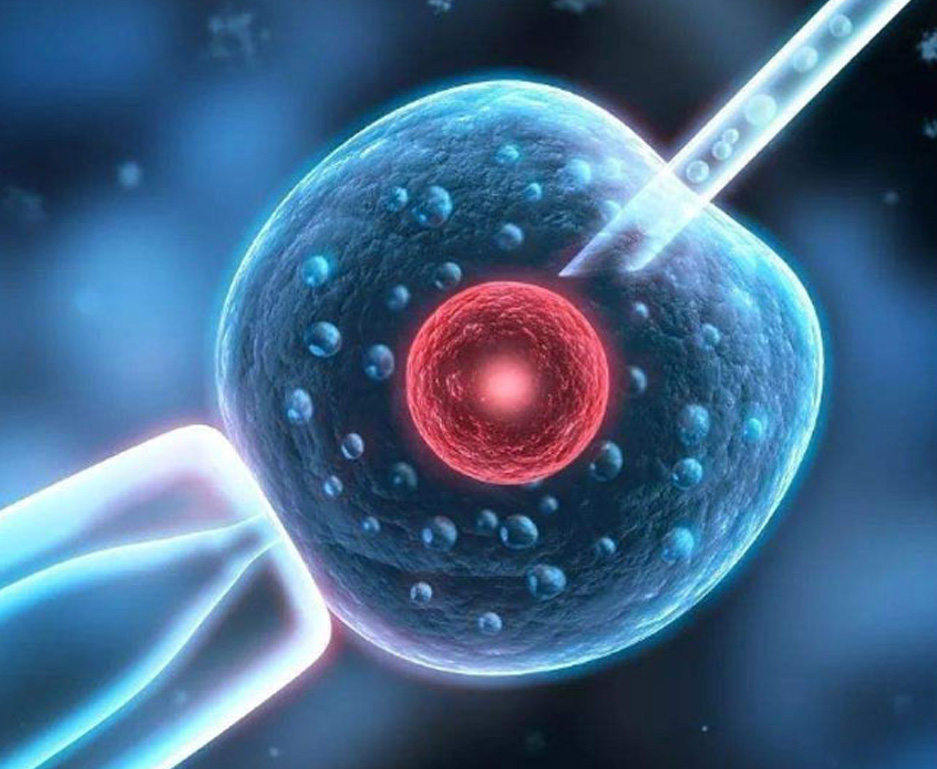
The first generation IVF technology is the in vitro fertilization and embryo transfer (IVF-ET) technique used by Mr. Robert Edwards. It involves retrieving eggs from a woman's ovaries through IVF technology, combining them with sperm in vitro to form fertilized eggs, and transferring the fertilized eggs to the uterine cavity after culturing them to the cleavage embryo or morula stage for implantation and pregnancy.
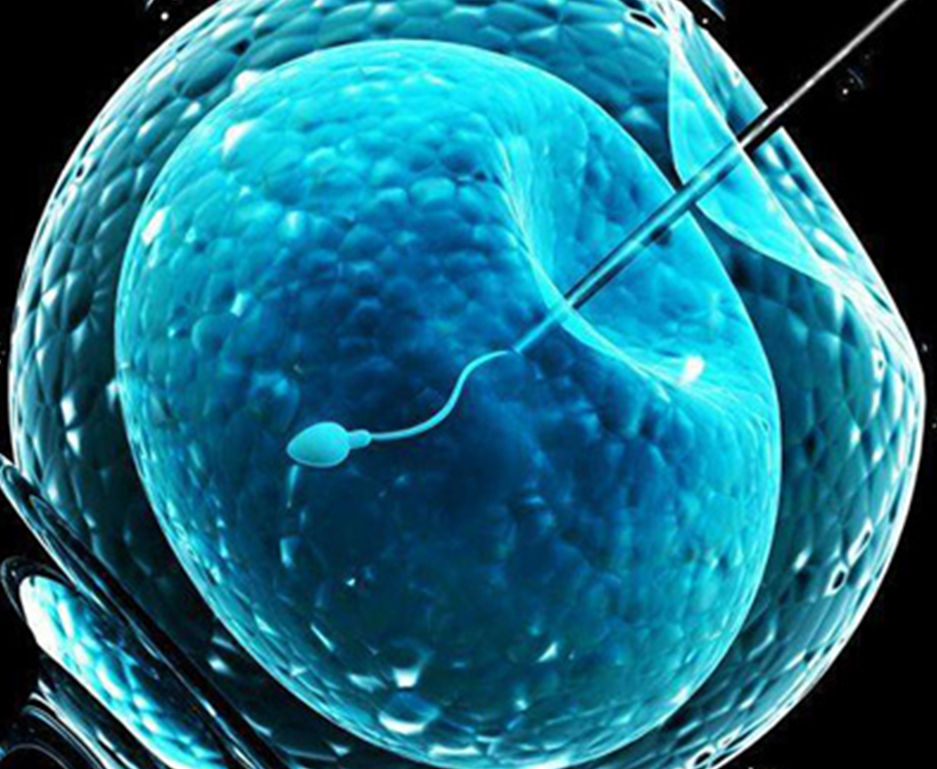
Since the first generation IVF technology could not effectively solve male infertility problems, in 1992, Italian doctor Dr. Piero Palermo, on the basis of in vitro fertilization and embryo transfer, selected high-quality sperm from male sperm and used intracytoplasmic sperm injection (ICSI) to pair with high-quality eggs, improving the fertilization success rate.
Since the first and second generation IVF technologies only use morphological evaluation to screen embryos for transfer, they cannot determine whether the embryo's chromosomes and genes are normal. In 1989, British physicians Robert Winston and Alan Handyside used microscopic manipulation to extract a single blastomere from the embryo, and used polymerase chain reaction (PCR) to amplify specific repeat sequences of the Y chromosome for sex identification of pre-implantation embryos. In the same year, Dr. Handyside successfully used PGT technology to perform genetic diagnosis on embryos of couples at high genetic risk, and the world's first PGT technology IVF baby was born that year.
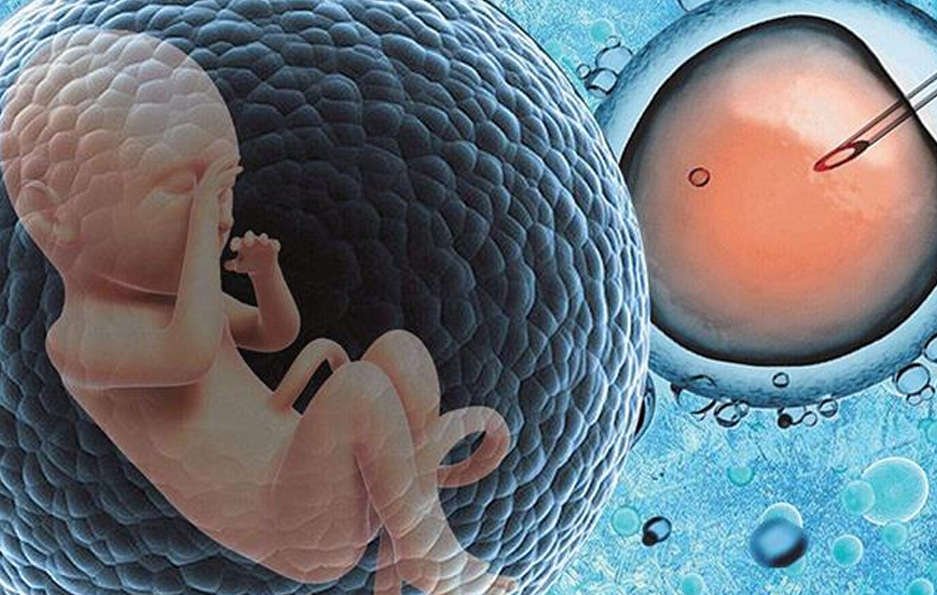
Preimplantation Genetic Testing (PGT) from a biological genetics perspective, through diagnostic screening of chromosomes and genes of pre-implantation embryos, judges whether there are abnormalities in the chromosome structure and number, as well as whether genetic disease-causing genes are carried at the genetic level, thereby selecting healthy and high-quality embryos for transfer, effectively avoiding the risk of terminating pregnancy due to genetic diseases, ensuring the implantation rate of embryos after transfer and the live birth rate of fetuses, and truly achieving eugenics.

Families with chromosomal number or structure abnormalities or genetic diseases;

Families with multiple IVF/ICSI failures and recurrent miscarriages;

Families who wish to select fetal gender, or customize twins or fraternal twins;

Advanced age mothers and families who need embryo freezing;
First Stage
|
Second Stage
|
Third Stage
|
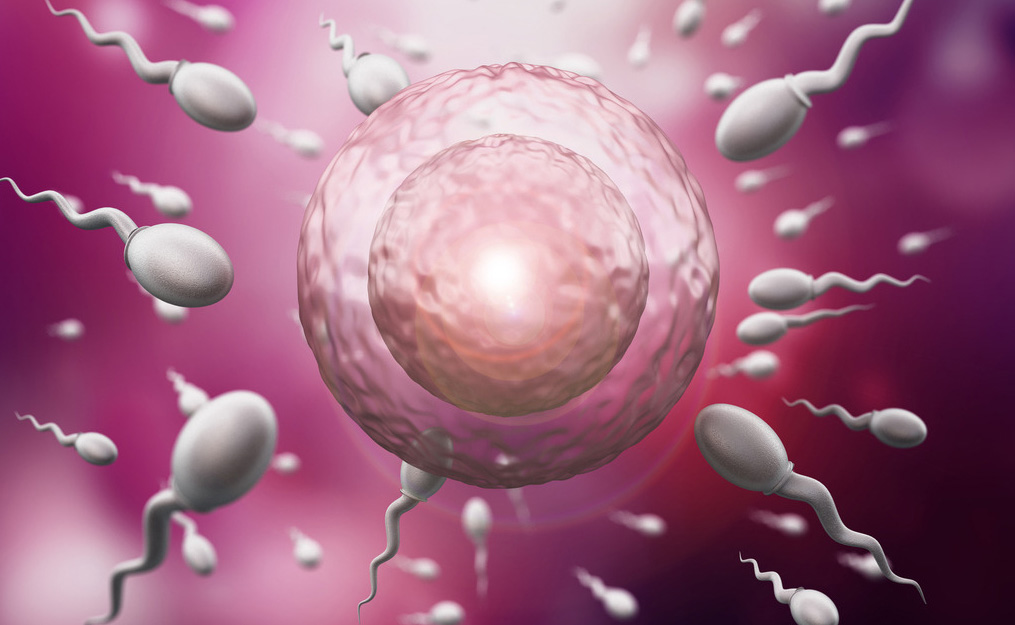
Huayi International IVF Service Platform brings together top reproductive medical experts and embryologists from home and abroad in the field of IVF assisted reproduction. These experts have rich clinical experience in assisted reproduction and can provide more professional and comprehensive customized IVF services for every patient, realizing the dream of pregnancy for every infertile family.
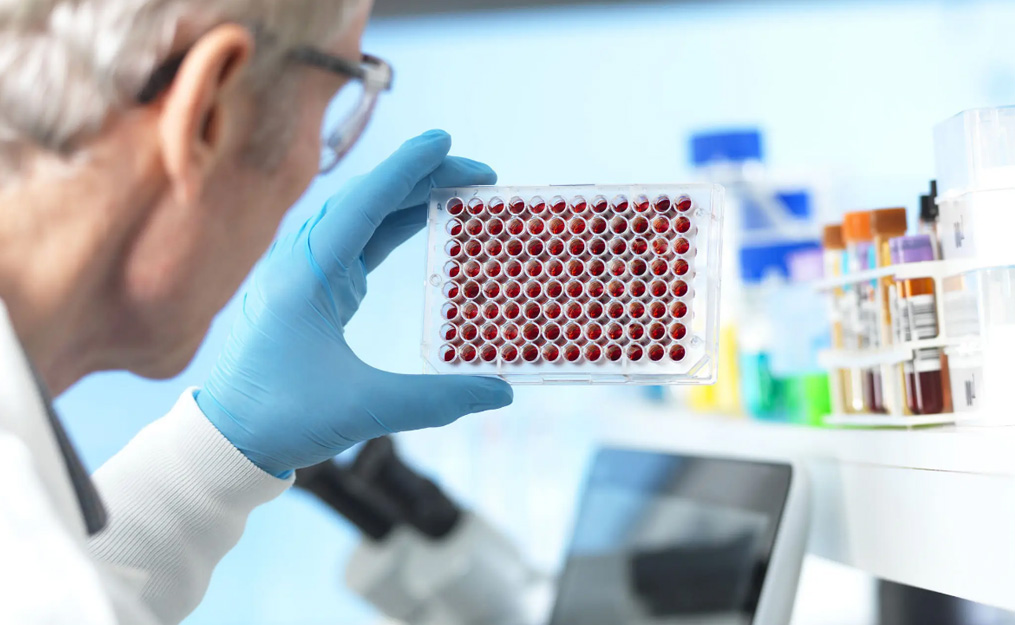
Preimplantation Genetic Testing (PGT) from a biological genetics perspective, through diagnostic screening of chromosomes and genes of pre-implantation embryos, judges whether there are abnormalities in the chromosome structure and number, as well as whether genetic disease-causing genes are carried at the genetic level, thereby selecting healthy and high-quality embryos for transfer, effectively avoiding the risk of terminating pregnancy due to genetic diseases, ensuring the implantation rate of embryos after transfer and the live birth rate of fetuses, and truly achieving eugenics.
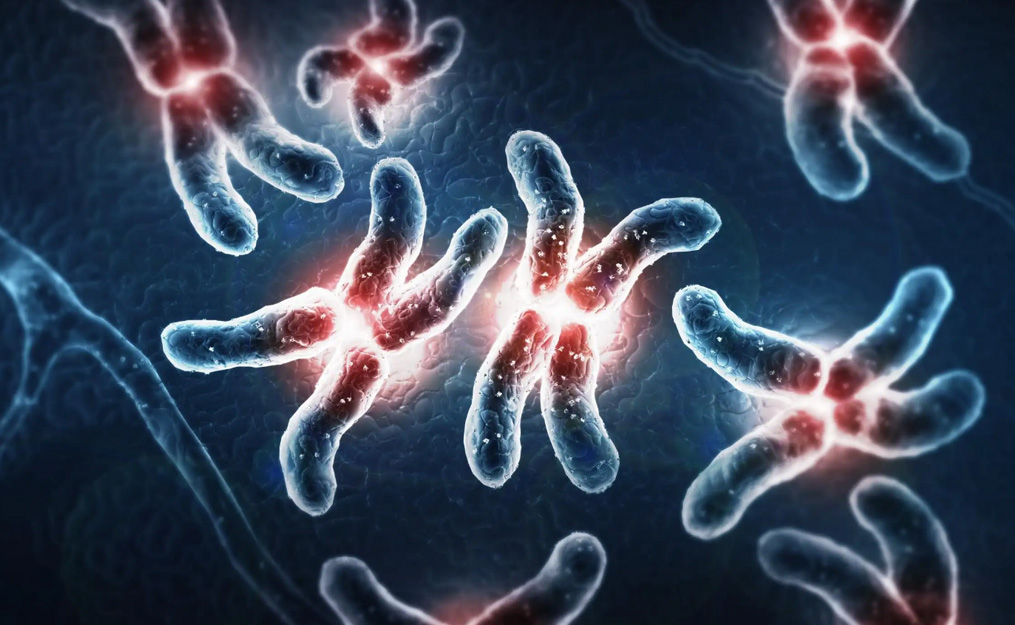
Preimplantation Genetic Testing (PGT) from a biological genetics perspective, through diagnostic screening of chromosomes and genes of pre-implantation embryos, judges whether there are abnormalities in the chromosome structure and number, as well as whether genetic disease-causing genes are carried at the genetic level, thereby selecting healthy and high-quality embryos for transfer, effectively avoiding the risk of terminating pregnancy due to genetic diseases, ensuring the implantation rate of embryos after transfer and the live birth rate of fetuses, and truly achieving eugenics.