News Center
In the United States, approximately 1 in 9 couples struggle with infertility, and male factors contribute to roughly 40-50% of these cases. Among male infertility diagnoses, azoospermia— the complete absence of sperm in the ejaculate— stands as one of the most complex and emotionally challenging. Affecting around 1% of all men and 10-15% of infertile men, this condition was once considered a definitive barrier to biological parenthood. Today, however, advancements in reproductive medicine have unlocked a range of tailored solutions, making it possible for many men with azoospermia to achieve their dream of having a child. This guide explores the latest, evidence-based IVF and related treatments available in the U.S. for men with azoospermia, empowering patients and their partners to make informed decisions about their fertility journey.
Azoospermia is not a single condition but a symptom of an underlying issue, which is why accurate diagnosis is critical before any treatment begins. In the U.S., reproductive specialists use a combination of medical history reviews, physical exams, hormonal testing, genetic screenings, and imaging to classify azoospermia into two primary categories: obstructive and non-obstructive.
Obstructive azoospermia (OA) accounts for about 40% of cases and occurs when sperm production is normal, but a blockage prevents sperm from reaching the ejaculate. Blockages can form anywhere along the male reproductive tract, from the epididymis (where sperm mature) to the vas deferens (the tube that carries sperm out of the body). Common causes include prior vasectomy, infections like epididymitis, congenital abnormalities (such as absent vas deferens, often linked to cystic fibrosis gene mutations), or scar tissue from surgery.
Non-obstructive azoospermia (NOA), making up the remaining 60% of cases, arises when the testes fail to produce sperm in sufficient quantities or at all. This can be due to genetic factors (like Klinefelter syndrome, Y-chromosome microdeletions), hormonal imbalances (such as low testosterone or high prolactin levels), testicular injury or infection, exposure to toxins (including chemotherapy, radiation, or certain environmental chemicals), or idiopathic causes— where the root cause cannot be identified despite thorough testing.
Accurate classification is the foundation of effective treatment. For example, a man with OA may only need a minimally invasive procedure to retrieve sperm, while someone with NOA may require a combination of hormonal therapy and advanced sperm extraction techniques. In the U.S., fertility clinics adhere to strict diagnostic protocols set by the American Society for Reproductive Medicine (ASRM), ensuring that patients receive precise, personalized care.
For men with azoospermia, the first hurdle in IVF is obtaining viable sperm. Thanks to cutting-edge surgical and non-surgical techniques, reproductive specialists in the U.S. can now retrieve sperm in over 50% of men with NOA and nearly 100% of men with OA. These techniques are performed on an outpatient basis, with minimal discomfort and a low risk of complications.
TESA is a minimally invasive procedure often used for men with OA or some cases of NOA. During the procedure, a thin needle is inserted directly into the testicle to extract small tissue samples, which are then processed in a lab to isolate sperm. TESA is typically performed under local anesthesia, and most patients can return to normal activities within a day or two. It is a preferred option for men with obstructive azoospermia, as it avoids the need for more extensive surgery.
PESA is similar to TESA but targets the epididymis instead of the testicle. A needle is inserted into the epididymis to aspirate fluid containing mature sperm. This technique is ideal for men with OA, especially those with blockages in the vas deferens, as the epididymis often stores a reservoir of healthy sperm. Like TESA, PESA is performed under local anesthesia and has a quick recovery time.
For men with more complex blockages or when PESA fails to retrieve sufficient sperm, MESA offers a more precise alternative. Performed under general anesthesia, MESA uses an operating microscope to visualize the epididymis and identify areas with viable sperm. Surgeons make a small incision in the scrotum, then extract sperm directly from the epididymal tubules. MESA has a higher success rate for retrieving mature sperm compared to PESA, making it a valuable option for men with OA who have not responded to other techniques.
TESE is a more invasive procedure used primarily for men with NOA. During TESE, a small incision is made in the scrotum to expose the testicle, and multiple tissue samples are removed for lab analysis. In cases where sperm production is sparse, micro-TESE— a more advanced variation— is used. Micro-TESE uses an operating microscope to magnify the testicular tissue, allowing surgeons to identify and extract tiny areas of sperm-producing seminiferous tubules. This precision reduces the risk of damage to healthy testicular tissue and significantly increases the chance of finding viable sperm, with success rates ranging from 30-60% depending on the underlying cause of NOA. In the U.S., micro-TESE is considered the gold standard for sperm retrieval in men with NOA, particularly those with genetic causes or idiopathic azoospermia.
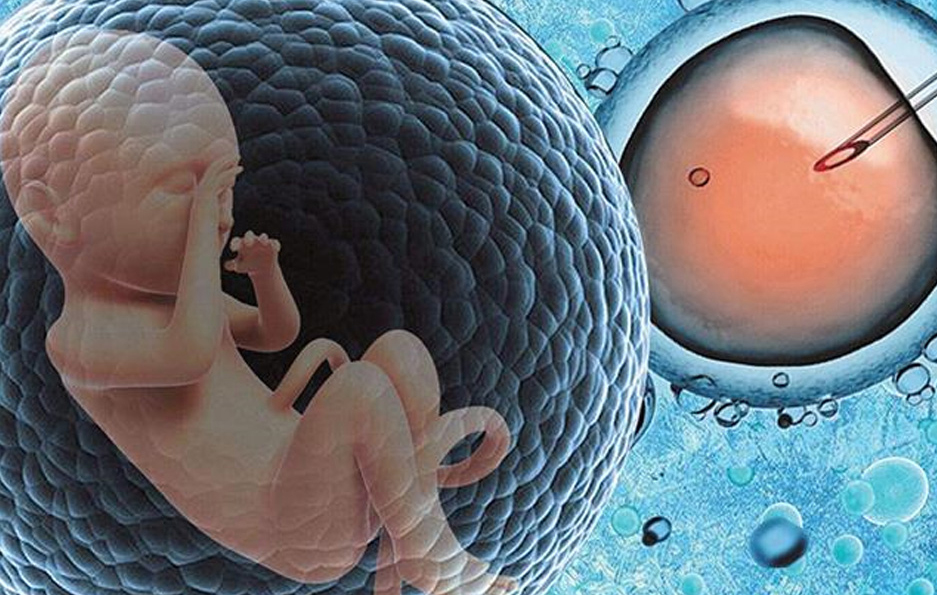
Once sperm is retrieved, in vitro fertilization (IVF) with intracytoplasmic sperm injection (ICSI) becomes the primary treatment for men with azoospermia. ICSI is a specialized form of IVF where a single sperm is directly injected into a mature egg, bypassing the natural fertilization process. This technique is essential for men with azoospermia because the retrieved sperm is often limited in quantity or motility, making traditional IVF (where sperm and egg are mixed in a dish) unlikely to succeed.
In the U.S., the IVF-ICSI process follows a standardized, evidence-based protocol:
IVF-ICSI success rates for men with azoospermia vary depending on factors like the woman’s age, the cause of azoospermia, and the quality of the retrieved sperm and embryos. On average, live birth rates per IVF cycle in the U.S. range from 30-40% for women under 35, decreasing slightly with age. For men with OA, success rates are often comparable to those of couples with male infertility due to low sperm count, as sperm production is normal. For men with NOA, success rates depend on whether sperm can be retrieved; if sperm is found, live birth rates are similar to other IVF-ICSI cases.
In addition to sperm retrieval and IVF-ICSI, reproductive specialists in the U.S. may recommend adjuvant therapies to improve sperm production, increase the chances of successful sperm retrieval, or enhance embryo quality. These therapies are tailored to the underlying cause of azoospermia:
For men with NOA caused by hormonal imbalances, such as low luteinizing hormone (LH) or follicle-stimulating hormone (FSH), hormonal therapy can stimulate sperm production. Common treatments include:
Hormonal therapy is typically administered for 3-6 months, with regular sperm count and hormonal monitoring to assess progress. While it may not work for all men with NOA, studies show that up to 20% of men with idiopathic NOA or hormonal imbalances may achieve sperm in the ejaculate with hormonal therapy, eliminating the need for surgical sperm retrieval.
Genetic factors play a significant role in both obstructive and non-obstructive azoospermia. For example, men with congenital absence of the vas deferens (a common cause of OA) often carry mutations in the cystic fibrosis transmembrane conductance regulator (CFTR) gene. Men with NOA may have Y-chromosome microdeletions (missing segments of the Y chromosome that contain genes critical for sperm production) or Klinefelter syndrome (an extra X chromosome).
In the U.S., genetic counseling is a standard part of care for men with azoospermia. Genetic counselors help patients understand their risk of passing genetic conditions to their children and guide them on testing options. For couples undergoing IVF-ICSI, preimplantation genetic testing for aneuploidy (PGT-A) can screen embryos for chromosomal abnormalities, reducing the risk of miscarriage and increasing the chance of a healthy live birth. For couples at risk of passing on specific genetic disorders, preimplantation genetic testing for monogenic/single gene defects (PGT-M) can identify embryos free of the condition, allowing them to transfer only unaffected embryos.
While lifestyle changes alone cannot treat azoospermia, they can support overall reproductive health and enhance the effectiveness of medical treatments. U.S. fertility specialists often recommend the following:
Reproductive medicine is a rapidly evolving field, and researchers in the U.S. are constantly exploring new treatments for azoospermia, particularly for men with NOA where sperm retrieval is not possible. These emerging therapies offer hope for patients who were previously considered untreatable:
Stem cell therapy holds promise for regenerating sperm-producing cells in the testes. Researchers are investigating the use of induced pluripotent stem cells (iPSCs)— adult cells reprogrammed to behave like embryonic stem cells— to generate sperm cells in the lab. While this technology is still in the experimental stage, early studies in animals have shown that iPSCs can differentiate into functional sperm that can fertilize eggs and produce healthy offspring. In the U.S., clinical trials are underway to test the safety and efficacy of stem cell-based treatments for NOA.
CRISPR-Cas9 gene editing technology has the potential to correct genetic mutations that cause azoospermia. For example, researchers are exploring ways to edit the CFTR gene in men with congenital absence of the vas deferens or repair Y-chromosome microdeletions in men with NOA. While gene editing for reproductive purposes is still in the early stages of research and faces ethical and regulatory hurdles, it could one day offer a curative treatment for genetic causes of azoospermia.
For men facing treatments that may damage the testes, such as chemotherapy or radiation for cancer, testicular tissue cryopreservation (freezing a sample of testicular tissue) offers a way to preserve fertility. In the U.S., this procedure is performed before cancer treatment, and the tissue is stored in a specialized cryobank. After treatment, if the patient develops azoospermia, the tissue can be thawed, and sperm can be extracted for use in IVF-ICSI. While this technique is still considered experimental for post-pubertal men, it is a standard option for prepubertal boys facing cancer treatment.
The journey of azoospermia treatment is not just physical—it is also emotional and financial. In the U.S., fertility clinics recognize the importance of holistic care, offering support services to help couples cope with the stress, anxiety, and grief that often accompany infertility. These services may include counseling, support groups, and mindfulness-based stress reduction programs.
Financially, IVF and related treatments can be costly, with the average cost of a single IVF cycle in the U.S. ranging from 15,000, not including sperm retrieval, ICSI, or genetic testing. However, many insurance plans now cover some or all of the costs of infertility treatment, thanks to state mandates (as of 2026, 21 states require insurance companies to cover infertility diagnosis and treatment). Additionally, fertility clinics offer financing options, payment plans, and grants to help make treatment more accessible.
Selecting a reputable, experienced fertility clinic is critical for achieving the best possible outcomes. When choosing a clinic, patients should consider:
Azoospermia once felt like an insurmountable barrier to biological parenthood, but today, men in the U.S. have access to a range of advanced, personalized treatments that can turn their dream of having a child into reality. From accurate diagnosis and minimally invasive sperm retrieval techniques to IVF-ICSI and emerging therapies like stem cell treatment, reproductive medicine has never been more promising.
If you or your partner is facing azoospermia, remember that you are not alone. With the right diagnosis, treatment plan, and support, many men with azoospermia can achieve successful pregnancy and welcome a healthy child into their lives. The key is to seek care early, ask questions, and work with a team of dedicated reproductive specialists who will guide you every step of the way.