News Center
The landscape of assisted reproductive technology (ART) in the United States is continuously evolving, and as we navigate through 2026, American in vitro fertilization (IVF) stands at the forefront of global reproductive medicine. Intended parents from around the world frequently look toward the United States for fertility treatments due to the integration of cutting-edge medical protocols, rigorous laboratory standards, and a highly regulated yet flexible environment that supports diverse family-building journeys. Understanding the nuances of American IVF in 2026, including which clinics offer the most suitable treatments for specific patient profiles and the comprehensive breakdown of associated costs, is essential for anyone considering this path to parenthood.
The year 2026 marks a significant milestone in the application of artificial intelligence and automation within the IVF laboratory. Clinics across the United States have increasingly adopted AI-driven embryo selection tools. These systems analyze continuous morphokinetic data captured by time-lapse incubators, such as the EmbryoScope, to identify subtle developmental patterns that the human eye might miss. By evaluating parameters like time to syngamy, time to morula formation, and blastocyst expansion rates, AI algorithms provide a non-invasive ranking of embryos, significantly improving the selection process for transfer and reducing the time to pregnancy.
Another major advancement is the refinement of non-invasive preimplantation genetic testing for aneuploidy (niPGT-A). Traditionally, PGT-A required a trophectoderm biopsy, where a few cells are physically removed from a developing blastocyst. While generally safe, the procedure carries a minimal risk of embryonic damage and requires highly skilled embryologists. In 2026, niPGT-A has become more clinically reliable, utilizing cell-free DNA (cfDNA) naturally secreted into the culture media by the developing embryo. This allows embryologists to assess chromosomal integrity without physically touching the embryo, representing a paradigm shift in minimizing embryonic stress and preserving structural integrity.
Furthermore, the use of extended culture to the blastocyst stage (day 5 or 6) is now standard practice, allowing for better natural selection of embryos. Laboratories have also optimized their culture media formulations, creating sequential media that mimic the changing nutritional environment of the female reproductive tract as the embryo travels from the fallopian tube to the uterus. The introduction of automated vitrification machines has standardized the freezing process, ensuring survival rates of over 95% upon thawing by eliminating human variability in the timing of cryoprotectant exposure.
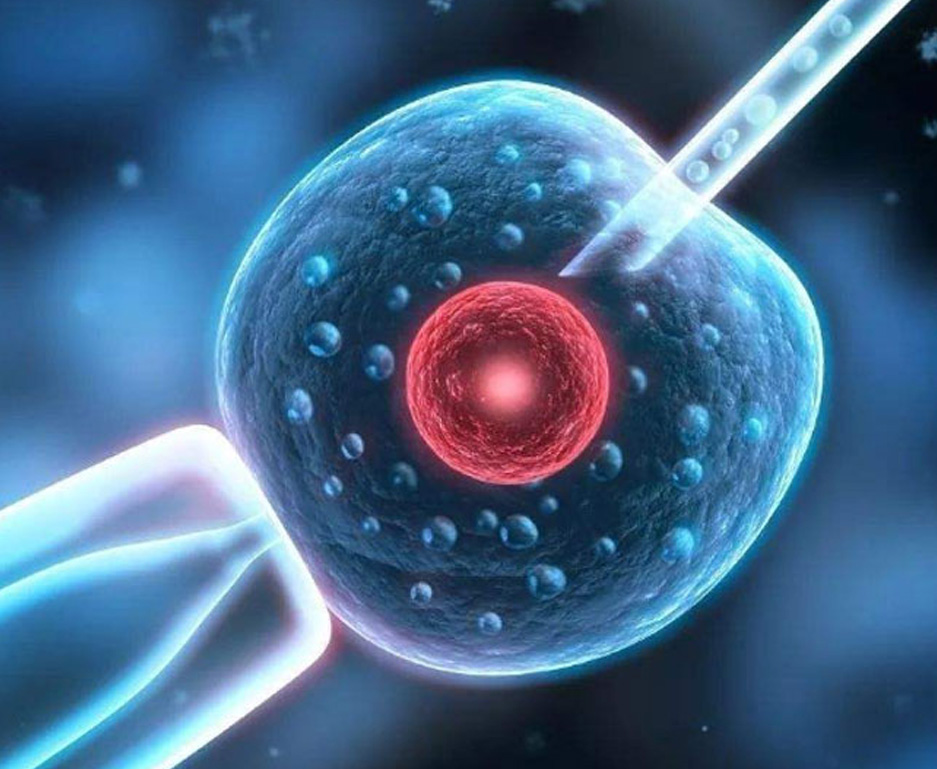
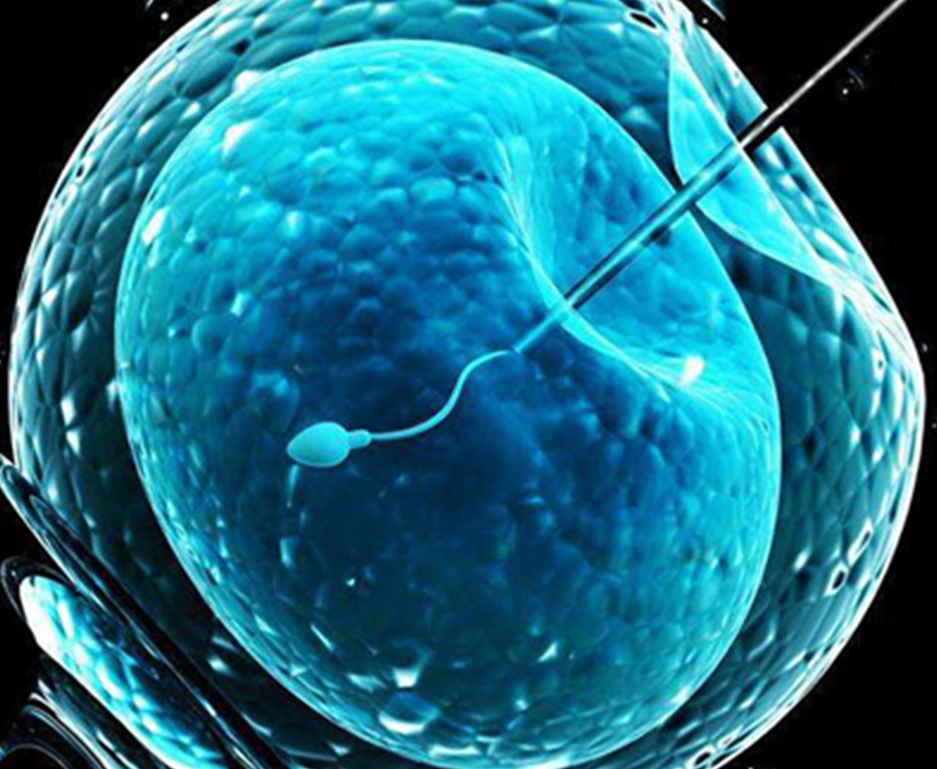
While much of IVF focuses on ovarian stimulation and egg quality, 2026 has seen significant strides in addressing severe male factor infertility. Intracytoplasmic sperm injection (ICSI), where a single sperm is injected directly into the oocyte, remains a cornerstone. However, the methods for selecting that single sperm have evolved. Clinics now widely utilize advanced motile sperm organelle morphology examination (MSOME) at magnifications exceeding 6000x to identify structurally normal sperm, reducing the risk of transmitting underlying morphological defects.
Additionally, the integration of Magnetic-Activated Cell Sorting (MACS) technology has become prevalent. MACS uses magnetic nanoparticles to bind to apoptotic sperm cells—sperm that are programmed to die but may still appear motile. By passing the semen sample through a magnetic column, these compromised sperm are trapped and discarded, leaving only non-apoptotic, highly viable sperm for fertilization. This is particularly beneficial for couples experiencing recurrent implantation failure or high sperm DNA fragmentation. DNA fragmentation index (DFI) testing is now a routine part of the initial semen analysis in top-tier clinics, as high DFI can lead to poor embryo quality even when the egg is optimal.
Selecting a fertility clinic is a highly personal decision that goes far beyond looking at advertised success rates. In 2026, intended parents must evaluate several critical factors to determine which clinic offers the best treatment for their unique medical situation. The concept of "best" is subjective; a clinic ideal for a 28-year-old with unexplained infertility may not be the right choice for a 42-year-old with diminished ovarian reserve (DOR) or a patient requiring gestational surrogacy.
The Society for Assisted Reproductive Technology (SART) provides detailed, verified success rates for all member clinics in the United States. When evaluating SART data, it is crucial to look beyond the headline pregnancy rates. A clinic that only accepts patients with a high prognosis—such as young women with no underlying health issues—will naturally report higher success rates than a clinic that treats complex cases, including those involving severe male factor, previous failed cycles, or patients over 42. Intended parents should examine the clinic's success rates stratified by age groups (under 35, 35-37, 38-40, 41-42, and over 42) and by diagnosis. Additionally, looking at the percentage of single embryo transfers (SET) is vital, as clinics pushing for single embryo transfers demonstrate a commitment to reducing multiple pregnancies, which carry higher risks for both mother and baby.
The IVF laboratory is the heart of any fertility clinic. The skill of the embryologists and the quality of the lab environment directly impact embryo development. Prospective patients should inquire about the lab's air filtration systems, as volatile organic compounds (VOCs) and microscopic particulates can severely compromise embryo growth. Cleanroom environments with HEPA filtration and positive pressure airflow are standard in high-quality labs. Additionally, the availability of advanced equipment, such as laser-assisted hatching tools, time-lapse incubators, and vitrification freezing technology, indicates a lab's capability to handle complex cases. Patients should also ask about the embryology team's experience, specifically their blastocyst conversion rates and frozen embryo survival rates.
In 2026, personalized medicine is deeply integrated into IVF treatment. Clinics offering the best care utilize pharmacogenomics to understand how a patient might metabolize specific fertility drugs based on their genetic profile. Instead of a one-size-fits-all approach, reproductive endocrinologists tailor stimulation protocols based on a patient's Anti-Müllerian Hormone (AMH) levels, Antral Follicle Count (AFC), age, Body Mass Index (BMI), and previous ovarian response. Whether a patient requires a conventional high-dose stimulation, a mild stimulation protocol, or a natural cycle IVF, the ability to customize the approach is a hallmark of a top-tier clinic.
A critical component of the IVF journey is understanding how embryos are evaluated and selected for transfer. In 2026, the Gardner grading system remains widely used for blastocysts. This system evaluates three main components: the expansion of the blastocoel cavity, the inner cell mass (ICM), and the trophectoderm (TE). A high-quality blastocyst might be graded as 4AA, indicating a fully expanded cavity, a tightly packed ICM, and a cohesive TE layer. However, clinics are increasingly moving away from relying solely on morphology. The combination of morphological grading with time-lapse AI analysis and PGT-A results provides a comprehensive picture of embryo viability. Patients should ensure their clinic communicates clearly about how embryos are graded and what specific grades mean for their individual chances of success.
One of the most pressing questions for intended parents is the cost of IVF in the United States. The financial aspect of fertility treatment can be daunting, and understanding the complete fee structure is essential for budgeting and avoiding unexpected expenses. In 2026, the average cost of a single IVF cycle in the US varies widely depending on geographic location, the specific protocols used, and whether additional services are required.
The base cost of an IVF cycle typically ranges from $10,000 to $15,000. This fee generally covers the initial consultations, monitoring appointments (blood draws and transvaginal ultrasounds), the surgical egg retrieval procedure, the embryology lab work for fertilization, and the embryo transfer. However, this base fee almost never includes the cost of fertility medications, which can be substantial. It is important to request a fully itemized quote from the clinic to understand exactly what is included in the base price.
Medications used for ovarian stimulation represent a significant portion of the overall IVF cost. Gonadotropins, such as Gonal-f, Follistim, and Menopur, are injectable hormones that stimulate the ovaries to produce multiple eggs. The cost for these medications can range from $3,000 to $6,000 per cycle, depending on the required dosage and the patient's response. Additionally, medications to prevent premature ovulation, such as Cetrotide or Ganirelix, and the trigger shot to induce final egg maturation, like Ovidrel or Lupron, add to the medication expenses. Pharmacy benefits managers (PBMs) and specialty pharmacies often work with clinics to provide competitive pricing, and some offer discount programs for self-pay patients.
Many patients require services beyond the base IVF cycle. These add-ons can significantly increase the total cost but are often necessary for specific medical indications:
| Service / Procedure | Estimated Cost Range (USD) | Notes |
|---|---|---|
| Base IVF Cycle | $10,000 - $15,000 | Includes monitoring, retrieval, fertilization, and fresh transfer. |
| Fertility Medications | $3,000 - $6,000 | Varies based on dosage and individual ovarian response. |
| PGT-A (Genetic Testing) | $2,000 - $4,000 | Recommended for advanced maternal age or recurrent loss. |
| ICSI | $1,500 - $2,500 | Necessary for male factor infertility cases. |
| Frozen Embryo Transfer (FET) | $1,500 - $3,000 | Does not include endometrial preparation medications. |
Navigating insurance coverage for IVF in the United States is complex and highly dependent on the state of residence and the specific employer's health plan. As of 2026, several states have mandated fertility preservation and IVF coverage, but mandates often do not apply to self-funded employer plans, which are governed by federal ERISA laws and exempt from state mandates.
States such as Massachusetts, Illinois, and Connecticut have robust mandates requiring insurance companies to cover IVF treatment. In these states, patients may only be responsible for copays and deductibles, significantly reducing out-of-pocket expenses. However, states like California and New York have mandates for fertility preservation (such as egg freezing) for cancer patients facing iatrogenic infertility but may not mandate full IVF coverage for general infertility. Understanding the specific legal landscape of one's home state is a crucial step in financial planning. Furthermore, patients must determine if their employer's plan is fully insured (subject to state mandates) or self-funded (subject to ERISA, exempt from mandates).
For patients without insurance coverage, many clinics offer financing options or shared risk programs (also known as refund programs). In a shared risk program, a patient pays a higher upfront fee for a package of multiple IVF cycles (usually two or three). If the patient does not achieve a live birth after completing all cycles in the package, the clinic refunds a significant portion of the money, often 70% to 100%. While these programs offer peace of mind, they are typically only available to patients with a favorable prognosis, as clinics need to manage their financial risk. Additionally, specialized medical loans, fertility-specific credit cards, and grants from non-profit organizations can help alleviate the financial burden.
The geographic location of an IVF clinic within the United States affects not only the cost but also the availability of specialized services and the legal framework surrounding third-party reproduction. Intended parents often travel out of state to access clinics with specific expertise or more favorable legal environments.
California has long been a destination for intended parents seeking donor eggs, donor sperm, and gestational surrogacy. The state's legal framework is highly protective of intended parents, allowing pre-birth orders that establish parental rights for genetic parents, regardless of marital status or sexual orientation. Clinics in Los Angeles, San Francisco, and San Diego have extensive networks of donor agencies and surrogacy agencies, streamlining the matching process. However, the cost of living in California means that IVF cycle costs may be on the higher end of the national spectrum.
The East Coast features several prominent fertility networks. Massachusetts is known for its comprehensive insurance mandate, making it an attractive location for residents seeking affordable IVF. New York has also expanded its coverage requirements in recent years, requiring large group insurance plans to cover IVF. Clinics in these regions often participate in large research networks, giving patients access to the latest clinical trials and treatment protocols.
Clinics in states like Illinois (which also has a strong insurance mandate), Texas, and Florida often offer slightly lower base cycle costs compared to coastal hubs. Texas and Florida have become increasingly popular for domestic and international patients alike, offering high-quality medical care with a growing number of specialized donor and surrogacy agencies. The legal landscape in these states varies; for instance, Texas allows for gestational surrogacy but has specific statutory requirements that must be met before a pre-birth order can be issued. Consulting with a reproductive attorney in the state where treatment and surrogacy occur is essential.
Understanding the clinical steps of IVF helps demystify the process and prepares intended parents for the journey ahead. While protocols vary, the general pathway remains consistent across top American clinics in 2026.
The journey begins with an initial consultation with a reproductive endocrinologist (RE). During this visit, the physician reviews the patient's medical history and orders baseline fertility testing. This typically includes a transvaginal ultrasound to count the antral follicles (AFC) and blood tests to measure AMH and follicle-stimulating hormone (FSH) levels. These markers provide a clear picture of the patient's ovarian reserve and help the RE determine the appropriate stimulation protocol.
Once the protocol is selected, the patient begins self-administering injectable gonadotropins. The stimulation phase usually lasts 8 to 14 days. During this time, the patient visits the clinic frequently—often every 1 to 3 days—for monitoring. Blood draws measure estradiol levels, which rise as the follicles grow, and ultrasounds measure the diameter of the developing follicles. The RE adjusts medication dosages based on this real-time data to optimize egg yield while minimizing the risk of Ovarian Hyperstimulation Syndrome (OHSS).
When the leading follicles reach a specific size (usually 18-20 mm), the patient is instructed to administer a "trigger shot" of hCG or a Lupron flare to induce final oocyte maturation. Exactly 36 hours later, the egg retrieval is performed under light sedation. Using ultrasound guidance, a needle is passed through the vaginal wall into the ovaries to aspirate the fluid and eggs from each follicle. The procedure takes about 20-30 minutes, and patients typically recover within an hour at the clinic.
In the laboratory, the retrieved eggs are examined for maturity. Mature eggs are either mixed with sperm (conventional insemination) or injected with a single sperm (ICSI). The fertilized eggs, now embryos, are placed in incubators that mimic the conditions of the human uterus. Over the next 5 to 6 days, the embryologist monitors their development. The goal is for the embryo to reach the blastocyst stage, which consists of hundreds of cells divided into the inner cell mass (which becomes the fetus) and the trophectoderm (which becomes the placenta).
In 2026, a majority of blastocysts are biopsied for PGT-A or tested via non-invasive methods. Following the biopsy or media collection, the embryos are vitrified (flash-frozen) to await genetic results. Vitrification technology has advanced significantly, yielding survival rates of over 95% upon thawing. Freezing the embryos also allows the patient's body to recover from the stimulation hormones before attempting a transfer, which has been shown to improve implantation rates.
The FET cycle involves preparing the uterine lining (endometrium) for implantation. This is typically done using estrogen pills or patches to thicken the lining, followed by progesterone injections or suppositories to make it receptive. Once the lining reaches an optimal thickness (usually 8 mm or greater) and progesterone levels are adequate, a single euploid (genetically normal) embryo is thawed and transferred into the uterus using a thin catheter under ultrasound guidance. This procedure is painless and requires no anesthesia.
While IVF is highly successful, some patients experience recurrent implantation failure (RIF) or recurrent pregnancy loss (RPL). In 2026, clinics have specialized protocols to address these challenging cases. The Endometrial Receptivity Analysis (ERA) is frequently utilized to pinpoint the exact window of implantation for a patient, as some women require more or fewer days of progesterone before the uterus is receptive. Additionally, the Endometrial Microbiome Metagenomic Analysis (EMMA) and Analysis of Infectious Chronic Endometritis (ALICE) tests assess the uterine bacterial environment. An imbalance in the microbiome or chronic endometritis can prevent implantation, and targeted antibiotic treatments can resolve these issues.
For patients with RPL, advanced genetic testing of both partners, evaluation of the uterine cavity via hysteroscopy for septums or polyps, and thrombophilia screening are standard. Some clinics also explore immunological protocols, such as the use of intralipid infusions or specific immunomodulators, although the evidence for these treatments remains a subject of ongoing research and debate within the medical community.
To illustrate the varied experiences of IVF patients in 2026, consider the following anonymized case studies that highlight different clinical scenarios.
Sarah, a 38-year-old woman, had been trying to conceive for over a year. Her AMH level was 0.6 ng/mL, indicating a low ovarian reserve. Her local clinic suggested using high doses of gonadotropins, but Sarah sought a second opinion at a specialized clinic that advocated for a more personalized approach. The RE recommended a "duo-stim" protocol, which involves two rounds of ovarian stimulation within a single menstrual cycle. In the first round, three eggs were retrieved, resulting in one blastocyst. Immediately after retrieval, a second stimulation was initiated in the luteal phase, yielding two more eggs and one blastocyst. PGT-A testing revealed that one of the two blastocysts was euploid. Sarah underwent a Frozen Embryo Transfer, and at age 39, she successfully delivered a healthy baby girl. This case highlights the importance of tailored protocols for low responders, maximizing efficiency without overmedicating.
Maria and James, a couple aged 44 and 46, had experienced three miscarriages due to chromosomal abnormalities associated with advanced maternal age. After genetic counseling, they decided to pursue donor egg IVF. They selected an egg donor through a licensed agency—a 24-year-old woman with proven fertility and an excellent medical history. The donor underwent ovarian stimulation, producing 18 eggs. Eight of these fertilized successfully and developed into blastocysts. PGT-A confirmed that five were euploid. Maria's uterus was prepared with hormone replacement therapy, and a single embryo was transferred. The pregnancy progressed without complications, resulting in the birth of a healthy boy. This scenario demonstrates how donor egg IVF bypasses the age-related decline in egg quality, offering high success rates for older intended mothers.
Alex and David, a married same-sex couple, wished to have a biological child. They engaged the services of a fertility clinic in California, a state with favorable legal frameworks for surrogacy. They utilized an egg donor and Alex's sperm to create embryos. Four blastocysts were created, and two were euploid. Simultaneously, they matched with a gestational carrier through a surrogacy agency. The carrier underwent medical and psychological screening, and her uterus was prepared for transfer. A single embryo was transferred to the carrier. After a healthy 39-week pregnancy, the carrier delivered twins (a rare instance of the embryo splitting). Alex and David were present at the birth and obtained a pre-birth order, ensuring their names were placed on the birth certificate immediately. This case underscores the comprehensive nature of American IVF, accommodating diverse family structures through advanced medical and legal frameworks.
Emily, a 29-year-old woman, was diagnosed with breast cancer. Her oncologist recommended aggressive chemotherapy, which carried a high risk of ovarian failure. Emily was referred to a fertility clinic for emergency fertility preservation. Given the time-sensitive nature of her cancer treatment, the RE initiated a random-start ovarian stimulation protocol, which does not require waiting for the onset of menstruation. Within 12 days, 15 eggs were retrieved and vitrified for future use. Emily proceeded with her cancer treatment and achieved remission. Two years later, she returned to the clinic. Her frozen eggs were thawed, fertilized with her partner's sperm, and resulted in two euploid blastocysts. After a medicated FET cycle, she successfully conceived. This case highlights the critical intersection of oncology and reproductive medicine, known as oncofertility, and the importance of timely intervention.
Despite the abundance of information, several myths surrounding IVF persist, which can cause unnecessary anxiety or lead to poor decision-making.
For years, patients were advised to stay on strict bed rest for days following an embryo transfer. Clinical studies have unequivocally debunked this. In fact, prolonged bed rest may increase the risk of blood clots and does not improve implantation rates. Patients are encouraged to resume normal, light activities immediately after the transfer. The uterus is a closed, muscular environment, and the embryo is safely tucked within the endometrial lining; it will not "fall out" if you walk or use the restroom.
In the early days of IVF, multiple embryos were often transferred to increase the odds of success, leading to high rates of twins and triplets. In 2026, the standard of care in the United States is elective single embryo transfer (eSET), particularly when PGT-A is utilized. Transferring one genetically normal embryo yields pregnancy rates comparable to transferring two untested embryos, while drastically reducing the risk of multiples. Multiple pregnancies carry higher risks of premature birth, low birth weight, and maternal complications.
Intended parents often hear that they "just need to relax" for the IVF to work. While chronic severe stress can impact overall health, everyday stress and anxiety do not cause IVF failure or miscarriages. The biological mechanisms of embryo implantation are governed by hormonal and molecular factors, not by a patient's emotional state. This misconception often places undue guilt on patients who are already navigating a stressful journey. Clinics now emphasize psychological support to improve the patient experience, rather than framing stress as a cause of failure.
Another common myth is that children conceived via IVF are inherently less healthy than naturally conceived children. Extensive longitudinal studies have shown that IVF children grow and develop normally. The slight increase in certain rare conditions (such as imprinting disorders) is primarily associated with the underlying infertility of the parents rather than the IVF procedure itself. With the advent of PGT-A, IVF actually reduces the risk of chromosomal abnormalities compared to natural conception, particularly for older mothers.
Optimizing one's health before starting an IVF cycle can significantly impact the quality of eggs and sperm, as well as the overall success of the treatment. Both partners should focus on lifestyle modifications for at least three months prior to the cycle, as it takes roughly 90 days for an egg to mature and sperm to regenerate.
A Mediterranean-style diet, rich in anti-inflammatory foods, lean proteins, and healthy fats, has been associated with improved IVF outcomes. Patients are often advised to increase their intake of leafy greens, whole grains, and omega-3 fatty acids found in fish like salmon. Regarding supplements, Coenzyme Q10 (CoQ10) is frequently recommended for women, particularly those over 35, to support mitochondrial function in eggs. DHEA may be suggested for women with diminished ovarian reserve, though it should only be taken under medical supervision as it can alter hormone levels. For men, antioxidants like Vitamin C, Vitamin E, and selenium can help reduce sperm DNA fragmentation. Folic acid is universally recommended to prevent neural tube defects.
Achieving a healthy Body Mass Index (BMI) is crucial. A BMI that is too high or too low can disrupt hormonal balance and negatively affect ovarian response. Obesity can increase the risk of OHSS and complications during pregnancy, such as gestational diabetes and preeclampsia. Conversely, a very low BMI can lead to inadequate estrogen production and a thin uterine lining. Clinics generally recommend a BMI between 19 and 30 for optimal IVF outcomes. Weight management through diet and moderate exercise is a vital pre-treatment step.
Smoking tobacco or marijuana is strictly discouraged, as both are linked to reduced fertility and poorer IVF success rates. Alcohol consumption should be eliminated once the cycle begins. Additionally, exposure to endocrine-disrupting chemicals found in certain plastics, personal care products, and pesticides should be minimized. Using BPA-free containers, avoiding heating food in plastic, and choosing organic produce when possible can reduce toxic load and improve reproductive health.
The period following the embryo transfer, often referred to as the "two-week wait," is a time of anticipation. Proper care during this phase supports the body and prepares for the possibility of pregnancy.
Following an FET, patients must continue taking progesterone and estrogen as prescribed. These hormones are critical for maintaining the uterine lining and supporting early pregnancy until the placenta takes over hormone production around the 8th to 10th week of gestation. Missing doses or stopping medication prematurely can jeopardize the implantation process. Patients should strictly follow their clinic's medication schedule and attend all scheduled blood tests to monitor hormone levels.
While strict bed rest is unnecessary, high-impact exercises, heavy lifting, and strenuous activities should be avoided during the two-week wait and early pregnancy. Light activities such as walking, gentle yoga, and stretching are encouraged to promote blood circulation and reduce stress. Patients should listen to their bodies and rest when fatigued.
Approximately 9 to 11 days after the embryo transfer, the clinic will perform a blood test to measure the level of human chorionic gonadotropin (hCG). If the beta hCG level indicates pregnancy, a second test is usually done 48 hours later to ensure the hormone levels are doubling appropriately. Around 6 to 7 weeks of gestation, the first transvaginal ultrasound is performed to confirm the location of the pregnancy and detect the fetal heartbeat. This milestone marks the transition from the fertility clinic to a standard obstetrician for ongoing prenatal care.
The emotional toll of infertility and IVF is profound. The hormonal fluctuations, the financial investment, and the uncertainty of the outcome can lead to anxiety and depression. Recognizing the importance of mental health, top American clinics integrate psychological support into their care models. Patients have access to specialized fertility counselors who can provide coping strategies, stress reduction techniques, and a safe space to process their emotions. Support groups, both in-person and online, also offer a sense of community, allowing patients to connect with others who understand their journey. Prioritizing mental well-being is not just about comfort; it improves the overall patient experience and resilience throughout the process.
When seeking IVF treatment in the US, choosing the right medical institution is paramount. The following clinics are recognized for their comprehensive services, adherence to high medical standards, and contributions to reproductive medicine. This list is not ranked, and patients should evaluate each clinic based on their specific needs.
Shady Grove Fertility is one of the largest fertility networks in the United States, with numerous locations primarily across the East Coast, including Maryland, Virginia, and Pennsylvania. The clinic is known for its extensive donor egg and gestational carrier programs, as well as its financial programs like the Shared Risk 100% Refund Plan. Shady Grove Fertility maintains a robust research arm, frequently contributing to clinical studies that advance the field of reproductive endocrinology. Their large team of physicians allows them to match patients with specialists who focus on specific infertility diagnoses, ensuring tailored care.
Operating primarily in Southern California, HRC Fertility (part of the US Fertility network) is a prominent institution for IVF and third-party reproduction. California's legal environment makes HRC a frequent choice for same-sex couples and individuals seeking surrogacy. HRC Fertility offers a wide array of services, including egg freezing, PGT, and fertility preservation for oncology patients. Their laboratories are equipped with continuous monitoring systems, and they have a strong track record of success with patients requiring donor gametes. The clinic also participates in international patient programs, assisting those traveling to the US for treatment.
CCRM (Colorado Center for Reproductive Medicine) was founded in the Denver area and has since expanded to multiple states. CCRM is widely recognized for its in-house genetics laboratory, which allows for rapid turnaround times on PGT results. The clinic has historically focused on complex cases, including patients with recurrent implantation failure and severe male factor infertility. Their integrated model of care, combining clinical services, embryology, and genetics under one roof, ensures streamlined communication among the care team. CCRM also conducts ongoing research into egg freezing and ovarian rejuvenation.
RMA is a network of fertility clinics with a significant presence in New Jersey, New York, and other regions. RMA is known for its commitment to elective single embryo transfer (eSET) to reduce the incidence of multiple pregnancies. The network participates actively in research and clinical trials, often being among the first to adopt new technologies like non-invasive PGT and AI embryo selection. RMA's physicians frequently publish peer-reviewed studies, contributing to the establishment of evidence-based protocols in the IVF industry. They also offer comprehensive oncofertility services for cancer patients.
As 2026 progresses, the field of American IVF continues to push boundaries. Research into in vitro gametogenesis (IVG)—the process of creating sperm and eggs from somatic cells—holds promise for the future, though it remains experimental. Stem cell therapies for ovarian rejuvenation are also under investigation, offering hope for women with severely depleted ovarian reserves. The integration of big data and machine learning will further refine stimulation protocols, making them even more predictive and personalized.
The journey through IVF is complex, requiring significant emotional, physical, and financial investment. By understanding the technological advancements, carefully evaluating clinic offerings and SART data, preparing financially for the comprehensive cost breakdown, and prioritizing pre- and post-treatment care, intended parents can navigate this landscape with confidence. The United States remains a leader in reproductive medicine, offering a combination of medical excellence and legal frameworks that support diverse paths to parenthood. Whether seeking treatment for age-related infertility, genetic screening, or third-party reproduction, the clinics across the country provide the resources and expertise necessary to help individuals achieve their dream of building a family.