News Center
# Detailed Explanation of American IVF for Women with Diminished Ovarian Function

 Introduction to Diminished Ovarian Function (DOR)
Diminished Ovarian Function (DOR) refers to a condition where a woman’s ovaries lose their normal reproductive potential, resulting in reduced egg quantity and quality. Unlike premature ovarian insufficiency (POI), which involves a more severe decline in ovarian function often leading to early menopause, DOR is a gradual reduction that can occur in women as young as their 30s. This condition can be caused by a variety of factors, including genetic predispositions, autoimmune disorders, previous ovarian surgery, exposure to chemotherapy or radiation, and even lifestyle factors such as smoking, excessive alcohol consumption, and chronic stress.

For women with DOR, the dream of starting or expanding a family can feel out of reach. However, advancements in reproductive medicine, particularly in vitro fertilization (IVF), have provided new hope. American IVF clinics, renowned for their cutting-edge technology, personalized treatment plans, and high success rates, have become a global destination for women seeking to overcome DOR and achieve pregnancy.

 Understanding the Basics of IVF for DOR
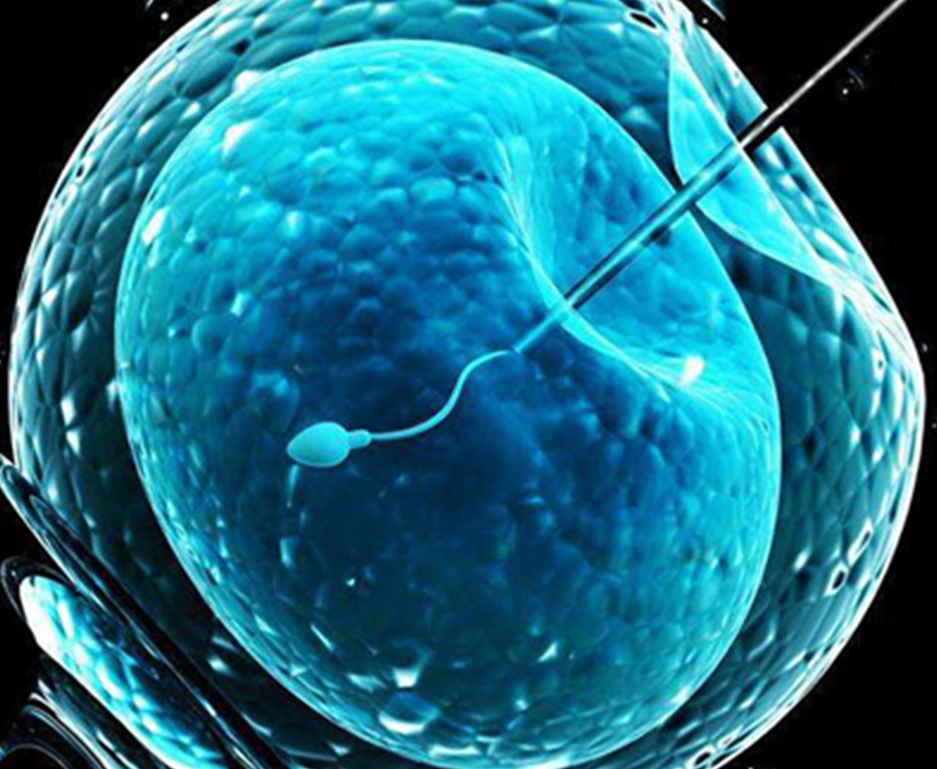
In vitro fertilization is a complex series of procedures designed to help with fertility or prevent genetic problems and assist with the conception of a child. For women with DOR, the standard IVF process is often modified to address the specific challenges posed by reduced ovarian reserve.

The first step in any IVF treatment is a comprehensive fertility evaluation. For women with DOR, this evaluation typically includes blood tests to measure hormone levels, such as follicle-stimulating hormone (FSH), luteinizing hormone (LH), estradiol, and anti-Müllerian hormone (AMH). These tests provide valuable insights into the quantity and quality of a woman’s remaining eggs. Additionally, transvaginal ultrasounds are used to count the number of antral follicles, which are small, fluid-filled sacs in the ovaries that contain immature eggs.

Once the evaluation is complete, the fertility specialist will develop a personalized treatment plan. For women with DOR, this plan may involve using high-dose fertility medications to stimulate the ovaries and encourage the growth of multiple eggs. However, because women with DOR have fewer eggs available, the response to these medications may be limited. As a result, the number of eggs retrieved during the egg retrieval procedure may be lower than in women with normal ovarian function.

Despite the challenges, IVF can still be successful for women with DOR. The key is to work with a highly skilled fertility specialist who has experience treating this condition and can tailor the treatment plan to meet the individual needs of each patient.

 Advanced IVF Techniques for DOR
American IVF clinics are at the forefront of developing and implementing advanced techniques to improve the success rates of IVF for women with DOR. These techniques include:

 Minimal Stimulation IVF
Minimal stimulation IVF, also known as mini-IVF, is a gentler alternative to traditional IVF. Instead of using high doses of fertility medications, minimal stimulation IVF uses lower doses of medications or even oral medications to stimulate the ovaries. This approach is particularly beneficial for women with DOR, as it reduces the risk of ovarian hyperstimulation syndrome (OHSS) and minimizes the physical and emotional stress associated with traditional IVF.

Although the number of eggs retrieved during minimal stimulation IVF may be lower, the quality of the eggs is often comparable to those retrieved during traditional IVF. Additionally, the lower cost and shorter treatment cycle make minimal stimulation IVF a more accessible option for many women.

 Natural Cycle IVF
Natural cycle IVF is another option for women with DOR. As the name suggests, this approach does not involve the use of fertility medications to stimulate the ovaries. Instead, the fertility specialist monitors the woman’s natural menstrual cycle and retrieves the single mature egg that is released each month.

Natural cycle IVF is a low-risk, low-cost option that is ideal for women who prefer a more natural approach to fertility treatment. However, because only one egg is retrieved per cycle, the success rates are typically lower than with traditional IVF or minimal stimulation IVF. For this reason, natural cycle IVF is often combined with other techniques, such as preimplantation genetic testing (PGT), to improve the chances of a successful pregnancy.

 Preimplantation Genetic Testing (PGT)
Preimplantation genetic testing is a revolutionary technique that allows fertility specialists to screen embryos for genetic abnormalities before they are transferred to the uterus. For women with DOR, PGT can be particularly beneficial, as it helps to identify the healthiest embryos and reduce the risk of miscarriage or genetic disorders.

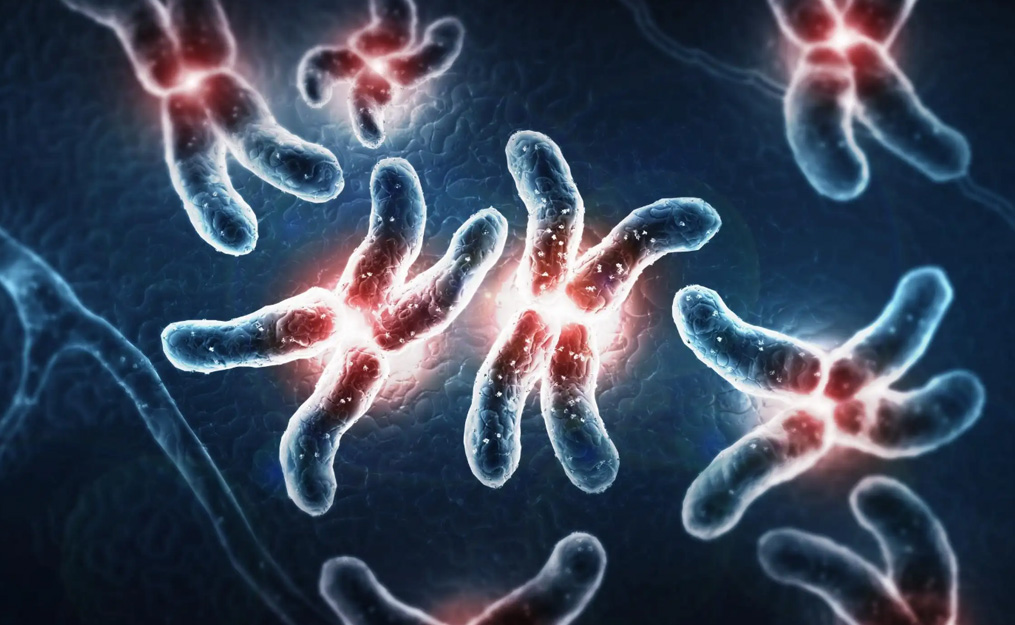
There are two main types of PGT: PGT-A (preimplantation genetic testing for aneuploidy) and PGT-M (preimplantation genetic testing for monogenic/single gene defects). PGT-A screens for chromosomal abnormalities, such as Down syndrome, while PGT-M screens for specific genetic mutations that are known to cause inherited disorders.

By using PGT, fertility specialists can select the most viable embryos for transfer, increasing the chances of a successful pregnancy and reducing the need for multiple IVF cycles. This is especially important for women with DOR, who may have a limited number of eggs available for retrieval.

 Egg Donation
For women with severe DOR, egg donation may be the most effective option. Egg donation involves using eggs from a healthy, young donor to create embryos that are then transferred to the recipient’s uterus. This approach bypasses the woman’s own diminished ovarian function and allows her to experience pregnancy and childbirth.

American IVF clinics have extensive networks of egg donors, and the process of selecting a donor is highly personalized. Recipients can choose a donor based on a variety of characteristics, including physical appearance, educational background, and medical history. Additionally, many clinics offer anonymous and known donation options, allowing recipients to choose the level of contact they have with the donor.

Egg donation has a high success rate, with many recipients achieving pregnancy on their first attempt. However, it is important to note that the legal and ethical considerations surrounding egg donation can be complex, and recipients should work closely with their fertility specialist and a legal advisor to ensure that all aspects of the process are handled properly.

 The Role of Lifestyle Modifications in IVF Success for DOR
While IVF is a powerful tool for overcoming DOR, lifestyle modifications can also play a significant role in improving the chances of a successful pregnancy. Making healthy lifestyle changes can help to optimize egg quality, reduce stress, and improve overall reproductive health.

 Diet and Nutrition
A healthy diet is essential for maintaining optimal reproductive health. Women with DOR should focus on eating a balanced diet that is rich in fruits, vegetables, whole grains, lean proteins, and healthy fats. Additionally, certain nutrients, such as folic acid, iron, and omega-3 fatty acids, have been shown to improve egg quality and reduce the risk of birth defects.

It is also important to limit the consumption of processed foods, sugary drinks, and excessive amounts of caffeine and alcohol. These substances can have a negative impact on ovarian function and reduce the chances of a successful pregnancy.

 Exercise and Physical Activity
Regular exercise is another important aspect of a healthy lifestyle for women with DOR. Exercise helps to reduce stress, improve circulation, and maintain a healthy weight, all of which can have a positive impact on reproductive health.

However, it is important to avoid excessive exercise, as this can disrupt the menstrual cycle and reduce ovarian function. Women with DOR should aim for moderate exercise, such as walking, yoga, or swimming, for at least 30 minutes a day, five days a week.

 Stress Management
Chronic stress can have a significant impact on reproductive health, including reducing ovarian function and increasing the risk of miscarriage. For women with DOR, who may already be dealing with the emotional stress of fertility treatment, managing stress is particularly important.

There are many effective stress management techniques, including meditation, deep breathing exercises, mindfulness, and counseling. Women with DOR should explore different techniques to find what works best for them and incorporate these practices into their daily routine.

 Avoiding Environmental Toxins
Exposure to environmental toxins, such as pesticides, heavy metals, and chemicals in personal care products, can also have a negative impact on ovarian function. Women with DOR should take steps to reduce their exposure to these toxins by choosing organic foods, using natural personal care products, and avoiding contact with harmful chemicals in the workplace and home.

 Choosing the Right American IVF Clinic for DOR
Choosing the right IVF clinic is a critical decision for women with DOR. With so many clinics to choose from, it can be overwhelming to know where to start. Here are some factors to consider when selecting an American IVF clinic:

 Success Rates
One of the most important factors to consider is the clinic’s success rates. However, it is important to look beyond the overall success rates and focus on the clinic’s success rates specifically for women with DOR. This information can usually be found on the clinic’s website or by contacting the clinic directly.

 Experience and Expertise
The experience and expertise of the fertility specialists and medical staff are also crucial. Women with DOR should look for a clinic that has a team of highly trained and experienced fertility specialists who have a proven track record of treating DOR successfully.

 Technology and Facilities
American IVF clinics are known for their state-of-the-art technology and facilities. Women with DOR should look for a clinic that uses the latest advancements in reproductive medicine, such as PGT, time-lapse embryo monitoring, and advanced embryo culture systems.

 Personalized Treatment Plans
Every woman with DOR is unique, and her treatment plan should be tailored to her individual needs. Women should look for a clinic that takes a personalized approach to fertility treatment and works closely with each patient to develop a plan that is right for her.

 Support Services
Fertility treatment can be emotionally and physically draining, and having access to support services is essential. Women with DOR should look for a clinic that offers a range of support services, such as counseling, support groups, and nutritional counseling.

 Conclusion
Diminished Ovarian Function can be a challenging condition for women who want to start or expand their families. However, with the help of American IVF clinics and advanced reproductive technologies, many women with DOR are able to achieve their dream of pregnancy and childbirth.

By understanding the basics of IVF for DOR, exploring advanced treatment options, making healthy lifestyle modifications, and choosing the right IVF clinic, women with DOR can increase their chances of a successful pregnancy. While the journey may be long and difficult, the reward of holding a healthy baby in your arms is well worth the effort.