News Center
The landscape of assisted reproductive technology (ART) in the United States is continuously evolving, with 2026 marking another significant milestone in the realm of In Vitro Fertilization (IVF). As technology advances and protocols become more refined, individuals and couples exploring fertility options face a complex matrix of clinical choices and financial considerations. Navigating the American fertility market requires a deep understanding of clinical success metrics, the nuances of laboratory technologies, and the intricate structure of treatment costs. For those embarking on this deeply personal journey, acquiring comprehensive, objective information is the foundation of making empowered healthcare decisions.
In 2026, the field of reproductive endocrinology continues to integrate advanced diagnostics and personalized medicine approaches. The shift from traditional IVF protocols to tailored stimulation regimens has allowed clinicians to optimize ovarian response while minimizing the risk of Ovarian Hyperstimulation Syndrome (OHSS). Furthermore, the integration of artificial intelligence in embryology laboratories has enhanced the precision of embryo selection, moving beyond subjective morphological grading to more objective, time-lapse predictive modeling.
Despite these technological leaps, the core principles of evaluating an IVF clinic remain anchored in transparency, consistent clinical outcomes, and patient-centered care. Prospective patients must navigate through marketing narratives to understand the actual clinical efficacy of a program. This involves scrutinizing Society for Assisted Reproductive Technology (SART) data, understanding clinic specialization, and evaluating the comprehensiveness of ancillary services such as genetic counseling and psychological support.
The financial aspect of IVF is often one of the most daunting hurdles for intended parents. In the United States, the cost of a single IVF cycle is multifaceted, encompassing professional fees, laboratory charges, medication, and ancillary services. Understanding this breakdown is crucial for accurate financial planning.
A standard IVF cycle in the US typically ranges from $12,000 to $15,000 in base clinical and laboratory fees. This baseline includes ovarian stimulation monitoring, the egg retrieval procedure, embryo culture in the laboratory, and the fresh embryo transfer. However, this base fee rarely captures the total out-of-pocket expenditure.
| Service Component | Estimated Cost Range (USD) | Description |
|---|---|---|
| Base IVF Cycle | $12,000 - $15,000 | Includes monitoring, retrieval, lab culture, and transfer. |
| Fertility Medications | $3,000 - $6,000 | Gonadotropins, antagonists, and trigger shots. |
| ICSI (Intracytoplasmic Sperm Injection) | $1,500 - $2,500 | Used primarily for male factor infertility. |
| PGT-A (Preimplantation Genetic Testing) | $2,000 - $4,000 | Biopsy and genetic analysis of embryos for aneuploidy. |
| Frozen Embryo Transfer (FET) | $3,000 - $5,000 | Thawing and transferring previously frozen embryos. |
| Anesthesia / Facility Fees | $500 - $1,500 | Sedation during egg retrieval and use of surgical center. |
Pharmaceuticals represent a highly variable component of IVF expenses. The dosage of gonadotropins required to stimulate the ovaries is tailored to the patient’s Anti-Müllerian Hormone (AMH) levels, Antral Follicle Count (AFC), age, and Body Mass Index (BMI). A patient with Diminished Ovarian Reserve (DOR) may require higher doses of Follicle-Stimulating Hormone (FSH) and Luteinizing Hormone (LH), pushing medication costs toward the upper end of the spectrum. Additionally, the choice between brand-name and generic fertility medications can influence the final pharmacy bill.
Clinics may offer various add-on services designed to enhance success rates. These include Assisted Hatching (AH), Endometrial Receptivity Analysis (ERA), and the use of specialized culture media. While these technologies can be beneficial in specific clinical scenarios, patients should engage in detailed discussions with their reproductive endocrinologist to understand the evidence-based value of these add-ons for their particular diagnosis.
Geographic location plays a substantial role in both the cost and accessibility of IVF treatment in the United States. Regional variations in cost of living, laboratory competition, and state-level insurance mandates create a disparate landscape for fertility patients.
Major coastal cities such as New York, Los Angeles, and San Francisco typically feature the highest base costs for IVF cycles. In these metropolitan hubs, real estate and operational overheads for clinics are significantly elevated, costs which are inevitably passed on to the consumer. However, these regions also boast a high density of specialized clinics, offering patients access to niche expertise, multilingual staff, and highly experienced embryology teams. For patients seeking specific services such as gestational surrogacy or preimplantation genetic testing for monogenic disorders (PGT-M), these metropolitan centers provide robust infrastructure.
Conversely, states in the Midwest and the South often present more affordable base rates for IVF. Clinics in regions like Texas, Illinois, and Ohio may offer cycles at a slightly reduced fee structure compared to their coastal counterparts. Despite the lower overhead, many of these clinics maintain state-of-the-art laboratories and report clinical outcomes that rival national averages. The decision to travel to these regions, often termed "fertility tourism" within the US, can sometimes yield significant cost savings even after factoring in travel and accommodation expenses.
Perhaps the most significant geographic factor is the presence of state insurance mandates for fertility preservation and IVF. States such as Massachusetts, Illinois, and Connecticut have robust mandates requiring insurance companies to cover the diagnosis and treatment of infertility, including IVF. In these states, out-of-pocket costs for patients with qualifying insurance plans can be reduced to mere copays. In contrast, patients in states without mandates may bear the full financial burden. Prospective patients must thoroughly review their insurance policies, as even in mandate states, self-funded employer plans are often exempt from state regulations under the Employee Retirement Income Security Act (ERISA).
Selecting a fertility clinic is a deeply consequential decision. While success rates are a critical metric, relying solely on a clinic's headline number can be misleading. A sophisticated evaluation requires a multi-layered analysis of clinical data, laboratory standards, and patient experience.
The Society for Assisted Reproductive Technology (SART) and the Centers for Disease Control and Prevention (CDC) publish annual clinic-specific success rates. These reports detail the percentage of cycles resulting in live births, stratified by patient age groups (under 35, 35-37, 38-40, 41-42, and over 42). When analyzing this data, it is vital to consider the clinic's patient demographic. A clinic that accepts a high volume of complex cases, such as patients with recurrent pregnancy loss or severe Diminished Ovarian Reserve, may naturally exhibit lower overall success rates compared to a clinic that primarily treats younger, uncomplicated patients or utilizes strict criteria for accepting patients.
The embryology lab is the heart of any IVF clinic. The expertise of the embryologists and the quality of the laboratory environment directly impact embryo development. Patients should inquire about the lab's certification from the College of American Pathologists (CAP) and the Clinical Laboratory Improvement Amendments (CLIA). Furthermore, the adoption of continuous time-lapse imaging systems, which monitor embryo development without disturbing the incubator environment, is an indicator of a lab invested in modern technology.
For individuals seeking specialized reproductive care, the United States is home to numerous highly regarded fertility centers. While it is not possible to definitively state which hospital is universally "the best," as the ideal choice depends on individual medical needs, several institutions are consistently recognized for their comprehensive services, research contributions, and clinical outcomes.
CCRM Fertility is a nationally recognized network of fertility clinics known for its data-driven approach and integration of cutting-edge genetic research. With locations spanning multiple states, CCRM emphasizes a personalized protocol structure backed by their in-house genetics laboratory. They are noted for handling complex infertility cases, including those requiring advanced preimplantation genetic testing and fertility preservation for oncology patients.
Shady Grove Fertility operates as one of the largest fertility practices in the United States, with a significant presence along the East Coast. The institution is characterized by its vast clinical experience and a wide array of financial programs, including shared risk refund options that provide patients with a degree of financial security. Their practice integrates comprehensive donor egg and gestational carrier programs, supported by a robust team of in-house psychologists and financial counselors.
Located in New York, the NYU Langone Fertility Center is an academic medical center that combines clinical practice with ongoing research. As a hospital-based program, it offers a high level of integrated medical care, which is particularly beneficial for patients with coexisting medical conditions or those requiring multidisciplinary oversight. NYU Langone is recognized for its work in ovarian reserve testing, egg freezing, and treating patients of advanced reproductive age.
HRC Fertility, with multiple locations throughout Southern California, is a prominent practice known for its contributions to reproductive endocrinology. The clinic offers a full spectrum of services, from basic ovulation induction to complex IVF and third-party reproduction. HRC Fertility is often sought out by international patients due to its established donor and surrogate networks, as well as its experience in navigating the legal and logistical complexities of cross-border reproductive care.
The high cost of IVF necessitates a thorough exploration of financial avenues. Beyond state insurance mandates, several strategies can help mitigate the financial burden of fertility treatment.
An increasing number of employers in the United States are recognizing the value of fertility benefits as part of comprehensive healthcare packages. Companies may partner with third-party fertility benefit managers, such as Progyny or Carrot, to offer employees dedicated coverage for consultations, medications, and IVF cycles. These programs often utilize a "smart cycle" model, where a single unit of benefit covers a full IVF cycle including associated services like PGT-A and frozen embryo transfers. Patients should consult their human resources departments to ascertain the specifics of their employer-sponsored benefits.
Many clinics offer shared risk or refund programs, typically requiring an upfront payment that covers a package of multiple IVF cycles (often three). If the patient does not achieve a live birth after completing the package, a significant portion of the fee is refunded. While these programs provide peace of mind, patients must carefully review the eligibility criteria, as some programs exclude patients over a certain age or those with specific diagnoses like severe DOR. Additionally, patients must understand what defines a "successful" outcome in the contract, usually a live birth, rather than merely a positive pregnancy test.
Various non-profit organizations and foundations offer financial grants to assist with IVF costs. Organizations such as Baby Quest Foundation, The Cade Foundation, and RESOLVE: The National Infertility Association provide periodic grants that can cover partial or full cycle costs. The application process is often competitive and may require demonstrating financial need, providing medical records, and articulating the personal journey with infertility.
The continuous integration of novel technologies in the IVF laboratory has profoundly influenced clinical protocols and success rates. Understanding these technologies allows patients to engage in informed discussions with their medical team.
Traditional embryo grading requires embryologists to remove embryos from the incubator at specific intervals to assess morphology under a microscope. Time-lapse incubators, such as the EmbryoScope, utilize continuous imaging to monitor embryo development without environmental disturbance. This technology captures dynamic developmental milestones, such as the timing of cleavage and blastocyst formation. In 2026, the integration of artificial intelligence with time-lapse data has become more prevalent, utilizing algorithms to identify morphokinetic patterns highly correlated with implantation potential, thereby aiding in the selection of the most viable embryo for transfer.
Traditional PGT-A requires a trophectoderm biopsy, where a few cells are removed from a blastocyst. While generally safe, this invasive procedure carries a minimal risk of embryo damage. The emerging field of non-invasive PGT (niPGT) analyzes cell-free DNA (cfDNA) released by the embryo into the surrounding culture media. As this technology matures, it offers the potential to assess embryo ploidy without physically manipulating the embryo, representing a significant paradigm shift in genetic testing protocols.
The ERA test evaluates the expression of specific genes in the endometrial lining to determine the optimal "window of implantation." In some patients, the window may be displaced, meaning the endometrium is receptive to an embryo earlier or later than the standard timeline. By identifying a personalized receptive phase, clinicians can schedule the Frozen Embryo Transfer (FET) with precision. While the clinical utility of ERA is debated in cases of first-time transfers, it is frequently utilized for patients with recurrent implantation failure.
To illustrate the practical application of these medical and financial concepts, examining detailed clinical scenarios provides valuable context.
A 41-year-old female presented with a history of primary infertility for two years. Initial workup revealed an AMH level of 0.4 ng/mL and an AFC of 4, indicating severe Diminished Ovarian Reserve. The patient and her partner opted for treatment at a clinic specializing in DOR. The physician recommended a modified natural cycle IVF approach, utilizing minimal stimulation to prioritize egg quality over quantity. Over three retrieval cycles, four oocytes were retrieved, yielding two blastocysts. PGT-A was performed, revealing one euploid (chromosomally normal) embryo. Following an ERA test, which indicated a receptive window shifted by 12 hours, a single frozen embryo transfer was executed. The patient achieved a clinical pregnancy and subsequent live birth. This case highlights the necessity of tailored protocols for DOR patients and the value of accumulating embryos over multiple minimal stimulation cycles.
A 34-year-old female experienced three consecutive first-trimester miscarriages. Standard recurrent pregnancy loss evaluations, including karyotyping of both partners, antiphospholipid antibody syndrome screening, and uterine cavity evaluation via hysteroscopy, yielded unremarkable results. The couple consulted a reproductive endocrinologist who discussed the role of sporadic chromosomal aneuploidy in early loss. They proceeded with IVF and PGT-A. In the stimulation cycle, 12 oocytes were retrieved, resulting in 8 blastocysts. PGT-A identified 3 euploid embryos. The first euploid embryo transfer resulted in a successful, uneventful pregnancy. This scenario demonstrates how PGT-A can be utilized not merely for infertility, but as a tool to reduce the emotional and physical toll of recurrent pregnancy loss.
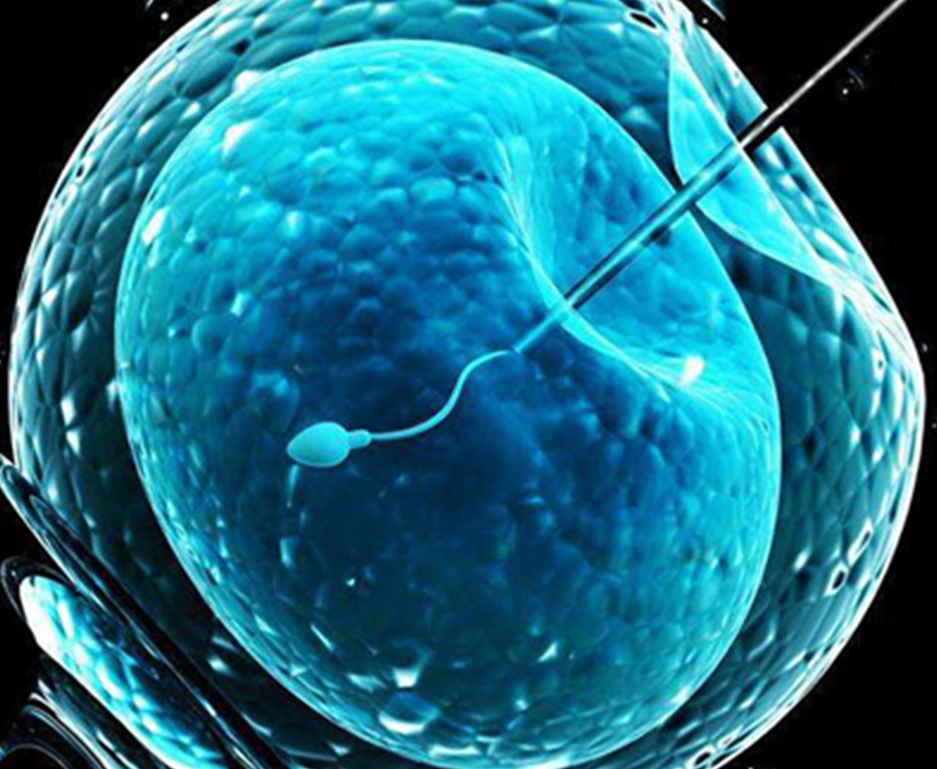
A 29-year-old couple presented with an inability to conceive for one year. Semen analysis revealed severe oligoasthenoteratozoospermia (OAT), with a concentration of 2 million sperm per milliliter, 5% motility, and 2% normal morphology. Given the severe male factor, conventional IVF fertilization was deemed likely to fail. The clinic recommended ICSI, where a single morphologically normal sperm is injected directly into the mature oocyte. Following ICSI, 8 out of 10 injected oocytes fertilized normally. Two blastocysts were transferred in a fresh cycle, resulting in a singleton pregnancy. This case underscores the critical role of ICSI in overcoming significant male factor infertility, preventing total fertilization failure.
The complex nature of fertility treatment often gives rise to misconceptions that can negatively impact patient expectations and decision-making.
Many patients prioritize the clinic with the highest published success rate. However, as noted earlier, these numbers can be heavily skewed by patient selection. A clinic with a 60% success rate that only accepts patients under 35 with no prior history of loss is not necessarily superior to a clinic with a 40% success rate that treats a high volume of complex, older patients. Patients must look beyond the headline number and evaluate outcomes specific to their age group and diagnosis.
There is a common belief that retrieving a higher number of eggs directly correlates with a higher chance of a live birth. While a higher yield provides more embryos to test and select from, it also increases the risk of OHSS. Furthermore, extremely high oocyte yields can sometimes be associated with lower egg quality or maturity rates. The goal of ovarian stimulation is an optimal, not maximal, response tailored to the individual's physiology.
Historically, patients were advised to undergo strict bed rest for several days following an embryo transfer. Modern medical evidence strongly refutes this practice. Studies have demonstrated that prolonged bed rest does not improve implantation rates and may actually increase the risk of deep vein thrombosis (DVT) due to decreased blood flow. Patients are encouraged to resume normal, light activities immediately following the transfer, as this promotes healthy circulation and psychological well-being.
Optimizing one's health prior to initiating an IVF cycle can significantly impact both the response to stimulation and the success of the procedure. Preconception care should ideally begin three to six months before the cycle starts.
The Mediterranean diet has been extensively studied in the context of fertility and is associated with improved IVF outcomes. This dietary pattern, rich in vegetables, fruits, whole grains, lean proteins, and healthy fats (such as olive oil and avocados), provides essential antioxidants and anti-inflammatory compounds. Patients are advised to limit the intake of processed foods, refined sugars, and trans fats. Furthermore, adequate hydration is essential for cellular function and maintaining a healthy endometrial lining.
Prenatal vitamins are a non-negotiable foundation of preconception care, primarily for folic acid to prevent neural tube defects. Beyond standard prenatal vitamins, specific supplements may be recommended based on individual profiles. Coenzyme Q10 (CoQ10) is frequently suggested for women with DOR to support mitochondrial function within the oocytes. Vitamin D levels should be checked, as deficiency is common and has been linked to impaired implantation. Male partners are also encouraged to take antioxidants, such as Vitamin C, Vitamin E, and Selenium, to improve sperm DNA fragmentation rates.
Maintaining a Body Mass Index (BMI) within the normal range (18.5 - 24.9) is optimal for fertility. Both underweight and overweight statuses can disrupt hormonal balance and negatively affect IVF success rates. Obesity can increase the required dosage of fertility medications, complicate the retrieval procedure, and elevate the risk of miscarriage. While vigorous, high-impact exercise should be moderated during ovarian stimulation to prevent ovarian torsion, regular moderate exercise, such as brisk walking, swimming, or yoga, is highly beneficial for cardiovascular health and stress management.
The emotional toll of infertility is profound. Chronic stress can elevate cortisol levels, which may indirectly impact reproductive hormones. Integrating stress-reduction techniques is a vital component of IVF preparation. Practices such as mindfulness meditation, cognitive behavioral therapy (CBT), and acupuncture have been explored for their potential to alleviate anxiety during treatment. Many clinics now embed in-house mental health professionals to provide counseling and support groups, recognizing that psychological well-being is intrinsically linked to the patient experience.
Exposure to endocrine-disrupting chemicals (EDCs) found in plastics, personal care products, and pesticides can adversely affect reproductive health. Patients are advised to minimize exposure by avoiding plastic food containers (especially when microwaving), choosing BPA-free products, and opting for organic produce when possible to reduce pesticide ingestion. Limiting the use of phthalates and parabens in cosmetics and skincare is another proactive step in creating a hospitable environment for conception.
Maximizing the value of the initial consultation with a reproductive endocrinologist requires thorough preparation. This meeting is the opportunity to align medical history with clinical strategy and establish a rapport with the medical team.
To provide the physician with a complete clinical picture, patients should ensure recent records of specific diagnostic tests are available. For the female partner, this includes a recent AMH level, Day 3 FSH and Estradiol levels, and an antral follicle count via transvaginal ultrasound. A recent hysterosalpingogram (HSG) to evaluate the uterine cavity and tubal patency is also crucial. For the male partner, a comprehensive semen analysis detailing volume, concentration, motility, and strict morphology is required. If previous IVF cycles have been undertaken at another clinic, obtaining the full embryology and stimulation records is essential for a second opinion.
Patient advocacy involves asking pointed, informed questions. A productive consultation should cover:
Organizing medical records chronologically and ensuring they are accessible digitally can streamline the consultation process. Creating a summary document that lists previous diagnoses, surgeries, medication reactions, and family medical history allows the physician to quickly assimilate the clinical background, dedicating more time to discussing the forward-looking treatment strategy.
A successful IVF journey relies on a multidisciplinary team approach, extending far beyond the primary physician. Understanding the roles of different team members helps patients navigate the process more effectively.
The RE is the medical director of the IVF cycle, responsible for diagnosing the cause of infertility, designing the ovarian stimulation protocol, performing the egg retrieval and embryo transfer procedures, and managing early pregnancy.
The embryologist is a highly specialized laboratory scientist responsible for handling the gametes (sperm and eggs). They perform fertilization (conventional or ICSI), monitor embryo development, conduct embryo biopsies for genetic testing, and manage the vitrification (freezing) and thawing of embryos. The skill of the embryology team is arguably the most critical determinant of IVF success.
Nurses serve as the primary liaison between the patient and the physician. They teach injection techniques, schedule monitoring appointments, relay lab results, and provide crucial emotional support and guidance throughout the cycle.
Navigating the billing structure of IVF is complex. Financial counselors verify insurance benefits, provide cost estimates for proposed treatment plans, and coordinate the enrollment in shared risk or financing programs. Establishing a clear financial plan before initiating treatment prevents unexpected bills and reduces financial anxiety.
While IVF discussions often center on the female partner, male factor infertility contributes to approximately 40-50% of all infertility cases. A comprehensive evaluation must include the male perspective.
Beyond the basic semen analysis, advanced testing can provide deeper insights. Sperm DNA Fragmentation testing measures the integrity of the genetic material within the sperm. High levels of DNA fragmentation can contribute to poor embryo development and recurrent implantation failure, even when standard semen parameters appear normal. Antioxidant therapy and lifestyle modifications are often recommended to reduce fragmentation levels.
In cases of azoospermia (absence of sperm in the ejaculate), surgical retrieval techniques may be utilized. Procedures such as Testicular Sperm Extraction (TESE) or Percutaneous Epididymal Sperm Aspiration (PESA) can retrieve viable sperm directly from the testicles or epididymis. These sperm are then used in conjunction with ICSI to achieve fertilization. The presence of a urologist specializing in male infertility within the clinic's network is a significant asset for couples facing severe male factor issues.
For some individuals and couples, achieving a pregnancy requires the use of third-party reproduction. The United States has a well-established legal and medical framework for these services.
Donor egg IVF is a highly successful option for women with premature ovarian insufficiency, advanced reproductive age, or a history of failed IVF cycles due to egg quality. The process involves synchronizing the recipient's endometrium with the donor's stimulation cycle. Donors undergo rigorous medical, genetic, and psychological screening. The legal framework in many US states allows for anonymous, semi-known, and known donor arrangements, providing flexibility for recipients.
Gestational surrogacy involves transferring an embryo created from the intended parents' gametes (or donor gametes) into a gestational carrier. This option is utilized when a woman cannot carry a pregnancy due to uterine factors, severe medical conditions, or for same-sex male couples. The process is legally and logistically complex, requiring specialized agencies to match intended parents with carriers, and legal counsel to establish parentage rights prior to the embryo transfer. The costs associated with surrogacy are substantial, often exceeding $150,000 when accounting for agency fees, carrier compensation, medical expenses, and legal costs.
Fertility preservation has become an integral component of modern reproductive medicine, offering individuals the opportunity to defer childbearing while preserving their reproductive potential.
The process of egg freezing mirrors the initial stages of an IVF cycle, involving ovarian stimulation and egg retrieval. The oocytes are then vitrified—a rapid freezing process that prevents the formation of ice crystals, preserving cellular integrity. Egg freezing is increasingly chosen by women who wish to preserve their fertility due to age-related decline, or those facing medical treatments such as chemotherapy that may compromise ovarian function. The age at which a woman freezes her eggs is the most critical determinant of future success, with eggs frozen before age 35 yielding the highest probabilities of live birth upon thawing.
Cryopreserving embryos is another highly effective preservation method. This requires a male partner or sperm donor. Embryos tend to survive the freezing and thawing process at slightly higher rates than unfertilized oocytes. Furthermore, embryos can undergo PGT-A prior to freezing, allowing patients to know the chromosomal status of their embryos for future use. Vitrified embryos can be stored indefinitely without apparent degradation in quality, providing flexibility for family building timing.
The period between the embryo transfer and the pregnancy test, colloquially known as the "two-week wait," is often characterized by high anxiety. Understanding the physiological processes and medical protocols during this time is essential.
Following an IVF cycle, particularly if a fresh transfer is performed or if the patient is utilizing a donor egg cycle, luteal phase support is critical. This involves the administration of progesterone, typically via intramuscular injections or vaginal suppositories. Progesterone prepares the endometrium for implantation and supports early pregnancy until the placenta takes over hormone production, usually around 8 to 10 weeks of gestation. Patients must strictly adhere to the prescribed progesterone regimen, as insufficient levels can compromise implantation.
Approximately 9 to 14 days after the embryo transfer, a blood test is conducted to measure the level of human Chorionic Gonadotropin (hCG), the hormone produced by the developing placenta. This quantitative test provides a definitive answer regarding implantation. A second beta hCG test is typically performed 48 hours later to confirm that the hormone levels are rising appropriately, typically doubling every 48 hours in early pregnancy.
During the two-week wait, patients are advised to avoid taking home pregnancy tests, as they can yield false negatives (due to testing too early) or false positives (due to the residual effect of the hCG trigger shot). Managing anxiety through mindfulness, light exercise, and engaging in distracting activities is recommended. Once a positive beta hCG is confirmed, the clinic will continue to monitor the pregnancy via serial blood tests and an early ultrasound at approximately 6 to 7 weeks to confirm the presence of a fetal heartbeat and intrauterine location, ruling out ectopic pregnancy.
Despite advancements in technology, IVF does not guarantee a live birth. Experiencing an unsuccessful cycle or recurrent implantation failure (RIF) is emotionally devastating and requires a structured, compassionate medical approach.
RIF is generally defined as the failure to achieve a clinical pregnancy after the transfer of at least four good-quality embryos in a minimum of three fresh or frozen cycles. When RIF occurs, a comprehensive review of the entire IVF process is necessary.
The investigative workup for RIF is multifaceted. It includes a repeat semen analysis with DNA fragmentation testing, a detailed review of the embryology data to assess embryo development rates and morphology, and an evaluation of the uterine cavity via 3D ultrasound or hysteroscopy to rule out subclinical polyps, fibroids, or chronic endometritis. Immunological testing may also be considered, evaluating for the presence of natural killer (NK) cells or antiphospholipid antibodies, although the clinical utility of many immunological treatments remains a subject of debate within the reproductive medicine community.
Based on the investigative findings, the physician may recommend strategic adjustments. This could involve altering the stimulation protocol to yield a different cohort of eggs, changing the laboratory culture media, utilizing ICSI if conventional fertilization was previously used, or employing PGT-A if not done previously. In some cases, utilizing a donor egg or donor sperm may be presented as the most viable path to achieving a successful pregnancy.
The legal landscape surrounding IVF in the United States is complex and primarily governed by state law, leading to significant variations in rights and protections.
One of the most critical legal documents in the IVF process is the embryo disposition form. Patients must decide the fate of their cryopreserved embryos in various scenarios, including the death of a partner, divorce, or the expiration of storage limits. Options typically include continued storage for future use, donation to another infertile couple, donation for scientific research, or thawing and disposal. Making these decisions proactively prevents legal disputes and emotional distress in the future.
For those utilizing gestational carriers, the legal framework is paramount. Some states are highly favorable to intended parents, allowing for pre-birth orders that establish parentage prior to the child's birth, while others have restrictive laws or outright bans on compensated surrogacy. Working with a reproductive attorney is mandatory in these cases to ensure that the rights of all parties are protected and that the intended parents' names are correctly placed on the birth certificate.
As we look toward the future of IVF in 2026 and beyond, the trajectory is one of increasing personalization, enhanced technological integration, and a growing recognition of the holistic needs of the patient. The development of more sensitive non-invasive genetic testing, the refinement of artificial intelligence in embryo selection, and the ongoing research into ovarian rejuvenation therapies hold promise for further improving success rates and expanding access to care.
Navigating the American IVF landscape requires a synthesis of medical knowledge, financial acumen, and emotional resilience. By understanding the detailed breakdown of costs, the influence of geographic and insurance factors, and the criteria for evaluating clinical excellence, intended parents can approach their journey with clarity and confidence. The path to parenthood through assisted reproductive technology is rarely linear, but with a well-informed strategy and the support of a dedicated medical team, the realization of building a family remains an attainable goal for many.