News Center
The landscape of fertility treatment in the United States is undergoing a profound transformation as we move through 2026. For individuals and couples navigating the complex journey of infertility, understanding the current state of American IVF is essential for making informed decisions. The integration of advanced reproductive technologies, evolving financial structures, and a growing emphasis on personalized medicine has reshaped what prospective parents can expect when they seek assisted reproductive services. Navigating this intricate medical ecosystem requires a comprehensive understanding of where geographically these services are concentrated, how to evaluate a fertility clinic, and the precise financial commitments involved in a modern IVF cycle.
In 2026, in vitro fertilization in the United States is characterized by the widespread adoption of artificial intelligence in embryology, non-invasive genetic testing, and highly individualized ovarian stimulation protocols. The days of a one-size-fits-all approach to fertility medicine are fading, replaced by data-driven treatment plans tailored to a patient’s specific genetic profile, ovarian reserve markers, and previous stimulation responses. This evolution has significantly impacted both the clinical outcomes and the overall patient experience.
One of the most notable shifts is the mainstream integration of Artificial Intelligence (AI) in embryo selection. Traditionally, embryologists relied on subjective morphological grading to determine which embryos were most viable for transfer. Today, AI algorithms analyze continuous time-lapse imaging data, identifying subtle developmental patterns that the human eye might miss. This technological leap has led to higher implantation rates and a reduction in the time required to achieve a successful pregnancy. Furthermore, non-invasive Preimplantation Genetic Testing for Aneuploidy (niPGT-A) is becoming more accessible, allowing clinics to assess the chromosomal integrity of embryos by analyzing cell-free DNA in the culture media, eliminating the need for a trophectoderm biopsy in select cases.
When searching for the best IVF clinics in the USA, prospective patients must look beyond superficial marketing materials. The United States boasts a highly decentralized network of fertility centers, meaning high-quality care is not confined to a single geographic region. However, certain metropolitan areas have developed robust reproductive medicine ecosystems due to the concentration of medical research institutions, favorable state insurance mandates, and high demand for specialized services.
West Coast (California): California remains a prominent destination for IVF, particularly for those seeking third-party reproduction services such as donor eggs, donor sperm, and gestational surrogacy. The state's progressive legal framework provides clear pathways for establishing parentage, making it an attractive location for LGBTQ+ families and individuals requiring gestational carriers. Clinics in cities like Los Angeles, San Francisco, and San Diego are often at the forefront of implementing new laboratory technologies.
East Coast (New York and Massachusetts): The East Coast features a dense network of academic medical centers and private fertility clinics. Massachusetts is notable for its comprehensive insurance mandate, which requires fertility coverage, significantly altering the financial landscape for patients residing in the state. New York has also expanded its coverage mandates, making high-quality IVF more accessible to a broader demographic. Clinics in this region often have strong ties to research universities, facilitating access to clinical trials and cutting-edge protocols.
Midwest (Illinois): Illinois stands out in the Midwest due to its robust insurance mandate covering IVF treatments. The Chicago metropolitan area hosts numerous large fertility networks and independent clinics, offering patients a wide spectrum of choices. The competitive market in this region often drives clinics to enhance patient experience and offer comprehensive financial packages.
The South (Texas): Texas has emerged as a rapidly growing hub for reproductive medicine. With a large population and a high influx of patients seeking treatment, clinics in Houston, Dallas, and Austin have expanded significantly. While state insurance mandates are less comprehensive than those in Massachusetts or Illinois, many Texas clinics have developed in-house financial programs and shared risk plans to help patients manage the cost of IVF.
Finding the right clinic involves a rigorous evaluation process. Patients should look beyond overall pregnancy rates and examine clinic-specific data. The Society for Assisted Reproductive Technology (SART) provides detailed statistics on IVF success rates, but interpreting this data requires an understanding of patient demographics. A clinic that accepts only patients with excellent prognoses will naturally have higher success rates than a clinic that specializes in treating complex infertility cases or poor ovarian responders.
The financial aspect of IVF treatment costs remains one of the most significant barriers to care for many Americans. In 2026, the economic landscape of fertility treatment is a complex interplay of base medical fees, pharmaceutical expenses, genetic testing, and ancillary services. A clear understanding of these cost drivers is essential for effective financial planning.
The average cost of a single IVF cycle in the United States, excluding medications, ranges from $12,000 to $15,000. When factoring in the necessary injectable gonadotropins, which stimulate the ovaries to produce multiple follicles, the total cost typically falls between $18,000 and $25,000. However, this baseline can fluctuate dramatically based on individual medical needs and geographic location. Furthermore, additional services often push the final expenditure higher.
| Service / Procedure | Average Cost Range (USD) | Description and Necessity |
|---|---|---|
| Base IVF Cycle | $12,000 - $15,000 | Includes monitoring appointments, egg retrieval, and embryo transfer. This is the foundational cost of treatment. |
| Fertility Medications | $3,000 - $6,000 | Injectable hormones (FSH, LH) used for ovarian stimulation. Cost varies by dosage required and pharmacy. |
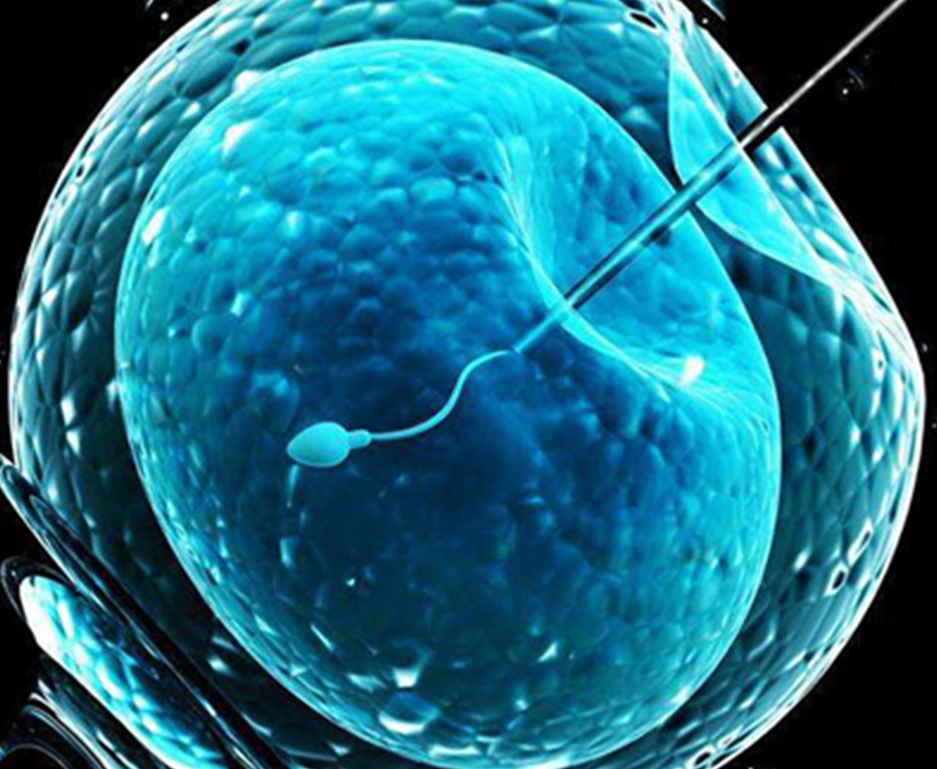
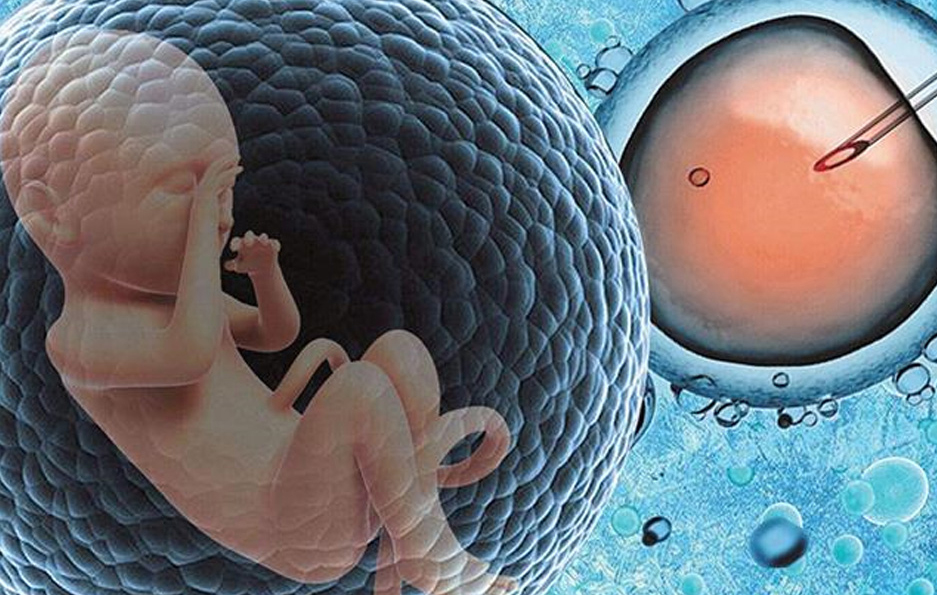
| ICSI (Intracytoplasmic Sperm Injection) | $1,500 - $2,500 | Often recommended for male factor infertility or previous fertilization failure. Involves injecting a single sperm directly into an egg. |
| PGT-A (Genetic Testing) | $3,000 - $5,000 | Biopsy and genetic analysis of embryos to identify chromosomal abnormalities. Includes a base fee plus a per-embryo charge. |
| Frozen Embryo Transfer (FET) | $3,000 - $5,000 | The cost of thawing and transferring a previously frozen embryo. Often billed separately from the initial retrieval cycle. |
| Embryo Cryopreservation & Storage | $500 - $1,500 (Initial) + $500 - $1,000 (Annual) | Freezing extra embryos for future use. Includes the initial freezing fee and ongoing annual storage costs. |
| Anesthesia / Sedation | $500 - $1,000 | Required for the egg retrieval procedure to ensure patient comfort and safety. |
Several variables dictate whether a patient will pay closer to the lower end or the higher end of the cost spectrum. Geographic location plays a substantial role; clinics in New York City or San Francisco generally have higher overhead costs, which are reflected in their pricing, compared to clinics in the Midwest or the South. The specific medical protocol is another major factor. A patient requiring high doses of medication due to Polycystic Ovary Syndrome (PCOS) or a patient needing multiple stimulation cycles to retrieve an adequate number of eggs will incur higher pharmaceutical costs.
The need for third-party reproduction significantly alters the financial calculation. Donor egg IVF, where a young, healthy donor provides the eggs, can increase the total cost of a cycle to between $30,000 and $45,000 or more, factoring in donor compensation, agency fees, legal contracts, and the donor's medical and psychological screening. Gestational surrogacy, where another woman carries the pregnancy, is the most expensive pathway to parenthood, often exceeding $150,000 when accounting for surrogate compensation, medical procedures, legal fees, and insurance for the surrogate.
Understanding how insurance interacts with IVF is a critical component of financial planning. The United States does not have a federal mandate requiring insurance companies to cover fertility treatments. Consequently, coverage is dictated by state laws and specific employer benefit plans. As of 2026, approximately 20 states have enacted laws requiring some level of infertility coverage, but the scope of these mandates varies wildly.
States like Massachusetts, Illinois, and Connecticut have robust mandates that require insurance plans to cover the diagnosis and treatment of infertility, often including up to a certain number of IVF cycles. However, these mandates often come with strict eligibility criteria, such as a defined period of unprotected intercourse, age limits, and the use of donor gametes only when medically necessary. Furthermore, self-funded employer plans (governed by ERISA) are typically exempt from state insurance mandates, meaning an employee working in a mandated state may still lack coverage if their employer self-funds their health insurance.
In response to the gap in traditional insurance coverage, many large employers have turned to third-party fertility benefit managers, such as Carrot Fertility or Progyny. These programs offer employees a dedicated stipend or a network of vetted clinics with negotiated rates. These benefits often cover not just IVF, but also egg freezing, donor services, and adoption assistance. Patients should thoroughly investigate their employer's benefits package, as these programs frequently offer more comprehensive and flexible coverage than traditional medical insurance.
For patients paying out of pocket, many American IVF clinics offer shared risk or refund programs. These financial packages typically require an upfront payment for a bundle of multiple cycles (often two or three fresh cycles plus associated frozen transfers). If the patient does not achieve a live birth after completing the bundle, the clinic refunds a significant portion of the medical fees (though medication costs are rarely refundable). While these programs provide peace of mind, it is vital to read the fine print. Patients must understand the clinic's definition of a "live birth," whether multiple pregnancies count as one success, and what medical criteria must be met to qualify for the program, as some clinics exclude patients with poor prognoses from participating.
Understanding the clinical phases of the IVF process timeline helps demystify the treatment and prepares patients for the physical and emotional commitments required. The journey from the initial consultation to the pregnancy test is a meticulously coordinated sequence of medical interventions.
The process begins with a comprehensive evaluation by a Reproductive Endocrinologist (RE). This includes a detailed medical history, a transvaginal ultrasound to assess the antral follicle count (AFC) and uterine environment, and blood tests to measure ovarian reserve markers like Anti-Müllerian Hormone (AMH) and Follicle Stimulating Hormone (FSH). The male partner, if applicable, will undergo a semen analysis to evaluate sperm count, motility, and morphology. Based on these diagnostics, the physician will recommend a specific stimulation protocol.
The active phase of IVF starts with ovarian stimulation. Patients self-administer injectable hormones, typically a combination of FSH and LH, for about 8 to 14 days. The goal is to recruit multiple follicles to mature simultaneously, rather than the single ovulation that occurs in a natural menstrual cycle. During this phase, patients visit the clinic frequently (every 1 to 3 days) for blood draws to monitor estrogen levels and ultrasounds to measure follicular growth. When the lead follicles reach an appropriate size (usually 18-20 millimeters), a "trigger shot" of hCG or a GnRH agonist is administered to finalize the maturation of the eggs.
Approximately 36 hours after the trigger shot, the egg retrieval takes place. The patient is placed under light intravenous sedation. Using ultrasound guidance, a thin needle is passed through the vaginal wall into the ovaries to aspirate the fluid and eggs from each follicle. The procedure is relatively quick, usually taking 20 to 30 minutes, and patients recover in the clinic for an hour or two before going home. Mild cramping and spotting are common afterward.
In the embryology lab, the retrieved eggs are identified, cleaned, and placed in an incubator. If standard IVF is used, sperm is introduced to the eggs in a culture dish, allowing natural fertilization. If ICSI is indicated, a single morphologically normal sperm is selected and injected directly into the mature egg. The fertilized eggs (now embryos) are cultured in a controlled environment for 5 to 7 days until they reach the blastocyst stage, which is optimal for implantation and genetic testing.
If PGT is part of the protocol, a few cells are biopsied from the trophectoderm (the layer that will become the placenta) of the blastocyst. The embryos are then vitrified (rapidly frozen) while the genetic material is sent to a specialized lab for analysis. This allows the medical team to transfer only chromosomally normal (euploid) embryos, significantly increasing the implantation rate and reducing the risk of miscarriage.
The final step is the embryo transfer. If a fresh transfer is being done, the embryo is placed into the uterus a few days after retrieval. More commonly, especially when PGT is utilized, a Frozen Embryo Transfer (FET) is scheduled in a subsequent cycle. The patient takes estrogen and progesterone to prepare the uterine lining (endometrium). Once the lining reaches the desired thickness (usually 8mm or greater) and the progesterone environment is optimized, the embryo is thawed and transferred into the uterus using a thin, flexible catheter under ultrasound guidance. The procedure is painless and requires no anesthesia.
Following the embryo transfer, patients continue taking progesterone to support the luteal phase. About 9 to 11 days after the transfer, a blood test is performed to measure hCG levels to determine if pregnancy has been achieved. This period, often referred to as the "two-week wait," is emotionally challenging, and clinics emphasize psychological support during this time.
To illustrate the variability of the IVF experience, examining specific clinical scenarios is highly beneficial. These case studies reflect common situations encountered in American fertility clinics in 2026.
Sarah, a 41-year-old woman, had been trying to conceive for two years. Her ovarian reserve was adequate for her age (AMH of 1.5 ng/mL), but she had experienced two early miscarriages. Recognizing the high risk of aneuploidy (chromosomal abnormalities) associated with eggs at age 41, her reproductive endocrinologist recommended IVF with PGT-A. Sarah underwent a standard antagonist protocol, yielding 8 eggs. Of these, 6 were mature and fertilized via ICSI due to her partner's borderline sperm morphology. Three embryos developed to the blastocyst stage and were biopsied. PGT-A results revealed that only one embryo was euploid (chromosomally normal). This single embryo was transferred in a medicated FET cycle, resulting in a successful, ongoing singleton pregnancy. Without PGT-A, Sarah might have transferred the abnormal embryos first, leading to further miscarriages and emotional distress. The total cost for her cycle, including PGT-A and the FET, was approximately $24,000.
Mark and David, a same-sex couple, desired a biological connection to their child. They opted for Mark to provide sperm and David's sister to serve as an egg donor, utilizing a gestational surrogate to carry the pregnancy. Mark was diagnosed with azoospermia (zero sperm in the ejaculate) due to a previous vasectomy that could not be surgically reversed. A urologist specializing in male infertility performed a percutaneous epididymal sperm aspiration (PESA) to retrieve sperm directly from the epididymis. Because the retrieved sperm were limited in number and motility, ICSI was essential for fertilization. The donor underwent ovarian stimulation, producing 18 eggs. Fourteen fertilized successfully, resulting in 9 blastocysts. They transferred one high-grade embryo into their gestational surrogate, achieving a successful pregnancy. This complex case highlights the intersection of male reproductive surgery, third-party reproduction, and advanced embryology.
Jessica, 36, had undergone three previous frozen embryo transfers with euploid embryos at another clinic, all of which failed to implant. Seeking a second opinion, she visited a specialized clinic that recommended an Endometrial Receptivity Analysis (ERA). The ERA is a biopsy-based test that determines the precise window of implantation for a specific patient. Jessica's ERA results indicated that she was "pre-receptive," meaning her endometrium required an additional 24 hours of progesterone exposure before it could accept an embryo. In her subsequent transfer cycle, the physician adjusted her progesterone timing based on the ERA results. The modified protocol resulted in a successful implantation. This case underscores the importance of personalized endometrial preparation in cases of unexplained recurrent implantation failure.
The abundance of information available online often leads to the perpetuation of myths and misconceptions about IVF. Dispelling these is crucial for setting realistic expectations.
Perhaps the most damaging misconception is that IVF is a guaranteed cure for infertility. Even with the most advanced technology and euploid embryos, the human body is complex, and implantation is not a certainty. Success rates, while improving, are still statistical probabilities, not guarantees. A clinic reporting a 60% live birth rate per transfer means 40% of transfers will not result in a live birth. Managing this expectation is vital for preserving mental health during the process.
Historically, women were advised to remain on strict bed rest for several days following an embryo transfer. Modern reproductive medicine has unequivocally debunked this. Studies show that immediate resumption of normal, low-impact activities does not negatively impact implantation rates. In fact, prolonged bed rest can increase the risk of deep vein thrombosis (DVT) and exacerbate anxiety. Patients are encouraged to return to their normal routines the next day, avoiding only strenuous exercise or high-impact activities until a pregnancy is confirmed.
Various internet forums promote specific diets (e.g., high potassium for boys, high calcium for girls) as a means of sex selection during IVF. This has no scientific basis. The chromosomal makeup of the embryo (XX for female, XY for male) is determined at the moment of fertilization. While PGT can be used for family balancing by identifying the sex of the embryo prior to transfer, maternal diet has zero influence on the sex of the resulting child.
Infertility is often viewed primarily as a female issue, leading to extensive testing and treatment of the female partner while the male partner's health is overlooked. In cases of couples experiencing infertility, male factors contribute to or are the sole cause in approximately 40% of cases. A comprehensive semen analysis, including an evaluation of sperm DNA fragmentation, should be a priority. Elevated DNA fragmentation can lead to poor embryo quality and recurrent miscarriage, and may necessitate the use of ICSI or specialized sperm selection techniques.
Optimizing one's health before and during the IVF process can positively impact outcomes. While no supplement or diet can override a severe medical diagnosis, general wellness plays a supportive role in reproductive health.
While some causes of infertility, such as genetic conditions or structural anomalies, cannot be prevented, certain lifestyle choices can preserve and protect fertility over time. Adopting a reproductive-health-conscious lifestyle early on can delay the need for assisted reproductive technologies or improve their efficacy if required later.
Exposure to endocrine-disrupting chemicals (EDCs) is an increasingly recognized factor in reproductive health. Chemicals such as bisphenol A (BPA) and phthalates, commonly found in plastics, personal care products, and food packaging, can interfere with hormonal balance. Reducing exposure by using glass or stainless steel containers, avoiding microwaving food in plastic, and choosing paraben-free cosmetics can be beneficial. While complete avoidance is impossible in the modern world, conscious reduction of exposure is a proactive step.
Moderate, regular exercise supports cardiovascular health, regulates insulin levels, and helps maintain a healthy weight, all of which are beneficial for fertility. However, extreme, high-intensity exercise or training for endurance events can sometimes disrupt the hypothalamic-pituitary-ovarian axis, leading to menstrual irregularities or amenorrhea. Finding a balanced routine that includes yoga, brisk walking, or moderate strength training is ideal for preserving reproductive function.
Chronic stress elevates cortisol levels, which can indirectly affect reproductive hormones. While the direct link between stress and infertility is complex and debated, the indirect effects—such as poor sleep, unhealthy eating habits, and decreased libido—are well established. Incorporating daily stress-reduction techniques, whether through mindfulness practices, hobbies, or spending time in nature, supports overall well-being.
When considering where to pursue treatment, patients often look for established institutions with a track record of clinical excellence and research contributions. The following medical institutions are recognized within the fertility community for their comprehensive reproductive medicine programs. This information is provided objectively to highlight the diverse clinical environments available in the United States.
Shady Grove Fertility is one of the largest fertility networks in the United States, with numerous locations primarily across the East Coast. The practice is known for its robust clinical research, which frequently contributes to the advancement of reproductive medicine. They offer a wide array of services, including IVF, egg freezing, and third-party reproduction, and are recognized for their comprehensive financial programs, including shared risk refund options, which help patients manage the economic uncertainties of treatment. Their large volume allows for a highly specialized team of physicians, embryologists, and financial counselors.
HRC Fertility operates several clinics throughout Southern California. The institution has a long-standing reputation for pioneering work in reproductive technologies, including early contributions to the development of IVF in the United States. HRC is noted for its strong embryology laboratories and its comprehensive donor egg and surrogacy programs, which are supported by the favorable legal environment in California. They also maintain an active research division, participating in numerous clinical trials that provide patients access to emerging protocols and technologies.
CCRM (Colorado Center for Reproductive Medicine) was founded in the late 1980s and has since expanded into a national network of clinics. The institution is widely recognized for its rigorous approach to embryology and its foundational research in Preimplantation Genetic Testing. CCRM's in-house genetics team and proprietary laboratory techniques have contributed significantly to the field. They are known for treating complex infertility cases, including patients with recurrent pregnancy loss and severe male factor infertility, offering highly customized protocols based on extensive diagnostic workups.
RMA is a prominent network of fertility clinics with a significant presence in New York, New Jersey, and other regions. The practice is distinguished by its strong academic affiliations and its commitment to evidence-based medicine. RMA physicians frequently publish peer-reviewed research on IVF outcomes, stimulation protocols, and genetic screening. They are recognized for their integrated approach, combining clinical care with cutting-edge embryology and on-site genetic counseling, ensuring that patients receive cohesive, multidisciplinary care throughout their treatment journey.
Timing is a critical factor in fertility treatment. Knowing when to seek the expertise of a Reproductive Endocrinologist can significantly impact the success of future interventions. General guidelines suggest that women under the age of 35 should consult a specialist after 12 months of unprotected intercourse without conception. For women aged 35 to 39, this window shortens to 6 months. Women over 40, or those with known reproductive issues such as PCOS, endometriosis, or a history of pelvic surgery, should seek evaluation immediately upon deciding to conceive.
To maximize the value of the initial consultation, patients should gather all relevant medical records beforehand. This includes records of any prior fertility treatments, surgical reports, semen analyses, and recent blood work. Compiling a detailed family medical history is also important, as certain genetic conditions can impact fertility. Patients should prepare a list of questions regarding the clinic's success rates, the proposed treatment plan, estimated costs, and the physician's experience with their specific diagnosis.
Fertility treatment is a significant emotional and financial investment. If a patient feels rushed, receives a diagnosis that does not resonate with their understanding of their body, or is denied a specific treatment option without a clear medical explanation, seeking a second opinion is highly recommended. Different clinics have varying areas of expertise and philosophies of care. A second opinion can provide alternative perspectives, confirm a diagnosis, or offer a treatment protocol that better aligns with the patient's personal values and financial constraints.
As we progress further into the decade, the trajectory of American IVF points toward increased personalization, reduced physical burden on the patient, and more transparent financial models. The integration of machine learning in protocol development will likely allow for even more precise predictions of ovarian response, minimizing the risk of OHSS and maximizing egg yield. Furthermore, as societal awareness of fertility preservation grows, the utilization of elective egg freezing will continue to rise, shifting the demographic of the average IVF patient.
The legislative landscape is also evolving. Ongoing advocacy efforts aim to standardize insurance coverage for fertility treatments across all states, potentially removing the geographic disparities that currently dictate who can afford to build a family. While the journey through infertility is inherently challenging, the continuous advancements in medical science and the expanding infrastructure of support services offer a profoundly hopeful outlook for those navigating American IVF in 2026.
Ultimately, the decision to pursue in vitro fertilization is deeply personal and multifaceted. By understanding the geographic distribution of clinics, meticulously analyzing the breakdown of treatment costs, and engaging proactively with the clinical process, prospective parents can navigate the complexities of the American fertility landscape with confidence. The combination of cutting-edge technology, comprehensive clinical care, and informed financial planning provides a solid foundation for the journey toward achieving a successful pregnancy and realizing the goal of parenthood.