
The landscape of assisted reproductive technology (ART) in the United States continues to evolve at a remarkable pace, with 2026 marking another significant milestone in the refinement of in vitro fertilization (IVF) treatments. Prospective parents exploring fertility options are often met with a complex array of clinical choices, varying financial commitments, and advanced medical protocols that can be difficult to navigate without specialized knowledge. Understanding the nuances of American IVF protocols, particularly as clinics integrate newer technologies like artificial intelligence for embryo selection and non-invasive preimplantation genetic testing, is crucial for making informed decisions. The journey requires a comprehensive evaluation of clinical success rates, physician expertise, laboratory infrastructure, and the overall patient experience. As the demand for fertility services grows, driven by societal shifts and later family planning, the American fertility market continues to offer some of the most advanced treatment options globally, albeit with significant financial considerations.
Key Factors to Consider When Choosing an IVF Clinic
Selecting a fertility clinic is a deeply personal and medically significant decision that extends far beyond comparing advertised success rates. Prospective patients must delve into clinic-specific data and operational philosophies. The Society for Assisted Reproductive Technology (SART) provides detailed metrics that allow individuals to compare clinics across the United States. However, it is essential to understand that a clinic's success rate can be heavily influenced by its patient demographic. Clinics that accept older patients, those with complex infertility diagnoses, or individuals who have failed cycles at other centers may exhibit lower overall success rates but possess highly specialized expertise in managing difficult cases.
Understanding Clinical Expertise and Laboratory Quality
Clinical expertise and the quality of the embryology laboratory are paramount to the success of an IVF cycle. The embryology lab is effectively the heart of any IVF clinic. Factors such as air quality control, incubation technology, and the skill level of the embryologists directly impact embryo development and viability. Prospective patients should inquire about the lab's protocols for embryo culture, the type of incubators used (such as time-lapse incubators that continuously monitor embryo development), and their vitrification (freezing) success rates. Laboratories accredited by the College of American Pathologists (CAP) and meeting Clinical Laboratory Improvement Amendments (CLIA) standards demonstrate a commitment to rigorous quality control.
Evaluating the Range of Services and Specializations
The range of services offered is another critical consideration. Some clinics specialize in specific areas such as oncofertility (fertility preservation for cancer patients), LGBTQ+ family building, or third-party reproduction (donor eggs, donor sperm, and gestational surrogacy). Evaluating whether a clinic has an in-house donor agency, psychological support services, and dedicated financial counselors can streamline the treatment process. Furthermore, the availability of different stimulation protocols—such as conventional long agonist protocols, antagonist protocols, or minimal stimulation (mini-IVF) protocols—indicates a clinic's ability to tailor treatment to individual physiological needs rather than applying a one-size-fits-all approach.
Geographic Considerations and Accessibility
Geographic location plays a significant role in the selection process, particularly in a country as vast as the United States. While some patients are willing to travel across state lines for specialized care, frequent monitoring appointments (blood draws and transvaginal ultrasounds) during the stimulation phase make proximity a practical concern. Patients in metropolitan areas like New York, Los Angeles, or Chicago have access to a high concentration of clinics, which can drive competitive pricing and shorter wait times. However, regional clinics in the Midwest or South may offer more personalized care and lower base fees. Telemedicine integration, which expanded significantly in recent years, allows for initial consultations and some follow-up appointments to be conducted remotely, broadening access to specialized care for patients in rural areas.
Breakdown of IVF Costs in the US (2026 Projections)
The financial aspect of IVF is often one of the most daunting hurdles for intended parents. In the United States, the cost of a single IVF cycle can vary significantly depending on geographic location, the specific protocols required, and the clinic's pricing structure. For 2026, the base cost of a standard IVF cycle in the US typically ranges from $12,000 to $15,000. This base fee generally covers initial consultations, cycle monitoring appointments, the surgical egg retrieval procedure, and the embryo transfer. However, this figure rarely represents the total out-of-pocket expense, as numerous ancillary services are typically required.
Medication and Pharmaceutical Expenses
Medications constitute a substantial additional cost, often ranging from $3,000 to $6,000 per cycle. The exact medication protocol is highly individualized, tailored to the patient's ovarian reserve, age, and specific hormonal profile, meaning costs can fluctuate even within the same clinic. Gonadotropins, which stimulate the ovaries to produce multiple follicles, constitute the bulk of this expense. Additional medications include antagonists to prevent premature ovulation, human chorionic gonadotropin (hCG) to trigger final egg maturation, and progesterone for luteal phase support. The choice between brand-name and generic medications, where available, can also impact the final pharmacy bill.
Advanced Laboratory Procedures and Genetic Testing
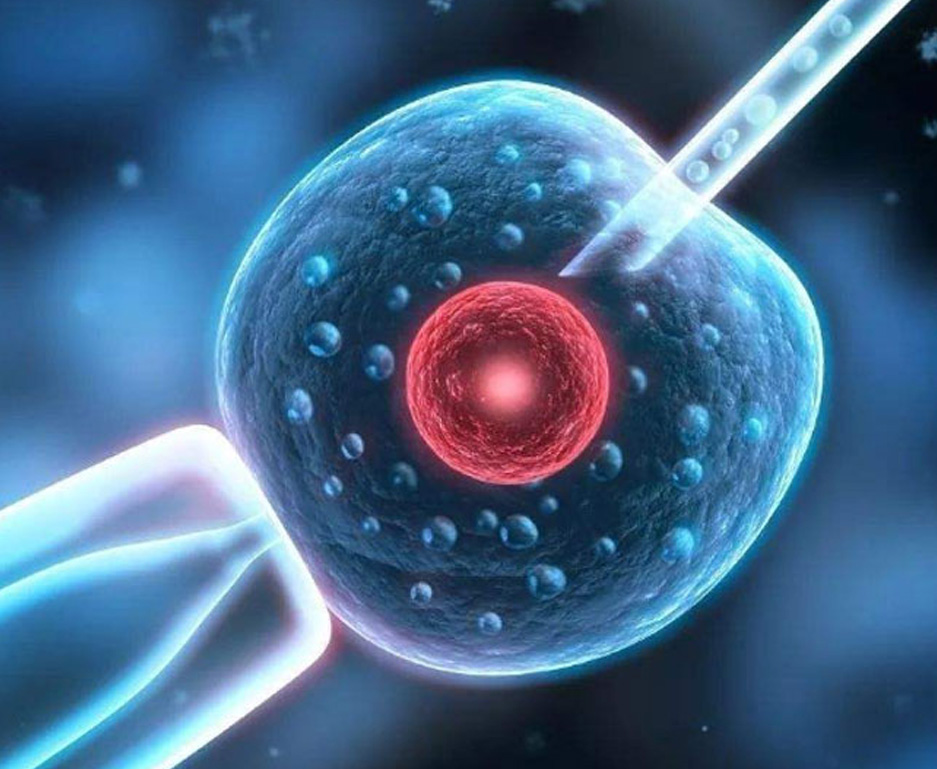
Advanced laboratory procedures significantly add to the total cost. Intracytoplasmic sperm injection (ICSI), frequently recommended for male factor infertility or previous fertilization failure, adds approximately $1,000 to $2,000 to the cycle cost. Preimplantation genetic testing for aneuploidies (PGT-A), which screens embryos for chromosomal abnormalities to improve implantation rates and reduce miscarriage risks, can cost between $2,000 and $4,000. This fee encompasses the embryologist's biopsy fee and the genetic analysis performed by an external reference laboratory. Assisted hatching, a procedure sometimes used for older patients or frozen embryos, may incur an additional charge of $200 to $500.
Cryo-preservation and Frozen Embryo Transfers (FET)
If a fresh embryo transfer is not viable or elected, a frozen embryo transfer (FET) will be necessary in a subsequent cycle. An FET cycle typically costs between $3,000 and $5,000, including thawing the embryo, preparing the endometrium with hormonal replacements, and the transfer procedure itself. Additionally, annual cryopreservation storage fees for frozen embryos generally range from $300 to $600 per year. For individuals requiring third-party reproduction, the costs escalate dramatically. Donor egg programs can range from $10,000 to $25,000 (not including the recipient's IVF cycle), while gestational carrier (surrogate) services can exceed $100,000, encompassing agency fees, legal fees, psychological evaluations, and the carrier's compensation and medical insurance.
| Service Component | Estimated Cost Range (USD) | Description |
|---|---|---|
| Base IVF Cycle | $12,000 - $15,000 | Includes monitoring, retrieval, and fresh transfer. |
| Fertility Medications | $3,000 - $6,000 | Gonadotropins, antagonists, trigger shots. |
| ICSI | $1,000 - $2,000 | Direct sperm injection into the egg. |
| PGT-A (Genetic Testing) | $2,000 - $4,000 | Chromosomal screening of embryos. |
| Frozen Embryo Transfer (FET) | $3,000 - $5,000 | Thawing and transferring a frozen embryo. |
| Embryo Storage (Annual) | $300 - $600 | Cryopreservation maintenance fee. |
Financial Assistance and Insurance Coverage for Fertility Treatments
Navigating insurance coverage for IVF in the United States is a complex endeavor, as mandates vary significantly by state. As of 2026, several states have enacted comprehensive mandates requiring insurance companies to cover or offer coverage for infertility treatments, including IVF. States like Massachusetts, Illinois, and New Jersey have historically robust mandates that cover the diagnosis and treatment of infertility, significantly reducing out-of-pocket expenses for residents. Conversely, states without mandates may offer no coverage, leaving patients to bear the full financial burden. Prospective patients must thoroughly review their insurance policies, specifically the exclusions section, or consult with their employer's human resources department to understand their specific benefits and any lifetime maximums.
Shared Risk and Refund Programs
For those without adequate insurance coverage, clinics often offer financial assistance programs or shared risk (refund) packages. Shared risk programs typically require an upfront payment for multiple cycles (often two or three fresh cycles plus all associated frozen embryo transfers). If the patient does not achieve a live birth, a significant portion of the fee—often 70% to 80%—is refunded. While these programs offer peace of mind and cap the financial risk, they are usually only available to patients with a favorable prognosis, such as younger women with specific, treatable diagnoses. Clinics carefully screen candidates to mitigate their own financial exposure, meaning patients with diminished ovarian reserve or advanced maternal age may not qualify.
Grants, Loans, and Pharmaceutical Assistance
Pharmaceutical companies frequently offer medication discount programs, and some provide medications at no cost to eligible patients through compassionate use programs. Non-profit organizations also play a vital role in financial assistance. Organizations such as the Baby Quest Foundation, the Cade Foundation, and RESOLVE: The National Infertility Association provide resources, educational content, and occasional financial grants to help offset the costs of treatment. Exploring fertility financing options, such as specialized medical loans through companies like CapexMD or Prosper Healthcare Lending, is another avenue. These loans often offer competitive interest rates and extended repayment terms, though patients should carefully consider the long-term financial implications of accruing debt for medical procedures.
Prominent Medical Institutions Offering IVF Services in the US
When considering treatment options, prospective parents often research established medical institutions known for their reproductive endocrinology and infertility (REI) departments. Several networks and centers across the United States provide comprehensive fertility services, each with distinct operational focuses and geographical footprints.
Shady Grove Fertility
Operating primarily along the East Coast, Shady Grove Fertility is recognized for its extensive network of clinical locations and large patient volume. The practice offers a wide array of services, including standard IVF, fertility preservation, and third-party reproduction. They are noted for conducting active clinical research, which allows patients access to emerging protocols and clinical trials that may not be widely available. Their financial programs, including shared risk options, are structured to accommodate various patient profiles, and they maintain a dedicated team of financial counselors to assist with insurance navigation.
CCRM Fertility
The Colorado Center for Reproductive Medicine has expanded into a national network with clinics in multiple states, including Colorado, Texas, and Virginia. CCRM is noted for its integrated approach, combining clinical care with cutting-edge research in embryology and genetics. Their laboratories frequently utilize advanced technologies for embryo selection, and they have established protocols for managing complex cases, including diminished ovarian reserve and recurrent pregnancy loss. CCRM's research division often publishes peer-reviewed studies on IVF outcomes and laboratory techniques, contributing to the broader scientific understanding of reproductive medicine.
HRC Fertility (Huntington Reproductive Center)
With a strong presence in Southern California, HRC Fertility provides a comprehensive spectrum of assisted reproductive technologies. The clinic is involved in ongoing research regarding egg freezing (oocyte cryopreservation) and preimplantation genetic testing. HRC caters to a diverse patient population, offering specialized programs for LGBTQ+ family building and oncofertility. Their network of laboratories is equipped with time-lapse imaging technology, allowing embryologists to monitor embryo development continuously without disturbing the culture environment.
RMA (Reproductive Medicine Associates)
RMA is a network of fertility clinics with a significant presence in the Northeast and other regions across the United States. The institution emphasizes a data-driven approach to fertility treatment, frequently publishing peer-reviewed research on IVF outcomes and laboratory techniques. RMA clinics are equipped with in-house embryology laboratories and offer specialized care for genetic screening and embryo transfer protocols. They are known for their commitment to single embryo transfer (SET) to reduce the incidence of high-order multiple pregnancies, aligning with current best practices in reproductive medicine.
These institutions represent a segment of the available fertility care providers in the United States. Patients are encouraged to consult with multiple clinics to determine which aligns best with their medical needs, financial circumstances, and personal preferences.
Case Analysis: Navigating the IVF Journey
To illustrate the complexities and individualized nature of the IVF process, examining specific clinical scenarios is highly beneficial. These anonymized case analyses demonstrate how theoretical medical knowledge is applied in practice.
Case 1: Unexplained Infertility in a Younger Patient
Consider the hypothetical case of a 36-year-old female presenting with unexplained infertility after two years of unprotected intercourse. Initial diagnostics, including a hysterosalpingogram (HSG) to evaluate fallopian tube patency, hormonal panel testing (AMH, FSH, Estradiol), and comprehensive semen analysis, all returned normal results. Given the patient's age, the duration of infertility, and the lack of an identifiable cause, the reproductive endocrinologist recommended proceeding directly to IVF to maximize the chances of a successful pregnancy, bypassing less aggressive treatments like intrauterine insemination (IUI) which offer lower success rates in unexplained infertility.
During the ovarian stimulation phase, the patient was prescribed an antagonist protocol involving follicle-stimulating hormone (FSH) and luteinizing hormone (LH). Monitoring through transvaginal ultrasounds revealed a suboptimal response, with only five mature follicles developing despite standard dosing. The physician adjusted the medication dosage upward slightly, and a dual trigger (Lupron and hCG) was administered to finalize egg maturation. Following the retrieval, four mature eggs were collected.
In the laboratory, ICSI was utilized due to the relatively low egg yield to maximize fertilization potential. Three embryos successfully fertilized and were cultured to the blastocyst stage (day 5). PGT-A was performed on all three, revealing that two were euploid (chromosomally normal) and one was aneuploid (abnormal). The patient and her physician elected for a freeze-all strategy, allowing the endometrium to recover from the ovarian stimulation before transfer. In a subsequent natural cycle, a single euploid embryo was transferred, resulting in a successful singleton pregnancy. This case highlights the necessity for adaptable stimulation protocols, the role of ICSI in specific scenarios, and the value of PGT-A in selecting viable embryos.
Case 2: Advanced Maternal Age and Donor Egg IVF
A second scenario involves a 43-year-old female who had experienced three consecutive miscarriages and had a significantly diminished ovarian reserve (AMH of 0.3 ng/mL). After thorough counseling regarding the steep decline in egg quality and the high risk of chromosomal abnormalities associated with age, the patient opted for an egg donor IVF cycle. The clinic's in-house donor agency facilitated the matching process, identifying a 26-year-old donor with a proven fertility history.
The cycles of the donor and the recipient were synchronized. The donor underwent ovarian stimulation and egg retrieval, yielding 18 mature eggs. The recipient's husband provided a fresh semen sample, and fertilization was achieved via ICSI, resulting in 12 blastocysts. PGT-A confirmed that 7 embryos were euploid. Meanwhile, the recipient was placed on a hormone replacement therapy (HRT) protocol, utilizing estrogen patches and progesterone injections to prepare her endometrial lining for implantation. Once the lining reached optimal thickness (8mm) and trilaminar appearance, a single euploid embryo was transferred. The pregnancy progressed without complication, and the patient delivered a healthy infant at term. This case underscores the efficacy of donor egg IVF for older patients and the importance of endometrial preparation and cycle synchronization.
Common Misconceptions About IVF Treatment
Despite the increasing prevalence and visibility of IVF, numerous misconceptions persist, often causing unnecessary anxiety or leading to unrealistic expectations among prospective parents.
Misconception 1: IVF Guarantees a Pregnancy
Perhaps the most widespread myth is that IVF guarantees a pregnancy. While IVF significantly increases the chances of conception for individuals with infertility, success is never assured. Factors such as maternal age, egg quality, sperm quality, and the uterine environment all play critical roles. Even the transfer of a genetically normal (euploid) embryo does not guarantee implantation, as the complex process of embryo-endometrial interaction is not fully understood or entirely controllable. Clinical pregnancy rates per transfer vary widely, and patients should approach treatment with realistic expectations, understanding that multiple cycles may be necessary.
Misconception 2: Bed Rest is Required After Embryo Transfer
Historically, patients were advised to remain on strict bed rest for several days following an embryo transfer. However, current clinical evidence strongly suggests that immediate resumption of normal, low-impact activities does not negatively impact implantation rates. In fact, prolonged bed rest may increase the risk of deep vein thrombosis (DVT) and contribute to heightened anxiety and depression. Most clinics now advise patients to return to normal daily activities, avoiding only strenuous exercise, heavy lifting, and sexual intercourse for a specified period.
Misconception 3: IVF Always Results in Multiple Pregnancies
The belief that IVF always results in twins or triplets is outdated. In the early days of IVF, multiple embryos were routinely transferred to increase the odds of success, leading to high rates of multiple pregnancies. With the advancement in embryo culture techniques, vitrification, and genetic testing, the standard of care has shifted toward single embryo transfer (SET). SET significantly reduces the risk of multiple pregnancies, which carry higher risks for both the mother and the babies, including premature birth, low birth weight, and preeclampsia. The transfer of a single, genetically tested embryo maintains high cumulative success rates while minimizing maternal and neonatal complications.
Misconception 4: IVF Causes Ovarian Cancer or Early Menopause
Some patients fear that the hormonal injections used in IVF will deplete their egg reserve, leading to early menopause, or increase their risk of ovarian cancer. Regarding egg reserve: each month, a woman's body recruits a cohort of follicles, only one of which typically ovulates while the rest are lost to atresia. IVF medications stimulate the entire cohort to mature, essentially rescuing eggs that would have otherwise been lost. Therefore, IVF does not deplete the ovarian reserve faster than natural processes. Regarding cancer: large-scale, long-term epidemiological studies have consistently shown no definitive causal link between fertility medications and an increased risk of ovarian or breast cancer.
Misconception 5: Male Age Does Not Matter
While the impact of maternal age is well-known, there is a misconception that paternal age is irrelevant in IVF. Emerging research indicates that advanced paternal age (typically over 45) can contribute to increased sperm DNA fragmentation, which may lower fertilization rates, impair embryo development, and slightly increase the risk of certain genetic conditions. While IVF with ICSI can overcome many motility and morphology issues, the genetic integrity of the sperm remains a factor in overall success.
Pre-Treatment Care and Lifestyle Adjustments
Optimizing one's health before beginning an IVF cycle can contribute to better outcomes and improve the body's response to treatment. Both partners should focus on lifestyle modifications that enhance reproductive health for at least three months prior to the cycle, as this is the approximate time it takes for egg and sperm development.
Nutritional Interventions and Supplementation
Nutrition plays a vital role in fertility. A balanced diet rich in antioxidants, lean proteins, and healthy fats is recommended. The Mediterranean diet, characterized by high consumption of vegetables, fruits, whole grains, legumes, nuts, and olive oil, has been associated with improved fertility outcomes and higher IVF success rates. Patients should ensure adequate intake of folic acid, typically supplemented at a dose of 400 to 800 micrograms daily, to prevent neural tube defects. Maintaining a healthy body mass index (BMI) is crucial; both underweight (BMI < 18.5) and overweight (BMI > 30) conditions can negatively affect ovarian response, increase the risk of OHSS, and contribute to pregnancy complications.
Specific supplements may be recommended by the physician based on individual needs. For women, Coenzyme Q10 (CoQ10) is frequently suggested for those of advanced maternal age to potentially improve mitochondrial function in eggs. DHEA may be recommended for women with diminished ovarian reserve, though its use requires careful medical supervision and monitoring of androgen levels. For men, antioxidants such as Vitamin C, Vitamin E, and L-carnitine may be prescribed to reduce oxidative stress and improve sperm motility and morphology.
Substance Use and Environmental Toxins
Substance use must be addressed comprehensively. Smoking, including secondhand smoke, has been definitively linked to reduced ovarian reserve, poorer embryo quality, and lower IVF success rates. Both partners should cease smoking well before treatment begins. Alcohol consumption should be minimized or entirely eliminated, as even moderate drinking has been associated with decreased fertility. Recreational drug use must be ceased. High caffeine intake (more than 200 milligrams, or about two cups of coffee, per day) has been linked to increased miscarriage rates in some studies, so moderation is strongly advised.
Exposure to environmental endocrine-disrupting chemicals (EDCs) should be minimized. Patients are advised to avoid plastic containers with BPA, use glass or stainless steel for food storage, and choose paraben-free personal care products. Prolonged exposure to high levels of EDCs can interfere with hormonal balance and potentially impact fertility outcomes.
Stress Management and Psychological Support
The IVF process is inherently stressful, characterized by uncertainty, frequent medical appointments, and significant financial investment. Chronic stress can impact hormonal balance and overall well-being. Practices such as yoga, meditation, mindfulness-based stress reduction (MBSR), and acupuncture have been shown to help manage anxiety. Some patients find that joining a fertility support group provides emotional relief and a sense of community. Many clinics now integrate mental health professionals into their care teams, recognizing that psychological well-being is as important as physical health during fertility treatment.
Post-Transfer Care and Daily Prevention Strategies
The period following an embryo transfer, often referred to as the two-week wait until the pregnancy blood test, requires careful self-care and adherence to medical protocols. While rigorous activity restrictions are unnecessary, certain precautions should be observed.
Activity Levels and Rest
Patients are generally advised to avoid high-impact exercises (such as running or jumping), heavy lifting, and activities that significantly elevate the heart rate for the first few days post-transfer. Walking and gentle stretching are encouraged to promote healthy blood circulation. Hot tubs, saunas, and hot yoga should be avoided, as elevated core body temperatures can be detrimental to a developing embryo and potentially cause neural tube defects in early pregnancy.
Progesterone Support and Medication Adherence
Progesterone support is a standard, critical part of post-transfer care. Because many IVF protocols utilize medications (like GnRH antagonists or agonists) that suppress the body's natural luteinizing hormone surge, the corpus luteum cannot produce sufficient progesterone to sustain the endometrium. Exogenous progesterone is administered via intramuscular injections or vaginal suppositories (like Crinone or Endometrin). Patients must adhere strictly to the prescribed progesterone regimen until instructed otherwise by their physician, typically around 8 to 10 weeks of pregnancy when the placenta takes over hormone production. Intramuscular progesterone injections can be painful and cause localized swelling; rotating injection sites and applying warm compresses can alleviate discomfort.
Monitoring Symptoms and Complications
While mild cramping, bloating, and light spotting can be normal during implantation, patients must be vigilant for signs of complications. Severe abdominal pain, heavy vaginal bleeding, shortness of breath, or a rapid increase in abdominal girth require immediate medical attention. These could be signs of ovarian hyperstimulation syndrome (OHSS) or an ectopic pregnancy. Patients should have a clear protocol from their clinic on how to reach an on-call physician after hours.
Daily Prevention Strategies for Early Pregnancy
Once a pregnancy is confirmed via rising hCG levels and visualized on an early ultrasound, the transition to standard prenatal care begins. Daily prevention strategies for maintaining a healthy pregnancy include continuing prenatal vitamins, ensuring adequate hydration, and consuming a nutrient-dense diet. Patients should avoid raw or undercooked meats, unpasteurized dairy, and high-mercury fish to prevent infections like listeria and salmonella, which can cause miscarriage or fetal harm. Reviewing all current medications, including over-the-counter and herbal supplements, with a healthcare provider is essential to ensure teratogenic safety.
When to Seek Medical Advice During the IVF Process
Timely communication with the medical team is critical throughout the entire IVF journey. Patients should be educated on specific scenarios that necessitate immediate medical consultation to prevent severe complications.
Signs of Ovarian Hyperstimulation Syndrome (OHSS)
During the stimulation phase and the days following the trigger shot, if a patient experiences sudden, severe abdominal pain, persistent nausea and vomiting, a rapid weight gain of several pounds in a day, or a noticeable increase in abdominal size, these are classic indicators of OHSS. This condition occurs when the ovaries overreact to fertility medications, causing fluid to leak into the abdominal cavity. Mild OHSS is relatively common and resolves with careful monitoring, fluid restriction, and increased protein intake. However, severe OHSS can lead to fluid accumulation in the chest, blood clots, and kidney dysfunction, requiring hospitalization for intravenous fluids and drainage procedures.
Indicators of Infection
If a patient develops a fever (temperature above 100.4°F or 38°C) during any stage of the IVF process, it could indicate an infection. This is particularly concerning after invasive procedures like egg retrieval or embryo transfer. Infections of the pelvic cavity or bladder require immediate antibiotic treatment to prevent the spread of bacteria and protect reproductive organs. Redness, swelling, or purulent discharge at the injection sites should also be evaluated.
Symptoms Suggesting Ectopic Pregnancy
Following the embryo transfer, any sharp, unilateral (one-sided) pelvic pain accompanied by spotting or bleeding could suggest an ectopic pregnancy. In an ectopic pregnancy, the embryo implants outside the uterine cavity, most commonly in the fallopian tube. This is a life-threatening medical emergency. If the tube ruptures, it causes severe internal bleeding. Patients with severe shoulder tip pain, dizziness, or fainting alongside pelvic pain must seek emergency care immediately.
Abnormal Bleeding Patterns
Heavy vaginal bleeding—defined as soaking through a menstrual pad in an hour for two consecutive hours—passing large blood clots, or bright red bleeding that does not subside is not a normal post-transfer symptom. While some light spotting is common and does not necessarily indicate failure, heavy bleeding warrants urgent evaluation to rule out complications or to manage a miscarriage appropriately.
Psychological Distress
Patients should also reach out to their care team if they experience significant psychological distress. The emotional toll of IVF, characterized by hormonal fluctuations and high stakes, can lead to clinical depression and severe anxiety. Fertility clinics often have integrated mental health professionals who can provide counseling, cognitive behavioral therapy (CBT), and support. Recognizing when to seek psychological help is a vital component of comprehensive care.
Future Trends in Reproductive Medicine
Looking toward 2026 and beyond, several emerging trends and technological advancements in reproductive medicine are poised to further refine IVF treatment, improving success rates and patient experiences.
Artificial Intelligence in Embryology
Artificial intelligence (AI) is increasingly being integrated into embryology laboratories. AI algorithms can analyze vast amounts of data from time-lapse imaging incubators, identifying subtle morphokinetic parameters that correlate with embryo viability and chromosomal normality. This technology aims to reduce human subjectivity and bias in embryo selection, potentially leading to higher implantation rates. AI models are being trained to predict blastocyst formation and clinical pregnancy outcomes based on early cleavage-stage dynamics, offering a data-driven approach to a traditionally subjective process.
Non-Invasive Preimplantation Genetic Testing (niPGT)
Non-invasive preimplantation genetic testing (niPGT) is an active area of research and development. Currently, PGT-A requires a trophectoderm biopsy, where a few cells are physically removed from the blastocyst. While generally safe, this procedure carries a minimal risk of embryonic damage. niPGT aims to analyze cell-free DNA (cfDNA) that is naturally released by the embryo into the surrounding culture medium. By testing the culture media rather than the embryo itself, niPGT could eliminate the need for a physical biopsy. While currently in the validation phase and facing challenges regarding maternal cell contamination, niPGT represents a significant leap toward safer, less invasive genetic screening.
Endometrial Receptivity Analysis and the Microbiome
The understanding of the endometrial environment is expanding beyond simple thickness and morphology. The Endometrial Receptivity Analysis (ERA) is a molecular diagnostic tool that evaluates the expression of specific genes to determine the optimal window of implantation. For patients with recurrent implantation failure, an ERA can identify a displaced window, allowing for personalized timing of the embryo transfer. Furthermore, research into the endometrial microbiome—the collection of microorganisms in the uterine cavity—suggests that an imbalance (dysbiosis) may contribute to implantation failure. Probiotic treatments and personalized microbial therapies are being investigated as potential interventions to optimize the uterine environment before transfer.
Stem Cell and In Vitro Gametogenesis (IVG) Research
Although still in the experimental stages and not available for clinical use, stem cell research holds profound future promise. Scientists are investigating ways to generate gametes (eggs and sperm) from induced pluripotent stem cells (iPSCs) derived from adult skin or blood cells. This process, known as in vitro gametogenesis (IVG), could eventually offer a path to biological parenthood for individuals who cannot produce viable gametes, such as those who have undergone premature ovarian failure, chemotherapy, or those with certain genetic conditions. While IVG faces significant scientific, ethical, and safety hurdles before clinical translation, it represents a frontier that could fundamentally redefine reproductive possibilities.
The continuous evolution of these technologies underscores the dynamic nature of reproductive medicine. As clinics adopt these innovations, the emphasis remains on personalizing care, maximizing safety, and improving the likelihood of achieving a healthy pregnancy. Patients navigating the American IVF landscape in 2026 have access to an unprecedented level of medical sophistication, though careful consideration of clinical expertise, financial implications, and individual health factors remains essential.