News Center
The landscape of assisted reproductive technology in the United States represents one of the most advanced and diverse sectors in global medicine, offering a multitude of pathways to parenthood for individuals and couples struggling with infertility. For many, the journey begins with the decision to pursue In Vitro Fertilization, or IVF, a process that has evolved significantly over the past four decades. While the technology is mature, the choices available to prospective parents are complex, ranging from the type of stimulation protocol used to the financial implications of treatment cycles. Understanding the American IVF ecosystem requires a deep dive into the economics of care, the technological capabilities of leading fertility centers, and the personalized strategies employed to maximize the chances of a successful pregnancy. This comprehensive guide explores the multifaceted nature of IVF in the U.S., examining the costs associated with treatment, identifying leading medical institutions, and providing a roadmap for selecting the most appropriate fertility treatment protocol tailored to individual medical needs and circumstances.
One of the most significant barriers to accessing fertility care in the U.S. is the cost. Unlike many other countries where IVF is often subsidized or offered at a flat rate, the American healthcare system typically operates on a fee-for-service basis. The price of a single IVF cycle can vary widely, often ranging from $12,000 to $15,000 for the medical procedure itself, not including the cost of medications. This financial burden can be daunting, leading many patients to seek insurance coverage or financing options.
Insurance coverage for IVF is not standardized across the United States; it varies drastically by state and individual insurance plans. Some states, such as California, New York, and Illinois, mandate that insurers cover fertility treatments, including IVF, either partially or fully. In contrast, states like Texas and Florida generally do not require coverage, leaving patients to bear the full cost. Even within covered states, plans often impose strict limitations, such as a lifetime cap on the number of cycles covered or a requirement that infertility be deemed "medically necessary" before benefits kick in. Patients residing in states without mandated coverage often turn to out-of-network providers or travel to neighboring states to access more affordable care, a strategy that must be weighed against the logistical challenges of traveling for medical appointments.
Beyond the base procedure fees, the cost of medications represents a substantial portion of the expense. Gonadotropins, the injectable hormones used to stimulate egg production, can cost between $3,000 and $8,000 per cycle. The price depends on the brand, the dosage required, and whether the patient uses generic alternatives. Additionally, other medications, such as fertility drugs taken orally, progesterone supplements, and trigger shots, contribute to the overall financial outlay. Many clinics offer "medication packages" or discounts for purchasing generic versions, which can help mitigate some of this cost.
Furthermore, the laboratory fees and ancillary technologies add to the total price tag. The use of advanced laboratory techniques, such as time-lapse incubators or laser-assisted hatching, can increase the cost of a cycle by several thousand dollars. It is crucial for patients to request a detailed breakdown of costs during the initial consultation to avoid unexpected financial surprises. Financial counseling services provided by fertility clinics can be invaluable in navigating these expenses, helping patients explore loans, credit lines, or grants specifically designed for infertility treatment.
Selecting the right clinic is as critical as the medical procedure itself. The reputation and track record of a fertility center are often the first indicators of potential success. In the United States, several institutions have established themselves as leaders in the field, recognized for their high success rates, cutting-edge technology, and comprehensive patient care. These clinics often serve as centers of excellence, attracting top-tier reproductive endocrinologists and embryologists.
One of the most frequently cited institutions is the Colorado Center for Reproductive Medicine (CCRM). Located in Denver, CCRM has gained international renown for its personalized approach to treatment. Rather than applying a "one-size-fits-all" protocol, their team utilizes extensive genetic testing and data analytics to tailor stimulation plans to the patient's specific ovarian reserve and response. Their philosophy emphasizes minimizing the risk of multiples and maximizing the quality of embryos, often resulting in high live birth rates, particularly for patients with diminished ovarian reserve. The clinic is also a pioneer in the use of donor eggs and surrogacy, offering a holistic range of services under one roof.
Another prominent player is RMA New Jersey (Reproductive Medicine Associates of New Jersey). With multiple locations, RMA is known for its strong laboratory capabilities and high-volume experience. Their success rates are consistently among the highest in the country, driven by a focus on laboratory efficiency and a multidisciplinary team approach. RMA places a heavy emphasis on patient education, ensuring that couples are fully informed at every stage of the process. Their success is often attributed to their rigorous screening protocols and their ability to handle complex cases, including those involving severe male factor infertility or recurrent pregnancy loss.
Huntington Reproductive Center (HRC) in Southern California is another leader in the field. HRC has built its reputation on a patient-centric model, offering a wide array of treatment options including IVF, IUI, and egg freezing. They are particularly noted for their expertise in blastocyst culture and preimplantation genetic testing. HRC’s network allows for continuity of care, which is beneficial for patients undergoing multiple cycles. Their facilities are equipped with state-of-the-art technology, and their staff is trained to provide emotional support alongside medical care, acknowledging that infertility is as much an emotional journey as it is a physical one.
Shady Grove Fertility is the largest fertility practice in the United States, operating multiple locations across the East Coast. Their scale allows them to offer competitive pricing and extensive resources. Despite their size, Shady Grove is known for maintaining a high standard of individualized care. They offer a unique financial model through their "Shared Risk" program, which guarantees a refund if a patient does not achieve a pregnancy after a set number of cycles. This program provides peace of mind to many patients and demonstrates the clinic's confidence in their success rates. Their extensive network also facilitates access to donor gametes and surrogacy services, making them a one-stop-shop for diverse family-building needs.
Choosing the appropriate fertility treatment is a nuanced decision that depends on the underlying cause of infertility, the age of the patient, and their financial situation. While IVF is often the gold standard for many couples, it is not always the first line of defense. A thorough evaluation by a reproductive endocrinologist is the essential first step in this decision-making process.
For couples with unexplained infertility or mild male factor issues, Intrauterine Insemination (IUI) may be the initial treatment. This procedure involves placing washed sperm directly into the uterus during the woman's ovulation window. It is less invasive and significantly less expensive than IVF. However, for women with blocked fallopian tubes, severe endometriosis, or significant male factor infertility, IVF is usually recommended because it bypasses the tubes and fertilizes the egg outside the body.
When IVF is chosen, the patient must decide on the stimulation protocol. The traditional method is the "long protocol," which involves down-regulating the pituitary gland with GnRH agonists before stimulating the ovaries with gonadotropins. This protocol is highly effective but can be physically demanding and requires strict monitoring. Conversely, the "short protocol" skips the down-regulation phase, starting stimulation immediately. This is often preferred for patients with polycystic ovary syndrome (PCOS) or those with diminished ovarian reserve who cannot tolerate the medications required for the long protocol.
For women approaching advanced maternal age or those with low ovarian reserve (low AMH levels), "mini-stimulation" or "natural cycle" IVF may be considered. These protocols aim to retrieve a single egg or a few eggs using minimal medication, reducing cost and side effects. While the yield is lower, the eggs retrieved are often of high quality because they matured naturally. This approach is particularly useful for women who are anxious about the physical toll of standard IVF or those who are seeking to preserve their remaining fertility.
An increasingly popular option is the use of Preimplantation Genetic Testing (PGT). PGT involves biopsy of embryos created during IVF to screen for chromosomal abnormalities before transfer. PGT-A (Aneuploidy Screening) is used to select euploid embryos, increasing the likelihood of implantation and reducing the risk of miscarriage. PGT-M (Monogenic/Single Gene Disorder) is used for couples known to carry genetic mutations, such as cystic fibrosis or Tay-Sachs. The decision to pursue PGT should be discussed carefully with a genetic counselor, weighing the increased cost against the potential benefits of a healthier pregnancy.
Understanding the mechanics of the IVF process can alleviate much of the anxiety associated with the treatment. The process is typically divided into four main stages: stimulation and monitoring, egg retrieval, fertilization and embryo culture, and embryo transfer.
The stimulation phase begins with medication, usually a combination of oral contraceptives and injectable gonadotropins. The goal is to stimulate the ovaries to produce multiple follicles, each containing an egg. Patients must visit the clinic frequently for transvaginal ultrasounds and blood tests to monitor follicle growth and hormone levels. This monitoring phase is critical for adjusting medication dosages to ensure the development of healthy eggs while minimizing the risk of ovarian hyperstimulation syndrome (OHSS), a potentially dangerous condition.
Once the follicles reach the appropriate size, a trigger shot is administered to ripen the eggs and prepare them for retrieval. Approximately 36 hours later, the egg retrieval procedure takes place. This is performed under sedation or anesthesia in an outpatient setting. Using a needle guided by ultrasound, the physician extracts the eggs from the follicles. The entire procedure is quick, typically lasting only 15 to 20 minutes. The retrieved eggs are then immediately taken to the laboratory where they are incubated.
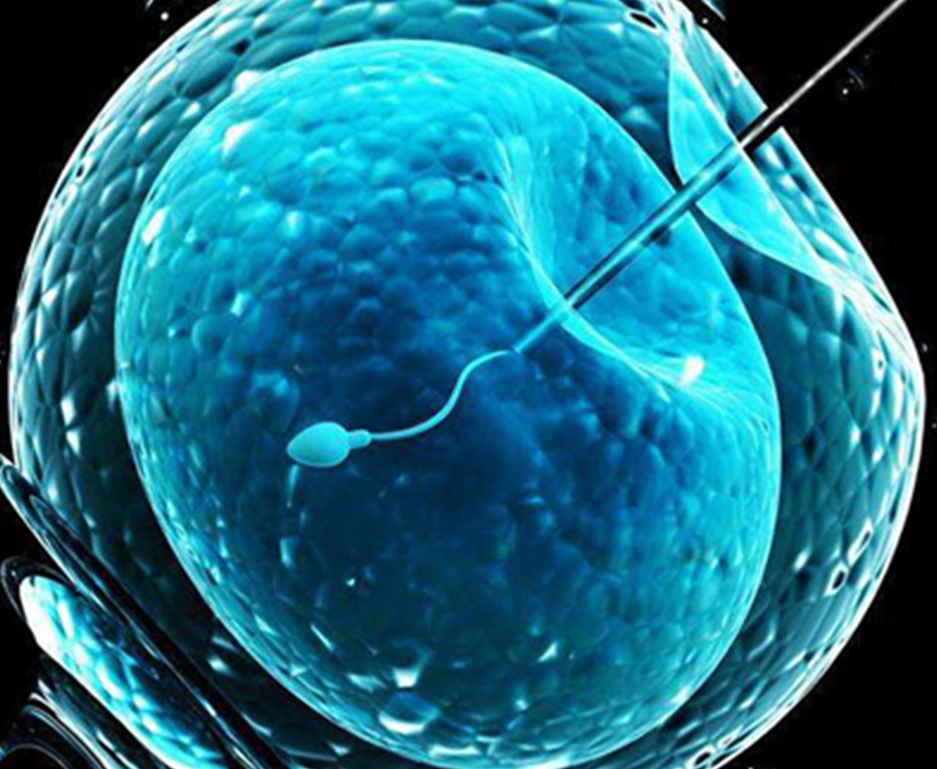
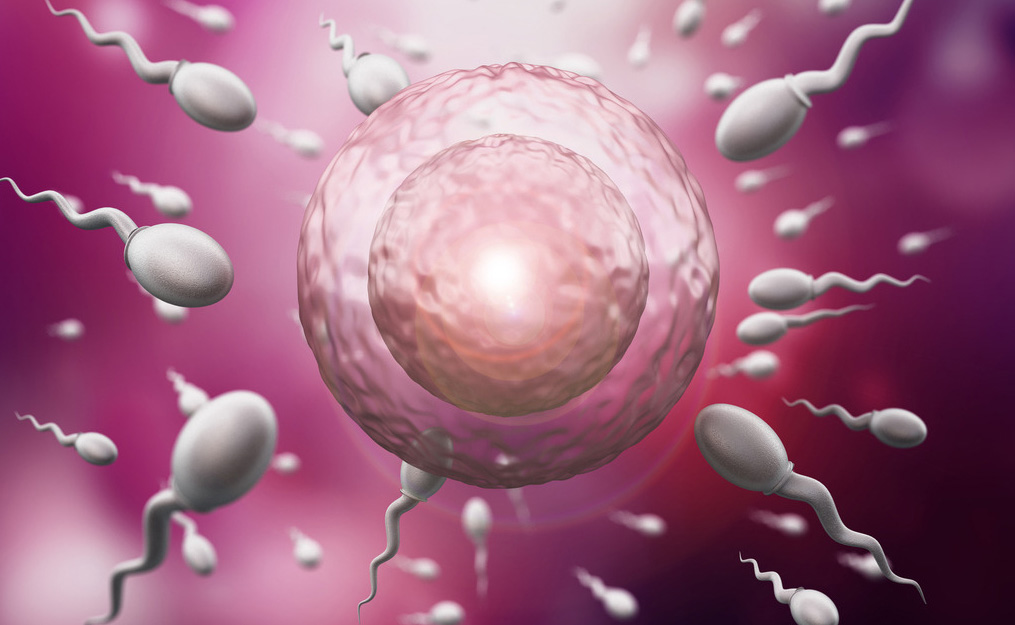
In the laboratory, the eggs are combined with washed sperm in a dish or directly injected into the egg using a technique called Intracytoplasmic Sperm Injection (ICSI). ICSI is often used when sperm quality is a concern, as it ensures that only one healthy sperm fertilizes each egg. After fertilization, the embryos are cultured in a controlled environment for several days, typically until the blastocyst stage (day 5 or 6). During this time, embryologists monitor cell division and morphology to select the most viable embryos for transfer.
The final stage is embryo transfer. This is a relatively simple procedure similar to a pap smear. A catheter is loaded with one or more selected embryos and inserted through the cervix into the uterus. The number of embryos transferred is a critical decision. In the past, transferring multiple embryos was common to increase success rates. However, with the advent of elective single embryo transfer (eSET), which is now the standard of care in many countries to reduce the risk of multiple pregnancies, doctors are increasingly choosing to transfer just one high-quality embryo. The remaining embryos can be cryopreserved (frozen) for future use, a process known as vitrification, which has a high survival rate.
Despite its widespread use, IVF is surrounded by a cloud of myths and misconceptions that can deter patients from seeking help. One of the most pervasive myths is that IVF is a guaranteed way to have a baby. In reality, IVF success rates vary based on age and medical history. For women under 35, the live birth rate per cycle is approximately 40-50%, but this rate declines significantly with age. Patients must approach IVF with realistic expectations and understand that it is a process that may require multiple cycles.
Another common misconception is that IVF is "unnatural" or that children born through IVF are less healthy. Extensive research has shown that IVF babies have no increased risk of birth defects compared to naturally conceived children. While there is a slightly higher risk of twin pregnancies when multiple embryos are transferred, this risk is mitigated by the trend toward single embryo transfer. Furthermore, the technology used in IVF, such as ICSI, can actually help overcome specific male fertility issues, leading to healthy offspring.
There is also a belief that IVF is only for heterosexual couples. This is false; IVF is a powerful tool for LGBTQ+ individuals and single women. For gay male couples, IVF with donor eggs and surrogacy is the standard path to biological parenthood. For lesbian couples, the partner who carries the pregnancy may use her own eggs, or they may use donor eggs. Single women often use donor sperm. The medical community is fully equipped to support diverse family structures through these technologies.
Some patients believe that the success rate of a clinic is the only metric that matters. While success rates are important, they should not be the sole deciding factor. Factors such as the doctor-patient relationship, the clinic's communication style, the availability of support services, and the location of the clinic are equally important for a positive experience. A clinic with a slightly lower success rate but an excellent reputation for patient care and support may be the right choice for a specific individual.
Preparing the body for IVF is just as important as the medical procedures themselves. Lifestyle modifications can significantly impact the quality of eggs and sperm, as well as the receptiveness of the uterine lining. A healthy lifestyle can improve the chances of success and reduce the risk of complications during the cycle.
Diet plays a pivotal role. A balanced diet rich in antioxidants, healthy fats, and lean proteins supports hormonal balance and egg quality. Foods such as leafy greens, berries, nuts, and fatty fish are highly recommended. Conversely, processed foods, excessive caffeine, and alcohol should be minimized or avoided, as these can interfere with hormone regulation and embryo implantation.
Weight management is another critical factor. Both being underweight and being overweight can negatively affect fertility. For women, a Body Mass Index (BMI) between 18.5 and 25 is generally associated with the best IVF outcomes. Weight gain prior to treatment can sometimes help women with very low ovarian reserve produce more follicles. Similarly, for men, maintaining a healthy weight and avoiding excessive heat (such as hot tubs and saunas) can improve sperm count and motility.
Stress management is often overlooked but is vital. Chronic stress can elevate cortisol levels, which may interfere with reproductive hormones. Engaging in relaxation techniques such as yoga, meditation, deep breathing exercises, and acupuncture can help lower stress levels. Many clinics offer complementary therapies or refer patients to support groups. It is also important to get adequate sleep, as sleep deprivation can disrupt the body's natural rhythms.
Supplementation is a standard part of the pre-treatment phase. Folic acid is the cornerstone of fertility and pregnancy health, helping to prevent neural tube defects. However, many specialists recommend a broader supplement regimen tailored to individual needs. Coenzyme Q10 (CoQ10) has gained attention for its potential to improve egg and sperm quality, particularly in older patients. Vitamin D levels are also checked and often supplemented, as deficiency has been linked to lower IVF success rates.
Patients with specific medical conditions, such as thyroid disorders or insulin resistance, must ensure their conditions are well-managed before starting IVF. Thyroid imbalances can severely impact ovulation and implantation. Insulin resistance, often associated with PCOS, may require dietary changes or medications like Metformin to optimize the hormonal environment. A comprehensive medical workup prior to stimulation ensures that there are no hidden barriers to success.
The emotional toll of infertility and IVF cannot be overstated. The rollercoaster of hope, anxiety, disappointment, and joy is intense. It is common for patients to experience symptoms of depression and anxiety during treatment. It is highly recommended that patients seek psychological support, either through individual therapy or support groups specifically for IVF patients.
Open communication with a partner is also essential. Infertility can strain relationships, leading to feelings of blame or isolation. Couples should strive to be honest about their fears and support each other through the process. Many clinics have mental health professionals on staff who specialize in fertility issues and can provide coping strategies and tools for navigating the emotional challenges of treatment.
After the embryo transfer, the waiting period begins. This phase is often characterized by high anxiety and "twinning" symptoms—imagining pregnancy symptoms that may or may not exist. While bed rest is generally not required, patients are often advised to take it easy for a few days. Avoiding strenuous exercise, heavy lifting, and hot environments is recommended.
Medication management is crucial during the luteal phase. Patients must take progesterone supplements, either via intramuscular injections, vaginal suppositories, or oral pills, to support the lining of the uterus and maintain the early pregnancy. Missing doses or stopping medication too early can increase the risk of implantation failure or miscarriage.
Once a positive pregnancy test is confirmed, the treatment shifts from stimulation to prenatal care. Doctors may order blood tests to monitor hCG levels and progesterone levels to ensure the pregnancy is progressing as expected. An ultrasound is typically scheduled around six weeks to confirm the presence of a fetal heartbeat and to check for multiple pregnancies. This is a momentous occasion for the family, marking the transition from treatment to pregnancy.
Not every IVF cycle results in a successful pregnancy. Dealing with a failed cycle is one of the most difficult aspects of fertility treatment. It is natural to feel a profound sense of loss, grief, and failure. It is important to allow oneself to mourn the loss and to take a break before deciding on the next steps. Many couples find it helpful to speak with a counselor or a support group during this time.
After a failed cycle, a review of the data is often conducted. Did the doctor retrieve enough eggs? Were the fertilization rates low? Was the embryo quality poor? Understanding the specific reasons for the failure can help guide the next cycle. For example, if embryo quality was low, lifestyle changes and supplement protocols may be adjusted. If fertilization failed, ICSI might be considered in the future. If there were no eggs retrieved, the stimulation protocol may need to be changed.
Some couples may choose to try donor eggs or donor sperm if their own gametes are not viable. Others may opt for adoption. There is no right or wrong path; the decision depends entirely on the individual circumstances and emotional readiness. The American IVF landscape offers a wide array of options to help individuals and couples build the family they desire, regardless of the challenges they face.
For individuals seeking specialized care, it is beneficial to understand the distinct characteristics of leading fertility institutions in the United States. Below is an overview of four prominent centers known for their comprehensive services and medical expertise.
1. RMA New Jersey (Reproductive Medicine Associates of New Jersey)
RMA New Jersey is a large network of fertility clinics located in the Northeastern United States. The practice is recognized for its high-volume success rates and its strong focus on laboratory innovation. They are known for their expertise in treating complex fertility cases, including those involving male factor infertility and recurrent pregnancy loss. Their approach integrates the latest genetic testing technologies with personalized treatment plans.
2. Colorado Center for Reproductive Medicine (CCRM)
Based in Denver, CCRM is widely regarded as a pioneer in personalized fertility medicine. They utilize a data-driven approach to treatment, often moving away from traditional protocols to find what works best for the individual patient. Their clinic is particularly noted for its work with patients who have low ovarian reserve. CCRM also has a global network of partner clinics, allowing for continuity of care for patients who travel.
3. Huntington Reproductive Center (HRC)
HRC Fertility has a long history of providing compassionate care in Southern California. The center is known for its patient-friendly environment and its comprehensive range of services, from basic fertility testing to advanced IVF and surrogacy. They place a strong emphasis on patient education and support, offering classes and support groups to help couples navigate their journey. Their laboratory facilities are state-of-the-art, focusing on high standards of embryo culture.
4. Shady Grove Fertility
As one of the largest fertility practices in the country, Shady Grove Fertility offers a vast network of locations, making it accessible to a wide demographic. They are well-known for their financial flexibility, including shared-risk programs that provide refunds if a pregnancy does not occur. Their extensive resources allow them to offer a wide array of services, including egg freezing, donor gametes, and surrogacy, all within a single organization.
Navigating the American IVF landscape is a complex but rewarding endeavor. It requires a thorough understanding of costs, a critical eye for selecting the right medical facility, and a commitment to personal health and well-being. While the journey can be physically and emotionally taxing, advancements in reproductive medicine offer hope to millions of individuals and couples. By staying informed, seeking professional guidance, and maintaining realistic expectations, patients can make empowered decisions that align with their family-building goals. The right treatment, whether it be a standard IVF cycle or a more specialized protocol, can pave the way to the miracle of parenthood.