News Center
In the intricate tapestry of human reproduction, male factor infertility has emerged as a significant challenge affecting millions of couples worldwide. Among the most prevalent male fertility issues are oligozoospermia, characterized by a low sperm count, and asthenozoospermia, marked by reduced sperm motility. These conditions can derail the dream of starting a family, leaving couples feeling overwhelmed and uncertain about their options. In recent years, American IVF (In Vitro Fertilization) has emerged as a beacon of hope, offering advanced medical solutions tailored to address these specific male fertility concerns. This article delves into the suitability of American IVF for men with oligozoospermia or asthenozoospermia, exploring the cutting-edge technologies, personalized treatment approaches, and the overall landscape of care that make it a viable and often successful choice.
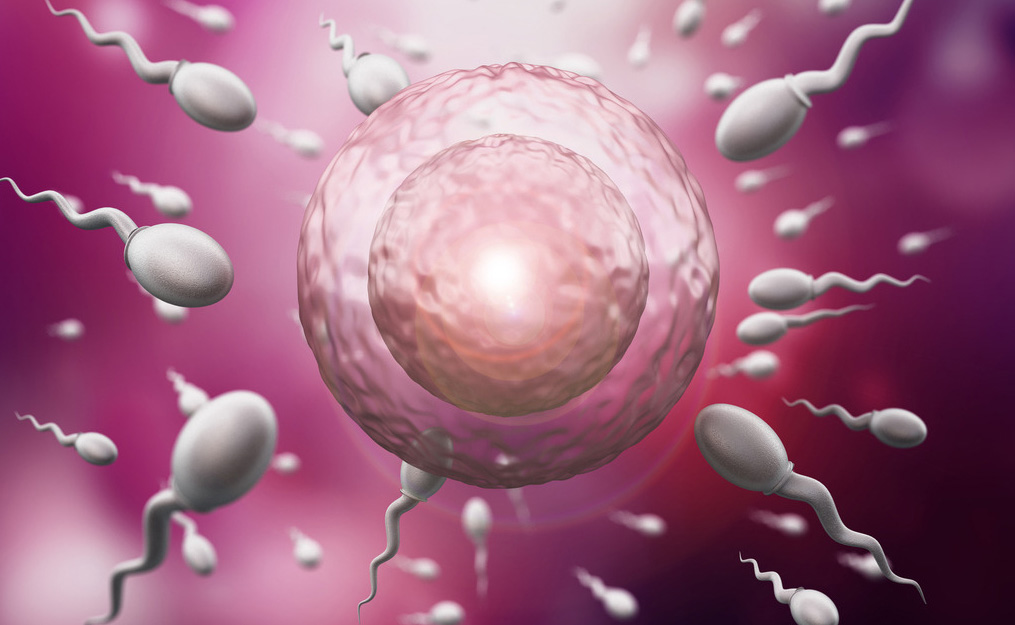
Oligozoospermia and asthenozoospermia are not isolated conditions but rather symptoms of underlying physiological or environmental factors that impact male reproductive health. Oligozoospermia is defined by a sperm concentration of fewer than 15 million sperm per milliliter of semen, as per the World Health Organization (WHO) guidelines. This low count can stem from a variety of causes, including hormonal imbalances, genetic abnormalities, testicular injuries, infections, or lifestyle factors such as excessive alcohol consumption, smoking, and obesity.
Asthenozoospermia, on the other hand, refers to a situation where less than 40% of sperm exhibit progressive motility, meaning they lack the ability to swim forward effectively to reach and fertilize an egg. Causes of asthenozoospermia range from genetic mutations that affect sperm structure and function to oxidative stress, which damages the sperm's cell membrane and impairs its movement. In many cases, men may experience a combination of both conditions, further complicating the path to natural conception.
The impact of these conditions on fertility cannot be overstated. For couples trying to conceive naturally, the odds of success drop dramatically when faced with low sperm count or poor motility. Even with timed intercourse or intrauterine insemination (IUI), the chances of achieving a pregnancy remain relatively low. This is where American IVF steps in, offering a range of specialized techniques designed to bypass these barriers and increase the likelihood of a successful pregnancy.
The United States has long been a global leader in reproductive medicine, boasting state-of-the-art facilities, world-renowned fertility specialists, and a regulatory framework that ensures the highest standards of care. When it comes to treating oligozoospermia and asthenozoospermia, American IVF clinics offer a unique combination of advanced technology, personalized treatment plans, and comprehensive support that sets them apart from other regions.
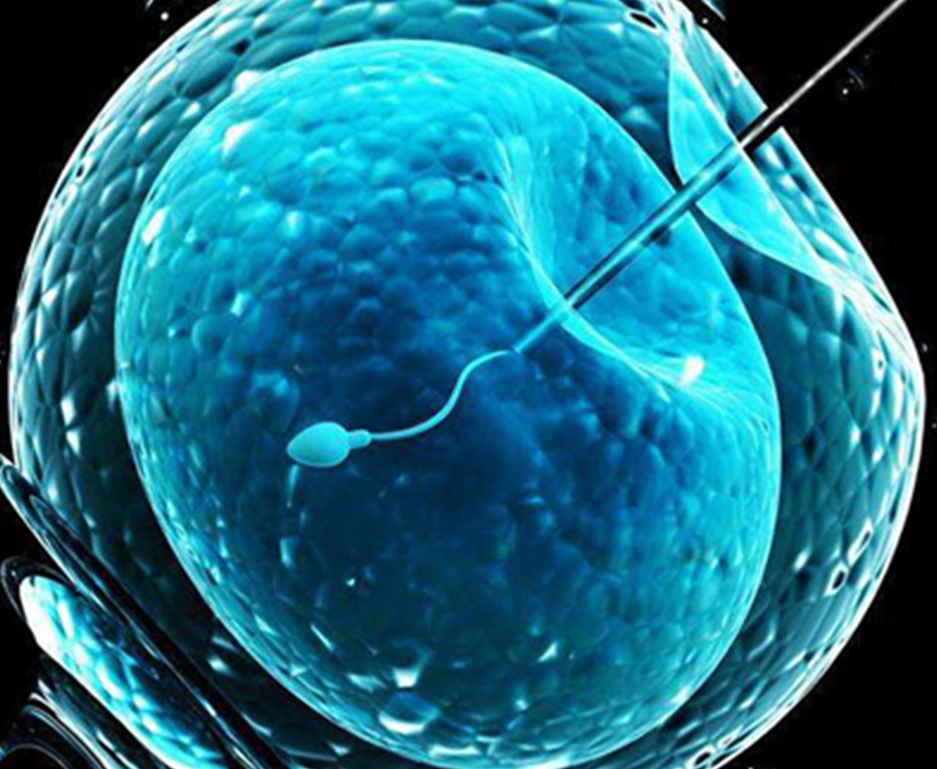
One of the key advantages of American IVF is the access to cutting-edge reproductive technologies. Intracytoplasmic Sperm Injection (ICSI), for example, has revolutionized the treatment of male factor infertility. This technique involves injecting a single, healthy sperm directly into the cytoplasm of an egg, bypassing the need for the sperm to swim and penetrate the egg on its own. ICSI is particularly effective for men with severe oligozoospermia or asthenozoospermia, as it allows fertility specialists to select the most viable sperm from a sample, even if the overall count or motility is low.
In addition to ICSI, American IVF clinics also utilize advanced sperm processing techniques to optimize the quality of the sperm sample. Techniques such as density gradient centrifugation and swim-up methods separate healthy, motile sperm from debris, dead sperm, and other impurities, increasing the chances of successful fertilization. These processing methods are performed in highly controlled laboratory environments, ensuring the integrity and viability of the sperm throughout the process.
Another factor that makes American IVF a top choice for men with oligozoospermia or asthenozoospermia is the emphasis on personalized medicine. Fertility specialists in the US take the time to conduct a comprehensive evaluation of each patient's medical history, lifestyle, and underlying causes of infertility. This holistic approach allows them to develop a customized treatment plan that addresses the specific needs of the individual, rather than relying on a one-size-fits-all solution. For example, a man with oligozoospermia caused by a hormonal imbalance may be prescribed medication to regulate his hormone levels before undergoing IVF, while a man with asthenozoospermia due to oxidative stress may be advised to make dietary changes or take antioxidant supplements to improve sperm quality.
The supportive care provided by American IVF clinics is also a crucial component of their success. Dealing with infertility can be an emotionally and psychologically draining experience, and couples often need a strong support system to navigate the process. Many US clinics offer counseling services, support groups, and educational resources to help couples cope with the stress and uncertainty of fertility treatment. This comprehensive support not only improves the overall patient experience but also contributes to better treatment outcomes, as couples who feel supported are more likely to adhere to their treatment plans and stay positive throughout the process.
The journey of American IVF for men with oligozoospermia or asthenozoospermia typically begins with a thorough diagnostic evaluation. This evaluation may include a detailed medical history review, physical examination, semen analysis, hormonal testing, genetic screening, and imaging studies to assess the structure and function of the male reproductive organs. The goal of this evaluation is to identify the underlying cause of the fertility issue and determine the most appropriate treatment approach.
Once the diagnosis is confirmed, the fertility specialist will work with the couple to develop a personalized treatment plan. For men with oligozoospermia or asthenozoospermia, the plan may include a combination of lifestyle modifications, medication, and assisted reproductive technologies such as ICSI in conjunction with IVF.
The IVF process itself involves several key steps. First, the female partner undergoes ovarian stimulation to produce multiple mature eggs. This is typically done through a combination of injectable medications that stimulate the ovaries to release more eggs than they would in a natural cycle. The progress of ovarian stimulation is closely monitored through blood tests and ultrasound scans to ensure that the eggs are developing properly.
Once the eggs are mature, they are retrieved from the female partner's ovaries in a minimally invasive procedure performed under sedation. At the same time, the male partner provides a semen sample, which is processed using advanced techniques to isolate the healthiest, most motile sperm. If the sperm count is extremely low or no sperm are found in the ejaculate, the fertility specialist may perform a testicular sperm extraction (TESE) or percutaneous epididymal sperm aspiration (PESA) to retrieve sperm directly from the testicles or epididymis.
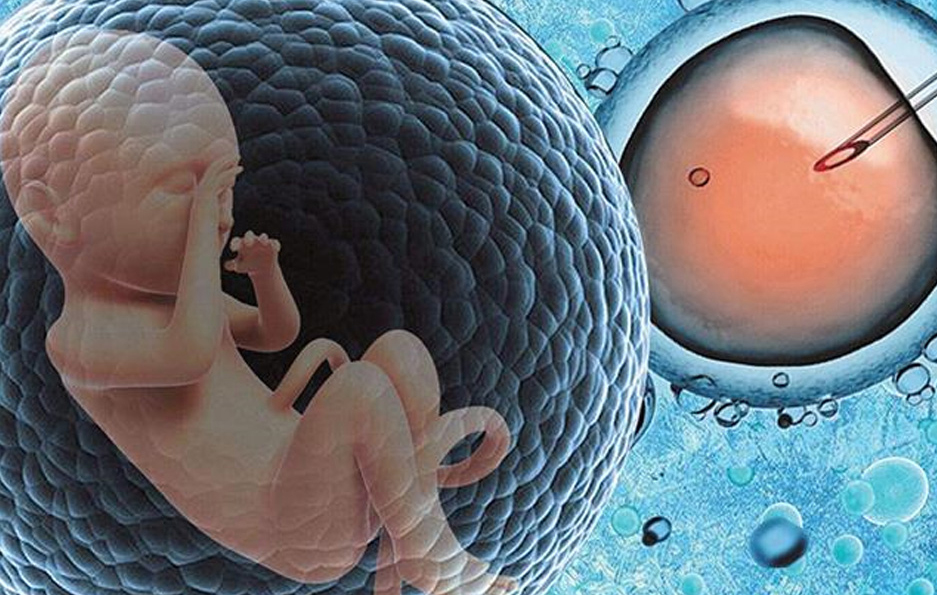
The retrieved eggs and sperm are then brought together in the laboratory, where ICSI is performed. A single sperm is injected into each mature egg, and the fertilized eggs are monitored closely as they develop into embryos. After a few days of incubation, the healthiest embryos are selected for transfer into the female partner's uterus. The number of embryos transferred depends on various factors, including the woman's age, the quality of the embryos, and the couple's preferences.
Following the embryo transfer, the female partner will take progesterone supplements to support the implantation of the embryos. Approximately two weeks later, a pregnancy test is performed to determine if the treatment was successful. If the test is positive, the couple will continue to receive prenatal care to monitor the progress of the pregnancy.
When considering any fertility treatment, success rates are a critical factor for couples to evaluate. While success rates can vary depending on a variety of factors, including the age of the female partner, the severity of the male fertility issue, and the specific treatment approach used, American IVF has consistently demonstrated high success rates for men with oligozoospermia or asthenozoospermia.
According to data from the Centers for Disease Control and Prevention (CDC), the national average success rate for IVF with ICSI in the United States is around 30-40% per cycle for women under the age of 35. For women between the ages of 35 and 37, the success rate drops to around 25-35%, and for women over the age of 40, it falls to around 10-20%. However, it's important to note that these are national averages, and individual success rates can vary significantly depending on the clinic and the specific circumstances of the couple.
Many top-tier American IVF clinics report even higher success rates, particularly when treating male factor infertility. For men with moderate to severe oligozoospermia or asthenozoospermia, the success rate of IVF with ICSI can be as high as 50% per cycle for women under the age of 35. This is due in part to the advanced technologies and personalized treatment approaches used by these clinics, as well as the expertise of their fertility specialists.
It's also important to consider the cumulative success rate of IVF treatment. While not every cycle results in a pregnancy, many couples achieve success after multiple cycles. The CDC reports that the cumulative success rate for IVF after three cycles is around 60-70% for women under the age of 35, and around 40-50% for women between the ages of 35 and 37. This means that even if the first cycle is not successful, there is still a good chance of achieving a pregnancy with subsequent cycles.
While American IVF offers a high chance of success for men with oligozoospermia or asthenozoospermia, several factors can influence the outcome of treatment. Understanding these factors can help couples make informed decisions and take steps to optimize their chances of success.
One of the most significant factors is the age of the female partner. As women age, the quality and quantity of their eggs decline, which can reduce the chances of successful fertilization and implantation. This is why it's important for couples to seek treatment as early as possible, especially if the female partner is over the age of 35.
The severity of the male fertility issue also plays a role in success rates. Men with mild oligozoospermia or asthenozoospermia may have higher success rates than those with severe cases, as there are more healthy sperm available for fertilization. However, even with severe cases, advanced technologies such as ICSI and TESE can significantly improve the chances of success.
Lifestyle factors can also impact the success of IVF treatment. Men with oligozoospermia or asthenozoospermia can improve their sperm quality by making healthy lifestyle changes, such as quitting smoking, reducing alcohol consumption, maintaining a healthy weight, and avoiding exposure to environmental toxins. These changes can not only improve the success rate of IVF but also have long-term benefits for overall health.
The quality of the IVF clinic and the expertise of the fertility specialist are also crucial factors. Couples should take the time to research and select a reputable clinic with a proven track record of success in treating male factor infertility. They should also meet with the fertility specialist to discuss their treatment options, ask questions, and ensure that they feel comfortable with the care they will receive.
Dealing with oligozoospermia or asthenozoospermia can be a daunting experience, but American IVF offers a path forward for couples struggling with male factor infertility. The advanced technologies, personalized treatment plans, and comprehensive support provided by American IVF clinics have helped countless couples achieve their dream of starting a family.
One of the key benefits of American IVF is the ability to address the root cause of the male fertility issue, rather than just treating the symptoms. By conducting a thorough diagnostic evaluation, fertility specialists can identify underlying factors such as hormonal imbalances, genetic abnormalities, or infections, and develop a treatment plan that targets these issues directly. This not only improves the chances of successful IVF but also can have long-term benefits for the male partner's reproductive health.
Another advantage of American IVF is the flexibility it offers. Couples can choose from a range of treatment options, depending on their specific needs and circumstances. For example, some couples may opt for a single cycle of IVF with ICSI, while others may choose to undergo multiple cycles or combine IVF with other treatments such as preimplantation genetic testing (PGT) to screen embryos for genetic abnormalities.
The emotional support provided by American IVF clinics is also invaluable. Infertility can take a toll on a couple's mental and emotional well-being, and having a strong support system in place can make a significant difference. Many clinics offer counseling services, support groups, and educational resources to help couples cope with the stress and uncertainty of fertility treatment. This support not only improves the overall patient experience but also can contribute to better treatment outcomes, as couples who feel supported are more likely to stay positive and adhere to their treatment plans.
For couples struggling with male factor infertility, the decision to pursue American IVF is a significant one that requires careful consideration. It's important to take the time to research different clinics, meet with fertility specialists, and discuss the risks, benefits, and costs of treatment.
One of the first steps is to schedule a consultation with a reputable American IVF clinic. During the consultation, the fertility specialist will conduct a thorough evaluation of both partners, discuss the underlying causes of infertility, and outline the available treatment options. They will also provide information about the success rates, costs, and potential risks of each treatment option, helping the couple make an informed decision.
Cost is often a major concern for couples considering IVF treatment. The cost of American IVF can vary depending on the clinic, the specific treatment plan, and the number of cycles required. On average, a single cycle of IVF with ICSI in the United States can cost anywhere from 25,000, not including the cost of medications, which can add an additional 5,000 per cycle. However, many clinics offer financing options, and some insurance plans may cover a portion of the cost of fertility treatment. It's important for couples to check with their insurance provider to see what coverage is available.
Another factor to consider is the logistical aspects of traveling to the United States for treatment. For couples living outside the US, this may involve arranging travel, accommodation, and time off work. Many American IVF clinics offer international patient services to help couples navigate these logistics, including assistance with travel arrangements, language interpretation, and coordinating care with local healthcare providers.
Ultimately, the decision to pursue American IVF should be based on the couple's individual circumstances, goals, and values. By weighing the risks, benefits, and costs of treatment, and working closely with a reputable fertility specialist, couples can make an informed decision that gives them the best chance of achieving their dream of starting a family.
The field of reproductive medicine is constantly evolving, and American IVF is at the forefront of innovation. Researchers and fertility specialists are continuously exploring new technologies and treatment approaches to improve the success rates of IVF for male factor infertility and make the process more accessible and affordable.
One area of ongoing research is the development of new sperm selection techniques. Current methods rely on visual assessment to select the healthiest sperm, but researchers are exploring the use of advanced technologies such as microfluidics and artificial intelligence to identify sperm with the highest genetic integrity and fertilization potential. These techniques could further improve the success rates of ICSI and reduce the risk of genetic abnormalities in offspring.
Another area of focus is the use of stem cell therapy to treat male factor infertility. Researchers are investigating the potential of using stem cells to regenerate damaged testicular tissue or produce healthy sperm in men with severe oligozoospermia or azoospermia (no sperm in the ejaculate). While this research is still in the early stages, it holds great promise for the future of male fertility treatment.
Advancements in genetic testing are also playing a role in the future of American IVF. Preimplantation genetic testing (PGT) allows fertility specialists to screen embryos for genetic abnormalities before they are transferred into the uterus, reducing the risk of miscarriage and genetic disorders in offspring. As genetic testing technologies continue to improve, they will become more accessible and affordable, allowing more couples to benefit from this advanced screening tool.
In addition to technological innovations, there is also a growing focus on the role of lifestyle and environmental factors in male fertility. Researchers are exploring the impact of diet, exercise, stress, and exposure to toxins on sperm quality and function, and developing evidence-based recommendations for improving male reproductive health. This holistic approach to fertility care will likely become an increasingly important part of American IVF treatment in the future.
American IVF has emerged as a powerful and effective solution for men with oligozoospermia or asthenozoospermia, offering advanced technologies, personalized treatment plans, and comprehensive support that can help couples overcome the challenges of male factor infertility. From the cutting-edge techniques of ICSI and sperm processing to the personalized care provided by world-renowned fertility specialists, American IVF clinics are dedicated to helping couples achieve their dream of starting a family.
While the journey of IVF can be challenging, the high success rates, emotional support, and ongoing innovations in the field make it a viable and often life-changing option for couples struggling with male factor infertility. By understanding the suitability of American IVF, exploring the available treatment options, and working closely with a reputable fertility specialist, couples can take control of their reproductive health and move forward with confidence.
In the ever-evolving landscape of reproductive medicine, American IVF continues to lead the way, offering hope and healing to couples around the world. For men with oligozoospermia or asthenozoospermia, the path to parenthood may be different, but with the right support and treatment, it is certainly within reach.