News Center
Does American IVF cause great harm to women's bodies? How long is the recovery period?
In recent decades, in vitro fertilization (IVF) has emerged as a beacon of hope for millions of individuals and couples struggling with infertility, offering a path to parenthood that was once unimaginable. As the demand for assisted reproductive technologies (ART) continues to rise, particularly in the United States, questions about the safety of IVF and its potential impact on women’s health have become increasingly prominent. Among the most pressing concerns are whether American IVF practices pose significant risks to women’s bodies and how long the recovery process typically takes. To address these questions, it is essential to examine the medical procedures involved in IVF, the documented physical and emotional effects, and the factors that influence recovery outcomes.
IVF is a complex, multi-step process that begins with ovarian stimulation, a critical phase where women receive hormonal medications to encourage the development of multiple follicles in the ovaries. These medications, often a combination of follicle-stimulating hormone (FSH) and luteinizing hormone (LH), work by overriding the body’s natural hormonal balance to produce more eggs than the single follicle that typically matures during a normal menstrual cycle. While this step is necessary to increase the chances of successful fertilization, it is not without risks. The most well-known complication of ovarian stimulation is ovarian hyperstimulation syndrome (OHSS), a condition characterized by the overstimulation of the ovaries, leading to swelling, fluid accumulation in the abdomen, and in severe cases, kidney failure, blood clots, or even death. According to data from the American Society for Reproductive Medicine (ASRM), mild OHSS occurs in approximately 8-23% of IVF cycles, moderate cases in 1-7%, and severe cases in less than 1%. While severe OHSS is rare, its potential severity underscores the importance of careful monitoring during the stimulation phase.
Beyond OHSS, ovarian stimulation can also cause a range of mild to moderate side effects, including bloating, abdominal pain, breast tenderness, and mood swings. These symptoms are typically temporary and subside once the medications are stopped, but they can significantly impact a woman’s quality of life during treatment. Additionally, the use of hormonal medications has raised concerns about long-term risks, such as an increased risk of certain cancers. However, research on this topic remains inconclusive. A large-scale study published in the New England Journal of Medicine in 2013 found no significant association between IVF treatment and an increased risk of breast, ovarian, or endometrial cancer. Similarly, a 2018 review in the Journal of the American Medical Association (JAMA) concluded that while there may be a small increased risk of borderline ovarian tumors in women who undergo multiple IVF cycles, the overall cancer risk remains low and should be weighed against the benefits of treatment for infertility.
The next step in the IVF process is egg retrieval, a minor surgical procedure performed under sedation or anesthesia. During this procedure, a thin needle is inserted through the vaginal wall to aspirate the eggs from the ovaries. While egg retrieval is generally safe, it carries a small risk of complications, including infection, bleeding, damage to surrounding organs (such as the bladder or bowel), and pelvic inflammation. The risk of major complications is estimated to be less than 1%, but even minor issues like vaginal bleeding or cramping can cause discomfort in the days following the procedure. Most women experience some degree of abdominal pain or bloating after egg retrieval, which typically resolves within a few days to a week.
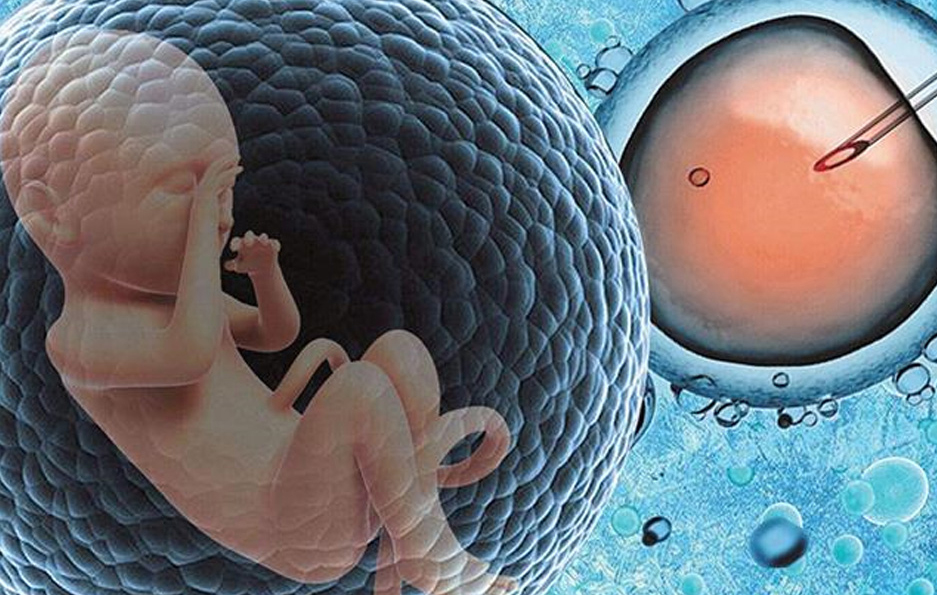
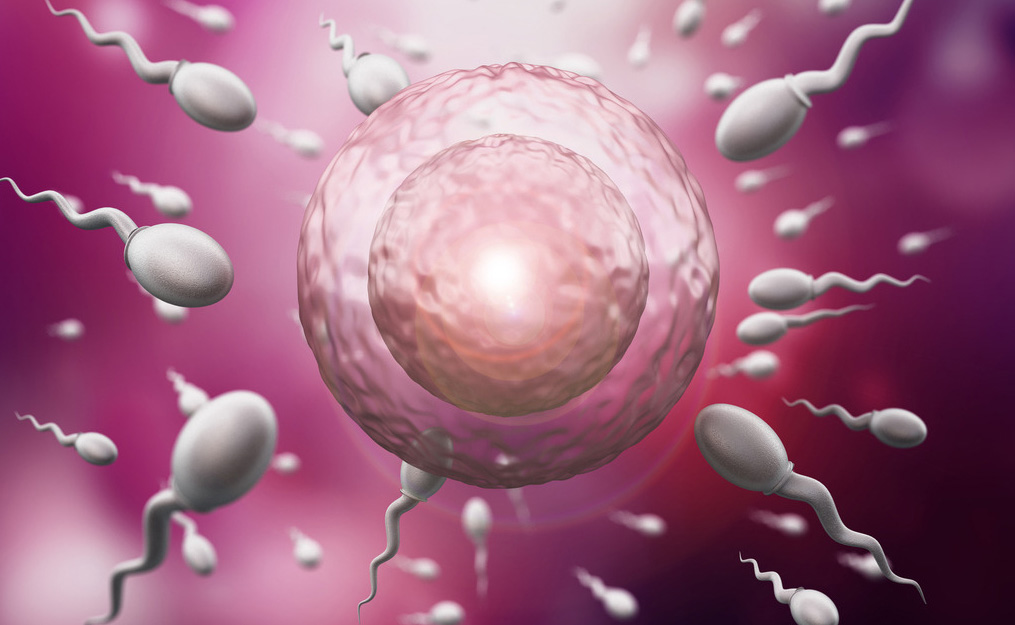
Following egg retrieval, fertilization occurs in a laboratory, where sperm and eggs are combined to form embryos. Once embryos are developed, one or more are transferred to the woman’s uterus, a procedure that is relatively quick and non-invasive. Embryo transfer is associated with minimal discomfort, though some women report mild cramping or spotting afterward. The final step is the luteal phase, during which progesterone supplements are often prescribed to support the uterine lining and improve the chances of implantation. Progesterone can cause side effects such as fatigue, nausea, and mood changes, which may persist until a pregnancy test is performed, usually two weeks after transfer.
In addition to the physical risks, IVF can also take a significant toll on a woman’s emotional well-being. The stress of treatment, the uncertainty of success, and the financial burden can lead to anxiety, depression, and relationship strain. Studies have shown that women undergoing IVF experience higher levels of psychological distress compared to the general population, with factors such as previous failed cycles, advanced maternal age, and financial压力 exacerbating these feelings. It is important for clinics to provide emotional support services, such as counseling or support groups, to help women cope with the psychological challenges of IVF.
When it comes to recovery time, the timeline varies depending on the individual and the specific steps of the IVF process. After ovarian stimulation, most women recover from the side effects within a few days to a week once the medications are stopped. Egg retrieval typically requires a day or two of rest, with full recovery within a week. Following embryo transfer, women are often advised to take it easy for a day or two, though there is no evidence that strict bed rest improves implantation rates. The luteal phase, which lasts approximately two weeks, can be emotionally draining as women wait to learn if the treatment was successful. If pregnancy is achieved, the recovery process shifts to prenatal care, with the usual risks and discomforts of pregnancy. If the cycle is unsuccessful, women may need time to recover emotionally before deciding whether to try again.
It is important to note that the risks and recovery time associated with IVF can be influenced by a variety of factors, including a woman’s age, overall health, and the number of IVF cycles she undergoes. Younger women with no underlying health conditions generally have a lower risk of complications and a faster recovery than older women or those with chronic illnesses. Additionally, advances in IVF techniques, such as the use of lower doses of hormonal medications and improved monitoring protocols, have helped to reduce the risk of OHSS and other complications in recent years.
In conclusion, while IVF is not without risks, the vast majority of women who undergo treatment experience only mild to moderate side effects, and severe complications are rare. The physical recovery period is relatively short, with most women able to resume their normal activities within a week of egg retrieval. However, the emotional impact of IVF should not be underestimated, and women should be provided with adequate support throughout the process. As with any medical procedure, it is important for women to discuss the potential risks and benefits of IVF with their healthcare provider and to make informed decisions based on their individual circumstances. With proper monitoring and care, IVF remains a safe and effective option for many couples struggling with infertility, offering the hope of building a family.
The landscape of IVF in the United States is constantly evolving, with ongoing research aimed at improving outcomes and reducing risks. As technology advances and our understanding of the human reproductive system deepens, the safety and efficacy of IVF are likely to continue to improve. For women considering IVF, it is essential to choose a reputable clinic with experienced healthcare providers who prioritize patient safety and well-being. By staying informed and working closely with their medical team, women can navigate the IVF process with confidence, knowing that they are taking steps to achieve their dream of parenthood while minimizing potential risks to their health.
Ultimately, the decision to undergo IVF is a deeply personal one, influenced by a variety of factors including medical need, emotional readiness, and financial considerations. While there are risks involved, the potential rewards of IVF—bringing a child into the world—are immeasurable for many couples. With proper care and support, women can undergo IVF with confidence, knowing that they are in good hands and that the vast majority of women go on to have successful outcomes with minimal long-term harm to their bodies.
As we continue to learn more about the effects of IVF, it is important to approach the topic with nuance and evidence-based information, avoiding fear-mongering or misinformation. By providing accurate, up-to-date information about the risks and recovery process, we can empower women to make informed decisions about their reproductive health and feel confident in their choice to pursue IVF. In the end, the goal of IVF is to help individuals and couples build the families they desire, and with the right care and support, this goal is achievable for many.