News Center
# Can American IVF Solve Various Infertility Problems for Couples?

Infertility is a deeply personal and often challenging journey that affects millions of couples worldwide. For those struggling to conceive, in vitro fertilization (IVF) has emerged as a beacon of hope, offering a path to parenthood that was once unimaginable. Among the global leaders in IVF treatment, the United States stands out for its advanced medical infrastructure, cutting-edge research, and a wide range of specialized fertility clinics. But can American IVF truly solve the diverse array of infertility problems that couples face? This article delves into the capabilities, limitations, and real-world impact of IVF in the United States, exploring how it addresses different causes of infertility and what couples can expect from the process.

 Understanding Infertility: A Complex and Multifaceted Issue

Before examining how IVF can help, it’s crucial to understand the complexity of infertility. Infertility is defined as the inability to conceive after 12 months of regular unprotected intercourse (or six months if the woman is over 35). It can stem from a variety of factors, affecting both men and women equally. Common causes include:

- Female factors: Ovulation disorders, damaged fallopian tubes, endometriosis, uterine abnormalities, and age-related decline in egg quality.
- Male factors: Low sperm count, poor sperm motility, abnormal sperm shape, or issues with sperm delivery.
- Unexplained infertility: In approximately 10-15% of cases, no clear cause can be identified despite thorough testing.

Each of these challenges requires a tailored approach, and IVF is often considered a versatile solution that can address many of them. However, its effectiveness depends on the underlying cause, the age of the partners, and other individual factors.

 The Role of American IVF in Addressing Female Infertility

American IVF clinics are at the forefront of treating female infertility, offering a range of advanced techniques to overcome various obstacles. Here’s how IVF can help with specific female-related issues:

 Ovulation Disorders
Conditions like polycystic ovary syndrome (PCOS) or hypothalamic dysfunction can disrupt ovulation, making it difficult for women to release eggs regularly. IVF addresses this by using fertility medications to stimulate the ovaries to produce multiple eggs. These eggs are then retrieved, fertilized in a lab, and transferred to the uterus. By bypassing the natural ovulation process, IVF increases the chances of conception for women with ovulation disorders.

 Damaged or Blocked Fallopian Tubes
The fallopian tubes play a critical role in fertilization, as they are where sperm and egg meet. If the tubes are damaged, blocked, or removed (due to conditions like pelvic inflammatory disease or ectopic pregnancy), natural conception becomes nearly impossible. IVF circumvents this issue by fertilizing eggs outside the body, eliminating the need for the fallopian tubes to function properly. This makes IVF one of the most effective treatments for women with tubal factor infertility.

 Endometriosis
Endometriosis occurs when tissue similar to the uterine lining grows outside the uterus, leading to pain, inflammation, and scarring. This can damage the ovaries, fallopian tubes, and uterus, reducing fertility. IVF can help by bypassing the affected reproductive organs. In some cases, doctors may recommend surgery to remove endometrial implants before IVF to improve success rates. However, IVF itself can be highly effective for women with endometriosis, especially when other treatments have failed.

 Age-Related Infertility
As women age, the quantity and quality of their eggs decline significantly, making it harder to conceive. IVF can help by using fertility drugs to stimulate the ovaries to produce more eggs, increasing the chances of retrieving viable eggs. For women over 40, or those with diminished ovarian reserve, additional techniques like preimplantation genetic testing (PGT) can be used to screen embryos for chromosomal abnormalities, improving the likelihood of a successful pregnancy. However, it’s important to note that IVF success rates decline with age, and women over 45 may have lower chances of success even with treatment.

 Male Infertility: How American IVF Can Help

While infertility is often perceived as a female issue, male factors contribute to approximately 40-50% of cases. American IVF clinics offer specialized treatments to address male infertility, including:

 Low Sperm Count or Poor Sperm Quality
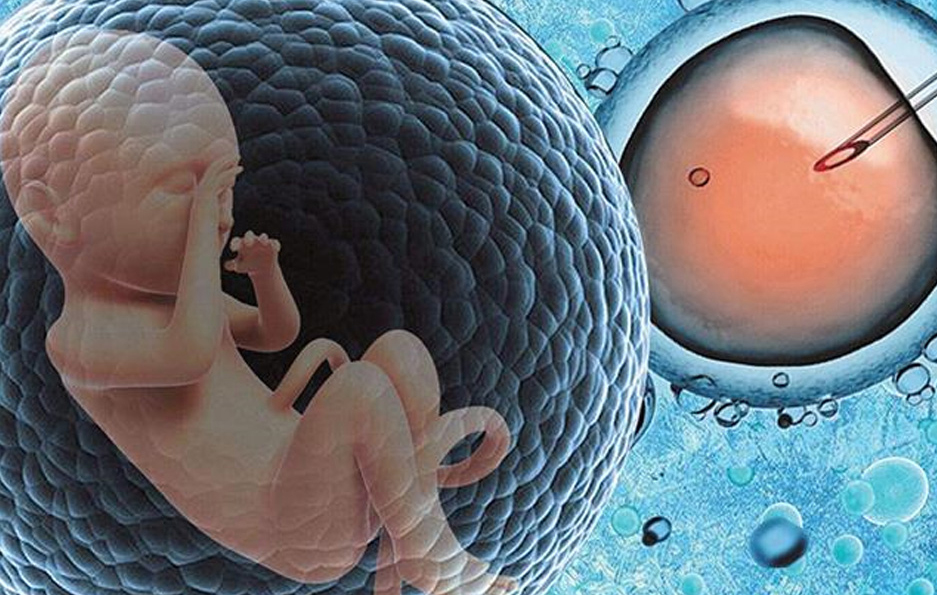
Men with low sperm count, poor sperm motility, or abnormal sperm shape may struggle to fertilize an egg naturally. IVF can help by using intracytoplasmic sperm injection (ICSI), a technique where a single sperm is directly injected into an egg. This bypasses the need for sperm to swim to the egg and penetrate it on their own, making it possible for men with severe male factor infertility to father a child.

 Sperm Delivery Issues
Conditions like erectile dysfunction, premature ejaculation, or blockages in the reproductive tract can prevent sperm from reaching the egg. IVF can overcome these issues by retrieving sperm directly from the testicles or epididymis using techniques like testicular sperm aspiration (TESA) or percutaneous epididymal sperm aspiration (PESA). The retrieved sperm is then used in IVF or ICSI to fertilize the egg.

 Unexplained Infertility: When the Cause Remains a Mystery

For couples with unexplained infertility, where all tests come back normal, IVF can still be a viable option. In these cases, IVF bypasses potential unknown issues in the natural conception process by fertilizing eggs outside the body and transferring embryos directly to the uterus. While the success rates may be slightly lower than for couples with a known cause, many couples with unexplained infertility are able to achieve pregnancy through IVF.

 Advanced Techniques in American IVF: Pushing the Boundaries of Possibility

American IVF clinics are renowned for their use of advanced techniques that enhance success rates and address specific challenges. Some of these include:

 Preimplantation Genetic Testing (PGT)
PGT involves screening embryos for genetic abnormalities before they are transferred to the uterus. This can help reduce the risk of miscarriage, genetic disorders, and improve the chances of a successful pregnancy. PGT is particularly beneficial for couples with a known genetic condition, women over 35, or those with a history of recurrent miscarriage.

 Donor Eggs and Sperm
For couples where one or both partners cannot produce viable eggs or sperm, donor eggs or sperm can be used in IVF. American clinics have well-established donor programs that screen donors for genetic and infectious diseases, ensuring the highest standards of safety and quality. Donor eggs can significantly improve success rates for women with diminished ovarian reserve or advanced age.

 Gestational Surrogacy
In cases where a woman cannot carry a pregnancy to term (due to uterine abnormalities, medical conditions, or previous failed pregnancies), gestational surrogacy can be an option. In this process, an embryo created using the couple’s eggs and sperm (or donor gametes) is transferred to a surrogate’s uterus. American law generally supports gestational surrogacy, and many clinics have extensive experience coordinating surrogacy arrangements.

 The Limitations of American IVF: What It Can’t Do

While IVF is a powerful tool, it’s not a universal solution for all infertility problems. There are certain limitations to consider:

 Age-Related Decline
As mentioned earlier, IVF success rates decline significantly with age, especially for women over 40. While donor eggs can improve outcomes, they may not be an option for all couples. It’s important for women to understand the impact of age on fertility and consider seeking treatment sooner rather than later.

 Underlying Medical Conditions
Some medical conditions, such as severe uterine abnormalities or certain genetic disorders, may make IVF less likely to succeed. In these cases, alternative options like adoption or gestational surrogacy may be more appropriate.

 Emotional and Financial Burden
IVF is not only physically demanding but also emotionally and financially stressful. The process involves multiple appointments, hormone injections, and invasive procedures, which can take a toll on couples’ mental health. Additionally, the cost of IVF in the United States can be prohibitively expensive, with a single cycle costing anywhere from $15,000 to $30,000 or more, depending on the clinic and additional services required. Many insurance plans do not cover IVF, leaving couples to bear the full cost themselves.

 Success Rates Are Not Guaranteed
Even with the best medical care, IVF does not guarantee a successful pregnancy. Success rates vary depending on factors like age, the cause of infertility, and the clinic’s expertise. It’s important for couples to have realistic expectations and be prepared for the possibility of multiple cycles or alternative treatments.

 Choosing an American IVF Clinic: What to Look For

Selecting the right IVF clinic is a crucial decision that can significantly impact the success of treatment. When choosing a clinic in the United States, consider the following factors:

 Success Rates
Look for clinics with high success rates, especially for couples with similar characteristics to yours (e.g., age, cause of infertility). The Society for Assisted Reproductive Technology (SART) and the Centers for Disease Control and Prevention (CDC) publish annual reports on IVF success rates, which can help you compare clinics.

 Expertise and Experience
Choose a clinic with a team of experienced fertility specialists, embryologists, and support staff. Look for clinics that specialize in the specific type of infertility you are facing (e.g., male factor infertility, endometriosis).

 Range of Services
Ensure the clinic offers a comprehensive range of services, including IVF, ICSI, PGT, donor gametes, and surrogacy. This will allow you to explore all available options under one roof.

 Patient Support
IVF can be an emotionally challenging journey, so it’s important to choose a clinic that offers robust patient support, including counseling, support groups, and personalized care.

 Cost and Insurance Coverage
Understand the cost of treatment and whether the clinic accepts your insurance. Many clinics offer financing options or payment plans to help make IVF more affordable.

 Real-World Stories: How American IVF Has Changed Lives

To truly understand the impact of American IVF, it’s helpful to hear from couples who have gone through the process. Here are a few real-world stories:

 Sarah and Michael: Overcoming Male Factor Infertility
Sarah and Michael had been trying to conceive for two years when they discovered that Michael had a low sperm count and poor sperm motility. After exploring other options, they decided to pursue IVF with ICSI at a leading American clinic. The process was challenging, but after two cycles, Sarah became pregnant with twins. “IVF gave us the chance to become parents when we thought all hope was lost,” Sarah says. “We are forever grateful to the team at our clinic for their expertise and support.”

 Lisa: Navigating Age-Related Infertility
Lisa was 38 when she and her husband started trying to conceive. After a year of unsuccessful attempts, they turned to IVF. Lisa’s first cycle was unsuccessful, but her doctor recommended using donor eggs for the second cycle. With donor eggs, Lisa became pregnant on her first try and gave birth to a healthy baby girl. “I was initially hesitant about using donor eggs, but it was the best decision we ever made,” Lisa says. “Our daughter is a miracle, and we couldn’t imagine our lives without her.”

 Mark and David: Building a Family Through Surrogacy
Mark and David, a same-sex couple, knew they wanted to start a family but faced unique challenges. They chose to use IVF with donor eggs and a gestational surrogate. After a thorough screening process, they found a surrogate who was a perfect match. The IVF cycle was successful, and their surrogate gave birth to a baby boy. “IVF and surrogacy allowed us to fulfill our dream of becoming parents,” Mark says. “It was a long journey, but every step was worth it.”

 Conclusion: American IVF as a Powerful Tool, But Not a Panacea

American IVF has revolutionized the field of infertility treatment, offering hope to millions of couples struggling to conceive. With its advanced techniques, experienced specialists, and comprehensive range of services, it can address a wide variety of infertility problems, from ovulation disorders and male factor infertility to unexplained infertility and age-related decline. However, it’s important to recognize that IVF is not a cure-all, and its success depends on a variety of factors, including age, the underlying cause of infertility, and individual circumstances.

For couples considering IVF, it’s essential to do their research, choose a reputable clinic, and have realistic expectations. While the process can be emotionally and financially demanding, the rewards of holding a healthy baby in your arms are immeasurable. With the right support and guidance, American IVF can be a life-changing solution that helps couples overcome the challenges of infertility and build the family they’ve always dreamed of.

Remember, you are not alone in this journey. Reach out to fertility specialists, support groups, and other couples who have been through IVF to gain insight and encouragement. With perseverance and the right medical care, you can increase your chances of success and take the first step towards parenthood.