News Center
When embarking on the journey of In Vitro Fertilization (IVF) in the United States, both partners play equally critical roles in setting the stage for a successful outcome. Unlike common misconceptions that frame IVF as a process centered solely on the individual undergoing treatment, medical research and clinical experience consistently highlight that the physical health, lifestyle choices, and emotional well-being of both spouses directly impact embryo quality, implantation rates, and ultimately, the likelihood of a healthy pregnancy. This comprehensive guide outlines evidence-based precautions and actionable steps for both men and women to optimize their physical condition before starting IVF, aligning with the rigorous standards of U.S. fertility clinics and the latest reproductive science.
The first step in preparing for IVF is addressing any underlying reproductive health issues that could hinder treatment success. In the U.S., fertility specialists typically recommend a series of screenings 3-6 months before starting IVF, including a comprehensive pelvic exam, transvaginal ultrasound to assess ovarian reserve and uterine health, and blood tests to check for hormonal imbalances (such as thyroid dysfunction, prolactin levels, and anti-Müllerian hormone, or AMH). Women with a history of sexually transmitted infections (STIs), endometriosis, or uterine fibroids should work closely with their provider to manage these conditions prior to treatment. For example, untreated STIs like chlamydia can cause pelvic inflammatory disease, which may damage the fallopian tubes and reduce the chances of embryo implantation. Uterine fibroids or polyps that distort the uterine cavity may require minimally invasive surgery to remove, as they can interfere with embryo attachment.
Additionally, genetic counseling is a crucial precaution for many couples in the U.S., especially those with a family history of genetic disorders or advanced maternal age. Genetic testing can identify chromosomal abnormalities or single-gene mutations that could be passed to the fetus, allowing couples to consider preimplantation genetic testing (PGT) as part of their IVF cycle to select healthy embryos.
Nutrition forms the cornerstone of physical preparation for IVF. A balanced, nutrient-dense diet supports ovarian function, improves egg quality, and creates a receptive uterine environment for implantation. U.S. fertility experts emphasize focusing on whole foods, including:
Conversely, women should limit or avoid certain foods and substances that can harm reproductive health. This includes processed foods high in added sugars and trans fats, which increase inflammation and insulin resistance, and raw or undercooked meats, fish, and eggs, which carry a risk of foodborne illnesses like listeriosis that can be dangerous during pregnancy. Caffeine intake should also be moderated; most guidelines suggest limiting consumption to 200 mg per day (equivalent to about one 8-ounce cup of coffee), as excessive caffeine has been linked to reduced fertility and increased miscarriage risk.
Women with chronic health conditions such as diabetes, hypertension, or autoimmune disorders must work closely with their primary care provider and fertility specialist to ensure their conditions are well-controlled before starting IVF. Uncontrolled diabetes, for instance, can lead to high blood sugar levels that damage eggs and increase the risk of miscarriage or birth defects. Similarly, poorly managed hypertension can affect blood flow to the uterus, reducing the chances of successful implantation.
It is also essential to review all medications, including over-the-counter supplements and herbal remedies, with a healthcare provider. Some medications, such as nonsteroidal anti-inflammatory drugs (NSAIDs) like ibuprofen, can interfere with ovulation or implantation, while certain herbal supplements like St. John’s Wort or black cohosh may interact with fertility medications. U.S. fertility clinics often provide a detailed list of safe and unsafe medications during IVF preparation, and women should never start or stop any medication without consulting their care team.
Regular, moderate physical activity offers numerous benefits for women preparing for IVF, including improved blood circulation to the reproductive organs, reduced stress, and better weight management. Maintaining a healthy body mass index (BMI) is particularly important; research shows that women with a BMI above 30 (obese) or below 18.5 (underweight) may experience lower IVF success rates due to hormonal imbalances, reduced egg quality, and increased risk of complications during pregnancy. U.S. fertility specialists recommend 150 minutes of moderate aerobic activity per week, such as brisk walking, swimming, or cycling, combined with strength training exercises to build muscle mass.
Stress management is another critical precaution, as chronic stress can disrupt the hypothalamic-pituitary-ovarian axis, leading to hormonal imbalances that affect ovulation and embryo implantation. In the U.S., many fertility clinics offer stress-reduction programs, including mindfulness meditation, yoga, cognitive-behavioral therapy (CBT), and acupuncture, to help women cope with the emotional demands of IVF. Incorporating daily relaxation techniques, such as deep breathing exercises or guided imagery, can also lower cortisol levels and improve overall well-being.
Exposure to certain substances and environmental toxins can significantly impact reproductive health and IVF outcomes. Women should quit smoking entirely, as tobacco use reduces egg quality, increases the risk of miscarriage, and lowers the success rate of embryo implantation. Alcohol consumption should also be eliminated; even moderate drinking has been linked to reduced fertility and increased risk of birth defects.
Environmental toxins, such as pesticides, heavy metals, and endocrine-disrupting chemicals (EDCs) found in plastics, cosmetics, and cleaning products, can also interfere with hormonal function. Women should take precautions to minimize exposure, including using glass or stainless steel containers instead of plastic, choosing organic foods to reduce pesticide intake, and avoiding products containing phthalates, parabens, and bisphenol A (BPA). Many U.S. fertility clinics provide resources on how to identify and reduce exposure to these toxins, as part of pre-IVF preparation.
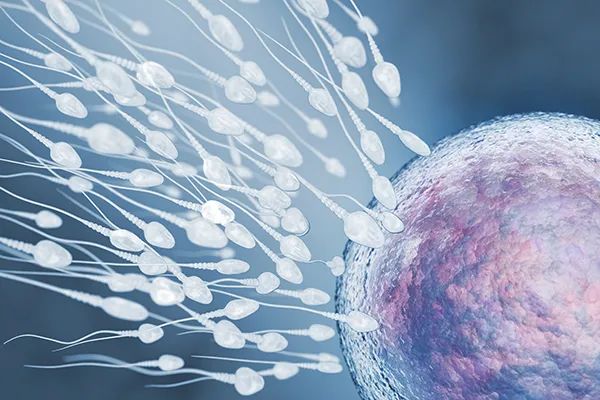
While much of the focus in IVF preparation is on female partners, male sperm quality directly affects embryo development and pregnancy success. In the U.S., men are typically required to undergo a semen analysis 2-3 months before starting IVF, as sperm take approximately 72 days to develop. A comprehensive semen analysis evaluates sperm count, motility (the ability of sperm to move effectively), morphology (the shape of sperm), and sperm DNA fragmentation. Abnormalities in any of these areas can reduce the chances of fertilization or increase the risk of miscarriage.
If semen analysis results show issues like low sperm count, poor motility, or high DNA fragmentation, men should work with a urologist or male fertility specialist to identify and address underlying causes. Common factors that affect sperm health include varicoceles (enlarged veins in the scrotum), hormonal imbalances (such as low testosterone), infections of the reproductive tract, and certain genetic conditions. Treatments may include surgical correction of varicoceles, hormone therapy, or antibiotics for infections.
Nutrition plays a vital role in sperm health, and male partners can take specific dietary precautions to improve sperm quality. Key nutrients for sperm production include:
Men should also avoid excessive intake of soy products, as high levels of phytoestrogens in soy can interfere with testosterone production. Additionally, limiting processed foods, added sugars, and saturated fats can help maintain a healthy weight and reduce inflammation, which can harm sperm health.
Lifestyle choices have a significant impact on sperm quality, and male partners can take several precautions to optimize their reproductive function. Like women, men should quit smoking entirely, as tobacco use reduces sperm count, motility, and morphology, and increases sperm DNA fragmentation. Alcohol consumption should be limited or eliminated; heavy drinking has been linked to reduced testosterone levels, impaired sperm production, and increased risk of birth defects.
Men should also avoid excessive heat exposure to the testicles, as high temperatures can damage sperm production. This includes avoiding hot tubs, saunas, and tight-fitting underwear, and limiting time spent sitting for long periods (such as in a desk job). Regular physical activity is also beneficial; moderate exercise, such as jogging, weightlifting, or cycling, can improve blood flow to the reproductive organs and support healthy testosterone levels. However, excessive endurance exercise, such as long-distance running, may have the opposite effect, so it is important to maintain a balanced routine.
Male partners should also take precautions to reduce exposure to environmental toxins that can harm sperm health. Occupational hazards, such as exposure to pesticides, heavy metals (like lead, mercury, and cadmium), and industrial chemicals, can significantly reduce sperm quality. Men working in high-risk industries, such as agriculture, construction, or manufacturing, should follow safety guidelines to minimize exposure, such as wearing protective clothing and equipment.
In addition, men should avoid using products containing endocrine-disrupting chemicals, such as certain plastics, cosmetics, and cleaning products. For example, BPA, found in some plastic bottles and food containers, can mimic estrogen in the body, leading to hormonal imbalances that affect sperm production. Choosing BPA-free products and avoiding microwaving food in plastic containers can help reduce exposure.
The IVF journey can be emotionally challenging for both partners, and maintaining open communication is essential. Both spouses should take the time to discuss their fears, hopes, and expectations, and support each other through the ups and downs of treatment. In the U.S., many fertility clinics offer couples counseling or support groups, which can provide a safe space to share experiences and learn coping strategies. It is also important to set realistic expectations; while IVF success rates have improved significantly in recent years, they are not guaranteed, and it may take multiple cycles to achieve a pregnancy.
Adequate sleep is critical for overall health and reproductive function, as it supports hormone regulation, immune function, and emotional well-being. Both partners should aim for 7-9 hours of quality sleep each night, and establish a consistent sleep schedule to regulate the body’s circadian rhythm. Poor sleep has been linked to reduced fertility in both men and women, as it can disrupt hormonal balance, increase stress levels, and impair immune function. To improve sleep quality, couples should avoid screens before bed, create a relaxing bedtime routine, and ensure their sleep environment is cool, dark, and quiet.
In the months leading up to IVF, both partners should avoid unnecessary medical procedures that involve radiation exposure, such as X-rays or CT scans, unless medically necessary. Radiation can damage DNA in both eggs and sperm, increasing the risk of genetic abnormalities in embryos. If a procedure involving radiation is unavoidable, it is important to inform the healthcare provider that you are preparing for IVF, so they can take precautions to minimize exposure to the reproductive organs.
Finally, both partners must closely follow the instructions provided by their U.S. fertility clinic in the weeks leading up to the IVF cycle. This includes adhering to medication schedules, attending all pre-treatment appointments, and following any specific dietary or lifestyle guidelines. For example, women may be instructed to start taking certain medications, such as birth control pills or gonadotropin-releasing hormone (GnRH) agonists, to regulate their menstrual cycle and prepare the ovaries for stimulation. Men may be asked to abstain from ejaculation for 2-5 days before providing a sperm sample for IVF, as this optimizes sperm count and motility.
In conclusion, preparing for IVF in the United States requires a collaborative, evidence-based approach from both spouses. By prioritizing reproductive health screenings, optimizing nutrition, adopting a fertility-friendly lifestyle, managing chronic conditions, and providing emotional support to each other, couples can significantly improve their chances of a successful IVF outcome. Every precaution taken in the pre-treatment phase lays the groundwork for a healthy pregnancy, and aligning with the rigorous standards of U.S. reproductive medicine ensures that couples receive the highest quality of care throughout their IVF journey.