News Center
In vitro fertilization (IVF) has emerged as a beacon of hope for millions of individuals and couples struggling with infertility across the United States. A pivotal step in this transformative journey is egg retrieval, a minimally invasive procedure that bridges the gap between ovarian stimulation and embryo fertilization. For many prospective parents, understanding the intricacies of this process—from its medical mechanics to the emotional and physical experiences involved—can alleviate anxiety and foster a sense of empowerment as they navigate the path to building their families.
Egg retrieval is more than just a medical procedure; it is a critical milestone that requires careful planning, precision, and compassion. By demystifying the steps, exploring pain management strategies, and addressing common concerns, we aim to provide a comprehensive guide that equips patients with the knowledge they need to approach this phase of IVF with confidence. Whether you are just beginning to explore fertility treatments or are actively undergoing an IVF cycle, this article will serve as a trusted resource to help you make informed decisions and feel supported every step of the way.
Before the actual egg retrieval takes place, patients undergo a series of preparatory steps designed to optimize the number and quality of mature eggs. This phase typically begins with ovarian stimulation, where fertility medications are administered over a period of 8–14 days. These medications, often including follicle-stimulating hormone (FSH) and luteinizing hormone (LH), work to stimulate the ovaries to produce multiple mature eggs instead of the single egg that naturally develops during a menstrual cycle.
Throughout the stimulation phase, close monitoring is essential to track follicle growth and hormone levels. This usually involves regular transvaginal ultrasounds to visualize the developing follicles and blood tests to measure estrogen and progesterone levels. Once the follicles reach an optimal size—typically 18–20 millimeters in diameter—a trigger shot of human chorionic gonadotropin (hCG) or a GnRH agonist is administered. This shot mimics the natural LH surge that triggers ovulation, ensuring that the eggs mature fully and are ready for retrieval approximately 36 hours later.
In the days leading up to the procedure, patients will receive detailed instructions from their fertility team. These may include dietary restrictions (such as fasting for 8–12 hours before the procedure), guidelines for discontinuing certain medications, and advice on arranging for transportation to and from the clinic, as sedation will be used during the retrieval. It is also important for patients to communicate any allergies, medical conditions, or concerns with their healthcare provider to ensure a safe and smooth procedure.
On the day of the egg retrieval, patients will arrive at the fertility clinic and be greeted by a supportive medical team. The procedure is typically performed in an outpatient setting, meaning patients can return home the same day. Before the retrieval begins, a nurse will review the patient’s medical history, administer any necessary pre-procedure medications (such as antibiotics to reduce the risk of infection), and insert an intravenous (IV) line to deliver sedation and fluids.
Most patients receive moderate sedation, often a combination of a benzodiazepine (to induce relaxation and reduce anxiety) and an opioid pain reliever (to minimize discomfort). This sedation ensures that the patient remains comfortable and may even sleep through the entire procedure, which usually takes 15–30 minutes to complete. For patients with specific medical concerns or preferences, local anesthesia (numbing the vaginal area) or general anesthesia (complete unconsciousness) may also be considered, although these are less common.
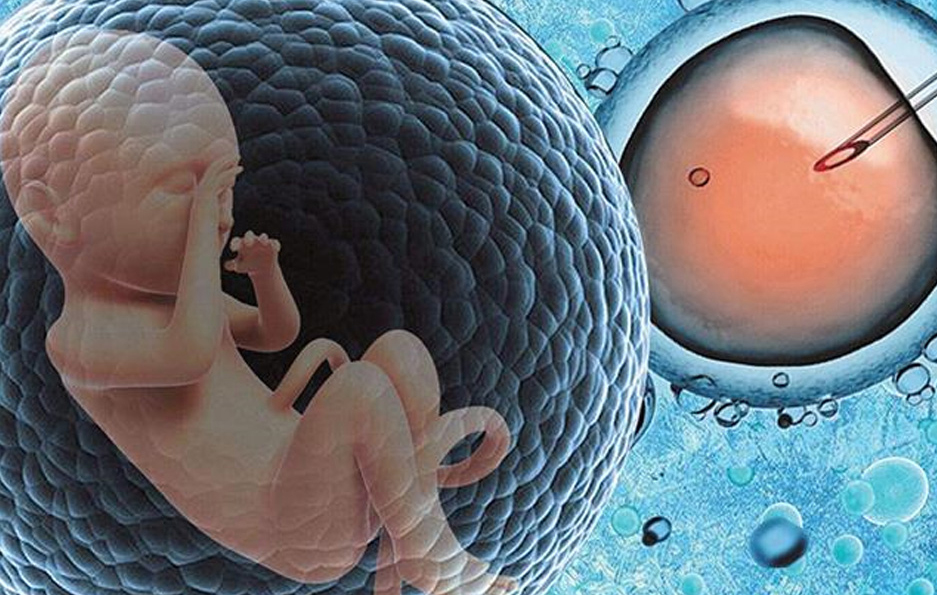
Once sedated, the fertility specialist will perform a transvaginal ultrasound to guide the retrieval process. A thin, ultrasound-guided needle is inserted through the vaginal wall and into each mature follicle. Using gentle suction, the follicular fluid—containing the mature egg—is aspirated into a collection tube. The procedure is repeated for each follicle visible on the ultrasound, with the number of follicles retrieved varying depending on the patient’s response to ovarian stimulation.
Throughout the procedure, an embryologist is present in the operating room to immediately examine the retrieved follicular fluid under a microscope. The embryologist carefully identifies and isolates the mature eggs, transferring them to a specialized culture medium in an incubator. This quick turnaround is crucial, as the eggs must be handled with extreme care to maintain their viability for fertilization.
After the egg retrieval is complete, patients are moved to a recovery area where they will be monitored for 1–2 hours as the sedation wears off. During this time, the medical team will check vital signs, address any immediate concerns, and provide post-procedure instructions. It is common for patients to experience mild cramping, bloating, or spotting in the hours following the procedure, similar to menstrual symptoms. Over-the-counter pain relievers such as acetaminophen or ibuprofen are usually sufficient to manage these discomforts, although prescription medication may be provided for more severe pain.
Patients are advised to rest for the remainder of the day and avoid strenuous activities, heavy lifting, or sexual intercourse for at least 24–48 hours. It is also important to stay hydrated, eat light, nutritious meals, and avoid alcohol or caffeine. Most patients are able to return to work or their normal daily routines within 1–2 days, although this may vary depending on individual comfort levels and the nature of their job.
In the days following the retrieval, the fertility team will provide updates on the number of mature eggs retrieved and their quality. Approximately 4–6 hours after retrieval, the eggs are fertilized either through conventional insemination (where sperm is added to the culture medium with the eggs) or intracytoplasmic sperm injection (ICSI), where a single sperm is directly injected into each mature egg. The fertilized eggs (embryos) are then monitored for 3–5 days as they develop, at which point the healthiest embryo(s) are selected for transfer into the uterus or cryopreserved (frozen) for future use.
One of the most common concerns among patients undergoing egg retrieval is the level of pain associated with the procedure. It is important to note that every individual’s experience is unique, and factors such as pain tolerance, the number of follicles retrieved, and the type of sedation used can all influence the perception of discomfort. However, with modern pain management techniques and careful medical oversight, most patients report that the procedure is far less painful than anticipated.
During the retrieval itself, the sedation administered ensures that patients are relaxed and typically do not feel any pain. Some patients may experience a mild pressure sensation or cramping as the needle is inserted into the follicles, but this is usually minimal and short-lived. The use of ultrasound guidance also helps to minimize any potential trauma to surrounding tissues, further reducing the risk of discomfort.
In the hours and days following the procedure, it is common to experience some degree of pelvic cramping, bloating, or tenderness. These symptoms are a normal part of the recovery process and are caused by the ovarian stimulation (which causes the ovaries to enlarge) and the minor trauma of the needle insertion. The severity of these symptoms can vary, with some patients describing the cramping as similar to a mild menstrual period, while others may experience more pronounced discomfort. In rare cases, patients may develop ovarian hyperstimulation syndrome (OHSS), a condition characterized by severe bloating, nausea, and abdominal pain. While OHSS is uncommon, it is important to seek immediate medical attention if these symptoms occur, as prompt treatment can prevent complications.
To ensure that patients remain comfortable during and after egg retrieval, fertility clinics employ a variety of pain management strategies tailored to individual needs. During the procedure, sedation is the primary method of pain control, with most patients receiving a combination of medications that induce relaxation and reduce discomfort. The type and dosage of sedation are carefully selected based on the patient’s medical history, weight, and preferences, and are administered under the close supervision of an anesthesiologist or nurse anesthetist.
After the procedure, over-the-counter pain relievers such as acetaminophen (Tylenol) or ibuprofen (Advil, Motrin) are often recommended to manage mild to moderate cramping and discomfort. These medications are generally safe for most patients, although it is important to consult with a healthcare provider before taking any new medications, especially if you have underlying medical conditions or are taking other prescription drugs. For patients who experience more severe pain, prescription pain medications may be prescribed, although these are typically used sparingly and for a short period of time.
In addition to medication, there are several non-pharmaceutical strategies that can help alleviate discomfort and promote healing. Applying a heating pad or warm compress to the lower abdomen can help relax the pelvic muscles and reduce cramping. Gentle walking or light stretching can also improve circulation and ease bloating, although it is important to avoid strenuous exercise or heavy lifting during the initial recovery period. Staying hydrated and eating a diet rich in fiber, protein, and anti-inflammatory foods (such as leafy greens, fatty fish, and berries) can also support the body’s natural healing processes and reduce inflammation.
While physical pain is a common concern, it is also important to recognize the emotional toll that egg retrieval can take on patients. For many, this procedure represents a significant investment of time, money, and emotional energy, and the pressure to succeed can be overwhelming. Feelings of anxiety, stress, or even grief are normal responses to the challenges of infertility treatment, and it is essential to prioritize emotional well-being alongside physical recovery.
Fertility clinics often provide a range of support services to help patients navigate the emotional aspects of IVF. These may include counseling with a licensed mental health professional who specializes in fertility, support groups where patients can connect with others who are going through similar experiences, and educational resources to help patients understand and cope with the emotional ups and downs of treatment. Many clinics also offer complementary therapies such as acupuncture, massage, or mindfulness meditation, which can help reduce stress, improve sleep, and enhance overall well-being.
It is also important for patients to lean on their support systems—partners, family members, friends, or loved ones—during this time. Open and honest communication about fears, hopes, and needs can help strengthen relationships and provide a sense of comfort and validation. Remember that you are not alone in this journey, and seeking help when needed is a sign of strength, not weakness.
Every patient’s fertility journey is unique, and the egg retrieval process may be adjusted based on a variety of medical factors. For example, patients with polycystic ovary syndrome (PCOS) may require a modified ovarian stimulation protocol to reduce the risk of OHSS, while those with diminished ovarian reserve may need higher doses of medications to stimulate egg production. Patients who have undergone previous pelvic surgery or have anatomical abnormalities may also require additional imaging or a specialized approach to ensure the safety and success of the procedure.
Age is another important factor that can influence the egg retrieval experience. As women age, the number and quality of their eggs naturally decline, which may affect the response to ovarian stimulation and the number of mature eggs retrieved. Older patients may also be at a higher risk of certain complications, such as OHSS or egg abnormalities, and may require closer monitoring throughout the process. However, with advances in fertility technology and personalized treatment plans, many women over the age of 35 are still able to achieve successful outcomes with IVF.
In addition to these medical considerations, lifestyle factors can also play a role in the success of egg retrieval. Maintaining a healthy diet, engaging in regular exercise, managing stress, and avoiding smoking, alcohol, and illicit drugs can all improve overall fertility and enhance the body’s response to treatment. Patients are encouraged to work with their healthcare provider to develop a personalized lifestyle plan that supports their fertility goals and promotes optimal health.
The choice of a fertility clinic can have a significant impact on the egg retrieval experience and the overall success of IVF. When selecting a clinic, it is important to consider factors such as the clinic’s success rates, the experience and expertise of the medical team, the range of services offered, and the level of patient support provided. Patients should also take the time to visit the clinic, meet with the staff, and ask questions to ensure that they feel comfortable and confident in their care.
A reputable fertility clinic will prioritize patient-centered care, taking the time to listen to patients’ concerns, answer their questions, and involve them in the decision-making process. The medical team should be highly trained and experienced in all aspects of IVF, including egg retrieval, and should use the latest technology and techniques to ensure the best possible outcomes. Additionally, the clinic should offer comprehensive support services, such as counseling, financial guidance, and educational resources, to help patients navigate the emotional, financial, and logistical challenges of fertility treatment.
When researching fertility clinics, patients can start by checking online reviews, asking for recommendations from trusted healthcare providers or friends who have undergone IVF, and verifying the clinic’s credentials and accreditations. It is also important to inquire about the clinic’s approach to pain management, their protocols for handling complications, and their policies regarding embryo transfer and cryopreservation. By taking the time to find a clinic that aligns with their values and meets their needs, patients can increase their chances of a successful egg retrieval and a positive IVF experience.
Egg retrieval is generally considered a safe procedure when performed by a qualified and experienced fertility specialist. The risk of serious complications, such as infection, bleeding, or damage to surrounding organs, is very low—estimated to be less than 1% of cases. However, as with any medical procedure, there are some potential risks, including mild cramping, bloating, or spotting, which are typically temporary and resolve on their own. Patients should discuss any concerns about safety with their healthcare provider before the procedure.
The number of eggs retrieved during an IVF cycle can vary widely depending on the patient’s age, response to ovarian stimulation, and other individual factors. On average, patients under the age of 35 may retrieve 10–15 mature eggs, while patients over the age of 35 may retrieve fewer due to age-related declines in ovarian reserve. However, it is important to note that the quality of the eggs is often more important than the quantity, and even a small number of high-quality eggs can lead to a successful pregnancy.
In rare cases, no mature eggs may be retrieved despite ovarian stimulation. This can occur for a variety of reasons, including a poor response to medications, premature ovulation, or follicles that do not contain mature eggs. If this happens, the fertility team will work with the patient to review the cycle, identify potential causes, and develop a revised treatment plan for future cycles. This may include adjusting the ovarian stimulation protocol, using different medications, or exploring alternative fertility treatments such as donor eggs or in vitro maturation (IVM).
Most patients are able to resume light normal activities, such as walking, cooking, or working at a desk, within 1–2 days after the procedure. However, it is important to avoid strenuous exercise, heavy lifting, or sexual intercourse for at least 24–48 hours to allow the body to heal. Patients should also listen to their bodies and rest as needed, as overexertion can increase the risk of discomfort or complications.
In the days leading up to the egg retrieval, it is important to take steps to prepare your body for the procedure and promote a smooth recovery. This includes following any dietary restrictions provided by your fertility team, such as fasting for 8–12 hours before the procedure (usually from midnight the night before). You should also avoid alcohol, caffeine, and tobacco, as these substances can affect egg quality and increase the risk of complications.
Staying hydrated is also essential, as it can help reduce bloating and promote overall well-being. Drink plenty of water in the days leading up to the procedure, but be sure to stop drinking at the time specified by your healthcare provider to avoid complications during sedation. Additionally, you may want to wear loose, comfortable clothing on the day of the procedure to make it easier to change into a hospital gown and to feel more relaxed during recovery.
Preparing emotionally for egg retrieval is just as important as preparing physically. Take time to acknowledge and process your feelings, whether they are excitement, anxiety, or a mix of both. Engage in activities that help you relax and reduce stress, such as reading, listening to music, practicing yoga or meditation, or spending time with loved ones. Many patients find it helpful to keep a journal to document their thoughts and feelings throughout the IVF process, which can provide a sense of clarity and release.
It is also important to set realistic expectations for the procedure and the outcome. While egg retrieval is a critical step in IVF, it is not a guarantee of pregnancy. Remember that every cycle is different, and even if the first retrieval does not result in a successful pregnancy, there are often other options available, such as additional cycles, embryo banking, or alternative treatments. By focusing on the things you can control—such as following your treatment plan, taking care of your body, and seeking support when needed—you can approach the procedure with a sense of empowerment and resilience.
In addition to physical and emotional preparation, there are several logistical tasks to take care of before the egg retrieval. Arrange for transportation to and from the clinic, as you will not be able to drive yourself home after the procedure due to the sedation. You may also want to ask a partner, family member, or friend to accompany you to the clinic for support, especially if you feel anxious or nervous about the procedure.
Make sure you have all necessary medications, insurance information, and paperwork ready to bring to the clinic. You should also review the post-procedure instructions provided by your fertility team and have any over-the-counter pain relievers or other supplies you may need at home. Taking care of these logistical details in advance can help reduce stress and ensure that you can focus on your recovery after the procedure.
Egg retrieval is a pivotal moment in the IVF journey, one that requires courage, resilience, and trust in the medical team guiding you along the way. By understanding the step-by-step process, exploring pain management strategies, and addressing common concerns, you can approach this phase of treatment with confidence and clarity. Remember that every patient’s experience is unique, and it is important to be kind to yourself as you navigate the physical, emotional, and logistical challenges of egg retrieval.
As you move forward, know that you are not alone. Your fertility team is there to support you, answer your questions, and provide the care and compassion you need to succeed. Lean on your support system, prioritize your well-being, and stay focused on the ultimate goal—building the family you have always dreamed of. With the right knowledge, preparation, and mindset, you can embrace the journey to parenthood with hope and optimism, knowing that every step you take brings you closer to your dream.
钩子 If you need further information, I can help you compile a list of questions to ask your fertility specialist before egg retrieval to ensure you have all the details you need. Would you like me to put that together for you?