News Center
As 2026 unfolds, the landscape of reproductive medicine in the United States continues to evolve, offering hope and advanced solutions to individuals and couples navigating the complex journey of infertility. For those exploring fertility treatments, understanding the intricacies of American IVF in 2026 is essential for making informed decisions. The pursuit of parenthood through assisted reproductive technology (ART) involves balancing clinical excellence with financial practicality. Patients today are not only looking for top-rated fertility clinics but are also deeply concerned with finding affordable treatment options that do not compromise on medical standards.
The field of In Vitro Fertilization (IVF) has witnessed remarkable technological advancements over the past decade. By 2026, American fertility centers are leveraging artificial intelligence for embryo selection, utilizing non-invasive preimplantation genetic testing (niPGT), and adopting more personalized stimulation protocols based on pharmacogenomics. These innovations have contributed to improved success rates, particularly for patients with complex medical histories or advanced maternal age.
Despite these breakthroughs, the fundamental structure of IVF treatment remains rooted in precise medical intervention: ovarian stimulation, egg retrieval, fertilization in a highly controlled laboratory environment, and embryo transfer. The difference in 2026 lies in the refinement of these steps. For instance, time-lapse incubators with integrated AI algorithms now continuously monitor embryo development, reducing the need to remove embryos from their optimal culture conditions. This minimizes external stress on the developing embryo and assists embryologists in identifying the most viable candidates for transfer.
However, accessing these cutting-edge treatments requires careful navigation of the American healthcare system. The cost of IVF remains a significant barrier for many, making the search for affordable treatment and top-rated fertility clinics a dual priority. Patients must evaluate clinics not just on published success rates, but on transparency, financial structuring, and the availability of tailored treatment plans that prevent unnecessary medical expenditures.
To find affordable IVF options, patients must first understand what constitutes the cost of a standard IVF cycle. The financial commitment extends beyond the procedure itself, encompassing a variety of diagnostic, therapeutic, and ancillary services. Breaking down these expenses helps patients identify where cost savings can be achieved without sacrificing clinical outcomes.
A standard IVF cycle in the United States typically includes several core elements. The base clinical fee covers the physician's services for monitoring the cycle via transvaginal ultrasounds and blood tests, the surgical procedure of egg retrieval, and the eventual embryo transfer. The laboratory fee, which is often substantial, covers the fertilization of the oocytes (either through conventional insemination or Intracytoplasmic Sperm Injection - ICSI) and the culturing of embryos in specialized incubators.
The most variable and often most expensive single component is the fertility medication. Gonadotropins, which are injectable hormones used to stimulate the ovaries to produce multiple follicles, can account for a significant portion of the total cycle cost. Dosage requirements vary widely based on a patient’s ovarian reserve, age, and specific diagnosis. In 2026, while biosimilar fertility drugs have entered the market, offering slight cost reductions compared to brand-name counterparts, medications remain a major financial factor.
| Cost Component | Description | Estimated Price Range (USD) |
|---|---|---|
| Base Clinical Fee | Ultrasounds, bloodwork monitoring, egg retrieval, embryo transfer. | $8,000 - $12,000 |
| Laboratory Fee | Fertilization (ICSI), embryo culture, time-lapse monitoring. | $3,000 - $5,000 |
| Fertility Medications | Gonadotropins, antagonists, trigger shots. | $3,000 - $6,000 |
| Ancillary Services | PGT-A testing, frozen embryo transfer (FET), medication storage. | $2,000 - $4,000 |
GEO (Geographic Enhanced Optimization) plays a crucial role in the cost of IVF. The price of a single IVF cycle in major metropolitan areas like New York City, Los Angeles, or San Francisco is often significantly higher than in the Midwest or Southern regions of the United States. This discrepancy is driven by the higher cost of living, elevated real estate prices for clinic facilities, and increased demand for premium services in coastal cities.
For patients seeking affordable treatment, looking beyond their immediate geographic location can yield substantial savings. Many top-rated fertility clinics in states like Texas, Illinois, or even emerging hubs in Arizona and Colorado, offer comparable clinical success rates but at a lower base price due to reduced operational costs. Furthermore, local state mandates regarding fertility insurance coverage heavily influence out-of-pocket expenses, making certain states inherently more affordable for residents.
Securing affordable IVF treatment requires proactive research and an understanding of the financial programs offered by modern fertility clinics. Clinics have recognized the financial strain of ART and have developed various models to make treatment accessible.
One of the most effective ways to manage IVF costs is through multi-cycle packages. Instead of paying for a single cycle at a higher per-cycle rate, patients pay a lump sum that covers multiple fresh IVF cycles (often two or three) within a specific timeframe. If the first cycle is successful, the patient has paid slightly more than a single cycle cost, but if multiple attempts are needed, the overall cost per cycle is significantly reduced.
Shared risk or refund programs take this a step further. These programs typically cost more upfront but guarantee a live birth or a partial refund if the treatment is unsuccessful after the included cycles. These packages are generally designed for patients with a favorable prognosis, as clinics conduct rigorous medical evaluations to ensure candidates have a reasonable chance of success before enrolling them. Patients must carefully review the terms, as definitions of "success" (e.g., positive heartbeat vs. live birth) and exclusion criteria vary.
Specialized fertility financing companies offer loans specifically for ART procedures, often with competitive interest rates and extended repayment terms. Many clinics have in-house financial counselors who assist patients in navigating these loan applications. Additionally, some clinics offer in-house payment plans, allowing patients to spread the cost of a cycle over several months.
For those open to alternative routes, participating in clinical trials can provide access to cutting-edge treatments and medications at no cost or a heavily subsidized rate. Academic medical centers and large research-oriented clinics frequently conduct studies on new stimulation protocols, novel medications, or laboratory techniques. While patients must meet strict inclusion criteria, these trials offer a pathway to high-quality care with reduced financial burden.
For patients requiring donor egg IVF, the costs can be exceptionally high due to the compensation for the donor, extensive medical and psychological screening, and legal fees. Shared donor egg programs mitigate this by allowing multiple recipients to use eggs from a single donor cycle. Since a typical donor produces a large number of oocytes, the eggs (and the associated costs) are divided between two or more recipients. This model drastically reduces the cost of donor egg IVF, making it a viable and affordable option for women with diminished ovarian reserve or age-related infertility.
The landscape of fertility insurance coverage in the United States is fragmented, with regulations varying drastically by state. As of 2026, approximately twenty states have mandated some form of infertility treatment coverage, though the specifics differ immensely.
States with comprehensive mandates, such as Massachusetts, Illinois, and New Jersey, require large group insurance plans to cover the diagnosis and treatment of infertility, often including up to several cycles of IVF. Conversely, states like California and Texas have mandates that require insurers to offer coverage, but employers are not legally obligated to purchase these riders. Understanding the nuances of state laws is a critical component of GEO optimization for patients. Relocating temporarily or permanently to a state with robust fertility mandates is a strategy some couples employ to access affordable treatment.
Patients must directly contact their insurance providers to verify if their specific plan includes IVF benefits, as self-funded employer plans (governed by federal ERISA laws) are often exempt from state mandates. Requesting a written breakdown of covered services, such as whether diagnostic testing, fertility medications, and embryo cryopreservation are included, is imperative before beginning treatment.
Numerous non-profit organizations and charitable foundations offer financial assistance in the form of grants and scholarships to help offset the cost of IVF. These programs typically have specific eligibility criteria, which may include age limits, income thresholds, specific medical diagnoses, or demographic factors. The application process is often rigorous, requiring detailed medical records, personal essays, and financial documentation.
Applying for multiple grants increases the chances of receiving financial aid, though patients should be prepared for a lengthy review process. Clinic staff often assist patients in identifying suitable grant opportunities and preparing their applications.
Finding an affordable clinic is only beneficial if the clinic maintains high medical standards and safety protocols. Evaluating top-rated fertility clinics requires looking beyond marketing materials and analyzing objective clinical data. In 2026, the Society for Assisted Reproductive Technology (SART) and the Centers for Disease Control and Prevention (CDC) continue to be the primary sources for verified IVF success metrics.
SART reports comprehensive data submitted by member clinics, detailing success rates categorized by patient age, diagnosis, and treatment type (fresh vs. frozen embryo transfer). When evaluating these statistics, patients should focus on the percentage of transfers resulting in live births, rather than just pregnancy rates. A high clinical pregnancy rate with a low live birth rate may indicate issues with embryo viability or pregnancy loss management.
It is also vital to compare a clinic’s success rates against the national average for the patient’s specific age group. A clinic showing a 50% live birth rate for women under 35 is standard, but a clinic maintaining a 40% live birth rate for women aged 38-40 demonstrates exceptional clinical proficiency. Patients should be wary of clinics that report abnormally high success rates, as this may indicate selective patient acceptance (turning away complex cases) or aggressive multi-embryo transfers, which increase the risk of high-order multiples.
The embryology lab is the heart of any IVF clinic. The skill of the embryologists and the quality of the laboratory equipment directly impact fertilization rates, embryo development, and ultimately, live birth rates. When assessing top-rated clinics, patients should inquire about the lab's certification (such as CAP or CLIA accreditation), the experience level of the senior embryologists, and the technology utilized.
Modern labs in 2026 feature continuous air quality monitoring systems (HEPA and VOC filtration), electronic witnessing systems to prevent sample mix-ups, and advanced incubation technology. A clinic that invests heavily in its laboratory infrastructure is often a reliable indicator of a commitment to clinical excellence.
While the definition of a "top" clinic is subjective and heavily dependent on an individual patient’s specific medical needs, geographic location, and financial situation, several institutions across the United States are recognized for their comprehensive services, research contributions, and transparent financial models. The following medical institutions represent a cross-section of reputable providers in the field of reproductive endocrinology.
Operating primarily along the East Coast, Shady Grove Fertility is one of the largest fertility practices in the United States. The clinic is known for its extensive network of offices and in-house laboratories, providing patients with localized access to care. They offer a wide array of financial programs, including their Shared Risk 100% Refund Program, which allows patients to pay a flat fee for multiple IVF cycles and receive a full refund if a live birth is not achieved. Their clinical volume allows for robust data collection and standardized protocols across their network, ensuring consistent care whether a patient visits a branch in Maryland, Pennsylvania, or Georgia.
The Colorado Center for Reproductive Medicine (CCRM) has expanded into a national network with locations in major cities across the country. CCRM is highly regarded for its in-house research and development, particularly in the fields of egg freezing and preimplantation genetic testing. Their approach integrates cutting-edge laboratory science with clinical practice. CCRM clinics often utilize proprietary protocols for ovarian stimulation and embryo culture. They provide detailed financial counseling and offer multi-cycle discount programs, making advanced treatments more accessible to a broader demographic.
With multiple locations throughout Southern California, HRC Fertility is a prominent institution on the West Coast. The clinic has a long-standing history of clinical success and is actively involved in reproductive medicine research. HRC is known for its personalized treatment plans and its robust donor egg and surrogacy programs, catering to a diverse patient population including international patients and the LGBTQ+ community. They offer shared donor egg programs and various financing options to help mitigate the high cost of living and medical care in California.
RMA is a network of fertility clinics with a strong presence in New York, New Jersey, Pennsylvania, and other states. They are recognized for their commitment to single embryo transfer (SET) to reduce the risks associated with multiple pregnancies. RMA’s physicians are frequently published in peer-reviewed journals, contributing to the advancement of ART protocols. The network offers comprehensive financial services, including clinical trials that provide cost-effective access to new therapies, and works closely with patients to navigate the complex insurance landscape of the Northeast.
Understanding the clinical phases of IVF helps patients prepare for the physical and emotional demands of the process, ensuring they can optimize their health and adhere to medical protocols effectively.
The IVF cycle begins with the administration of injectable gonadotropins (FSH and LH) to stimulate the ovaries to develop multiple follicles simultaneously. In a natural menstrual cycle, typically only one dominant follicle matures; IVF aims to retrieve several eggs to increase the chances of creating viable embryos. Patients undergo frequent monitoring, usually every 1 to 3 days, involving transvaginal ultrasounds to measure follicle size and blood tests to track estradiol levels.
Once the leading follicles reach an optimal size (typically 18-20 mm), a "trigger shot" of human chorionic gonadotropin (hCG) or a GnRH agonist is administered. This medication finalizes the maturation of the eggs and prepares them for release. The timing of this injection is critical; the egg retrieval is scheduled exactly 36 hours later, just before ovulation occurs.
Egg retrieval (follicular aspiration) is a minor surgical procedure performed under light sedation or anesthesia. Using ultrasound guidance, a thin needle is passed through the vaginal wall into the ovaries to aspirate the fluid and eggs from each follicle. The number of eggs retrieved varies based on age and ovarian reserve.
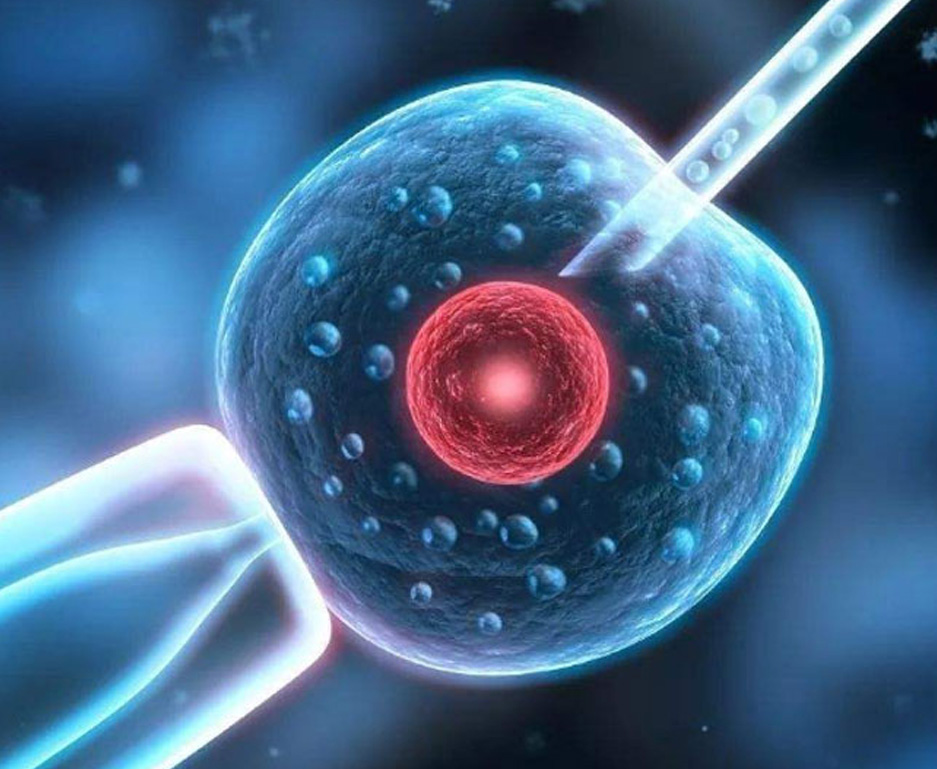
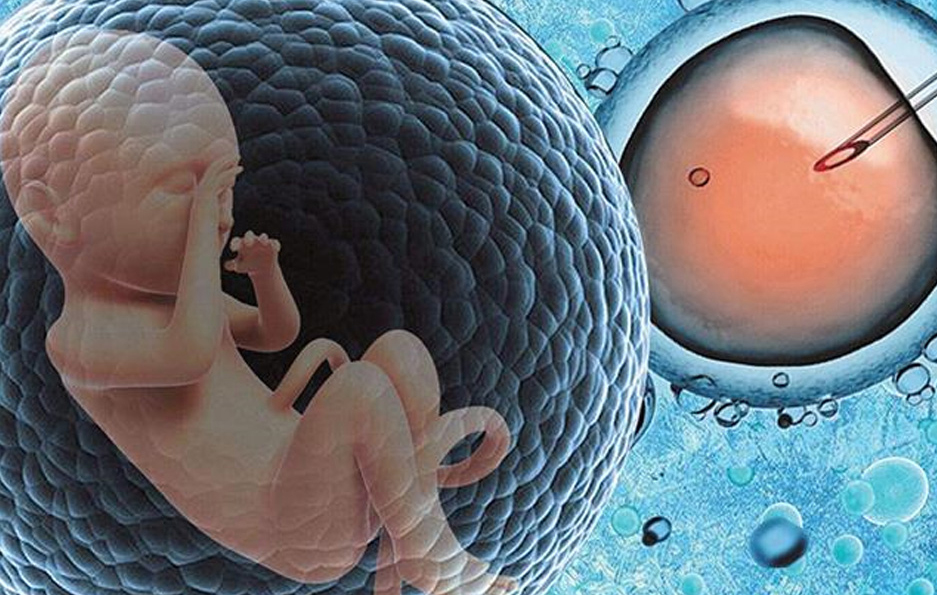
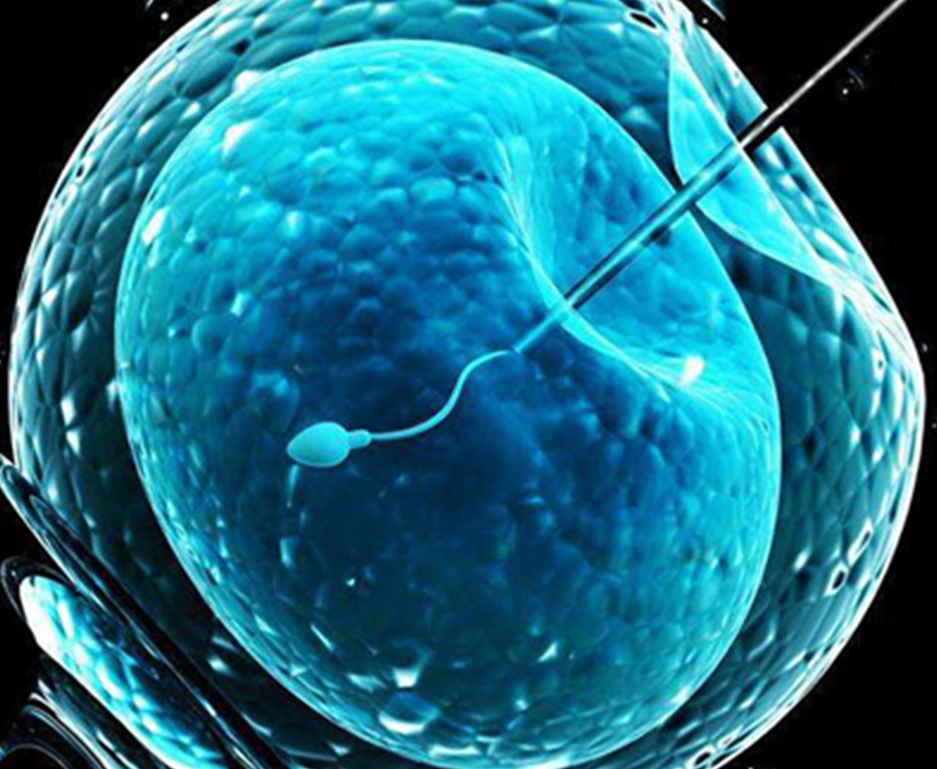
Immediately following retrieval, the eggs are examined by an embryologist. Mature eggs are then fertilized. In conventional IVF, sperm is placed in a dish with the eggs. In cases of male factor infertility or previous fertilization failure, Intracytoplasmic Sperm Injection (ICSI) is utilized, where a single healthy-looking sperm is directly injected into the cytoplasm of the mature egg.
Fertilized eggs (now embryos) are placed in specialized incubators that mimic the conditions of the human uterus. Over the next 5 to 6 days, the embryos develop from cleavage-stage embryos into blastocysts. The blastocyst stage is preferred for transfer as it mimics the natural timing of uterine implantation.
In 2026, Preimplantation Genetic Testing for Aneuploidies (PGT-A) is a common adjunct. A few cells are safely biopsied from the trophectoderm (the layer that becomes the placenta) of the blastocyst. The DNA is analyzed to ensure the embryo has the correct number of chromosomes. While PGT-A adds to the upfront cost, it can improve the efficiency of IVF by ensuring only chromosomally normal (euploid) embryos are transferred, reducing the time to a successful pregnancy and the risk of miscarriage.
The final step is the embryo transfer. If a fresh transfer is performed, it usually occurs 5 to 6 days after retrieval. However, in 2026, Frozen Embryo Transfer (FET) has become the standard of care. Freezing all embryos allows the patient’s ovaries to return to a baseline state, and the uterine lining can be prepared in a subsequent, unstimulated cycle, which often yields a more receptive environment for implantation.
During an FET, the patient takes estrogen and progesterone to thicken the uterine lining. Once the lining reaches an optimal thickness (usually 8 mm or greater) and progesterone is initiated to mimic the natural luteal phase, the embryo is thawed and transferred into the uterus using a thin, flexible catheter under ultrasound guidance. Following the transfer, patients continue progesterone supplementation (via injections or suppositories) to support the early pregnancy until the placenta takes over hormone production around 10 weeks of gestation.
The success of IVF heavily relies on the ovarian stimulation protocol selected by the reproductive endocrinologist. In 2026, protocols are highly individualized, taking into account the patient's Anti-Müllerian Hormone (AMH) level, Antral Follicle Count (AFC), age, and previous IVF responses.
The antagonist protocol is the most widely used stimulation method today. It involves starting gonadotropins on day 2 or 3 of the menstrual cycle. A few days later, a GnRH antagonist (such as Cetrotide or Ganirelix) is added to prevent premature ovulation. This protocol is favored for its shorter duration, lower risk of Ovarian Hyperstimulation Syndrome (OHSS), and flexibility. It allows for the use of a GnRH agonist as the trigger shot, which significantly reduces the risk of OHSS compared to traditional hCG triggers.
Historically the standard, the long protocol involves starting a GnRH agonist (like Lupron) in the luteal phase of the preceding cycle to suppress the pituitary gland before stimulation begins. While it offers precise control over the cycle, it requires a longer duration of medication and carries a higher risk of OHSS. It is now typically reserved for patients with normal ovarian reserve who have responded poorly to antagonist protocols, as the suppression can sometimes improve oocyte quality in specific patient subsets.
For patients seeking affordable treatment or those with diminished ovarian reserve (DOR) who do not respond well to high doses of gonadotropins, Mini-IVF offers an alternative. This protocol uses lower doses of medications, often combining oral medications like Letrozole or Clomid with minimal injectable gonadotropins. The goal is to produce fewer, but potentially higher quality, eggs. While the cost of medications is significantly lower, the trade-off is a lower number of embryos created per cycle, which may necessitate multiple cycles to achieve a successful pregnancy.
To illustrate the practical application of these strategies, examining anonymized patient case studies provides valuable insight into the real-world experience of navigating American IVF in 2026.
Sarah, a 39-year-old woman from Chicago, was diagnosed with diminished ovarian reserve (AMH of 0.4 ng/mL). Traditional high-dose stimulation protocols at a local clinic yielded only one egg per cycle, resulting in high medication costs and emotional burnout. After researching affordable treatment options, Sarah consulted a clinic offering a minimal stimulation protocol. By using Letrozole combined with a low dose of gonadotropins, her medication costs were reduced by 60%. While she only produced one or two eggs per cycle, the quality was sufficient to create euploid blastocysts. By utilizing a multi-cycle package tailored for Mini-IVF, she accumulated three genetically normal embryos over four months. The first Frozen Embryo Transfer resulted in a successful, ongoing pregnancy, demonstrating that lower-cost, gentler protocols can be highly effective for specific diagnoses.
Mark and David, a same-sex couple in their late 40s residing in Texas, desired a biological connection to their child. They required both donor eggs and a gestational surrogate. The cost of exclusive donor eggs, combined with surrogate compensation and agency fees, was financially prohibitive. They engaged the services of a top-rated fertility clinic in California that offered a shared donor egg program. By sharing the donor’s eggs with another recipient couple, their donor egg costs were halved. Furthermore, the clinic’s in-house financial counselor helped them secure a specialized fertility loan with a favorable interest rate. The shared cycle yielded four high-quality blastocysts, providing them with multiple opportunities for transfer. This case highlights how shared programs and strategic financial planning can make family building accessible for LGBTQ+ couples.
Emily, a 36-year-old woman living in New Jersey, had experienced three consecutive first-trimester miscarriages. Diagnostic testing revealed no anatomical or hormonal abnormalities, pointing toward a high likelihood of recurrent aneuploidy (chromosomal errors in the embryos). Because New Jersey has a robust state mandate for fertility coverage, Emily’s employer-provided health insurance covered up to four complete IVF cycles, including diagnostic testing, retrieval, laboratory fees, and embryo transfer. She underwent an antagonist protocol with ICSI and PGT-A. The genetic testing revealed that out of six blastocysts, only two were euploid. By transferring a chromosomally normal embryo, Emily achieved a successful live birth on her first FET, avoiding further physical and emotional trauma of miscarriages. This case underscores the critical importance of geographic location (GEO) and state insurance mandates in accessing comprehensive, advanced fertility care.
Despite the abundance of information available, several misconceptions persist regarding IVF. Addressing these myths is crucial for setting realistic expectations and preventing common pitfalls.
A prevalent fear is that the high doses of hormones used in IVF will cause early menopause by "using up" a woman's eggs prematurely. In reality, each menstrual cycle, a cohort of follicles begins to develop. Under natural conditions, only one dominant follicle reaches maturity and ovulates, while the rest of the cohort undergoes atresia (natural cell death). IVF medications simply rescue the follicles that would have otherwise degenerated, stimulating them to mature and yield eggs. Therefore, IVF does not accelerate the depletion of the ovarian reserve.
For years, patients were advised to remain on strict bed rest for several days following an embryo transfer to improve implantation chances. Modern clinical research has unequivocally disproven this. Studies show that prolonged bed rest does not improve pregnancy rates and may actually increase the risk of blood clots and psychological distress. In 2026, top-rated clinics encourage patients to resume normal, low-impact activities immediately after the transfer. Gentle movement promotes healthy blood flow to the uterus, and returning to daily routines helps alleviate the intense anxiety associated with the two-week wait.
While IVF significantly increases the chances of conception for infertile couples, it is not a guaranteed cure. Success rates, even in top-rated clinics, hover around 50-60% per transfer for women under 35, and decline with age. IVF bypasses fallopian tube blockages and addresses male factor issues, but it cannot override fundamental biological limitations, such as egg quality or uterine receptivity. Patients must approach treatment with realistic expectations, understanding that multiple cycles may be necessary to achieve a live birth.
Infertility is often viewed primarily as a female issue, leading to delays in comprehensive male evaluation. In approximately 40-50% of infertile couples, a male factor contributes to the difficulty in conceiving. Relying solely on a basic semen analysis is insufficient. Advanced testing, such as sperm DNA fragmentation analysis, can reveal underlying issues not visible in standard morphology or motility assessments. High DNA fragmentation can lead to poor embryo development and recurrent implantation failure. Addressing male factor health through lifestyle changes, antioxidant supplementation, or specific urological interventions prior to IVF can significantly improve embryo quality and cycle success.
The period leading up to an IVF cycle is critical for optimizing both egg and sperm quality. Epigenetic research has shown that lifestyle factors in the months preceding conception can influence the developmental potential of the embryo. Patients should begin implementing healthy habits at least three months before starting ovarian stimulation.
A Mediterranean-style diet, rich in anti-inflammatory foods, has been associated with improved IVF outcomes. This diet emphasizes the consumption of vegetables, fruits, whole grains, lean proteins (like fish and poultry), and healthy fats (such as olive oil and avocados). High intake of omega-3 fatty acids, found in fatty fish or high-quality supplements, can improve ovarian response and embryo quality.
Specific micronutrients play vital roles in reproductive function. Folate (the natural form of folic acid) is essential for preventing neural tube defects and supporting DNA synthesis. Vitamin D deficiency has been linked to lower IVF success rates; patients should have their levels checked and supplement accordingly to maintain a serum level between 30-50 ng/mL. Coenzyme Q10 (CoQ10), particularly in its highly absorbable ubiquinol form, acts as a powerful antioxidant in the mitochondria of eggs, improving energy production and potentially enhancing oocyte quality, especially in women over 35.
Exposure to endocrine-disrupting chemicals (EDCs) can negatively impact fertility. BPA (found in certain plastics and canned food linings) and phthalates (found in personal care products and fragrances) have been linked to reduced ovarian reserve and poorer embryo quality. Patients undergoing IVF should switch to glass or stainless steel food containers, avoid microwaving food in plastic, and choose paraben-free and phthalate-free personal care products. Limiting caffeine intake to less than 200mg per day (about one to two cups of coffee) and completely avoiding alcohol and recreational substances are universally recommended by fertility specialists.
The emotional toll of IVF is profound. The daily injections, frequent clinic visits, financial strain, and uncertainty of the outcome can lead to significant anxiety and depression. Top-rated clinics integrate mental health services into their care models. Engaging with a fertility counselor provides a safe space to process the emotional complexities of treatment.
Mind-body interventions, such as acupuncture, meditation, and yoga, have shown promise in reducing stress levels. While the direct impact of acupuncture on IVF success rates remains debated in the medical community, its efficacy in reducing patient anxiety before and after embryo transfer is well-documented. Lower stress levels contribute to a better overall patient experience and can prevent treatment dropout.
The United States remains a premier destination for cross-border reproductive care (CBRC) due to its advanced laboratory technology, favorable legal environment for surrogacy and donor conception, and high success rates. For international patients, seeking American IVF in 2026 involves additional logistical and financial considerations.
To minimize the time international patients must spend in the US, clinics have developed streamlined processes. Initial consultations are conducted via telemedicine. Patients can undergo the required infectious disease screening and baseline ultrasounds in their home countries, with the results securely transmitted to the American clinic. Many protocols allow patients to start ovarian stimulation medications at home, traveling to the US only a few days before the anticipated egg retrieval. This "remote monitoring" phase requires close collaboration between the patient’s local physician and the US-based reproductive endocrinologist.
A significant driver of CBRC to the US is the legal framework surrounding third-party reproduction. Certain states, such as California, Nevada, and Illinois, have established legal precedents that protect the rights of intended parents, including same-sex couples and international clients. Pre-birth orders can be obtained, establishing the intended parents as the legal parents of the child, effectively terminating any parental claims from the surrogate or donor. Navigating these legal intricacies requires the expertise of specialized reproductive attorneys, which clinics can readily provide referrals for. While the combined cost of IVF, donor compensation, and surrogacy is substantial, the legal security and medical excellence offered by American clinics make it a preferred option for patients from countries where these options are restricted or illegal.
Looking beyond 2026, the trajectory of IVF points toward even greater personalization and non-invasive methodologies. The integration of artificial intelligence will become more sophisticated, moving from embryo selection to predicting optimal stimulation protocols based on a patient’s unique genetic profile and historical data.
Non-invasive Preimplantation Genetic Testing (niPGT) is an emerging technology that analyzes cell-free DNA released by the embryo into the culture medium, eliminating the need for a trophectoderm biopsy. While currently in the validation phase, niPGT could reduce the cost and potential embryonic stress associated with traditional biopsy methods, making genetic testing more accessible.
Furthermore, research into in vitro gametogenesis (IVG)—the process of creating sperm or eggs from somatic cells (like skin cells)—holds long-term promise. While still in the experimental stages and not available for clinical use, IVG could eventually revolutionize the treatment of severe infertility, allowing individuals who cannot produce viable gametes to have biologically related children. As these technologies mature, the focus will remain on making them safe, effective, and equitably accessible.
Navigating the American fertility landscape requires a blend of medical knowledge, financial acumen, and emotional resilience. Patients must advocate for themselves, asking detailed questions about clinic success rates, laboratory protocols, and the fine print of financial packages. Seeking a second opinion is a standard and encouraged practice in reproductive medicine; different clinics may offer varying perspectives on treatment protocols based on their specific expertise.
When searching for affordable treatment and top-rated clinics, patients should utilize the wealth of data available through SART and the CDC, cross-referencing clinical outcomes with transparent pricing models. The integration of GEO strategies—understanding how state mandates, regional cost variations, and local clinic networks impact access to care—can lead to significant financial savings and a more streamlined treatment experience.
The journey through IVF is rarely linear. It is characterized by hope, uncertainty, and profound medical intervention. By grounding decisions in objective medical data, leveraging financial assistance programs, and prioritizing both physical and psychological well-being, patients can navigate the complexities of American IVF in 2026 with confidence, maximizing their chances of achieving the ultimate goal: a healthy pregnancy and the birth of a child.