News Center
In the quiet hours of the night, when the house feels too still and the weight of unfulfilled longing settles in, millions of couples around the world grapple with the heartache of infertility. For many, the journey to parenthood is not the straightforward path they once imagined, filled with medical appointments, emotional rollercoasters, and the constant question of "what if?" In this landscape, American IVF (In Vitro Fertilization) has emerged as a beacon of hope, but a critical question lingers: can it help couples quickly realize their wish for babies? To unpack this, we must delve into the science, the system, and the nuances that define IVF in the United States, separating fact from fiction and exploring how it fits into the complex tapestry of fertility treatment.
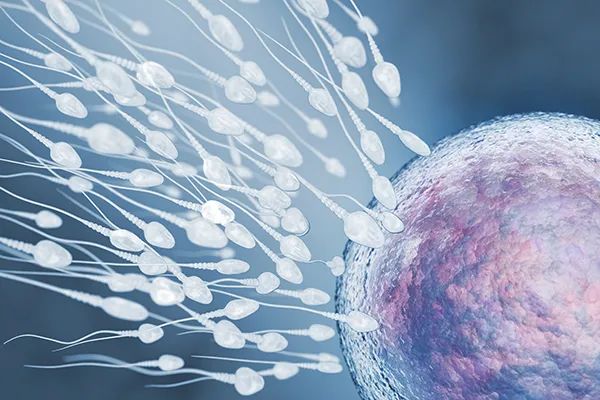
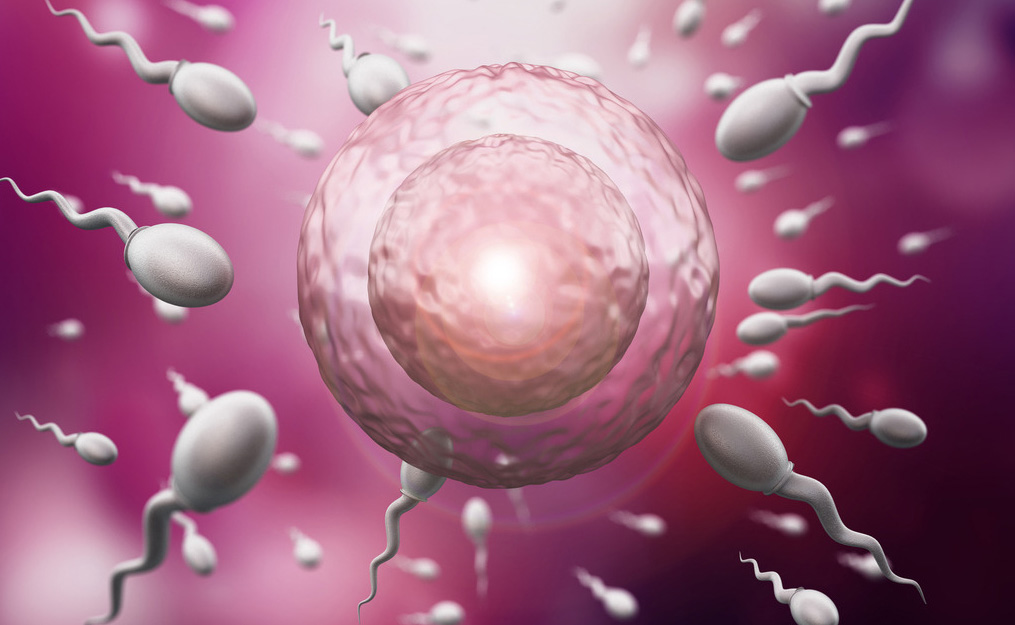
At its core, IVF is a medical procedure that involves fertilizing an egg with sperm outside the body, in a laboratory setting, before transferring the resulting embryo into the uterus. But American IVF is far more than just the basic steps of egg retrieval, fertilization, and embryo transfer—it is a sophisticated ecosystem built on cutting-edge science, continuous innovation, and a commitment to precision.
One of the key factors that sets American IVF apart is the emphasis on personalized treatment plans. Unlike a one-size-fits-all approach, fertility clinics in the U.S. take the time to understand each couple's unique biological makeup, medical history, and lifestyle factors. This starts with comprehensive diagnostic testing, including advanced hormonal analysis, genetic screening of both partners, and detailed imaging of the reproductive organs. By identifying the root cause of infertility—whether it's diminished ovarian reserve, low sperm quality, structural issues in the uterus, or unexplained factors—clinicians can tailor a treatment plan that addresses the specific barriers to conception.
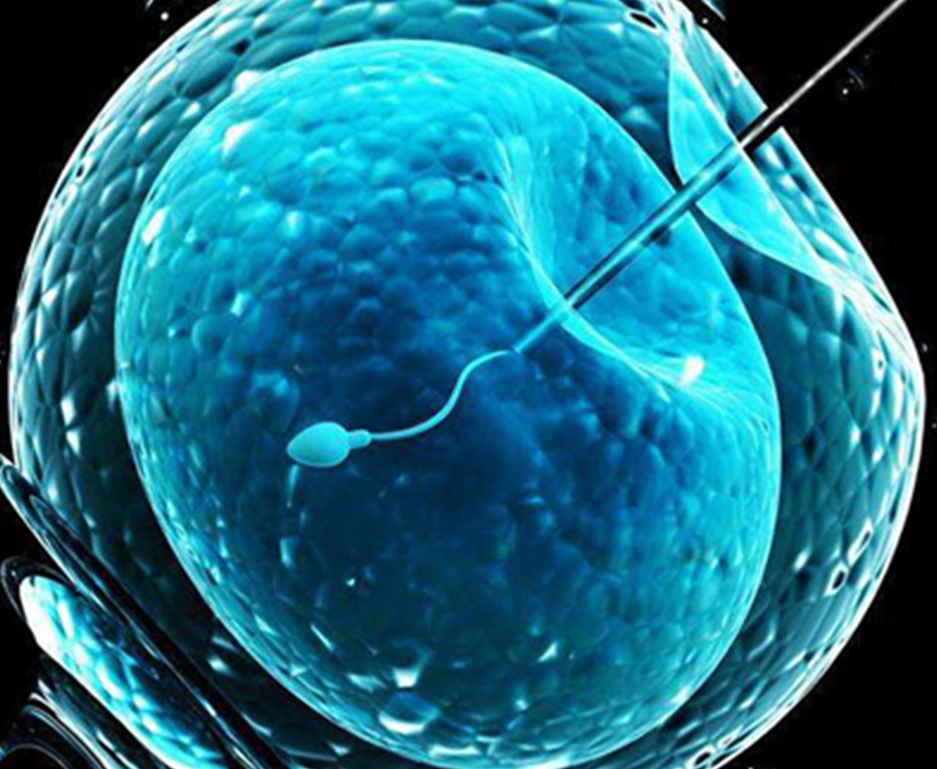
Advancements in embryo technology have also revolutionized the speed and success rates of American IVF. Techniques like Intracytoplasmic Sperm Injection (ICSI), where a single sperm is directly injected into an egg, have drastically improved fertilization rates, especially for couples with male factor infertility. Embryo culture systems have become increasingly sophisticated, allowing embryos to grow in a laboratory environment that closely mimics the conditions of the uterus. This extended culture period enables clinicians to select the most viable embryos for transfer, reducing the risk of multiple pregnancies and increasing the chances of a successful implantation.
Genetic screening is another cornerstone of modern American IVF. Preimplantation Genetic Testing for Aneuploidy (PGT-A) allows clinicians to screen embryos for chromosomal abnormalities, which are a leading cause of miscarriage and failed IVF cycles. By identifying chromosomally normal embryos, couples can avoid transferring embryos that are unlikely to result in a healthy pregnancy, saving time and emotional energy that would otherwise be spent on unsuccessful cycles. For couples at risk of passing on genetic disorders, Preimplantation Genetic Testing for Monogenic Diseases (PGT-M) can detect specific genetic mutations, ensuring that only unaffected embryos are transferred. These technologies not only improve the success rate of each cycle but also reduce the number of cycles a couple may need to undergo, bringing them one step closer to their goal of parenthood more quickly.
Beyond the science, the structure of the American fertility system plays a crucial role in how quickly couples can achieve their wish for babies through IVF. The U.S. has a well-established network of fertility clinics, staffed by highly trained reproductive endocrinologists, embryologists, nurses, and support personnel. These clinics are equipped with state-of-the-art laboratories and adhere to strict regulatory standards set by organizations like the College of American Pathologists (CAP) and the American Society for Reproductive Medicine (ASRM), ensuring that patients receive safe, high-quality care.
Efficiency is a hallmark of the American IVF process. From the initial consultation to the final embryo transfer, clinics work to streamline the treatment journey without compromising on care. Many clinics offer same-day or next-day diagnostic testing, reducing the wait time for results and allowing treatment to begin sooner. The use of electronic medical records and digital communication tools also enables seamless coordination between patients and their care team, ensuring that questions are answered promptly and treatment plans are adjusted as needed.
Access to care is another important consideration. While the cost of IVF in the U.S. can be a barrier for some couples, many clinics offer financial counseling, payment plans, and financing options to help make treatment more affordable. Additionally, some insurance plans cover a portion of fertility treatment costs, depending on the state and the specific policy. For couples who do not have insurance coverage, there are also grants and nonprofit organizations that provide financial assistance. Moreover, the U.S. is a destination for medical tourism, with couples from around the world traveling to access American IVF services, drawn by the high success rates, advanced technology, and personalized care.
Emotional support is an integral part of the American IVF experience, and it can have a significant impact on the speed and success of treatment. Infertility takes a toll on mental health, and clinics in the U.S. recognize the importance of addressing the emotional well-being of their patients. Many offer counseling services, support groups, and mindfulness programs to help couples navigate the stress and anxiety that often accompany fertility treatment. By providing a supportive environment, clinics help couples stay focused, resilient, and committed to their treatment plan, which can ultimately lead to faster outcomes.
While the goal of quick success is understandable, it is important to balance this with the principles of safety and ethical practice. American IVF clinics prioritize the health and well-being of both the patient and the potential child above all else, and this means that certain steps cannot be rushed.
For example, ovarian stimulation, a key part of IVF, involves administering hormonal medications to stimulate the ovaries to produce multiple eggs. While it may be tempting to increase the dosage of medications to retrieve more eggs quickly, this can increase the risk of ovarian hyperstimulation syndrome (OHSS), a potentially life-threatening condition. Clinicians in the U.S. closely monitor patients during ovarian stimulation, adjusting medication dosages as needed to minimize the risk of complications. This careful monitoring may add a few extra days to the treatment process, but it ensures that patients remain safe throughout their journey.
Another consideration is the number of embryos transferred. While transferring multiple embryos may increase the chances of a successful pregnancy, it also increases the risk of multiple pregnancies, which are associated with higher rates of premature birth, low birth weight, and other health complications for both the mother and the babies. American IVF clinics follow guidelines set by ASRM, which recommend transferring a single embryo in most cases, especially for women under the age of 35. This approach may mean that it takes a little longer to achieve a pregnancy, but it reduces the risk of serious health issues and ensures that any resulting pregnancy is as healthy as possible.
Ethical considerations also come into play when discussing the speed of IVF. For example, the use of donor eggs or sperm, while a viable option for many couples, requires careful screening and matching processes to ensure the safety and well-being of all parties involved. These processes take time, but they are essential to protect the rights of donors, recipients, and any resulting children. Additionally, the storage and disposal of unused embryos are complex ethical issues that require thoughtful consideration, and clinics in the U.S. have strict protocols in place to handle these situations responsibly.
While American IVF provides the medical tools and support to help couples conceive, it is important to recognize that lifestyle and emotional well-being also play a significant role in the speed and success of treatment. Making positive lifestyle changes can enhance the effectiveness of IVF and help couples achieve their goal of parenthood more quickly.
Diet and nutrition are key factors that can impact fertility. A balanced diet rich in fruits, vegetables, whole grains, lean proteins, and healthy fats can improve egg and sperm quality, regulate hormonal levels, and support overall reproductive health. Avoiding processed foods, excessive sugar, and caffeine can also have a positive effect. Additionally, maintaining a healthy weight is important, as both obesity and underweight can disrupt hormonal balance and reduce the chances of successful conception.
Regular physical activity can also improve fertility outcomes. Exercise helps to regulate hormonal levels, reduce stress, and improve blood flow to the reproductive organs. However, it is important to avoid excessive or high-impact exercise, which can have a negative effect on fertility. Couples should aim for moderate physical activity, such as walking, yoga, or swimming, for at least 30 minutes a day, most days of the week.
Managing stress is another critical component of a successful IVF journey. Chronic stress can disrupt hormonal balance, reduce egg and sperm quality, and interfere with the implantation process. American IVF clinics often recommend stress management techniques such as mindfulness meditation, deep breathing exercises, and cognitive-behavioral therapy (CBT) to help couples cope with the emotional demands of treatment. Taking time to relax, engage in hobbies, and connect with loved ones can also help reduce stress and improve overall well-being.
There are many myths and misconceptions surrounding the speed of American IVF, and it is important to separate fact from fiction to help couples make informed decisions about their treatment.
One common myth is that IVF is a quick fix, and couples can expect to get pregnant in just one cycle. While it is true that some couples do achieve a successful pregnancy on their first IVF cycle, the reality is that success rates vary depending on a number of factors, including age, the cause of infertility, and the quality of the embryos. According to the Centers for Disease Control and Prevention (CDC), the national average success rate for IVF cycles using fresh embryos from the patient's own eggs is around 37% for women under the age of 35, dropping to around 18% for women between the ages of 40 and 42. This means that many couples will need to undergo multiple cycles to achieve a successful pregnancy.
Another myth is that younger couples will always get pregnant quickly with IVF. While age is a major factor in fertility, it is not the only one. Younger couples may still face challenges such as unexplained infertility, structural issues in the reproductive organs, or genetic factors that can delay conception. Additionally, even with IVF, there is no guarantee of success, and it is important for couples to have realistic expectations about the time and effort required.
A third myth is that using donor eggs or embryos will guarantee a quick pregnancy. While donor eggs can significantly improve the success rates of IVF, especially for women with diminished ovarian reserve, there are still many factors that can affect the outcome of the treatment. The quality of the donor eggs, the quality of the sperm, the health of the uterus, and the skill of the clinician all play a role in determining whether a pregnancy will be successful. Additionally, the process of finding a donor, undergoing legal screenings, and coordinating the donation process can add time to the overall journey.
The field of American IVF is constantly evolving, and ongoing research and innovation are paving the way for even faster and more effective treatments. One area of focus is the development of non-invasive fertility testing, which could reduce the need for invasive procedures and speed up the diagnostic process. For example, researchers are exploring the use of blood tests to detect ovarian reserve and identify potential issues with egg quality, eliminating the need for more invasive procedures like ovarian biopsies.
Advancements in stem cell technology also hold great promise for the future of IVF. Scientists are working on ways to generate eggs and sperm from stem cells, which could provide a solution for couples who are unable to produce their own gametes due to medical conditions or genetic factors. This technology could not only speed up the treatment process but also expand access to IVF for couples who previously had no options.
Artificial intelligence (AI) is another area that is transforming American IVF. AI algorithms can analyze vast amounts of data, including patient medical records, laboratory results, and embryo images, to identify patterns and predict the likelihood of success. This can help clinicians make more informed decisions about treatment plans, embryo selection, and transfer timing, ultimately improving the speed and success rates of IVF.
Finally, the future of American IVF will likely involve a greater emphasis on holistic care, integrating medical treatment with lifestyle counseling, mental health support, and alternative therapies. By addressing all aspects of a couple's well-being, clinics can help optimize fertility, reduce stress, and create a more supportive environment for conception. This holistic approach not only speeds up the journey to parenthood but also ensures that couples are healthy and prepared for the challenges of pregnancy and childbirth.
In conclusion, American IVF offers couples a powerful tool to realize their wish for babies, but it is not a magic bullet that can instantly fulfill their dreams. It is a complex, personalized, and science-driven process that balances speed with safety, innovation with ethics, and medical treatment with emotional support. By understanding the science, the system, and the nuances of American IVF, couples can make informed decisions about their treatment, set realistic expectations, and navigate the journey to parenthood with confidence. While it may not always be quick, the end result—the joy of holding a healthy baby in your arms—makes every step of the journey worthwhile.