News Center
The landscape of reproductive medicine has evolved significantly, approaching a pivotal year where technological integration and refined clinical protocols are setting new standards. For individuals and couples exploring fertility treatments, understanding the American IVF framework in 2026 is essential for making informed decisions. The United States remains a prominent destination for assisted reproductive technology, offering advanced laboratory techniques, comprehensive genetic screening, and a highly regulated yet accessible medical environment. Navigating the complexities of fertility care requires a deep dive into the criteria for selecting a clinic, the breakdown of associated costs, and the geographic nuances that influence both pricing and legal frameworks.
American IVF in 2026 is characterized by the widespread adoption of artificial intelligence in embryology, non-invasive genetic testing, and highly personalized ovarian stimulation protocols. Clinics across the nation have largely transitioned to using time-lapse imaging systems with AI integration, allowing embryologists to monitor embryo development continuously without disturbing the incubation environment. This continuous monitoring identifies subtle morphokinetic anomalies that human observation might miss, leading to higher selection accuracy for embryos with the greatest implantation potential.
Another significant advancement defining the current era is the refinement of Non-Invasive Preimplantation Genetic Testing (niPGT). Traditional PGT-A requires a trophectoderm biopsy, which, while generally safe, involves the physical removal of cells from the developing blastocyst. In 2026, niPGT has become more clinically prevalent, analyzing cell-free DNA found in the culture media where the embryo develops. This method eliminates the need for an embryonic biopsy, reducing potential mechanical stress on the embryo and simplifying the genetic screening process. While traditional biopsy is still utilized in specific cases requiring comprehensive chromosomal screening or single-gene disorder diagnosis, the non-invasive approach has broadened the accessibility of genetic testing.
Furthermore, ovarian stimulation protocols have become increasingly individualized. Reproductive endocrinologists now utilize pharmacogenomics and detailed hormonal profiling to predict patient responses to gonadotropins. The focus has shifted toward "soft stimulation" or mild IVF protocols for specific patient populations, such as those with Diminished Ovarian Reserve (DOR) or advanced maternal age. These protocols aim to retrieve high-quality oocytes rather than simply maximizing the quantity, reducing the risk of Ovarian Hyperstimulation Syndrome (OHSS) and improving the overall patient experience.
Identifying a suitable clinic is the most critical decision in the fertility journey. The concept of the "best" clinic is highly subjective; it depends entirely on a patient's specific medical history, age, underlying diagnosis, and financial situation. When evaluating American IVF clinics, prospective patients should conduct a multi-dimensional assessment rather than relying solely on advertised success rates.
The Society for Assisted Reproductive Technology (SART) provides detailed, verified data on IVF success rates across clinics in the United States. However, interpreting this data requires a nuanced understanding. A clinic's overall success rate might appear exceptionally high, but this number can be skewed by patient demographics. For instance, a clinic that primarily treats young women with tubal factor infertility will naturally report higher live birth rates than a clinic specializing in treating women over 42 or those with severe male factor infertility.
Prospective patients should examine the SART data specific to their age group and diagnosis category. It is also vital to look at the percentage of single embryo transfers (SET). In 2026, leading American clinics strongly advocate for SET to eliminate the risks associated with multiple pregnancies (twins, triplets). A high rate of SET combined with strong live birth rates per transfer indicates a robust embryology laboratory capable of cultivating blastocysts to a high standard.
The embryology laboratory is the engine of any IVF clinic. Even the most skilled reproductive endocrinologist cannot achieve optimal outcomes if the laboratory environment is substandard. Patients should verify that the clinic's lab is accredited by the College of American Pathologists (CAP) and meets the strict guidelines set by the American Society for Reproductive Medicine (ASRM). Key technological infrastructure to inquire about includes:
Different clinics excel in different subspecialties of reproductive medicine. Patients requiring third-party reproduction—such as egg donation, sperm donation, or gestational surrogacy—must seek clinics with established, robust programs. These programs should include in-house psychological counseling, dedicated legal coordination to navigate state-specific reproductive laws, and access to diverse, pre-screened donor databases. Additionally, patients with complex medical histories, such as recurrent pregnancy loss (RPL) or repeated implantation failure (RIF), should look for clinics that offer specialized immunological testing and protocols tailored to these challenging cases.
The financial aspect of fertility treatment is a significant consideration for most patients. The cost of IVF in the US is substantial, reflecting the high level of expertise, advanced technology, and stringent regulatory standards required. In 2026, the average base cost for a single IVF cycle in the United States ranges from $12,000 to $15,000. However, this base cost typically covers only the core procedural components: ovarian stimulation monitoring, the egg retrieval surgery, and the embryology lab fees for fertilization and culture.
A comprehensive understanding of IVF pricing requires breaking down the various add-ons and ancillary services that constitute a complete cycle. The base fee rarely includes the cost of fertility medications, anesthesia during the retrieval, or advanced laboratory procedures like Intracytoplasmic Sperm Injection (ICSI) or Preimplantation Genetic Testing (PGT).
| Service Component | Estimated Cost Range (USD) | Description |
|---|---|---|
| Base IVF Cycle | $12,000 - $15,000 | Includes ultrasounds, blood work, egg retrieval, and basic embryo culture. |
| Fertility Medications | $3,000 - $6,000 | Gonadotropins, antagonists, and trigger shots. Varies by dosage and patient response. |
| ICSI (Intracytoplasmic Sperm Injection) | $1,500 - $2,500 | Used for male factor infertility; involves injecting a single sperm directly into an egg. |
| PGT-A (Preimplantation Genetic Testing) | $3,000 - $5,000 | Includes biopsy, shipping, and genetic analysis of embryos for chromosomal abnormalities. |
| Frozen Embryo Transfer (FET) | $3,000 - $5,000 | Cost per transfer when using previously vitrified embryos. |
| Anesthesia / Sedation | $500 - $1,000 | IV sedation during the egg retrieval procedure. |
| Embryo Storage (Annual) | $500 - $1,200 | Cryopreservation fees for storing unused embryos. |
When all components are combined, a single, complete IVF cycle with ICSI and PGT-A, followed by a Frozen Embryo Transfer, can easily range from $25,000 to $35,000. If a patient requires multiple cycles to achieve a successful pregnancy, the cumulative financial burden increases proportionally.
The cost of IVF in the United States is not uniform; it is heavily influenced by geographic location. Disparities in the cost of living, real estate prices, and local market competition directly impact how clinics price their services.
West Coast (California, Washington): Clinics in metropolitan areas like Los Angeles, San Francisco, and Seattle typically command the highest prices in the country. The high demand for fertility services, coupled with a large influx of international patients seeking gestational surrogacy (which is legally protected in states like California), drives prices up. A base IVF cycle in these regions often sits at the higher end of the spectrum, around $15,000.
East Coast (New York, Massachusetts): Similar to the West Coast, major East Coast hubs feature premium pricing. However, states like Massachusetts and New York have progressive insurance mandates that require employers to cover or subsidize IVF treatments. This significantly reduces the out-of-pocket cost for residents who have qualifying insurance plans, making the net expense much lower than the sticker price.
Midwest and South (Texas, Illinois, Florida): The Midwest and parts of the South generally offer more competitive pricing. Illinois has a strong state mandate for insurance coverage, making it highly accessible for residents. In Texas and Florida, the presence of large, multi-clinic networks allows for economies of scale, often resulting in base cycle costs ranging from $10,000 to $13,000. Florida, in particular, has a high concentration of clinics catering to international patients, offering specialized coordination services.
Mountain West (Colorado, Utah): This region is known for housing several highly specialized, research-focused clinics. While the cost of living is lower than in coastal cities, the reputation of specific clinics in this region allows them to price their services at a premium. Patients often travel to these centers for complex cases, factoring in travel and accommodation costs alongside medical fees.
When considering where to pursue fertility treatment, prospective patients often look for established institutions with a track record of clinical excellence and research contributions. Below are several recognized medical institutions in the United States that provide comprehensive reproductive endocrinology and IVF services. This list is not exhaustive, and patients should evaluate clinics based on their individual medical needs.
CCRM Fertility
CCRM Fertility is a nationwide network of clinics known for its data-driven approach to reproductive medicine. Founded by Dr. William Schoolcraft, CCRM has integrated rigorous scientific research into its clinical practice. They are noted for their comprehensive Fertility Assessment and their in-house embryology laboratories that maintain stringent quality control standards. CCRM clinics offer a wide array of services, from basic IVF to complex third-party reproduction, and they maintain a strong focus on continuous outcome tracking to refine their protocols.
Shady Grove Fertility
Operating primarily along the East Coast, Shady Grove Fertility is one of the largest fertility practices in the United States. They are recognized for their extensive financial programs, including shared risk refund options, which allow patients to pay a flat fee for a bundle of cycles and receive a partial refund if a live birth is not achieved. Shady Grove Fertility offers a vast donor egg program and has dedicated centers for high-risk reproductive immunology, catering to a diverse patient population across multiple states.
HRC Fertility
HRC Fertility, with multiple locations throughout California, has a long-standing history in reproductive medicine. They are noted for their early adoption of advanced reproductive technologies and their active participation in clinical trials that have shaped modern IVF practices. HRC Fertility provides specialized care for international patients and offers comprehensive programs for egg freezing, IVF, and surrogacy, supported by dedicated case managers to assist with logistical coordination.
RMA (Reproductive Medicine Associates)
RMA is a network of fertility clinics with a significant presence in New York, New Jersey, Pennsylvania, and other states. RMA is recognized for its contributions to IVF research, particularly in the fields of blastocyst transfer and single embryo transfer. Their laboratories are highly regarded for their embryology and andrology expertise. RMA emphasizes a standardized, evidence-based approach to treatment across their network, ensuring consistent care protocols and high safety standards.
Understanding the clinical workflow of an IVF cycle helps demystify the process and prepares patients for the physical and emotional commitments required. While protocols are highly individualized, the fundamental structure of an IVF cycle remains consistent.
The journey begins with an extensive consultation with a reproductive endocrinologist. During this phase, the physician reviews the patient's medical history, previous fertility treatments, and family building goals. A battery of diagnostic tests is ordered to establish a baseline. For female patients, this includes an Anti-Müllerian Hormone (AMH) test to assess ovarian reserve, a Day 3 FSH and Estradiol panel, and a transvaginal ultrasound to count antral follicles. A saline infusion sonogram (SIS) or hysteroscopy may be performed to evaluate the uterine cavity for polyps, fibroids, or scarring. Male partners undergo a comprehensive semen analysis, often supplemented by sperm DNA fragmentation testing.
Once the treatment plan is established, the ovarian stimulation phase begins. The patient self-administers injectable gonadotropins (such as Follistim, Gonal-F, or Menopur) for approximately 8 to 14 days. These medications stimulate the ovaries to develop multiple follicles simultaneously. Throughout this phase, the patient visits the clinic frequently—often every 2 to 3 days—for transvaginal ultrasounds and blood draws. The medical team monitors follicular growth and estradiol levels, adjusting medication dosages in real-time to optimize response and prevent OHSS.
When the leading follicles reach an appropriate size (typically 18-20 millimeters), a "trigger shot" is administered. This final injection, usually containing human chorionic gonadotropin (hCG) or a GnRH agonist (or a combination of both), induces the final maturation of the oocytes. The timing of this injection is critical; the egg retrieval is scheduled exactly 34 to 36 hours later, just before the ovaries would naturally ovulate.
The egg retrieval, or follicular aspiration, is a minor surgical procedure performed under intravenous sedation. The physician uses an ultrasound-guided needle to puncture the vaginal wall and enter the ovaries, aspirating the fluid and oocytes from each mature follicle. The patient experiences no pain during the procedure and typically recovers within an hour at the clinic.
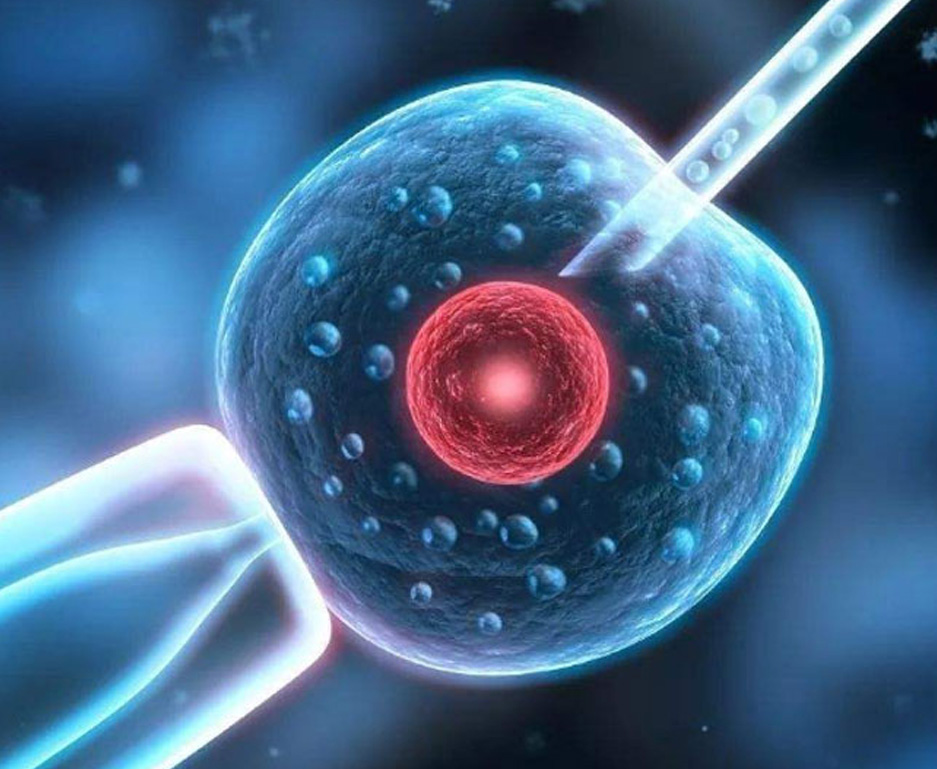
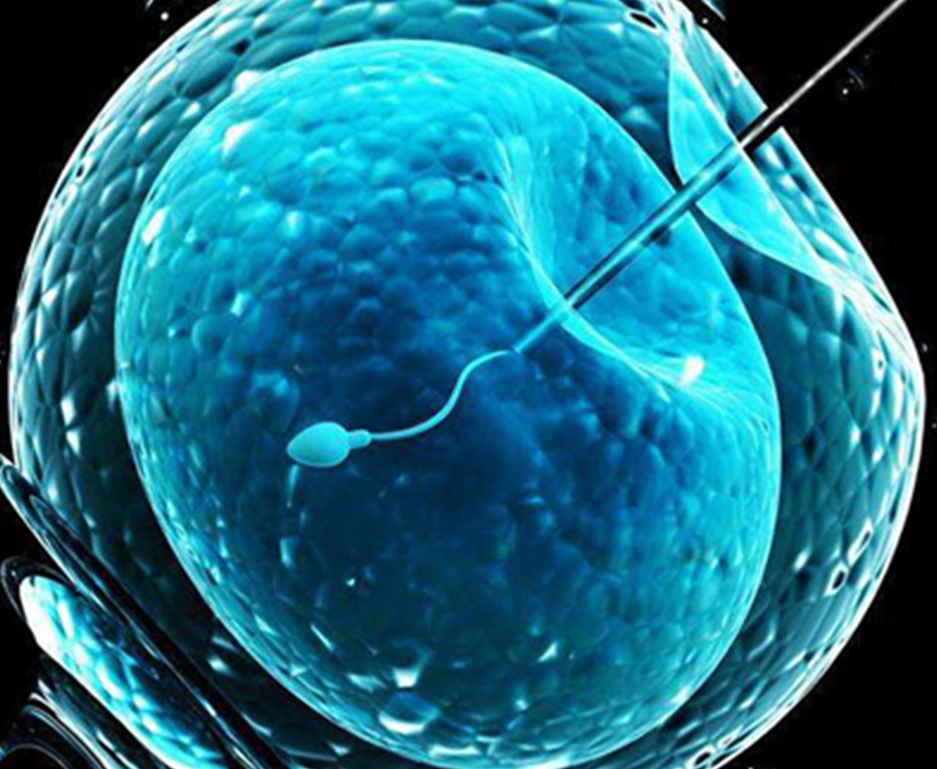
In the embryology laboratory, the retrieved oocytes are identified, washed, and placed in specialized culture media. If conventional IVF is used, the eggs are combined with prepared sperm in a petri dish, allowing natural fertilization. However, if there are issues with sperm quality, previous fertilization failure, or if PGT is planned, ICSI is utilized. In ICSI, the embryologist selects a single morphologically normal sperm and injects it directly into the cytoplasm of the mature egg.
Fertilized eggs (now embryos) are cultured in incubators that mimic the conditions of the human reproductive tract. In 2026, most clinics utilize continuous time-lapse imaging incubators. Embryologists monitor the embryos as they cleave (divide into multiple cells) and progress to the blastocyst stage (day 5 or 6 of development). Culturing to the blastocyst stage allows for better selection, as embryos must demonstrate sustained growth and cellular differentiation.
If PGT-A is part of the protocol, a trophectoderm biopsy is performed on day 5 or 6. A few cells are carefully extracted from the outer layer of the blastocyst (the cells that will become the placenta), leaving the inner cell mass (which becomes the fetus) undisturbed. The biopsied cells are sent to a genetics laboratory for Next-Generation Sequencing (NGS). Meanwhile, the embryos are vitrified (flash-frozen) to await the genetic results.
In modern American IVF practice, the trend is overwhelmingly toward Frozen Embryo Transfers rather than fresh transfers. This allows the patient's ovaries to recover from the hyperstimulated state, creating a more receptive uterine environment. During an FET cycle, the patient takes estrogen (oral, transdermal, or injectable) to thicken the endometrial lining. Once the lining reaches an optimal thickness (usually 8 mm or greater) and a triple-line pattern is observed on ultrasound, progesterone supplementation is initiated. Progesterone transforms the lining, making it receptive to implantation.
The transfer itself is a quick, painless procedure requiring no anesthesia. A physician uses a thin, flexible catheter to guide the thawed embryo through the cervix and into the uterine cavity under ultrasound guidance. Following the transfer, patients continue hormone supplementation until a pregnancy test is performed approximately 9 to 11 days later.
Examining hypothetical patient scenarios provides valuable insight into how clinical decisions are made and how costs accumulate in real-world situations.
Patient Profile: Sarah, a 39-year-old woman, and her 41-year-old husband. They have been trying to conceive naturally for two years. Sarah's AMH level is 1.2 ng/mL, indicating a declining ovarian reserve. Her husband's semen analysis is normal.
Clinical Approach: Given Sarah's age and declining ovarian reserve, the physician recommends an antagonist protocol with the addition of ICSI and PGT-A. The goal is to retrieve a sufficient number of eggs to produce blastocysts for genetic screening, as the risk of chromosomal aneuploidy (such as Down syndrome) increases significantly after age 35.
Cycle Outcome: Sarah undergoes 10 days of stimulation. The retrieval yields 8 oocytes, 6 of which are mature. Following ICSI, 4 fertilize normally. By day 5, 3 embryos develop into blastocysts suitable for biopsy. The PGT-A results reveal that 1 embryo is euploid (chromosomally normal) and 2 are aneuploid (abnormal). The single euploid embryo is transferred in a subsequent FET cycle.
Financial Breakdown:
Analysis: This case illustrates the necessity of PGT-A for older patients. Without genetic screening, transferring an aneuploid embryo would likely result in a failed implantation or an early miscarriage, leading to emotional distress and the additional cost of repeated transfer attempts. The upfront investment in PGT-A ultimately provided a clear, viable path forward.
Patient Profile: Michael and David, a married same-sex couple residing in a state without legal frameworks for gestational surrogacy. They wish to have a biological connection to their child using Michael's sperm.
Clinical Approach: The couple chooses to pursue treatment in California, a state known for supportive legal frameworks for intended parents. They require an egg donor and a gestational surrogate. The clinic coordinates with an egg donor agency and a surrogacy agency.
Cycle Outcome: A 24-year-old egg donor is selected. She undergoes ovarian stimulation, yielding 18 mature oocytes. Michael provides a sperm sample, which is prepared and used for ICSI. 14 embryos fertilize, and 10 reach the blastocyst stage. PGT-A is performed on all 10, resulting in 7 euploid embryos. One embryo is selected for transfer to the gestational surrogate.
Financial Breakdown:
Analysis: Third-party reproduction involves significant financial and legal complexities. The geographic choice of California was deliberate, ensuring that Michael and David could be listed on the birth certificate without post-birth adoption procedures. The high number of euploid embryos provides them with the opportunity to expand their family in the future without undergoing another donor cycle.
The abundance of information available online often leads to the proliferation of myths surrounding fertility treatments. Dispelling these misconceptions is crucial for setting realistic expectations.
One of the most pervasive misconceptions is that IVF is a foolproof method for achieving pregnancy. In reality, IVF simply bypasses certain biological hurdles; it cannot overcome the fundamental decline in egg quality associated with age or severe embryonic genetic abnormalities. Even with a chromosomally normal embryo transferred into a receptive uterus, the live birth rate per transfer in 2026 hovers around 60-70% for women under 35, and drops progressively with age. IVF significantly increases the odds of conception for infertile couples, but it is never a guarantee.
Many women fear that the hormone injections used in IVF will cause early menopause by "using up" their eggs prematurely. This is biologically inaccurate. Every menstrual cycle, a cohort of follicles begins to develop. Under natural conditions, only one dominant follicle reaches maturity and ovulates, while the rest of the cohort undergoes atresia (natural cell death). Ovarian stimulation medications simply rescue the follicles that would have otherwise degraded, allowing them to mature and be retrieved. The stimulation does not tap into the future reserve of dormant eggs.
Historically, women were advised to remain on strict bed rest for days following an embryo transfer. Decades of clinical research have unequivocally proven this advice to be not only unnecessary but potentially harmful due to increased risk of deep vein thrombosis and psychological stress. In 2026, patients are encouraged to resume normal, light daily activities immediately following the transfer. The uterus is a muscular organ, and the embryo is safely nestled within the endometrial lining; physical activity like walking or working at a desk does not dislodge the embryo.
While early IVF practices involved transferring multiple embryos to increase success rates—resulting in high rates of twin and triplet pregnancies—the standard of care has drastically shifted. Modern American IVF clinics strongly favor Single Embryo Transfer (SET), particularly when PGT-A has confirmed the embryo is euploid. Transferring one healthy embryo virtually eliminates the risk of higher-order multiples while maintaining excellent cumulative pregnancy rates. The goal of contemporary IVF is the birth of a single, healthy baby.
Optimizing one's physical and mental health before and during an IVF cycle can positively impact the experience and potentially the outcomes. Patients should view the pre-conception period as a time to cultivate a healthy foundation.
Both partners should adopt a nutrient-dense diet rich in antioxidants, lean proteins, and healthy fats. The Mediterranean diet has been associated with improved fertility outcomes in several studies. Key micronutrients to focus on include folic acid (to prevent neural tube defects), Vitamin D (low levels have been linked to implantation failure), and Omega-3 fatty acids (which may improve egg quality). Patients should maintain a moderate exercise routine, avoiding extreme high-intensity workouts that can place excessive stress on the body. A BMI in the healthy range (18.5 to 24.9) is optimal; both underweight and overweight statuses can negatively affect ovarian response and pregnancy safety.
Substance elimination is non-negotiable. Both partners must strictly avoid tobacco, recreational drugs, and excessive alcohol consumption. Smoking has a profoundly negative impact on ovarian reserve, egg quality, and uterine receptivity, and it increases the risk of miscarriage. Limiting caffeine to less than 200 milligrams per day (about one 12-ounce cup of coffee) is also advised.
The egg retrieval procedure requires attentive post-operative care. Patients may experience mild cramping, bloating, and spotting for a few days. Over-the-counter pain relievers like acetaminophen are usually sufficient. However, patients must be vigilant for signs of Ovarian Hyperstimulation Syndrome (OHSS), a condition where the ovaries become swollen and painful due to over-response to medication. Symptoms of moderate to severe OHSS include rapid weight gain, severe abdominal pain, nausea, vomiting, and shortness of breath.
To mitigate OHSS risk, physicians in 2026 often use GnRH agonist triggers instead of hCG triggers, or a combination of both. Patients are advised to consume high-protein diets and electrolyte-rich fluids (like coconut water or sports drinks) in the days following retrieval to maintain fluid balance. In cases where estrogen levels are exceedingly high, the physician may recommend freezing all embryos and delaying the transfer until the ovaries have fully recovered.
The emotional toll of IVF is substantial. The cycle is characterized by a rollercoaster of hope, anxiety, and waiting. Integrating psychological support is as important as physical care. Many reputable American clinics have in-house fertility counselors or can refer patients to therapists specializing in reproductive medicine. Support groups, both in-person and online, provide a community of individuals who understand the specific nuances of the fertility struggle. Mindfulness practices, meditation, and acupuncture are complementary therapies that many patients utilize to manage stress and promote a sense of control during the process.
Navigating the financial landscape of American IVF requires strategic planning. As of 2026, only a minority of states have comprehensive mandates requiring insurance companies to cover IVF treatments. Patients must thoroughly investigate their insurance policies to understand what is covered (e.g., diagnostic testing, monitoring appointments) and what is excluded (e.g., the actual IVF procedure, medications, cryopreservation).
For those without insurance coverage, clinics offer various financial avenues. Shared Risk or Refund Programs are popular options. Patients pay a lump sum upfront (often equivalent to the cost of 2 to 3 cycles) that includes all monitoring, retrievals, and transfers. If the patient does not achieve a live birth after the specified number of cycles, they receive a significant refund (usually 70-100% of the fee, excluding medication costs). This provides financial predictability and peace of mind, though it is typically only offered to patients with a favorable prognosis.
Fertility Financing Loans are another common route. Specialized medical lending companies offer loans with fixed interest rates specifically for fertility treatments. Patients should carefully compare interest rates, terms, and repayment schedules. Additionally, some employers offer fertility benefits as part of their health packages, providing grants or direct coverage for IVF. Prospective patients should engage their HR departments to uncover any hidden or underutilized benefits.
Approaching IVF in the United States in 2026 requires a synthesis of medical knowledge, financial preparedness, and emotional resilience. The technological advancements in embryology and genetic screening have made the process safer and more efficient, but the fundamental variables of age, biology, and individual diagnosis remain paramount. Selecting a clinic should be a deliberate process grounded in verified SART data, laboratory accreditation, and alignment with the patient's specific medical needs.
The cost of treatment remains a significant barrier, heavily influenced by geographic location and the necessity of add-on procedures like ICSI and PGT. However, by understanding the itemized breakdown of expenses, exploring financial programs, and leveraging state insurance mandates where applicable, patients can navigate the financial complexities more effectively. Ultimately, the journey through IVF is deeply personal. By dispelling myths, adhering to evidence-based clinical advice, and prioritizing holistic well-being, individuals and couples can approach their fertility treatment with clarity and confidence, maximizing their chances of achieving a successful and healthy pregnancy.