News Center
The landscape of assisted reproductive technology in the United States has undergone a profound transformation, culminating in the highly advanced clinical environment of 2026. For individuals and couples navigating the complex journey of infertility, the array of available technologies, clinical protocols, and financial structures can be overwhelming. The integration of artificial intelligence in embryology, the refinement of genetic screening, and the evolution of personalized stimulation protocols have significantly altered the efficacy and safety profiles of treatment. Prospective patients must synthesize medical data, geographic considerations, and financial realities to make informed decisions. This comprehensive analysis explores the current state of American in vitro fertilization, detailing how to evaluate clinical excellence, understand the intricate cost architectures, and navigate the step-by-step medical journey.
Identifying a suitable fertility clinic requires a critical evaluation of objective data rather than marketing narratives. In the United States, the Society for Assisted Reproductive Technology (SART) and the Centers for Disease Control and Prevention (CDC) mandate the reporting of clinic success rates. However, interpreting this data necessitates a nuanced understanding of statistical methodologies. A clinic reporting a seemingly high pregnancy rate may achieve this by transferring multiple embryos, thereby increasing the risk of multiple gestations, or by selectively accepting patients with highly favorable prognoses. True clinical excellence in 2026 is defined by high singleton live birth rates, demonstrating a commitment to maternal and neonatal safety while maximizing efficacy.
Beyond success rates, the infrastructure of the clinic is paramount. The embryology laboratory is the heart of any IVF facility. Prospective patients should seek clinics with laboratories certified by the College of American Pathologists (CAP) and compliant with Clinical Laboratory Improvement Amendments (CLIA). The physical environment of the lab must maintain strict control over air quality, utilizing advanced filtration systems to eliminate volatile organic compounds (VOCs) that can harm developing embryos. Furthermore, the adoption of continuous time-lapse imaging incubators allows embryologists to monitor morphokinetic development without disturbing the embryos, providing a wealth of data that AI algorithms analyze to predict viability. The credentials of the clinical team are equally vital. Board-certified reproductive endocrinologists, highly skilled embryologists, and specialized fertility nurses form the core of a multidisciplinary team capable of managing complex cases, from diminished ovarian reserve to recurrent implantation failure.
The cost and accessibility of fertility treatments in the United States exhibit pronounced geographic variations, influenced by regional healthcare ecosystems, state legislation, and the concentration of specialized medical professionals. The West Coast, particularly California, serves as a major hub for reproductive medicine. The state's progressive legal framework regarding third-party reproduction—specifically egg donation and gestational surrogacy—draws patients from across the globe. Consequently, the high demand and concentration of specialized clinics in cities like Los Angeles and San Francisco sustain premium pricing, but also offer unparalleled expertise in complex family-building scenarios.
Conversely, the East Coast presents a different landscape. New York's implementation of comprehensive insurance mandates for IVF has dramatically increased accessibility for residents, shifting the financial burden from individuals to insurance providers. This has fostered a highly competitive market with large, multi-clinic networks offering extensive resources. In the Midwest, states like Illinois have long-standing mandates requiring insurance coverage for infertility diagnosis and treatment, creating a stable environment with moderate pricing structures. The South, exemplified by Texas, has experienced rapid growth in fertility services. While lacking statewide insurance mandates, Texas boasts a high volume of clinics with competitive pricing and advanced technological infrastructure, particularly in metropolitan areas like Houston and Dallas. Patients frequently engage in domestic medical tourism, traveling across state lines to access specific legal protections, favorable insurance climates, or specialized clinical expertise, making geographic optimization a critical strategy in the fertility journey.
Understanding the financial architecture of IVF is essential for prospective patients, as the investment extends far beyond the baseline procedure. The average cost of a single, fresh IVF cycle in the United States ranges from $12,000 to $15,000. This fee typically encompasses ovarian stimulation monitoring, ultrasound examinations, blood work, the surgical egg retrieval procedure, and laboratory fertilization. However, this base figure represents only a fraction of the total expenditure for most patients.
Medications constitute a significant separate cost, generally adding $3,000 to $5,000 per cycle. The dosage of gonadotropins—recombinant follicle-stimulating hormone (rFSH) and luteinizing hormone (LH)—is highly individualized based on the patient's weight, ovarian reserve markers (AMH and AFC), and historical response. Additional pharmaceutical costs include GnRH antagonists or agonists to prevent premature ovulation and the human chorionic gonadotropin (hCG) trigger shot.
Advanced laboratory procedures frequently represent necessary add-ons. Intracytoplasmic sperm injection (ICSI), utilized for male factor infertility or prior fertilization failure, adds $1,500 to $2,500. Preimplantation genetic testing for aneuploidy (PGT-A) involves a trophectoderm biopsy and genetic sequencing, costing between $3,000 and $5,000. Cryopreservation of embryos incurs an initial freezing fee of $500 to $1,000 and an annual storage fee of $300 to $600. When a frozen embryo transfer (FET) is performed, it constitutes a distinct cycle, costing $3,000 to $5,000, excluding medication.
For individuals requiring third-party reproduction, the financial scale increases exponentially. Donor egg cycles range from $25,000 to $40,000, encompassing donor compensation, agency fees, legal contracts, and clinical services. Gestational surrogacy represents the most expensive pathway, totaling $100,000 to $200,000 or more, factoring in surrogate compensation, psychological evaluations, legal representation, surrogate insurance, and clinical fees.
| Treatment Component | Estimated Cost Range (USD) | Description |
|---|---|---|
| Base IVF Cycle | $12,000 - $15,000 | Monitoring, retrieval, and standard lab fertilization. |
| Ovarian Stimulation Medications | $3,000 - $5,000 | Gonadotropins, antagonists, and trigger shots. |
| ICSI | $1,500 - $2,500 | Direct sperm injection for male factor infertility. |
| PGT-A (Genetic Testing) | $3,000 - $5,000 | Embryo biopsy and chromosomal analysis. |
| Frozen Embryo Transfer (FET) | $3,000 - $5,000 | Preparation and transfer of cryopreserved embryos. |
| Donor Egg IVF | $25,000 - $40,000 | Inclusive of donor fees, agency, and clinical costs. |
Navigating insurance coverage remains one of the most formidable challenges in American IVF. As of 2026, fewer than half of US states have enacted mandates requiring insurance providers to cover infertility treatments. Furthermore, these mandates typically apply only to fully insured group plans; self-funded employer plans, governed by the federal Employee Retirement Income Security Act (ERISA), are exempt from state mandates. This legal distinction leaves a significant portion of the workforce without coverage.
In states with comprehensive mandates, such as Massachusetts, Illinois, and New York, patients often have coverage for diagnostic testing, IVF cycles, and medications, though stipulations regarding age limits, marital status, and the number of attempted cycles apply. For those lacking insurance benefits, clinics offer various financing mechanisms. Multi-cycle or shared risk programs are prevalent. These require an upfront payment—often $20,000 to $30,000—for a package of two or three fresh cycles plus subsequent frozen transfers. If the patient does not achieve a live birth, a substantial percentage of the fee is refunded. While providing financial predictability, these programs are generally restricted to patients with favorable prognoses, as clinics must mitigate their financial risk.
Additionally, specialized fertility financing companies offer loans with terms extending up to 84 months, allowing patients to distribute the cost over time. The increasing recognition of infertility as a medical condition has also led more employers to offer family-building benefits, providing stipends or establishing direct billing arrangements with national pharmacy and clinic networks.
When evaluating treatment options, several established fertility networks in the United States offer distinct clinical approaches and specialized care models. These institutions represent the geographic and clinical diversity available to prospective parents.
These institutions provide objective benchmarks for the quality of care available, though patients are encouraged to consult SART data to evaluate individual clinic performance relative to their specific demographic profile.
The clinical pathway of IVF is a meticulously orchestrated sequence of events, heavily reliant on precise timing and individualized physiological manipulation. The process begins with a comprehensive baseline evaluation. This includes ovarian reserve testing via Anti-Müllerian Hormone (AMH) levels, an antral follicle count (AFC) via transvaginal ultrasound, and a review of the patient's reproductive history. Uterine cavity evaluation, typically via saline infusion sonography (SIS) or hysteroscopy, ensures the absence of polyps, fibroids, or adhesions that could impede implantation.
Once cleared, the ovarian stimulation phase commences. Patients self-administer injectable gonadotropins to stimulate the ovaries to develop multiple follicles, overriding the natural selection process where a single dominant follicle matures. The specific protocol—antagonist, long agonist, or micro-dose flare—is selected based on the patient's diagnosis and ovarian reserve.
During stimulation, frequent monitoring through transvaginal ultrasound and serum estradiol measurements is essential to track follicular growth and adjust medication dosages, preventing ovarian hyperstimulation syndrome (OHSS). When the leading follicles reach approximately 18 millimeters in diameter, a trigger shot is administered to finalize oocyte maturation. In high-risk patients, a GnRH agonist trigger may be utilized instead of hCG to reduce OHSS risk, necessitating modified luteal phase support.
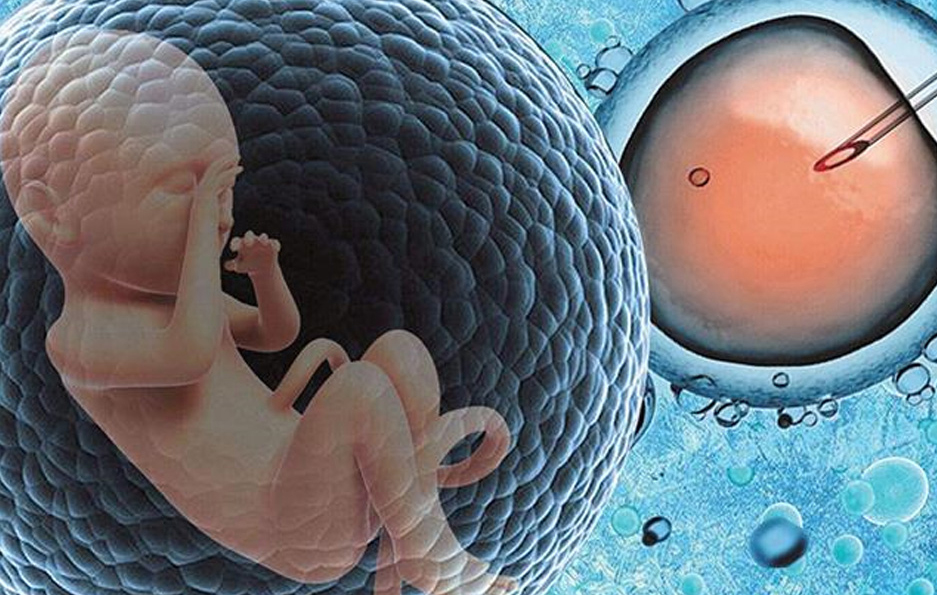
Exactly 36 hours post-trigger, the egg retrieval is performed under light intravenous sedation. A transvaginal ultrasound guides a needle through the vaginal wall into the ovaries to aspirate the follicular fluid and oocytes. In the laboratory, mature oocytes are identified and fertilized via conventional insemination or ICSI.
Embryos are then cultured in time-lapse incubators for five to six days until they reach the blastocyst stage. At this point, a trophectoderm biopsy may be performed for PGT-A. The embryos are then cryopreserved via vitrification. In modern practice, the trend strongly favors the "freeze-all" strategy, where all embryos are vitrified, and a fresh transfer is deferred. This allows the patient's hormonal environment—often disrupted by supraphysiologic estradiol levels during stimulation—to normalize, optimizing the endometrium for implantation during a subsequent frozen embryo transfer (FET).
Infertility is not exclusively a female issue; male factors contribute to approximately 40% of all cases. The modern fertility clinic integrates advanced andrology to diagnose and treat male infertility comprehensively. The initial evaluation involves a detailed semen analysis assessing concentration, motility, and morphology. However, standard parameters do not capture all aspects of sperm function. Sperm DNA fragmentation testing has become increasingly routine, as high levels of fragmented DNA are associated with poor embryo development and recurrent implantation failure, even when standard semen parameters appear normal.
When severe male factor infertility is diagnosed, involving azoospermia (the complete absence of sperm in the ejaculate), a reproductive urologist is engaged. Azoospermia may be obstructive (a blockage in the reproductive tract) or non-obstructive (a failure of sperm production in the testes). Surgical sperm retrieval techniques are utilized to extract sperm directly from the testis or epididymis. Percutaneous epididymal sperm aspiration (PESA) and testicular sperm extraction (TESE) are common procedures. For non-obstructive azoospermia, microsurgical testicular sperm extraction (Micro-TESE), an invasive procedure requiring an operating microscope, is employed to locate isolated foci of sperm production. The retrieved sperm, even if few in number, are then utilized with ICSI to achieve fertilization. This multidisciplinary collaboration between reproductive endocrinologists and urologists ensures that male factor infertility is addressed with the highest level of surgical and laboratory precision.
The demographic shift toward delayed childbearing has positioned fertility preservation as a central component of modern reproductive medicine. Elective oocyte cryopreservation, commonly known as egg freezing, allows women to preserve their reproductive potential by storing oocytes retrieved during their peak reproductive years. The clinical pathway mirrors the initial stages of IVF: ovarian stimulation, monitoring, and egg retrieval. The oocytes are then vitrified and stored in liquid nitrogen.
The survival rate of thawed oocytes is currently over 90%, thanks to advancements in vitrification protocols. When the patient decides to attempt pregnancy, the oocytes are warmed, fertilized via ICSI, and the resulting embryos are transferred. The success of this process is primarily dependent on the age of the woman at the time of freezing. Oocytes frozen before age 35 yield significantly higher live birth rates per thawed oocyte compared to those frozen after age 40.
Beyond elective preservation, oncofertility is a critical medical application. Patients undergoing gonadotoxic chemotherapy or radiation for cancer treatment are referred to reproductive specialists prior to treatment initiation. Rapid ovarian stimulation protocols, including random-start stimulation, have been developed to accommodate the urgent timeline of cancer treatment, allowing patients to bank oocytes or embryos without significantly delaying oncological care.
Analyzing clinical scenarios provides practical context to the theoretical framework of reproductive medicine, illustrating how protocols are tailored to individual diagnoses.
A 39-year-old female presents with an AMH level of 0.6 ng/mL and an AFC of 4. Her history includes one prior IVF cycle yielding a single oocyte that failed to fertilize. The clinic recommends a DuoStim protocol, involving two consecutive ovarian stimulation and retrieval cycles within a single menstrual cycle. The first retrieval yields two oocytes, resulting in one blastocyst. Immediately following retrieval, a second stimulation is initiated. The second retrieval yields three oocytes, resulting in two blastocysts. PGT-A is performed, identifying one euploid embryo. Following a medicated FET cycle, the patient achieves a singleton live birth. This case demonstrates the efficacy of non-traditional stimulation protocols in maximizing oocyte yield for low responders.
A 36-year-old female has experienced three consecutive first-trimester miscarriages. Both partners have normal karyotypes, and hysteroscopy reveals a normal uterine cavity. IVF with PGT-A is recommended to screen for chromosomal aneuploidy, a leading cause of early miscarriage. The stimulation yields 12 oocytes, resulting in 6 blastocysts. PGT-A reveals that 4 are aneuploid and 2 are euploid. A single euploid embryo is transferred, bypassing the previous pattern of early loss. The patient carries the pregnancy to term without complication. This highlights the role of genetic screening in preventing recurrent miscarriage.
A 32-year-old couple presents with primary infertility. The male partner has a history of cryptorchidism (undescended testicles) corrected in childhood and is diagnosed with non-obstructive azoospermia. A reproductive urologist performs a Micro-TESE procedure, successfully extracting viable sperm. The female partner undergoes a standard antagonist IVF protocol. ICSI is utilized to fertilize the oocytes with the surgically retrieved sperm. Two blastocysts develop and are transferred, resulting in a twin pregnancy. This case underscores the intersection of surgical andrology and laboratory technology in overcoming severe male infertility.
A 28-year-old female with PCOS presents with an AMH of 9 ng/mL. She is at high risk for ovarian hyperstimulation syndrome. An antagonist protocol with a GnRH agonist trigger is utilized. The stimulation yields 24 oocytes. Due to the agonist trigger, the risk of OHSS is minimized. All resulting blastocysts are vitrified. Two months later, following a medicated endometrial preparation cycle, a single embryo is transferred, resulting in a healthy pregnancy. The freeze-all strategy here is critical for patient safety.
The proliferation of information regarding IVF has spawned numerous misconceptions that can mislead prospective patients and create unrealistic expectations.
Optimizing health prior to initiating an IVF cycle can significantly impact both the efficacy of the treatment and the health of the resulting pregnancy. Preconception care should ideally begin three to six months before the cycle starts, as oocyte maturation takes approximately 90 days.
Nutritional optimization is foundational. The Mediterranean diet, characterized by high consumption of vegetables, fruits, whole grains, lean proteins, and anti-inflammatory fats (like olive oil and avocados), has been associated with improved IVF outcomes. Adequate hydration and limiting processed foods, refined sugars, and trans fats are also recommended.
Supplementation plays a specific role. All women attempting conception should take a prenatal vitamin containing at least 400 micrograms of folic acid to prevent neural tube defects. Coenzyme Q10 (CoQ10), particularly the ubiquinol form, is frequently recommended to support mitochondrial function in oocytes, especially for women over 35. Vitamin D levels should be assessed and optimized, as deficiency has been correlated with lower IVF success rates. Women with PCOS may benefit from Myo-inositol supplementation to improve insulin sensitivity and ovarian function.
Lifestyle modifications are non-negotiable. Smoking, including marijuana, must be completely ceased. The toxins in smoke accelerate ovarian aging, impair oocyte quality, and reduce implantation rates. Alcohol consumption should be minimized or eliminated. Caffeine intake should be limited to less than 200 milligrams per day. Moderate exercise is beneficial, but high-intensity workouts should be moderated during ovarian stimulation to prevent ovarian torsion.
The psychological burden of infertility and IVF is profound, often equated in severity to the stress of a terminal illness diagnosis. The cyclical nature of hope and disappointment, the financial strain, and the physical demands of treatment can lead to clinical anxiety, depression, and strained interpersonal relationships. Integrating psychological support into the IVF journey is a medical necessity, not a luxury.
Specialized fertility counselors are trained to help patients navigate the unique emotional landscape of assisted reproduction. They assist in developing coping mechanisms for the "two-week wait" (the period between embryo transfer and the pregnancy test) and help manage decision fatigue regarding complex choices like embryo disposition or transitioning to donor gametes. Cognitive Behavioral Therapy (CBT) and Mindfulness-Based Stress Reduction (MBSR) have demonstrated efficacy in reducing anxiety and depression scores in IVF patients.
Support groups, whether facilitated by clinics or accessed online, provide validation and community. Infertility can be profoundly isolating; connecting with others undergoing similar experiences mitigates this isolation. Partners must establish clear communication protocols regarding financial limits and treatment endpoints. Couples counseling can facilitate these difficult conversations, ensuring mutual understanding and preserving the partnership's integrity throughout the arduous process.
The United States lacks comprehensive federal regulation of IVF, resulting in a patchwork of state laws and professional guidelines. The American Society for Reproductive Medicine (ASRM) provides ethical and practice guidelines, but compliance is voluntary. This regulatory environment creates both opportunities and complexities.
Third-party reproduction involves intricate legal considerations. Gestational surrogacy laws vary drastically by state. In states like California, Nevada, and Illinois, pre-birth orders establish the intended parents' legal rights before the child is born, regardless of genetic connection. In other states, surrogacy is legally restricted or entirely prohibited, necessitating interstate travel. Egg and sperm donation involve legal contracts relinquishing the donor's parental rights, ensuring the intended parents are legally recognized.
Embryo disposition presents another ethical and legal challenge. IVF frequently results in the creation of more embryos than can be safely transferred. Patients must decide whether to cryopreserve surplus embryos for future use, donate them to research, donate them to other infertile couples, or discard them. In the event of divorce or the death of a partner, the fate of cryopreserved embryos can become a contentious legal battle. Clinics require patients to sign detailed consent forms outlining these contingencies prior to beginning treatment, highlighting the need for independent legal counsel when establishing embryo disposition preferences.
Looking beyond 2026, the trajectory of reproductive medicine points toward further minimization of invasiveness and maximization of precision. Research into in vitro gametogenesis (IVG)—the process of generating functional sperm and oocytes from pluripotent stem cells—holds transformative potential. While currently confined to animal models, IVG could eventually allow individuals who cannot produce viable gametes, such as those who have undergone sterilizing cancer treatments or have certain genetic conditions, to have genetically related children.
Artificial intelligence will continue to evolve, likely leading to fully automated, unbiased embryo selection systems that integrate morphokinetic data with metabolic profiling of the culture media. Non-invasive preimplantation genetic testing (niPGT), analyzing cell-free DNA from the culture medium, will likely replace the current trophectoderm biopsy, eliminating any potential risk to the embryo.
The development of artificial wombs, or ectogenesis, remains a distant but theoretically possible frontier. While current research focuses on improving outcomes for extremely premature infants, the eventual application to full-term gestation outside the human body would fundamentally redefine reproduction. Furthermore, as polygenic risk scoring becomes more sophisticated, the ability to screen embryos for a multitude of traits—ranging from disease risk to non-medical characteristics—will necessitate robust ethical frameworks and regulatory oversight to prevent the misuse of reproductive technologies. The continuous evolution of these innovations promises to further expand the boundaries of human reproduction, offering hope to an increasingly diverse patient population.