News Center
Stepping into 2026, the landscape of assisted reproductive technology in the United States continues to evolve at a remarkable pace, offering renewed hope and advanced solutions for individuals and couples navigating the complex journey of infertility. The American IVF sector has historically been characterized by rapid technological adoption, stringent regulatory frameworks, and a highly competitive market that drives clinical excellence. For those considering fertility treatments this year, understanding the interplay between cutting-edge medical protocols, geographic distribution of premier clinics, and the intricate financial structures is essential. The cost of in vitro fertilization remains a significant consideration, but advancements in embryology, genetic screening, and personalized medicine are continually improving success rates, making the investment more transparent and outcomes more predictable.
The core of American IVF in 2026 lies in the seamless integration of artificial intelligence and advanced molecular biology. Clinics across the nation are increasingly utilizing AI-driven embryology monitoring systems. These platforms analyze continuous time-lapse imagery of developing embryos, identifying morphokinetic anomalies that the human eye might overlook. By quantifying the precise timing of cellular divisions, algorithms can now predict blastocyst viability and chromosomal competence with unprecedented accuracy. This technological leap reduces the subjectivity of embryo grading, allowing embryologists to select the single most viable embryo for transfer, thereby supporting the shift toward elective single embryo transfer (eSET) and minimizing the risks associated with multiple pregnancies.
Furthermore, the utilization of Preimplantation Genetic Testing for Aneuploidies (PGT-A) has become highly refined. In 2026, non-invasive PGT-A, which analyzes cell-free DNA released into the embryo culture medium, is more widely validated and adopted. This approach eliminates the need for a trophectoderm biopsy, removing a potential source of embryonic stress. Concurrently, PGT-M for monogenic disorders allows families with known hereditary conditions to ensure their future children are unaffected. The combination of non-invasive genetic screening and AI embryo selection represents a paradigm shift, maximizing the chances of a successful, healthy pregnancy while reducing the time to conception.
When seeking top-rated IVF clinics in the United States, geographic location plays a multifaceted role. It is not merely about proximity; it involves state-specific insurance mandates, the legal landscape surrounding third-party reproduction, and the concentration of specialized medical talent. The American fertility market is segmented into several key regions, each offering distinct advantages.
California remains a prominent hub for fertility tourism, both domestic and international. The state's progressive legal framework provides robust protections for intended parents, making it an ideal location for those requiring donor eggs, donor sperm, or gestational surrogacy. Clinics in cities like Los Angeles, San Francisco, and San Diego are renowned for their LGBTQ+ family-building services and comprehensive donor databases. The West Coast also leads in holistic patient care models, often integrating acupuncture, nutritional counseling, and mental health support directly into the IVF protocol.
States such as New York, Massachusetts, and Connecticut boast some of the most comprehensive infertility insurance mandates in the country. This regulatory environment has fostered a high-volume, highly competitive clinical landscape. Because a significant portion of patients have their treatments covered by insurance, clinics in the Northeast must maintain exceptional success rates and patient satisfaction metrics to remain in-network. The concentration of academic medical centers in this region also means that patients often have access to the latest clinical trials and experimental protocols. Massachusetts, in particular, is noted for its high density of reproductive endocrinologists and state-of-the-art laboratory facilities.
The Midwest has emerged as a region offering an exceptional balance of clinical excellence and financial value. States like Illinois, with its mandated IVF coverage, and Ohio, with its renowned standalone fertility centers, attract patients seeking high-quality care without the premium pricing often found in coastal cities. Clinics in this region have invested heavily in building cleanroom-standard embryology laboratories. The cost of living in the Midwest allows these facilities to operate with lower overhead, savings which are frequently passed on to self-pay patients. Furthermore, Midwestern clinics are often recognized for their personalized, high-touch patient care models, where patients interact directly with their physicians throughout the entire cycle.
Texas and Florida have seen significant growth in their fertility sectors. Both states feature large, diverse populations and favorable legal climates for gestational surrogacy, although statutes vary and require careful legal navigation. Texas, in particular, has developed into a major center for IVF, with clinics in Houston, Dallas, and Austin offering comprehensive services. The absence of a state income tax in Texas and Florida also attracts top medical talent, contributing to the establishment of cutting-edge reproductive centers. Patients traveling to the South often find modern facilities, shorter wait times for donor matches, and competitive pricing structures for out-of-pocket cycles.
Understanding the cost of IVF in the United States requires a granular breakdown of the various components that constitute a full treatment cycle. In 2026, the pricing structure remains complex, heavily influenced by the level of technology utilized, the need for third-party reproduction, and geographic location. A standard IVF cycle without insurance coverage can range significantly, making it imperative for patients to understand exactly what is included in a clinic's quoted price.
| Service Component | Estimated Cost Range (USD) | Description and Necessity |
|---|---|---|
| Baseline Consultation & Testing | $500 - $1,500 | Initial screening, AMH testing, infectious disease panels, and saline sonograms. |
| Ovarian Stimulation Medications | $3,000 - $7,000 | Gonadotropins, antagonist protocols, and trigger shots. Highly variable based on dosage and patient response. |
| Egg Retrieval Procedure | $5,000 - $8,000 | Includes anesthesia, ultrasound-guided aspiration, and operating room fees. |
| Embryology Laboratory Fees | $3,000 - $5,000 | Sperm preparation, fertilization (standard or ICSI), and embryo culture to the blastocyst stage. |
| Embryo Transfer | $1,500 - $3,000 | Catheter placement and ultrasound guidance for the transfer of the embryo into the uterus. |
| Preimplantation Genetic Testing (PGT) | $2,000 - $5,000 | Biopsy (if not non-invasive), genetic analysis, and shipping fees. Charged per batch or per embryo. |
| Frozen Embryo Transfer (FET) | $3,000 - $5,000 | Thawing, preparation of the endometrial lining, and the transfer procedure itself. |
| Annual Cryopreservation Storage | $500 - $1,200 | The cost to keep embryos, eggs, or sperm frozen in liquid nitrogen. |
The financial burden of IVF is heavily mitigated in states with comprehensive insurance mandates. As of 2026, states like Massachusetts, New York, Illinois, and Connecticut require large group insurance plans to cover the diagnosis and treatment of infertility, often including up to three or four cycles of IVF. However, self-funded employer plans governed by ERISA are typically exempt from state mandates, leaving a significant portion of the workforce uncovered. Patients must meticulously verify their coverage, understanding the distinction between diagnostic coverage and treatment coverage, and whether their plan includes pharmacy benefits for fertility medications.
For self-pay patients, American clinics offer various financial vehicles to manage the high upfront costs. Shared risk or refund programs are particularly notable. In these programs, patients pay a premium upfront, usually covering two or three fresh cycles and all associated frozen transfers. If the patient does not achieve a live birth, a significant portion of the fee is refunded. While the initial cost is higher than a single cycle, these programs provide financial predictability and psychological relief. Additionally, specialized fertility financing companies offer loans specifically designed for IVF, often with terms that allow for deferred payments until after the embryo transfer.
When a patient requires donor eggs, donor sperm, or a gestational carrier, the financial structure changes dramatically. A fresh donor egg cycle can range from $25,000 to $40,000, inclusive of agency fees, donor compensation, legal fees, and clinical costs. Gestational surrogacy is the most expensive path to parenthood, often totaling between $120,000 and $180,000. This encompasses the surrogate's compensation, pregnancy-related medical expenses, legal contracts, and the IVF procedures themselves. The geographic variability in surrogate compensation means that intended parents often work with surrogates in states where the cost of living, and thus base compensation, is lower, while still maintaining clinical care at their preferred IVF center.
Selecting a clinic is a deeply personal decision that should be based on clinical success rates, laboratory technology, and patient compatibility. The United States is home to numerous exceptional fertility centers. Below is an objective overview of several prominent institutions, highlighting their distinct clinical characteristics and areas of specialization.
CCRM Fertility is a nationally recognized network of fertility clinics known for its commitment to rigorous scientific research and advanced laboratory techniques. Founded by Dr. William Schoolcraft, CCRM has built a reputation on its proprietary comprehensive chromosomal screening and its robust in-house embryology laboratories. The network operates across multiple states, providing standardized, high-quality care. CCRM is particularly noted for its research in fertility preservation and its ability to handle complex cases, including patients with previous IVF failures. Their approach integrates cutting-edge genetic testing with customized ovarian stimulation protocols, aiming to maximize embryo euploidy rates.
Shady Grove Fertility is one of the largest fertility practices in the United States, originating in the Mid-Atlantic region and expanding significantly. The clinic is distinguished by its vast network of physicians and its emphasis on clinical research and data-driven protocols. Shady Grove is well-regarded for its comprehensive financial programs, including shared risk refund options that make IVF more accessible to self-pay patients. The practice offers a wide array of services, from basic ovulation induction to advanced IVF, third-party reproduction, and fertility preservation. Their large volume allows for a highly specialized team approach, where patients benefit from the collective expertise of numerous reproductive endocrinologists and dedicated nursing staff.
HRC Fertility, operating primarily in Southern California, is a prominent institution known for its pioneering work in reproductive endocrinology. With a history spanning several decades, HRC has been involved in numerous milestones in assisted reproduction. The clinic is highly regarded for its LGBTQ+ family-building services and its extensive donor and surrogacy programs, leveraging California's favorable legal landscape. HRC Fertility maintains state-of-the-art laboratories equipped with the latest time-lapse imaging and genetic testing technologies. The physicians at HRC are frequently involved in clinical trials, offering patients access to experimental protocols and the latest pharmacological interventions.
RMA is a prominent network of fertility clinics with a strong presence in the Northeast and expanding national reach. The institution is heavily invested in academic research and the advancement of embryology. RMA is known for its standardized protocols that prioritize patient safety and efficacy, such as the aggressive promotion of elective single embryo transfer to reduce multiple gestations. Their laboratories utilize continuous monitoring systems, and their physicians frequently publish peer-reviewed studies on topics ranging from ovarian stimulation to endometrial receptivity. RMA’s integrated care model ensures that patients receive coordinated treatment across physicians, embryologists, and genetic counselors.
Understanding the clinical progression of an IVF cycle is crucial for managing expectations and preparing for the physical and emotional demands of the process. The journey is meticulously orchestrated, requiring precise timing and continuous monitoring.
The IVF cycle begins long before the first injection. Pre-cycle preparation involves optimizing the patient's health through lifestyle modifications, such as achieving a target BMI, ceasing smoking and alcohol consumption, and beginning prenatal vitamins and antioxidants like CoQ10. Once cleared, the ovarian stimulation phase begins. Patients self-administer injectable gonadotropins (FSH and LH) for approximately 8 to 14 days. The goal is to recruit multiple ovarian follicles, as opposed to the single egg ovulated in a natural cycle. During this phase, patients undergo frequent transvaginal ultrasounds and blood draws to monitor follicular growth and estradiol levels. The medication dosage is dynamically adjusted based on the patient's individual response, highlighting the importance of an experienced clinical team.
When the leading follicles reach optimal maturity, a "trigger shot" is administered. This injection contains hCG or a GnRH agonist, depending on the protocol, which finalizes the maturation of the eggs and prepares them for release. Exactly 36 hours later, the egg retrieval is performed under sedation. A needle is guided transvaginally under ultrasound visualization to aspirate the fluid from each follicle. The number of eggs retrieved varies widely based on age and ovarian reserve. The procedure is generally brief, lasting 20 to 30 minutes, followed by a short recovery period. Mild cramping and spotting are common post-procedural symptoms.
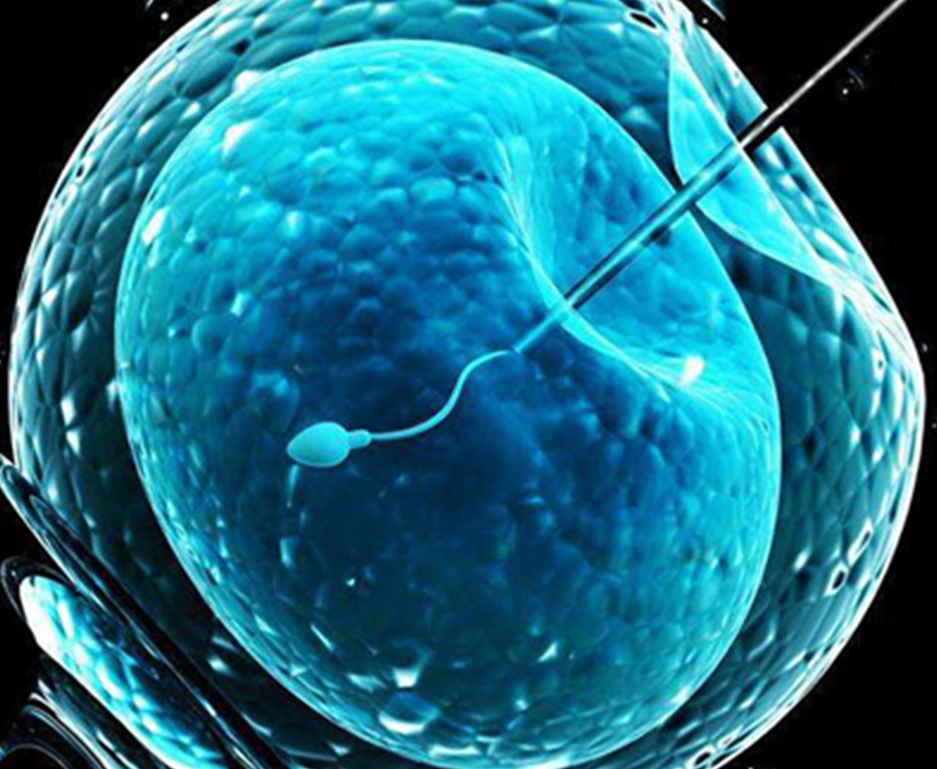
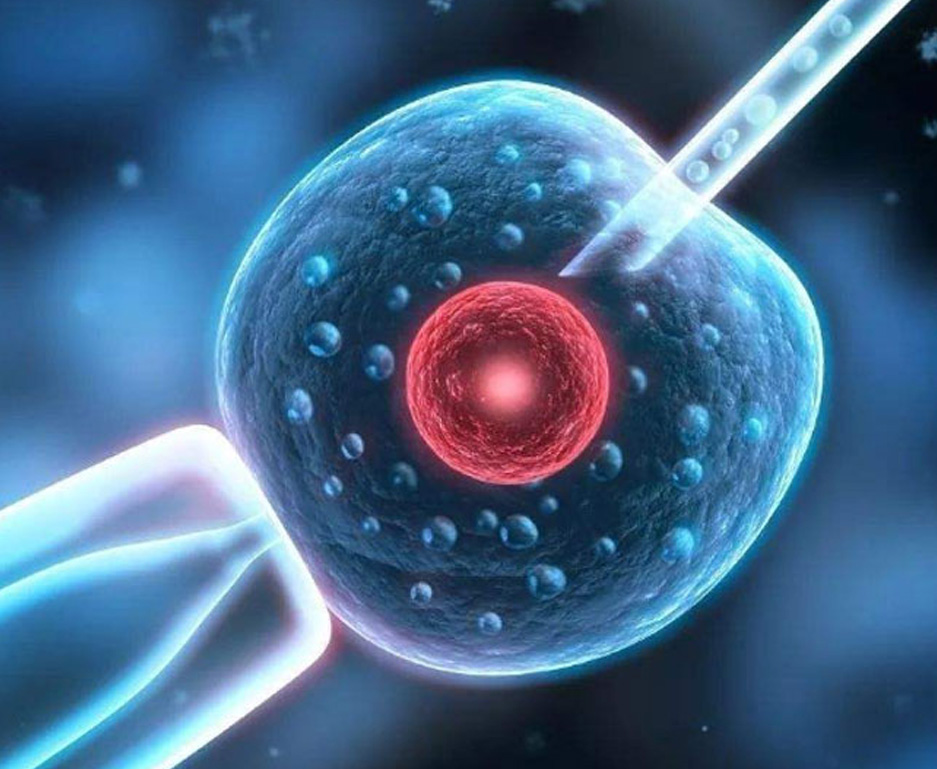
In the embryology laboratory, the retrieved eggs are identified and prepared. Fertilization occurs either through conventional insemination, where sperm is placed with the eggs, or through Intracytoplasmic Sperm Injection (ICSI), where a single motile sperm is injected directly into the egg. ICSI is indicated for male factor infertility or when utilizing PGT. The fertilized eggs, now embryos, are placed in incubators. In 2026, most clinics culture embryos to the blastocyst stage (day 5 or 6), as blastocysts have a higher implantation potential. Embryologists monitor development continuously, utilizing time-lapse technology to assess division rates and morphology.
If PGT is utilized, a small biopsy of the trophectoderm is taken on day 5 or 6, and the embryos are vitrified (flash-frozen) while the genetic results are processed. This necessitates a Frozen Embryo Transfer (FET) cycle. The FET cycle is significantly less physically demanding than a fresh stimulation cycle. The patient takes oral or transdermal estrogen to thicken the uterine lining, followed by progesterone injections or suppositories to make the endometrium receptive. Once the lining is optimal and the genetic results are known, a single euploid embryo is thawed and transferred into the uterus using a fine catheter under ultrasound guidance. The two-week wait until the pregnancy test is often the most emotionally taxing part of the journey.
To illustrate the variability of the IVF experience, consider the following hypothetical clinical scenarios that reflect common patient demographics and challenges in 2026.
Sarah, a 42-year-old woman, presented with a significantly elevated AMH level indicating diminished ovarian reserve. She and her partner had been attempting to conceive for two years. Given her age, the clinical team recommended an aggressive stimulation protocol combined with PGT-A to identify any euploid embryos, as the rate of aneuploidy increases exponentially after age 40. In her first cycle, only four eggs were retrieved, resulting in two blastocysts. PGT-A revealed that both were aneuploid. Understanding the statistical probabilities, Sarah opted for a second cycle using a modified natural protocol to maximize egg quality over quantity. The second cycle yielded three eggs, two blastocysts, and one was confirmed euploid. Following a medicated FET, the euploid embryo implanted successfully. This case underscores the reality that IVF in older patients may require multiple stimulations to achieve a single euploid embryo, and the financial and emotional preparation for such an eventuality is paramount.
Mark and David, a same-sex couple, desired to have a biological child. They required both an egg donor and a gestational carrier. Mark provided the sperm sample, which was analyzed and found to have low motility. The clinic recommended ICSI for fertilization. They selected an egg donor through an agency, coordinating her stimulation cycle with the clinic. Fourteen eggs were retrieved, and using Mark's sperm, ten blastocysts developed. PGT-A was performed, resulting in six euploid embryos, providing a robust reserve for future siblings. They then matched with a gestational carrier in a legally favorable state. A single embryo was transferred into the carrier, resulting in a successful pregnancy. This scenario highlights the complexity and cost of third-party reproduction, involving multiple medical, legal, and psychological components, but also demonstrates how modern IVF can build families that would have been impossible a few decades ago.
Emily, a 34-year-old woman, had experienced three consecutive first-trimester miscarriages. Initial workup revealed a septate uterus, which was surgically corrected via hysteroscopy. Subsequent genetic testing of the products of conception from her last loss revealed a chromosomal abnormality. Her physician recommended IVF with PGT-A to bypass the risk of aneuploidy. Emily responded well to stimulation, yielding 12 eggs and 8 blastocysts. PGT-A identified three euploid embryos. Her first FET was successful, resulting in a full-term delivery. This case demonstrates the utility of IVF not just for achieving conception, but as a diagnostic and preventative tool for recurrent pregnancy loss, allowing for the selection of chromosomally normal embryos and reducing the risk of another devastating loss.
The public perception of IVF is often clouded by myths and outdated information. Dispelling these misconceptions is vital for patients making informed decisions.
The period surrounding an IVF cycle requires attentive self-care and adherence to medical guidelines. Proper nursing care and lifestyle choices can significantly impact the patient experience and potentially influence outcomes.
IVF involves a complex regimen of injectable medications. Fertility clinics provide detailed training sessions for patients and their partners on how to mix and administer these subcutaneous and intramuscular injections. Adherence to the prescribed timing is critical, as even a slight deviation can disrupt follicular development. Patients should organize their medications clearly, rotate injection sites to prevent bruising and tissue irritation, and maintain a log of their injections. Common side effects include bloating, breast tenderness, and mood fluctuations, which should be communicated to the nursing staff.
While no specific diet guarantees IVF success, a balanced, nutrient-dense diet supports overall reproductive health. The Mediterranean diet, rich in anti-inflammatory foods, vegetables, whole grains, and lean proteins, is frequently recommended. Patients are advised to avoid trans fats, excessive caffeine, and alcohol. Hydration is particularly important during ovarian stimulation to support vascular volume and follicular fluid production. Some physicians recommend specific supplements, such as Vitamin D (to ensure optimal levels), CoQ10 (for mitochondrial support in eggs), and Omega-3 fatty acids, but all supplementation must be cleared by the medical team to avoid interactions with medications.
During ovarian stimulation, the ovaries become enlarged, and high-impact activities such as running, jumping, or heavy weightlifting should be avoided to prevent ovarian torsion, a rare but serious complication. Low-impact exercises like walking, gentle yoga, and swimming are generally acceptable until the egg retrieval. Following the retrieval, patients should rest for the remainder of the day. After an embryo transfer, normal activities can typically be resumed, though patients are usually advised to avoid strenuous exercise until the pregnancy test.
The emotional toll of IVF is profound. The hormonal fluctuations, the waiting periods, and the financial pressure can lead to significant anxiety and depression. Integrating mental health support is a critical component of nursing care. Many clinics have integrated mental health professionals who specialize in infertility. Patients are encouraged to seek individual counseling, join support groups, or engage in stress-reduction practices such as meditation, mindfulness, and acupuncture. Open communication with the partner and setting boundaries with friends and family regarding inquiries about the process can help protect the patient's emotional space.
While IVF is a solution for infertility, proactive health management can optimize the chances of natural conception or improve the efficacy of assisted reproduction. Long-term health considerations extend beyond the positive pregnancy test.
Exposure to endocrine-disrupting chemicals (EDCs) found in plastics, personal care products, and pesticides can negatively impact reproductive health. Phthalates, bisphenol A (BPA), and parabens have been linked to reduced egg quality and altered hormone levels. Patients trying to conceive should minimize the use of plastic containers for food storage, avoid heating food in plastic, choose paraben-free cosmetics, and consume organic produce when possible to reduce pesticide exposure.
Both underweight and overweight statuses can impair fertility. A Body Mass Index (BMI) outside the normal range can disrupt ovulation and alter hormone production. Obesity is associated with insulin resistance, which can negatively affect ovarian function and increase the risk of miscarriage. Achieving a healthy weight through diet and exercise prior to conception improves the chances of a successful pregnancy and reduces pregnancy complications such as gestational diabetes and preeclampsia.
Pregnancies achieved through IVF, particularly those using donor eggs or in older patients, are sometimes considered higher risk and may require specialized obstetric care. Patients should transition to an obstetrician experienced in high-risk pregnancies. Continuous monitoring for gestational diabetes, hypertension, and fetal growth is standard. Furthermore, the emotional transition from infertility patient to pregnant patient can be complex, and continued psychological support is often beneficial to address lingering anxiety and attachment issues.
Navigating the American fertility market requires a strategic approach. Patients should not simply choose the closest clinic; rather, they should conduct thorough research to find a clinic that aligns with their specific medical needs and financial situation.
The Centers for Disease Control and Prevention (CDC) and the Society for Assisted Reproductive Technology (SART) publish comprehensive clinic success rates. While these metrics are valuable, they must be interpreted carefully. A clinic with exceptionally high success rates may selectively accept patients with the best prognosis, turning away complex cases. Patients should look at the clinic's success rates specific to their age group and diagnosis. Furthermore, clinic volume can be an indicator of laboratory experience; clinics performing a high number of cycles often have highly proficient embryology teams.
During the initial consultation, patients should come prepared with a list of questions to assess the clinic's suitability. Key questions include:
Given the significant financial and emotional investment of IVF, seeking a second opinion is a highly recommended practice. Different clinics may propose varying stimulation protocols or diagnostic approaches. A second opinion can provide peace of mind, confirm the initial diagnosis, or reveal alternative treatment options that may be more cost-effective or better suited to the patient's physiology.
The legal landscape surrounding assisted reproduction in the United States is a patchwork of state regulations. In 2026, navigating these legalities is a critical step, particularly for those utilizing third-party reproduction.
Clinics require patients to sign consent forms detailing the disposition of their embryos in various scenarios, including the death of a partner, divorce, or the expiration of storage limits. Patients must decide whether to discard, donate to research, or donate their remaining embryos to another couple. These decisions are legally binding and should be made with careful consideration and legal counsel.
For those utilizing egg donors, sperm donors, or gestational carriers, legal contracts are mandatory. Intended parents must work with an attorney specializing in reproductive law to establish parentage orders and ensure that the donor or carrier relinquishes all parental rights. The laws governing these contracts vary significantly by state. For instance, establishing a pre-birth parentage order for a gestational carrier is standard practice in California, but may not be possible in other states. Legal representation ensures that the rights of all parties are protected and that the intended parents are legally recognized as the child's parents from the moment of birth.
Looking beyond 2026, the trajectory of fertility medicine points toward even greater personalization and minimally invasive techniques. Research into in vitro gametogenesis (IVG), the process of creating sperm and eggs from somatic cells, holds theoretical promise for individuals who cannot produce viable gametes, though it remains highly experimental and ethically complex. Advances in endometrial receptivity analysis are becoming more refined, allowing for the precise timing of embryo transfers based on the individual's unique microbiome and gene expression profile. The integration of big data and predictive analytics will likely lead to even more accurate forecasting of IVF success, allowing clinicians to tailor protocols with microscopic precision. As these technologies mature, the focus will remain on increasing accessibility, reducing the physical burden on patients, and ensuring ethical practices in the rapidly expanding field of assisted reproduction.
The journey through American IVF in 2026 is a testament to the remarkable intersection of medical science, technology, and human resilience. While the financial costs remain substantial and the emotional journey demanding, the availability of top-rated clinics, advanced genetic screening, and comprehensive support systems provides unparalleled opportunities for building families. By understanding the geographic distribution of clinical excellence, meticulously navigating the financial structures, and engaging actively in their care, patients can approach the IVF process with informed confidence and realistic optimism.