News Center
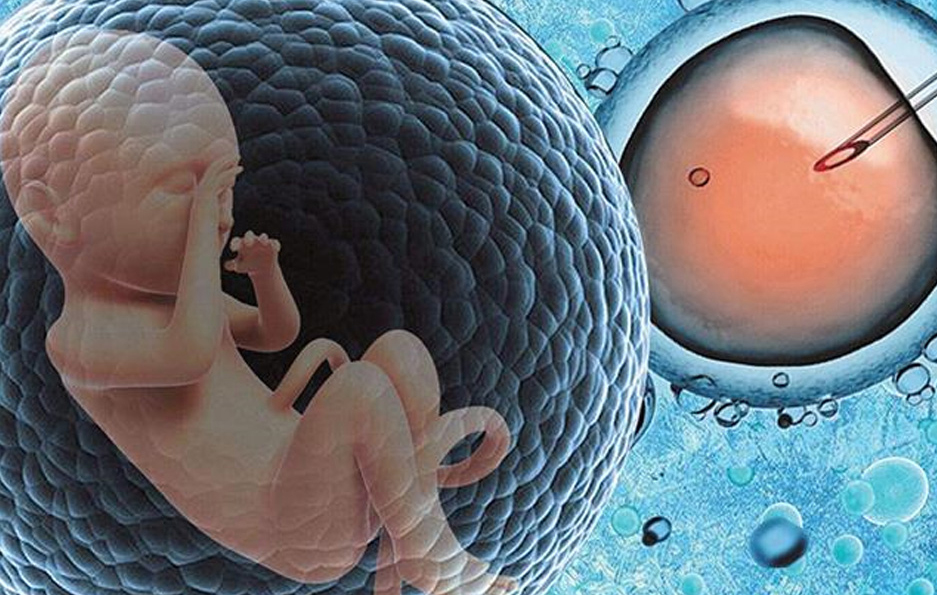
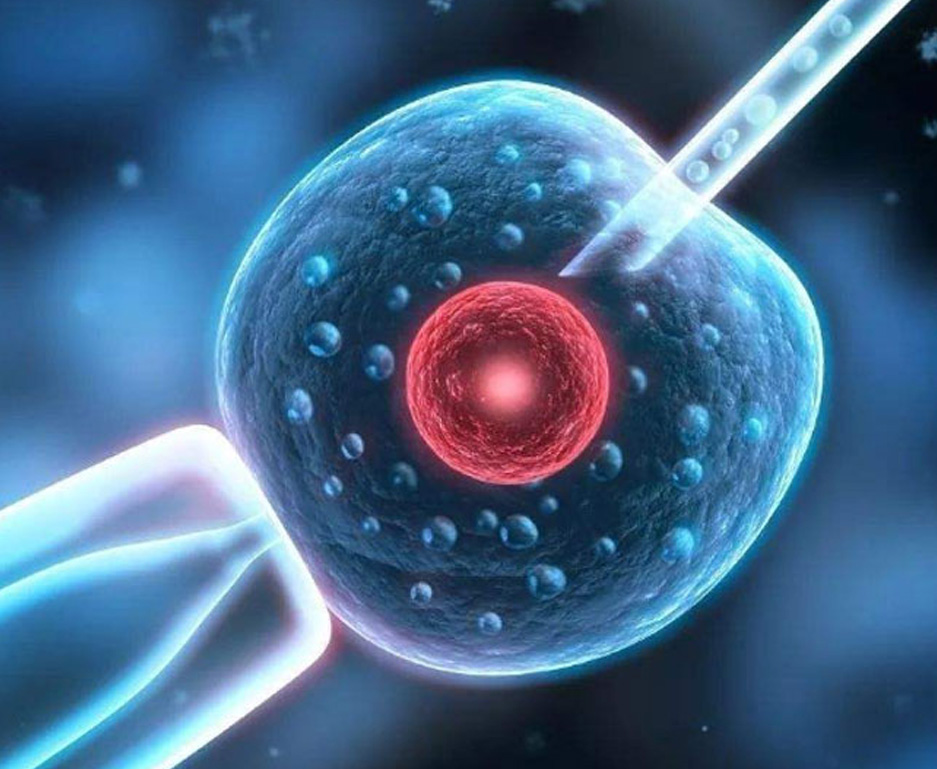
In recent years, in vitro fertilization (IVF) has emerged as a beacon of hope for millions of couples struggling with infertility. While the medical procedures involved in IVF are complex and well-documented, the critical role of post-IVF dietary regulation often takes a backseat. Yet, what a woman eats in the days and weeks following embryo transfer can significantly influence the success of the procedure, supporting implantation, fetal development, and maternal health. This article delves into the core principles of post-IVF nutrition, outlines key precautions, and provides actionable guidance to help individuals navigate this crucial phase with confidence.
The foundation of post-IVF nutrition lies in consuming foods that are rich in essential nutrients, vitamins, and minerals, while minimizing processed and empty-calorie options. Whole foods such as fruits, vegetables, whole grains, lean proteins, and healthy fats provide the building blocks needed for hormonal balance, immune function, and cellular repair. For example, leafy greens like spinach and kale are packed with folate, a B-vitamin that plays a vital role in preventing neural tube defects in the early stages of fetal development. Similarly, colorful fruits like berries offer antioxidants that combat oxidative stress, which can damage cells and interfere with implantation.
Whole grains like quinoa, brown rice, and oats are excellent sources of fiber, which aids in digestion and helps maintain stable blood sugar levels. Stable blood sugar is crucial during the post-IVF period, as spikes and crashes can disrupt hormonal balance and increase stress on the body. Lean proteins such as chicken, fish, tofu, and legumes supply amino acids, the building blocks of proteins that are essential for tissue growth and repair. Healthy fats, including avocados, nuts, and olive oil, support hormone production and help the body absorb fat-soluble vitamins like A, D, E, and K.
Achieving and maintaining a healthy weight is an important aspect of post-IVF care. Being underweight or overweight can both negatively impact IVF success rates. Women who are underweight may have insufficient energy stores to support implantation and early fetal development, while excess body fat can lead to hormonal imbalances, such as elevated estrogen levels, which can interfere with ovulation and embryo implantation.
During the post-IVF period, it is essential to consume enough calories to meet the body's increased energy needs without overindulging. A general guideline is to aim for a moderate calorie intake based on individual factors such as age, height, activity level, and pre-pregnancy weight. Working with a registered dietitian can help determine the appropriate calorie range and ensure that nutritional needs are met. Additionally, incorporating regular, gentle physical activity like walking or yoga can help maintain a healthy weight and reduce stress.
Hormonal balance is critical for successful embryo implantation and early pregnancy. Certain foods can help regulate hormone levels, while others may disrupt them. For instance, foods rich in phytoestrogens, such as soy products, flaxseeds, and chickpeas, can mimic the effects of estrogen in the body and help balance hormonal levels. However, it is important to consume these foods in moderation, as excessive intake may have the opposite effect.
Probiotics, found in fermented foods like yogurt, kefir, and sauerkraut, can also support hormonal balance by promoting a healthy gut microbiome. The gut plays a key role in hormone metabolism, and an imbalance in gut bacteria can lead to issues like estrogen dominance, which can hinder implantation. Additionally, avoiding excessive caffeine and alcohol is crucial, as both can disrupt hormonal balance and increase the risk of miscarriage.
A strong immune system is essential for protecting the body from infections and supporting the implantation and development of the embryo. During the post-IVF period, the immune system needs to be balanced 鈥?not too weak to fight off pathogens, but not too strong to reject the embryo. Nutrients like vitamin C, vitamin D, zinc, and selenium are key for immune function.
Citrus fruits, bell peppers, and strawberries are excellent sources of vitamin C, which stimulates the production of white blood cells and enhances their ability to fight infections. Vitamin D, obtained through sunlight exposure and foods like fatty fish, egg yolks, and fortified dairy products, plays a crucial role in regulating the immune system and reducing inflammation. Zinc, found in oysters, beef, and pumpkin seeds, supports the development and function of immune cells, while selenium, present in Brazil nuts, tuna, and chicken, acts as an antioxidant and helps protect cells from damage.
There are several substances that should be strictly avoided during the post-IVF period, as they can increase the risk of miscarriage, birth defects, and other complications. Caffeine is one such substance 鈥?while moderate intake (up to 200 mg per day, or about one to two cups of coffee) is generally considered safe, excessive consumption has been linked to an increased risk of miscarriage. It is best to limit caffeine intake or switch to decaffeinated alternatives.
Alcohol is another substance that should be avoided entirely. Even small amounts of alcohol can have harmful effects on the developing embryo, increasing the risk of birth defects and developmental issues. Smoking, including secondhand smoke, is also extremely dangerous, as it can reduce blood flow to the uterus, interfere with implantation, and increase the risk of miscarriage and preterm birth.
Additionally, it is important to avoid raw or undercooked foods, such as raw meat, fish, eggs, and unpasteurized dairy products. These foods can harbor harmful bacteria like salmonella, E. coli, and listeria, which can cause foodborne illnesses that pose a serious threat to the developing fetus.
While a balanced diet should provide most of the nutrients needed during the post-IVF period, some individuals may benefit from supplements. However, it is crucial to consult with a healthcare provider before taking any supplements, as certain ones can be harmful or interact with medications.
Folic acid is one supplement that is universally recommended for women trying to conceive and during early pregnancy. It helps prevent neural tube defects and is often prescribed in higher doses for women undergoing IVF. Other supplements, such as vitamin D, omega-3 fatty acids, and probiotics, may also be beneficial, but their use should be based on individual needs and under the guidance of a healthcare professional.
It is important to avoid supplements that contain high levels of vitamin A, as excessive intake can cause birth defects. Herbal supplements should also be approached with caution, as many have not been thoroughly studied for their safety during pregnancy and may interact with medications or have adverse effects on implantation and fetal development.
Stress can have a significant impact on IVF success rates, as it can disrupt hormonal balance, reduce blood flow to the uterus, and weaken the immune system. While diet alone cannot eliminate stress, certain foods can help manage its effects. For example, complex carbohydrates like whole grains and sweet potatoes stimulate the production of serotonin, a neurotransmitter that promotes feelings of calm and well-being.
Foods rich in magnesium, such as almonds, spinach, and black beans, can also help reduce stress by regulating the body's stress response system. Magnesium helps relax muscles and calm the nervous system, making it easier to cope with stress. Additionally, incorporating adaptogenic herbs like ashwagandha and holy basil into the diet may help the body adapt to stress and maintain hormonal balance. However, it is important to consult with a healthcare provider before using any herbal remedies, especially during the post-IVF period.
Proper hydration is essential for overall health and well-being, and it is particularly important during the post-IVF period. Water helps transport nutrients to cells, flush out toxins, and maintain the balance of bodily fluids. Dehydration can lead to constipation, fatigue, and reduced blood flow to the uterus, all of which can negatively impact implantation and fetal development.
Aim to drink at least eight to ten glasses of water per day, and more if you are physically active or live in a hot climate. You can also increase your fluid intake by consuming water-rich foods like cucumbers, watermelon, and celery. Avoid excessive intake of sugary drinks and caffeinated beverages, as they can contribute to dehydration and disrupt hormonal balance.
To help put these principles into practice, here is a sample daily meal plan for the post-IVF period:
When grocery shopping for post-IVF nutrition, focus on filling your cart with whole, unprocessed foods. Start by shopping the perimeter of the store, where fresh produce, meat, fish, and dairy products are typically located. Avoid the center aisles, which are often filled with processed snacks, sugary cereals, and canned foods high in sodium and preservatives.
Make a list before you go shopping to avoid impulse purchases, and try to buy in-season produce, as it is often fresher and more nutrient-dense. When choosing proteins, opt for organic, grass-fed, or wild-caught options whenever possible, as they are less likely to contain hormones, antibiotics, and other harmful chemicals.
Preparing meals at home allows you to have full control over the ingredients you use, ensuring that you are consuming nutrient-dense, healthy foods. Try to set aside time each week to meal prep, such as chopping vegetables, marinating proteins, and cooking grains in advance. This can save time and make it easier to stick to a healthy diet during busy days.
Use cooking methods that preserve the nutritional value of foods, such as steaming, baking, grilling, and saut茅ing. Avoid frying foods, as this can add unnecessary calories and unhealthy fats. Experiment with herbs and spices to add flavor to your meals without relying on salt, sugar, or processed sauces.
Post-IVF dietary regulation is a critical component of the journey towards a successful pregnancy. By following the core principles of prioritizing nutrient-dense whole foods, maintaining caloric balance, supporting hormonal balance, and boosting immune function, individuals can create a nurturing environment for embryo implantation and fetal development. Additionally, by taking precautions such as avoiding harmful substances, being cautious with supplements, managing stress through diet, and staying hydrated, individuals can reduce the risk of complications and increase their chances of a successful IVF outcome.
Remember, every individual is unique, and nutritional needs may vary based on factors such as age, health status, and medical history. It is important to work with a healthcare provider or registered dietitian to develop a personalized dietary plan that meets your specific needs and supports your IVF journey. With the right nutrition and care, you can take an active role in optimizing your chances of bringing a healthy baby into the world.