News Center
The year 2026 marks a significant milestone in the integration of technology and reproductive endocrinology. American IVF clinics have largely adopted non-invasive embryo assessment tools, reducing the reliance on traditional, morphological grading systems. Time-lapse imaging technology, now standard in many embryology laboratories, allows continuous monitoring of embryo development from the zygote to the blastocyst stage. This continuous observation captures dynamic cellular events that static microscopic views miss, providing embryologists with robust data to identify embryos with the highest implantation potential.
Artificial intelligence algorithms have been refined to analyze thousands of data points from these time-lapse videos. By comparing developmental patterns against vast databases of successful and unsuccessful pregnancies, AI models can predict blastocyst viability with remarkable accuracy. This technological leap minimizes human subjectivity in embryo selection, potentially increasing clinical pregnancy rates and reducing the time required to achieve a successful pregnancy.
Furthermore, Preimplantation Genetic Testing for Aneuploidy (PGT-A) has become more sophisticated. Next-generation sequencing techniques utilized in 2026 require smaller biopsies from the trophectoderm, preserving the inner cell mass destined to become the fetus. The ability to accurately identify euploid embryos—those with the correct number of chromosomes—has dramatically reduced miscarriage rates associated with advanced maternal age and improved the efficiency of single embryo transfers. Clinics now also offer enhanced carrier screening panels, allowing prospective parents to understand their genetic risks for hundreds of recessive conditions before beginning an IVF cycle.
Selecting a fertility center is a deeply personal and medically significant decision. Prospective patients often ask which hospital or clinic is the most suitable for their specific needs. The answer relies heavily on individual medical histories, financial constraints, and geographic preferences. Evaluating a clinic requires looking beyond advertised success rates and examining the underlying medical practices and laboratory standards.
In the United States, fertility clinics report their success rates to the Society for Assisted Reproductive Technology (SART) and the Centers for Disease Control and Prevention (CDC). While these databases provide valuable insights, interpreting the raw numbers requires caution. A clinic's overall success rate may be inflated if they predominantly treat younger patients with uncomplicated infertility diagnoses, or it may appear artificially low if they specialize in treating older patients, poor ovarian responders, or those with multiple previous failed cycles.
When reviewing SART data, patients should focus on metrics relevant to their specific demographic. Key indicators include the percentage of cycles resulting in live births per intended retrieval, the rate of elective single embryo transfer (eSET), and the incidence of ovarian hyperstimulation syndrome (OHSS). A high eSET rate indicates a clinic's commitment to reducing multiple pregnancies, which carry elevated risks for both the mother and the babies. Conversely, a low OHSS rate reflects careful monitoring and individualized stimulation protocols.
The IVF laboratory is the heart of any fertility clinic. The environment where eggs, sperm, and embryos are cultured must maintain stringent parameters regarding air quality, temperature, pH, and humidity. When evaluating clinics, prospective patients should inquire about the laboratory's accreditation, typically from organizations like the College of American Pathologists (CAP) or the Joint Commission. The experience and qualifications of the embryology team are equally critical. Senior embryologists with extensive experience in Intracytoplasmic Sperm Injection (ICSI), embryo biopsy, and vitrification (rapid freezing) contribute significantly to positive outcomes.
The financial aspect of fertility treatment is a primary concern for most patients. The cost of IVF in the United States remains substantial, and pricing structures can be opaque. A standard IVF cycle in 2026 generally ranges from $12,000 to $18,000, but this base fee rarely encompasses all necessary services. Understanding the itemized expenses is crucial for budgeting and avoiding unexpected financial strain.
| Service Component | Estimated Cost Range (USD) | Description |
|---|---|---|
| Baseline IVF Cycle | $12,000 - $18,000 | Includes ovarian stimulation monitoring, egg retrieval, and embryo transfer. |
| Fertility Medications | $3,000 - $7,000 | Gonadotropins, trigger shots, and luteal phase support. Varies by dosage and brand. |
| ICSI (Intracytoplasmic Sperm Injection) | $1,500 - $2,500 | Recommended for male factor infertility or previous fertilization failure. |
| PGT-A (Genetic Testing) | $2,000 - $5,000 | Biopsy of blastocysts and genetic analysis. Often priced per embryo or as a flat batch fee. |
| Frozen Embryo Transfer (FET) | $3,000 - $6,000 | Preparation of the uterine lining and transfer of a vitrified embryo. |
| Anesthesia / Sedation | $500 - $1,200 | Administered during the egg retrieval procedure. |
| Embryo Storage (Annual) | $500 - $1,000 | Cryopreservation fees for maintaining frozen embryos. |
Beyond the standard itemized list, patients must anticipate potential additional expenses. Pre-cycle screening, including infectious disease panels, semen analyses, and mock transfer cycles, can add several hundred dollars to the total. If a patient develops a complex ovarian cyst during stimulation or requires a hysteroscopy to remove a polyp before the transfer, surgical and facility fees will apply.
Donor services represent a significant cost escalation. Using donor sperm typically adds $1,000 to $3,000 per vial, while donor eggs can range from $15,000 to $40,000, encompassing agency fees, donor compensation, screening, and the IVF cycle itself. Gestational surrogacy, often necessary for individuals who cannot carry a pregnancy, involves agency fees, surrogate compensation, legal expenses, and insurance, bringing the total cost to $150,000 or more.
Navigating insurance benefits for fertility treatment in the United States is notoriously complex. Coverage mandates vary drastically by state, leaving many patients to finance their care out-of-pocket. As of 2026, approximately 20 states have enacted laws requiring insurance providers to offer or cover some level of infertility treatment. States like Massachusetts, Illinois, and New York have robust mandates that often cover the core components of IVF, though they may impose eligibility criteria, such as a documented period of unprotected intercourse or specific age limits.
Conversely, states without mandates offer little to no coverage, forcing patients to rely on alternative financing methods. Many American IVF clinics have established in-house financing programs or partnerships with medical lending companies. These programs allow patients to pay for treatment over time, though interest rates can significantly increase the overall financial burden.
To mitigate the financial anxiety associated with unsuccessful cycles, some clinics offer shared risk or refund programs. These packages typically require a substantial upfront payment—often $25,000 to $40,000—for a set number of IVF cycles (usually three). If the patient does not achieve a live birth after completing all cycles, the clinic refunds a significant portion of the medical fees, excluding medication costs.
While these programs provide peace of mind, they are not suitable for everyone. Clinics impose strict eligibility criteria, often excluding patients over a certain age, those with diminished ovarian reserve, or those with complex medical histories, as the financial risk to the clinic is too high. Patients must carefully read the terms and conditions, understanding what constitutes a "live birth" and the stipulations regarding frozen embryos, before committing to a shared risk program.
The availability and cost of IVF services vary significantly across different regions of the United States. Geographic location impacts not only the price of treatment but also the accessibility of specialized care, donor databases, and state insurance mandates. Patients frequently travel across state lines to access clinics with specific expertise or more favorable legal environments for third-party reproduction.
California has long been a hub for reproductive medicine, characterized by a high concentration of clinics offering comprehensive services, including robust egg donor and surrogacy agencies. The legal framework in California is highly supportive of intended parents, regardless of marital status or sexual orientation, making it a preferred destination for LGBTQ+ family building and gestational surrogacy. The cost of IVF in California tends to be higher than the national average, reflecting the elevated cost of living and the premium placed on cutting-edge laboratory technology.
The East Coast boasts some of the oldest and most established fertility centers in the country. Massachusetts is particularly notable for its comprehensive insurance mandate, which significantly reduces the out-of-pocket burden for residents. New York has also expanded its coverage requirements, making fertility care more accessible. Clinics in this region often have strong affiliations with academic medical centers, facilitating access to clinical trials and specialized research protocols for complex infertility cases.
While the East and West Coasts historically dominated the fertility landscape, the Midwest and South have seen substantial growth in high-quality IVF clinics. Regions in Texas, Illinois, and Ohio host large networks of fertility centers that offer competitive success rates at slightly lower price points compared to coastal cities. These clinics often provide personalized care with high physician continuity, appealing to patients who prefer a more localized treatment experience without sacrificing medical expertise.
When considering treatment options, prospective patients often research specific hospitals and clinic networks. The United States is home to numerous reputable fertility centers, each with distinct operational philosophies and areas of specialization. The following institutions represent a cross-section of the American fertility care landscape, known for their comprehensive services and contributions to reproductive medicine.
Shady Grove Fertility is one of the largest fertility practices in the United States, with a vast network of clinical locations primarily situated across the East Coast. The institution is recognized for its extensive donor egg and donor embryo programs, providing patients with access to large, diverse donor pools. Shady Grove Fertility emphasizes a structured, data-driven approach to treatment, offering financial programs such as their Shared Risk 100% Refund Plan. The clinical team comprises numerous reproductive endocrinologists who sub-specialize in specific areas of infertility, including recurrent pregnancy loss and polycystic ovary syndrome (PCOS), ensuring that patients receive targeted medical expertise.
CCRM (Colorado Center for Reproductive Medicine) has expanded from its origins in Denver into a national network of fertility clinics. The institution is noted for its rigorous scientific foundation and its in-house genetics laboratory. CCRM was an early adopter of comprehensive chromosomal screening and continues to invest heavily in research surrounding embryo viability and reproductive genetics. The clinic's model integrates physicians, embryologists, and genetic counselors under one roof, facilitating a highly collaborative approach to complex cases, particularly those involving severe male factor infertility or previous IVF failures at other clinics.
HRC Fertility, operating primarily in Southern California, is a prominent network known for its advanced reproductive technologies and international patient services. The clinic has a long-standing history of utilizing Preimplantation Genetic Testing and was among the pioneers in developing protocols for egg freezing. HRC Fertility caters to a diverse patient demographic, offering specialized programs for oncofertility (fertility preservation for cancer patients) and LGBTQ+ family building. Their laboratories are equipped with continuous monitoring systems, and the practice maintains a strong focus on optimizing protocols for older patients and those with diminished ovarian reserve.
RMA is a network of fertility clinics with a significant presence in New York, New Jersey, and other major metropolitan areas. The institution is deeply involved in clinical research and has contributed substantially to the standardization of IVF protocols, particularly regarding frozen embryo transfers and single embryo transfer practices. RMA is known for its strong emphasis on reducing multiple pregnancies through aggressive eSET policies. Their integrated care model includes nutritionists, mental health professionals, and financial counselors, aiming to address the holistic needs of the patient throughout the fertility journey.
Examining realistic clinical scenarios provides valuable context for understanding how IVF protocols are tailored to individual patient profiles. These case studies illustrate the medical decision-making process, the management of complications, and the emotional trajectory of fertility treatment.
Sarah, a 41-year-old woman, presented with a history of unexplained infertility and an Anti-Müllerian Hormone (AMH) level of 0.6 ng/mL, indicating diminished ovarian reserve. Her primary care physician had advised that her chances of conceiving naturally were extremely low. Sarah and her partner consulted a reproductive endocrinologist who recommended an aggressive ovarian stimulation protocol utilizing high doses of gonadotropins combined with a dual trigger (both Lupron and hCG) to optimize egg maturity and reduce the risk of OHSS.
During the stimulation cycle, which lasted 10 days, the clinic monitored Sarah's follicle growth via transvaginal ultrasound and serial estradiol measurements. Despite the aggressive protocol, only four follicles reached a retrievable size. The egg retrieval yielded three oocytes, two of which were mature. ICSI was utilized due to the limited number of eggs, and both successfully fertilized. The embryos were cultured to the blastocyst stage, and trophectoderm biopsies were performed for PGT-A.
Genetic analysis revealed that one embryo was euploid, while the other was aneuploid. After a medicated frozen embryo transfer cycle utilizing estrogen patches and progesterone injections, the single euploid embryo was transferred. Sarah achieved a clinical pregnancy, confirmed by rising hCG levels and a subsequent ultrasound demonstrating a fetal heartbeat. This case highlights the reality that while advanced maternal age significantly reduces the number of viable embryos per cycle, the application of PGT-A ensures that only chromosomally normal embryos are transferred, maximizing the chance of a successful live birth per transfer event.
Mark and James, a same-sex couple, sought to build a family using Mark's sperm and a gestational surrogate. During the preliminary semen analysis, Mark was diagnosed with azoospermia, meaning no sperm was present in his ejaculate. The couple was referred to a urologist specializing in male infertility, who diagnosed Mark with obstructive azoospermia, a condition where sperm is produced but blocked from exiting the testes.
The urologist performed a Percutaneous Epididymal Sperm Aspiration (PESA), a minor surgical procedure to extract sperm directly from the epididymis. The retrieved sperm were cryopreserved. Simultaneously, the couple selected an egg donor through an agency affiliated with their IVF clinic. The donor underwent a standard ovarian stimulation protocol, producing 18 mature oocytes.
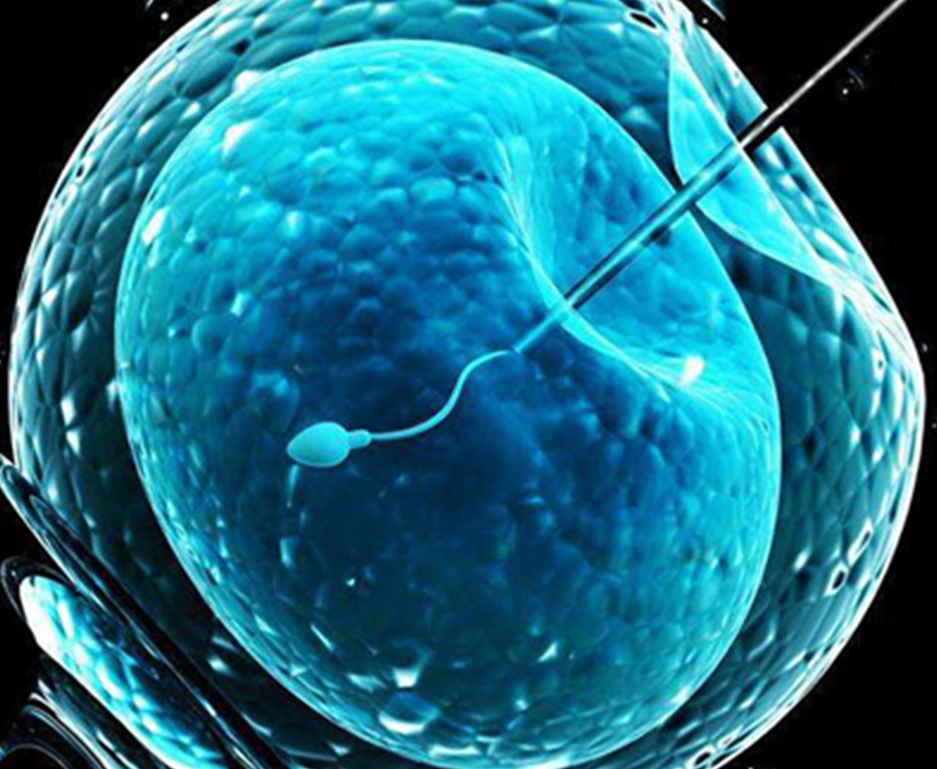
Because the retrieved sperm were immature and low in motility, the embryology team utilized ICSI to fertilize the donor eggs. A high fertilization rate was achieved, resulting in 12 blastocysts. PGT-A was performed, identifying seven euploid embryos. One embryo was subsequently transferred to their gestational surrogate after a synchronized endometrial preparation cycle. The transfer was successful, resulting in the birth of a healthy infant. This scenario demonstrates the efficacy of combining surgical sperm retrieval, donor oocytes, and ICSI to overcome complex reproductive barriers.
The complexity of IVF often gives rise to misconceptions that can negatively impact patient expectations and decision-making. Dispelling these myths is crucial for maintaining realistic perspectives and adhering to medically sound practices.
One of the most pervasive and damaging misconceptions is that IVF is a guaranteed cure for infertility. Even with the most advanced technology and euploid embryos, success is not absolute. Implantation is a complex biological process involving embryo-endometrium dialogue, immune factors, and vascularization. A chromosomally normal embryo may fail to implant due to subtle uterine receptivity issues or embryonic developmental arrest that genetic screening cannot detect. Patients must approach IVF with the understanding that it significantly improves the odds of conception but does not eliminate the uncertainty inherent in human reproduction.
Historically, women were advised to undergo strict bed rest for several days following an embryo transfer. Extensive clinical research has thoroughly debunked this practice. Studies comparing immediate resumption of normal activities to prolonged bed rest have shown no difference in implantation or live birth rates. In fact, prolonged bed rest can increase the risk of deep vein thrombosis and exacerbate anxiety. Clinics in 2026 universally advise patients to resume normal, low-impact activities immediately after the transfer, avoiding only strenuous exercise or high-impact sports until a pregnancy is confirmed.
In the early days of IVF, transferring multiple embryos was standard practice to increase the chances of at least one implanting. However, this approach dramatically increases the risk of multiple pregnancies (twins, triplets), which carry elevated risks of preeclampsia, gestational diabetes, premature birth, and low birth weight. Modern reproductive endocrinology strongly advocates for elective single embryo transfer (eSET), particularly when PGT-A confirms the embryo is euploid. Transferring one healthy embryo at a time nearly eliminates the risk of higher-order multiples while maintaining a cumulative pregnancy rate similar to double embryo transfers when subsequent frozen embryo transfers are accounted for.
The period leading up to an IVF cycle is critical for optimizing the biological environment for both partners. Lifestyle modifications can significantly impact egg quality, sperm parameters, and overall treatment outcomes. Clinics emphasize a holistic approach, integrating medical protocols with evidence-based nutritional and lifestyle interventions.
A Mediterranean-style diet, rich in anti-inflammatory foods, has been associated with improved IVF outcomes in numerous observational studies. Patients are encouraged to consume high amounts of fresh vegetables, fruits, whole grains, lean proteins (such as fish and poultry), and healthy fats (like olive oil and avocados). Conversely, diets high in trans fats, refined sugars, and processed carbohydrates may negatively impact ovarian function and implantation.
Supplementation plays a targeted role in preparation. Folic acid (at least 400 mcg daily) is universally recommended to prevent neural tube defects. For women with diminished ovarian reserve or advanced age, supplements like Coenzyme Q10 (Ubiquinol), DHEA, and Vitamin D are frequently suggested, though patients should only take these under strict medical supervision as dosages and indications vary. Men are often advised to take antioxidant supplements, such as Vitamin C, Vitamin E, and Zinc, to reduce sperm DNA fragmentation and improve motility.
The psychological toll of infertility is well-documented, often comparable to the stress experienced by patients with severe chronic illnesses. The hormonal fluctuations, financial pressure, and uncertainty of IVF can lead to significant anxiety and depression. Integrating mental health support into the fertility journey is not merely a luxury but a medical necessity. Patients are encouraged to engage with fertility counselors, join support groups, or practice mindfulness and meditation. Acupuncture has also been utilized by many patients to manage stress, though its direct impact on IVF success rates remains a subject of ongoing debate in the medical literature.
Endocrine-disrupting chemicals (EDCs) found in everyday products can interfere with reproductive hormones. Patients preparing for IVF should minimize exposure to bisphenol A (BPA), phthalates, and parabens. Practical steps include avoiding plastic food containers, especially when heating food, choosing BPA-free receipts, using glass or stainless steel water bottles, and selecting personal care products free of parabens and synthetic fragrances. Limiting caffeine intake to less than 200 mg per day (about one to two cups of coffee) and completely abstaining from alcohol and recreational substances are also standard clinical recommendations during ovarian stimulation and early pregnancy.
The success of an IVF cycle is heavily dependent on the ovarian stimulation protocol selected by the reproductive endocrinologist. There is no universal protocol; the choice is tailored to the patient's age, ovarian reserve markers (AMH, FSH, antral follicle count), and previous response to fertility drugs.
The antagonist protocol is the most widely utilized stimulation strategy in modern IVF. It involves the administration of gonadotropins (FSH and LH) starting on day 2 or 3 of the menstrual cycle. Once the leading follicles reach approximately 14 mm in diameter, a GnRH antagonist is added to prevent a premature luteinizing hormone (LH) surge, which could cause early ovulation. This protocol is favored for its shorter duration, lower risk of severe OHSS, and flexibility. It also allows for the use of a GnRH agonist (Lupron) trigger, which further reduces the risk of OHSS, particularly in patients with Polycystic Ovary Syndrome (PCOS) or high antral follicle counts.
Historically the standard, the long Lupron protocol involves down-regulating the pituitary gland with a GnRH agonist (Lupron) starting in the luteal phase of the preceding menstrual cycle. After suppression is confirmed, gonadotropins are initiated, and Lupron is continued at a lower dose. While this protocol offers precise control over the cycle and may yield a higher number of mature oocytes in some patients, it requires a longer treatment duration and higher medication doses. It is less commonly used as a first-line approach in 2026 but remains valuable for specific patient populations, such as those with endometriosis or a history of premature LH surges in previous cycles.
Minimal stimulation IVF utilizes lower doses of gonadotropins, often in combination with oral medications like Clomiphene or Letrozole, to achieve a smaller number of high-quality eggs. This approach aims to reduce medication costs and minimize the risk of OHSS. Mini-IVF is often recommended for patients with diminished ovarian reserve who produce few eggs regardless of the gonadotropin dose, or for patients who prefer a more natural, holistic approach. However, it typically yields fewer embryos for genetic testing and freezing, which may limit the cumulative success rate per retrieval.
The physical procedures of IVF—the egg retrieval and the embryo transfer—are critical milestones in the treatment cycle. Understanding the procedural details helps alleviate patient anxiety and ensures proper preparation.
The egg retrieval is a minor surgical procedure performed under conscious sedation or light anesthesia. The physician uses an ultrasound probe inserted into the vagina to visualize the ovaries. A specialized needle is guided through the vaginal wall directly into each ovarian follicle. Gentle suction is applied to aspirate the follicular fluid, which contains the oocyte. The procedure typically takes 20 to 30 minutes, depending on the number of follicles.
Post-procedure, patients may experience mild cramping, bloating, and light spotting. Severe pain, heavy bleeding, or fever are not normal and require immediate medical attention. The aspirated fluid is immediately passed to the embryology laboratory, where the embryologist locates the microscopic oocytes under a specialized microscope. The oocytes are then washed, placed in specialized culture media, and incubated in a controlled environment mimicking the conditions of the female reproductive tract.
The embryo transfer is a relatively simple, painless procedure that requires no anesthesia. It is often performed under transabdominal ultrasound guidance to ensure precise placement of the embryo within the uterine cavity. The physician inserts a very thin, flexible catheter through the cervix and into the uterus. The embryo, loaded into the catheter along with a tiny drop of culture medium, is deposited into the mid-uterine cavity.
The decision between a fresh and a frozen embryo transfer is a significant clinical consideration. In 2026, the vast majority of transfers are frozen (FET). This allows time for the patient's hormone levels to return to baseline after ovarian stimulation, which can adversely affect endometrial receptivity. Furthermore, it provides the necessary time for PGT-A results to be returned. Fresh transfers are generally reserved for patients without severe ovarian hyperstimulation risk and who opt out of genetic testing.
While IVF is generally safe, it is not without medical risks. Clinics prioritize patient safety through careful monitoring and preventative protocols, but patients must be fully informed of potential complications.
OHSS is a potentially serious complication characterized by enlarged ovaries, fluid accumulation in the abdomen, and in severe cases, fluid in the chest, shortness of breath, and blood clots. It is triggered by the hCG trigger shot used to mature the eggs. Risk factors include PCOS, high antral follicle counts, young age, and high estradiol levels during stimulation.
Modern protocols have drastically reduced the incidence of severe OHSS. The use of GnRH agonist triggers in antagonist protocols effectively matures the eggs while rapidly clearing the stimulating hormones from the body. Additionally, clinics may prescribe a "freeze-all" strategy, where all embryos are cryopreserved and the transfer is delayed until the ovaries have fully recovered, completely preventing pregnancy-associated OHSS.
Carrying twins or higher-order multiples significantly increases the risk of obstetric complications. These include preeclampsia, gestational diabetes, placental abruption, and the need for premature delivery. Premature infants face risks of respiratory distress syndrome, intraventricular hemorrhage, and long-term developmental delays. The strict adherence to eSET is the primary mechanism for reducing these risks, shifting the focus from achieving a pregnancy at any cost to achieving a healthy, full-term singleton pregnancy.
Although the embryo is placed directly into the uterine cavity during IVF, there is still a small risk (approximately 2-5%) of an ectopic pregnancy, where the embryo implants outside the uterus, most commonly in the fallopian tubes. This risk is higher in patients with a history of pelvic inflammatory disease or tubal factor infertility. Early monitoring via serial hCG blood tests and an early ultrasound at 6 weeks of gestation ensures prompt diagnosis and management of this potentially life-threatening condition.
The field of reproductive endocrinology continues to push the boundaries of science. Research currently underway promises to further refine IVF outcomes and expand the possibilities for family building.
In vitro gametogenesis (IVG) is an experimental technology that involves creating sperm or eggs from pluripotent stem cells. While still in the early stages of research and not available for clinical use, IVG holds the potential to revolutionize fertility treatment, allowing individuals who cannot produce viable gametes—such as those who have undergone chemotherapy or menopause—to conceive genetically related children. Additionally, research into artificial wombs (ectogenesis) is progressing, though it remains highly experimental and raises complex ethical questions.
Another area of intense focus is the endometrial microbiome. Studies have revealed that the presence of certain bacteria, particularly Lactobacillus species, in the uterine cavity is associated with higher implantation rates. Dysbiosis, or an imbalance in the endometrial flora, may contribute to recurrent implantation failure. Probiotic therapies and targeted antibiotic treatments are being investigated to optimize the uterine environment before embryo transfer, adding another layer of personalized medicine to the IVF process.
Deciding to pursue IVF is a significant step. The timing of the initial consultation can impact the trajectory of treatment. General guidelines suggest that women under 35 should consult a fertility specialist after one year of unprotected intercourse without conception. Women aged 35 to 39 should seek evaluation after six months, and women 40 and older, or those with known risk factors such as PCOS, endometriosis, or a history of pelvic surgery, should consult a specialist immediately.
Preparing for the first consultation ensures a productive appointment. Patients should gather all relevant medical records, including prior semen analyses, hysterosalpingograms (HSG), and records of any previous fertility treatments. A comprehensive list of current medications and family medical history is also necessary. During the consultation, the reproductive endocrinologist will review the history, order baseline fertility testing (Day 3 FSH, Estradiol, AMH, and an antral follicle count ultrasound), and outline a preliminary treatment plan.
Patients should come prepared with questions regarding the clinic's success rates, the proposed stimulation protocol, the total estimated costs, and the availability of financial programs. Establishing clear, open communication with the medical team is the foundation of a successful IVF journey. By understanding the technologies, costs, and clinical processes involved in American IVF clinics in 2026, patients can navigate the complexities of fertility treatment with confidence and clarity, maximizing their chances of achieving a healthy pregnancy and a successful live birth.