News Center
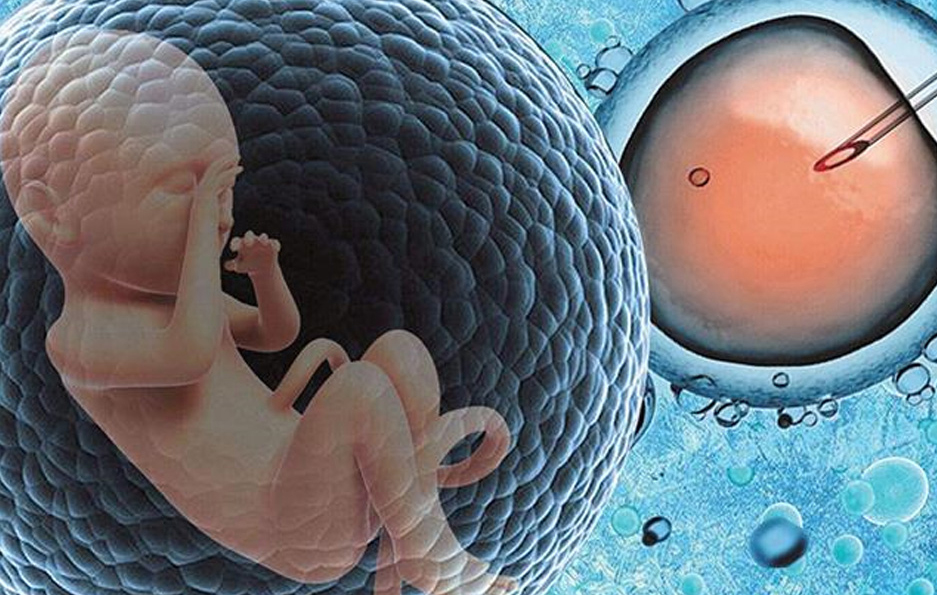
In vitro fertilization (IVF) has become one of the most sought-after fertility treatments in the United States, and by 2026 the landscape of American reproductive medicine looks markedly different from even a few years ago. Advances in embryo genetic testing, time-lapse embryo monitoring, AI-assisted embryo selection, and refined ovarian stimulation protocols have pushed live birth rates higher while reducing complications such as ovarian hyperstimulation syndrome. At the same time, treatment costs continue to rise, insurance coverage has expanded in many states, and patients from around the world increasingly look to U.S. fertility centers for their care. Understanding which clinics offer strong outcomes, what treatment actually costs in 2026, and how to evaluate a program before committing your time, money, and emotional energy is essential for anyone considering IVF in America.
The United States continues to attract patients seeking fertility care for several reasons. First, the regulatory environment allows reproductive endocrinologists to offer a broader range of laboratory techniques than many countries permit, including extended embryo culture to the blastocyst stage, comprehensive chromosome screening of embryos, and elective single embryo transfer as a standard of care. Second, the Society for Assisted Reproductive Technology (SART) publishes verified clinic-by-clinic outcome data, giving patients an unusual degree of transparency when comparing programs. Third, American embryology laboratories have invested heavily in quality systems, air filtration, incubator technology, and cryopreservation methods such as vitrification, all of which contribute to consistent results.
By 2026, several trends have reshaped the patient experience. Preimplantation genetic testing for aneuploidy (PGT-A) is now offered in the majority of cycles at leading centers, particularly for patients over 35. Frozen embryo transfer has largely replaced fresh transfer in many programs because research shows comparable or better outcomes with lower risk. Artificial intelligence tools that grade embryos and predict implantation potential have moved from research settings into routine laboratory use at larger networks. Telemedicine consultations, at-home blood draws, and local monitoring partnerships mean that patients no longer need to remain near the clinic for the entire stimulation phase, which has made cross-country and international care far more practical.
Before comparing clinics, patients need to understand how success is measured. SART and the CDC report outcomes by the patient's age at the time of egg retrieval and by whether the cycle used the patient's own eggs. Headline numbers can be misleading if taken out of context.
| Age at Retrieval | Approximate Live Birth Rate per Transfer (Own Eggs) | Key Considerations |
|---|---|---|
| Under 35 | 50–65% | Highest success; single embryo transfer is standard to avoid multiples |
| 35–37 | 40–50% | Genetic testing often recommended |
| 38–40 | 25–35% | Aneuploidy rates rise sharply; may need multiple cycles |
| 41–42 | 10–20% | Diminished ovarian reserve is common; cumulative outcomes matter more than single-cycle rates |
| Over 42 | Under 10% | Counseling on realistic expectations and alternatives is essential |
These figures describe averages across many programs. Individual results depend heavily on ovarian reserve markers such as anti-Müllerian hormone (AMH) and antral follicle count, sperm parameters, uterine factors, body weight, lifestyle factors, and the specific protocol used. A responsible clinic will give you personalized estimates rather than quoting its best-case statistics.
Cost is one of the most important and most misunderstood aspects of American fertility care. Prices vary widely by region, by clinic, and by what is included in a quoted package. Patients who budget only for the base IVF fee are often surprised by how quickly add-ons accumulate.
| Cost Component | Typical 2026 Price Range (USD) | Notes |
|---|---|---|
| Base IVF cycle (monitoring, egg retrieval, fertilization, embryo culture, transfer) | $12,000 – $18,000 | Excludes medications; some centers bundle monitoring |
| Fertility medications (stimulation, trigger, luteal support) | $3,000 – $7,000 | Higher with high-dose protocols; pharmacy choice affects price |
| ICSI (intracytoplasmic sperm injection) | $1,500 – $2,500 | Standard in many programs, especially with male factor |
| PGT-A (embryo genetic screening) | $2,000 – $4,500 | Priced per embryo or per batch depending on the lab |
| Frozen embryo transfer (FET) | $3,500 – $6,000 | Often billed separately from the retrieval cycle |
| Egg or embryo freezing and annual storage | $500 – $1,200 per year | First year sometimes included in the freeze cycle |
| Anesthesia for retrieval | $600 – $1,500 | Sometimes bundled, sometimes not |
| Additional testing (hysteroscopy, endometrial receptivity, sperm DNA fragmentation) | $500 – $3,000 | Ordered selectively based on history |
Adding these together, a complete cycle with genetic testing and a frozen transfer typically costs $20,000 to $30,000 in 2026, and patients planning for more than one attempt should budget accordingly. Many reproductive endocrinologists now discuss cumulative live birth rates over two to three cycles rather than promising success from a single attempt, because that framing reflects real-world experience more honestly.
Geography matters. IVF in the New York metropolitan area and parts of California tends to be priced at the high end of the national range, while programs in the Midwest, the Mountain West, and parts of the South often charge 15 to 30 percent less for comparable services. However, the lowest-priced program is not automatically the best value. A cycle at a center with strong laboratory performance and transparent pricing may deliver better results per dollar than a cheaper program with weaker outcomes. Patients traveling from abroad should also factor in flights, accommodation during key monitoring windows, and the cost of local monitoring that can be done near home.
Insurance coverage for IVF has expanded significantly. As of 2026, more than twenty states have some form of fertility coverage mandate, and a growing number of large employers offer fertility benefits through specialized benefit managers. Coverage varies enormously: some plans cover diagnostic testing but not treatment, others cover a defined number of cycles, and a few comprehensive plans cover IVF including medications. Patients should request a written summary of benefits and ask specifically about:
For patients paying out of pocket, most major clinics offer multi-cycle refund programs, shared-risk plans that return a portion of fees if treatment is unsuccessful, and financing through third-party lenders. Discounted medication programs and pharmacy coupons can reduce drug costs by hundreds or thousands of dollars, so it is worth asking the clinic's financial counselor for a full cost projection before starting.
Choosing where to undergo IVF is a decision that deserves the same rigor as choosing a surgeon for a major operation. The following framework helps patients compare programs objectively rather than relying on advertising or word of mouth alone.
The embryology laboratory is the heart of any IVF program. Ask whether the lab is certified by the College of American Pathologists (CAP) and accredited by SART, whether it performs all advanced procedures on site (ICSI, embryo biopsy, vitrification), and what its fertilization rate, blastocyst development rate, and survival rate after thawing are. Labs that culture embryos to day five or six and achieve high blastocyst rates generally indicate strong technique and equipment.
Use the SART database and CDC ART reports to check live birth rates for your specific age group and diagnosis. Compare several clinics in your region or price range rather than fixating on a single number. Remember that a clinic serving many patients with complex diagnoses may show lower headline rates while offering deeper expertise for your particular situation.
Look for board-certified reproductive endocrinologists (REIs) who have completed fellowship training in reproductive endocrinology and infertility. Consider how many physicians are in the practice, who will actually perform your retrieval and transfer, and how accessible the doctor is during treatment. A program where you always see the same physician can be valuable for continuity; a large network may offer more scheduling flexibility and shorter waits.
Fertility treatment involves frequent monitoring visits, medication adjustments, and emotionally difficult moments. Evaluate how quickly the clinic responds to questions, whether it offers dedicated nurse coordinators, and whether counseling or mental health support is available. Many patients report that the quality of communication predicted their satisfaction more accurately than the final outcome did.
Request an itemized estimate for your anticipated treatment plan, including medications, testing, and potential frozen transfers. Ask what happens financially if a cycle is cancelled before retrieval, if no embryos survive to blastocyst, or if additional monitoring is needed. Clinics that answer these questions clearly and in writing tend to be more reliable partners throughout treatment.
The United States has more than 450 SART-member clinics, ranging from small boutique practices to large national networks. The following established programs are frequently discussed by patients and referring physicians. Descriptions are factual and comparative rather than promotional; the right choice depends on your location, diagnosis, budget, and personal preferences.
With locations across Southern California including Encino, Pasadena, Newport Beach, and San Diego, HRC Fertility is one of the larger West Coast networks and has long served a substantial international patient population. The program offers the full range of assisted reproductive technologies, on-site genetics laboratories, and experience coordinating care for patients who travel for treatment, including remote monitoring arrangements with local providers. Its California setting is convenient for patients from the Pacific region and East Asia, and the network publishes cycle data through SART for transparency.
Headquartered in the Washington, D.C. and Baltimore region with dozens of offices across Maryland, Virginia, Pennsylvania, Georgia, Florida, and other states, SGF is among the highest-volume fertility networks in the country. High volume brings advantages: extensive experience across diagnoses, robust quality-control systems, and multiple financial programs including shared-refund options. The network has a long track record in both standard IVF and complex cases, and its size allows patients to receive monitoring close to home while undergoing procedures at a regional center.
Based in the Denver area with partner centers in several other states, CCRM is known for its emphasis on laboratory science and research. The original Colorado program built its reputation on blastocyst culture, embryo genetic testing, and published clinical studies, and the network has extended its laboratory protocols to partner sites. Patients with prior failed cycles or complex diagnoses often seek second opinions here, and the program is active in clinical research, which can provide access to emerging technologies under study.
RMA, with flagship programs in New Jersey and New York and affiliated centers across the country, pioneered the shift toward single embryo transfer and comprehensive chromosome screening in the United States. The network has contributed heavily to the scientific literature on elective single embryo transfer, vitrification, and time-lapse imaging. Its New Jersey laboratories are among the highest-volume in the nation, and the program's data-driven culture appeals to patients who want treatment decisions grounded in published evidence.
Other respected programs exist in virtually every major American city, including academic medical center-based IVF units associated with major universities. For patients who value integration with high-risk obstetrics, genetic counseling, and multidisciplinary care, an academic hospital-affiliated program can be an excellent fit. The most important step is comparing two or three programs against the evaluation framework above rather than assuming that any single name guarantees results.
Treatment begins with a comprehensive evaluation of both partners. Typical testing includes AMH and day-3 hormone levels, antral follicle count by ultrasound, hysterosalpingogram or saline infusion sonogram to assess the uterine cavity, infectious disease screening, and semen analysis with possible DNA fragmentation testing. Many clinics now offer virtual first consultations, followed by local labs and imaging, so the workup can often be completed within two to four weeks.
Stimulation protocols typically run eight to fourteen days and involve injectable gonadotropins, with monitoring visits every two to three days to track follicle growth and hormone levels. In 2026, protocols are more individualized than ever: low-dose or minimal stimulation approaches for patients at risk of overresponse, dual suppression and luteal-phase start protocols for patients with diminished reserve, and adjuvants tailored to specific situations. At-home monitoring through smartphone-connected devices and local lab partnerships has reduced the number of required clinic visits for traveling patients.
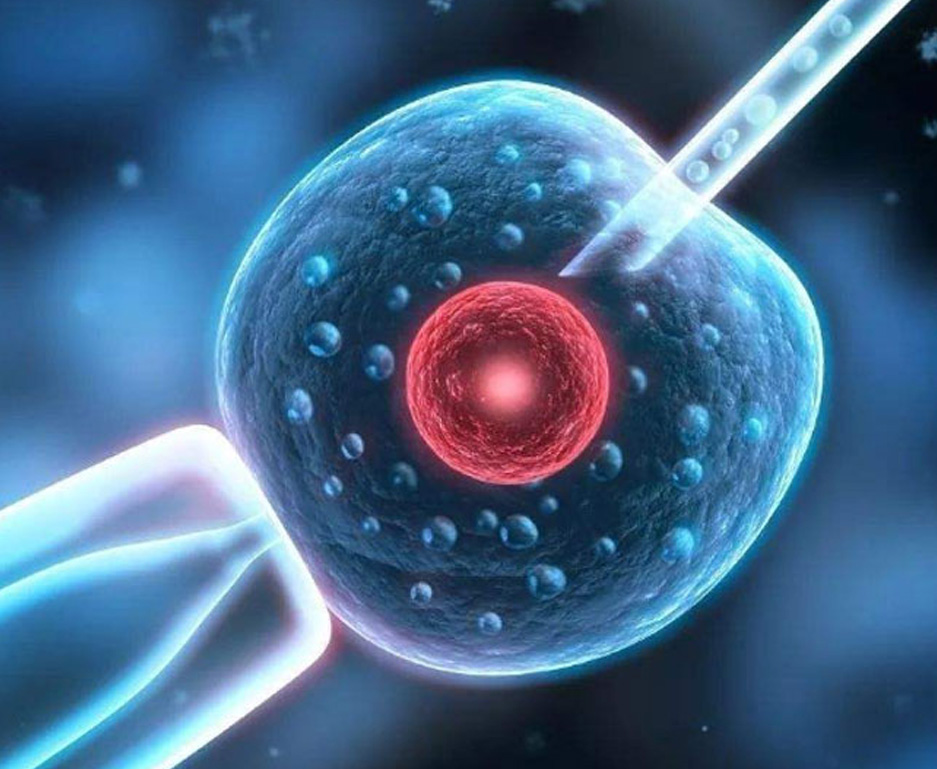
Retrieval is a short outpatient procedure performed under light sedation, usually lasting fifteen to twenty minutes with recovery of one to two hours. Embryologists fertilize the eggs by conventional insemination or ICSI depending on sperm parameters, then culture embryos for five to six days to the blastocyst stage. Time-lapse incubators allow continuous observation without disturbing the cultures, and AI-based grading systems assist embryologists in identifying embryos with the highest implantation potential.
When PGT-A is performed, a small biopsy is taken from the embryo at the blastocyst stage and sent to a genetics laboratory, with results typically available in one to three weeks. Embryos are vitrified while testing proceeds. The transfer itself is scheduled in a subsequent cycle, often using a carefully timed hormone preparation, though some programs offer natural-cycle transfers for patients with regular ovulation. The transfer procedure is painless for most patients and requires no anesthesia.
The interval between transfer and the first pregnancy blood test remains one of the most emotionally challenging phases of treatment. Reputable clinics provide realistic guidance about symptoms (or lack of them), encourage patients to maintain normal routines, and offer access to counseling. A positive blood test is followed by repeat hormone checks and an ultrasound at approximately six to seven weeks to confirm a heartbeat, at which point care transitions to a regular obstetrician around ten to twelve weeks.
A 36-year-old patient with two years of unexplained infertility and one failed intrauterine insemination cycle consulted a large U.S. fertility network in early 2025. Her AMH was 1.8 ng/mL and her husband's semen analysis was normal. After completing her diagnostic workup, she underwent a two-cycle plan: the first retrieval produced nine eggs, six mature, and three blastocysts, of which two were chromosomally normal after genetic screening. Her physicians transferred one tested embryo in a frozen cycle, and she delivered a healthy daughter in 2026. Her total out-of-pocket cost, after partial employer insurance coverage, was approximately $19,000. Her case illustrates three practical lessons: cumulative planning across cycles reduces pressure on any single attempt, genetic testing can shorten the path to a live birth for patients in their mid-thirties, and insurance benefits are worth pursuing aggressively before paying entirely out of pocket.
Price and outcomes correlate loosely at best. Some of the strongest programs charge mid-range fees, while some boutique clinics with luxury service charge premium prices without superior laboratory performance. Judge clinics on verified data, laboratory quality, and physician credentials.
Decades of follow-up research show that children conceived through IVF grow and develop comparably to other children. The slight increases in certain pregnancy complications observed in some studies are largely attributable to underlying infertility and multiple pregnancies, and the widespread adoption of single embryo transfer has substantially reduced multiples.
Large long-term studies have not established a causal link between fertility medications and ovarian cancer. Temporary bloating and weight fluctuation during stimulation are common and resolve after the cycle; sustained significant weight gain is not a typical medication effect.
Many patients do succeed within one or two cycles, but a substantial proportion require three or more. Discussing cumulative probability with your physician before starting prevents discouragement later and allows realistic financial planning.
Bed rest has not been shown to improve implantation and may increase discomfort and anxiety. Normal daily activity, moderate movement, and stress management are reasonable and supported by evidence.
Fertility treatment is a marathon, not a sprint. Studies consistently show elevated stress and anxiety among patients undergoing IVF, and while stress does not appear to directly cause treatment failure, managing it improves quality of life and treatment adherence. Practical strategies include setting boundaries around fertility conversations with family and friends, scheduling enjoyable activities during the treatment window, joining a moderated support group, and considering sessions with a mental health professional experienced in reproductive issues. Many clinics now employ or refer to fertility counselors as a standard part of care.
Not everyone pursuing IVF in 2026 is trying to conceive immediately. Elective egg freezing has grown into a major service line at American clinics, with improved vitrification techniques producing survival rates above 90% at quality laboratories. Patients facing medical treatments that threaten fertility — such as chemotherapy for cancer — can also pursue urgent preservation, and many centers expedite these cases within days. For anyone considering delaying childbearing, a baseline AMH test and antral follicle count in the late twenties or early thirties provides valuable information for planning, even if no immediate action follows. Preventive gynecological care, prompt treatment of pelvic infections, and management of conditions like endometriosis and polycystic ovary syndrome all protect long-term fertility and are worth discussing with a gynecologist well before treatment is needed.
General guidance recommends evaluation after twelve months of unprotected intercourse without conception for women under 35, and after six months for women 35 and older. Immediate evaluation is warranted regardless of duration for known risk factors: irregular or absent periods, severe menstrual pain suggesting endometriosis, a history of pelvic infection or ectopic pregnancy, prior cancer treatment, recurrent miscarriage, or known male factor issues. Seeking help early does not commit a patient to IVF; many diagnoses are treatable with simpler interventions, and a thorough evaluation clarifies all options. When IVF is indicated, earlier treatment generally offers better results, particularly for patients with declining ovarian reserve.
Cross-border patients face additional logistical considerations in 2026, though telemedicine has simplified much of the process. A typical pathway looks like this:
International patients should budget for the medical costs described above plus travel, lodging, and local monitoring. Many West Coast and East Coast programs have dedicated international coordinators who arrange this sequence, and choosing a clinic with such infrastructure reduces friction considerably. Verifying that the clinic can provide records in your home country's required format is a small step that prevents significant complications later.
From the start of ovarian stimulation to the pregnancy test, a fresh cycle takes roughly four to six weeks. With genetic testing and a frozen transfer, the complete journey typically spans two to three months. Add the initial consultation and workup, and patients should plan for three to four months from first contact to a completed transfer cycle.
Injectable medications cause mild discomfort at injection sites. Egg retrieval is performed under sedation and is generally not painful, though cramping afterward is common. Embryo transfer is usually painless. Most patients describe the physical demands as manageable; the emotional demands are typically harder.
Most patients continue working throughout treatment. Monitoring visits require short morning appointments, and one to two days of rest after retrieval is common. Planning flexibility with your employer reduces stress, though disclosure is a personal choice.
For most patients under 38 with good-quality embryos, single embryo transfer is the standard of care, offering nearly the same cumulative live birth chance as double transfer while avoiding the substantial risks of twin pregnancy. Transferring more than one embryo is now reserved for specific situations after individualized counseling.
Patients can store embryos cryogenically for future use, typically at an annual fee, or later direct their disposition according to options discussed and documented in advance with the clinic. Decisions about long-term storage should be made thoughtfully and revisited periodically.
Complete coverage exists but is uncommon outside certain large-employer plans and states with strong mandates. More often, insurance covers diagnostics, some medications, or a limited number of cycles. Written confirmation of benefits before starting is essential, and clinics' financial counselors can usually run a verification within a few business days.
American IVF in 2026 offers patients a combination of scientific sophistication, verified transparency, and expanding access that few countries can match. The strongest outcomes come not from chasing the most famous name or the lowest price, but from matching your specific medical situation, budget, and logistical needs to a program whose data, laboratory, and communication style you have personally verified. Take time to compare at least two or three clinics, request itemized pricing in writing, confirm your insurance position, and enter treatment with a realistic multi-cycle plan and a support system in place. Fertility medicine cannot promise a child to any individual, but for the majority of patients who persist through a well-designed treatment plan, the odds in 2026 are better than they have ever been.
This article is for general educational purposes only and does not constitute medical advice, diagnosis, or treatment recommendations. Success rates and prices are approximate ranges based on publicly reported industry data and vary by individual circumstances, clinic, and region. Always consult a board-certified reproductive endocrinologist and verify current clinic statistics through the SART and CDC reporting systems before making treatment decisions.