News Center
Premature Ovarian Failure (POF), also known as Primary Ovarian Insufficiency (POI), is a complex reproductive disorder characterized by the depletion or dysfunction of ovarian follicles before the age of 40. Affecting approximately 1% of women globally, POF poses significant challenges to fertility, emotional well-being, and quality of life. In the United States, advancements in In Vitro Fertilization (IVF) have emerged as a critical avenue for women with POF seeking to conceive. This article explores the intersection of POF and IVF in the American healthcare landscape, examining diagnostic trends, treatment modalities, technological innovations, and the holistic support systems that shape patient outcomes.
POF is diagnosed when a woman experiences amenorrhea for at least four months, accompanied by elevated follicle-stimulating hormone (FSH) levels (>40 IU/L) on two separate occasions. While the exact etiology remains multifactorial, genetic predispositions (e.g., BRCA mutations, Fragile X premutation), autoimmune disorders (e.g., thyroiditis, Addison’s disease), and environmental factors (e.g., chemotherapy, radiation, smoking) are recognized contributors. In the U.S., delayed childbearing trends have amplified the impact of POF, as more women discover their condition during their peak reproductive years.
The psychological toll of POF is profound. Studies indicate that women with POF often experience anxiety, depression, and grief related to infertility and the loss of reproductive autonomy. This emotional burden underscores the need for comprehensive care that addresses both physical and mental health.
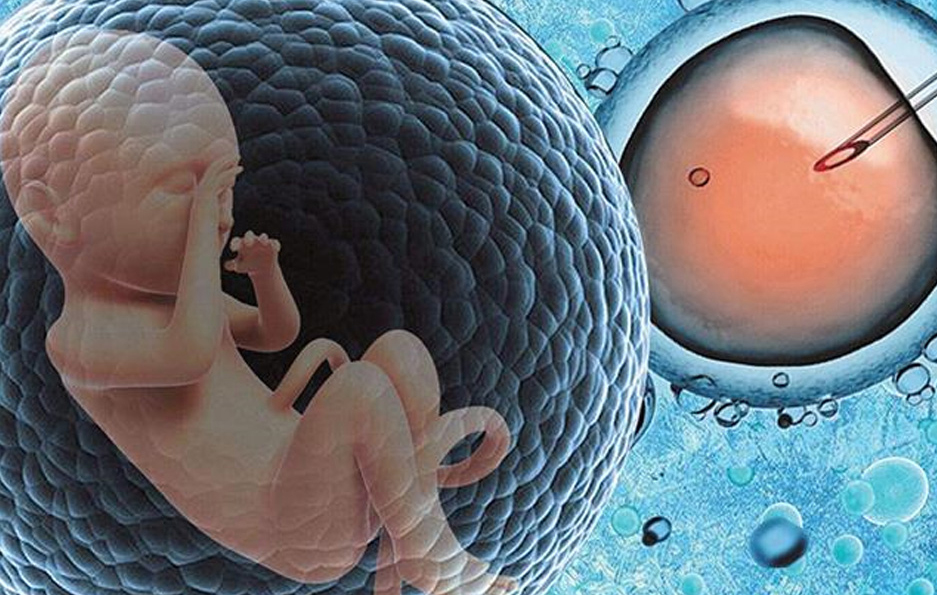
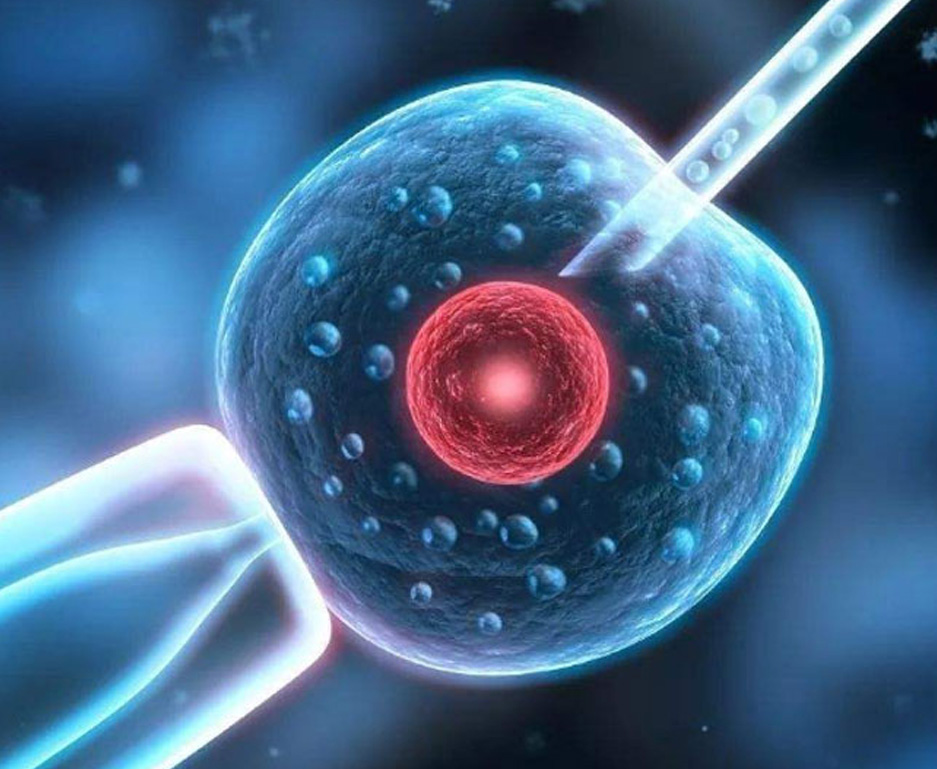
For women with POF, IVF remains the most viable path to pregnancy, though its success depends on the stage of ovarian dysfunction. Unlike traditional IVF, which relies on a woman’s own eggs, POF cases often require egg donation. The American Society for Reproductive Medicine (ASRM) reports that egg donation cycles for POF patients have a live birth rate of approximately 50-60% per transfer, significantly higher than other fertility treatments for this population.
Ovarian Stimulation Challenges: In rare cases where residual ovarian function exists, controlled ovarian hyperstimulation (COH) may be attempted. However, POF patients typically exhibit poor response to gonadotropins, leading to low follicular yield. Recent protocols, such as the “mild stimulation” approach using aromatase inhibitors, aim to minimize ovarian stress while optimizing egg quality, though outcomes remain variable.
Egg Donation Dynamics: The U.S. egg donation system is highly regulated, with strict guidelines on donor screening, informed consent, and compensation. Donor-recipient matching considers factors like age, genetic background, and physical characteristics, ensuring ethical and personalized care. The rise of egg banks has also expanded access, allowing patients to select frozen donor eggs, reducing the need for fresh donor cycles and associated logistical challenges.
Advancements in reproductive technology have significantly improved IVF outcomes for POF patients. Time-lapse embryo monitoring, for instance, enables continuous observation of embryo development, allowing embryologists to select the most viable candidates for transfer. Additionally, preimplantation genetic testing (PGT) has become a standard tool, reducing the risk of genetic disorders and increasing implantation rates.
Cryopreservation Breakthroughs: Vitrification, a rapid freezing technique, has revolutionized egg and embryo storage. For POF patients, this means the ability to preserve donor eggs or embryos for future use, offering flexibility in treatment timing and reducing the emotional pressure of immediate cycles.
Stem Cell Research: Emerging research into ovarian stem cells holds promise for POF treatment. Studies exploring the activation of dormant follicles through stem cell therapy are in early stages, but preliminary results suggest potential for restoring ovarian function. While not yet clinically available, these innovations could redefine POF management in the coming decade.
IVF accessibility for POF patients in the U.S. is influenced by insurance coverage, geographic location, and socioeconomic status. While some states mandate fertility treatment coverage, many patients face significant out-of-pocket costs, with egg donation cycles averaging 30,000. This financial barrier disproportionately affects low-income women, highlighting the need for policy reforms and expanded insurance benefits.
Patient Advocacy and Support: Organizations like the National Infertility Association (Resolve) and POI Awareness Association play a crucial role in connecting patients with resources, support groups, and financial assistance programs. These networks empower women to navigate the complex healthcare system and advocate for their reproductive rights.
Successful IVF outcomes for POF patients extend beyond medical intervention. Holistic care models integrate mental health support, nutritional counseling, and stress management techniques to optimize overall well-being. Mind-body practices such as yoga, meditation, and acupuncture are increasingly recognized for their role in reducing anxiety and improving treatment adherence.
Partner and Family Involvement: The emotional impact of POF extends to partners and families. Couples counseling and support groups provide a space for open communication, helping to strengthen relationships during the fertility journey. Education about POF and IVF also fosters understanding among loved ones, creating a supportive environment for patients.
The future of IVF for POF in the U.S. hinges on continued research and policy advocacy. Ongoing clinical trials are investigating novel ovarian stimulation protocols, immunomodulatory therapies, and gene-editing technologies to address the root causes of POF. Policy efforts focused on expanding insurance coverage, regulating egg donation practices, and funding fertility research are essential to ensuring equitable access to care.
For women with Premature Ovarian Failure, IVF represents not just a medical procedure, but a pathway to parenthood and empowerment. In the United States, advancements in technology, coupled with a growing emphasis on holistic care, are transforming outcomes for this patient population. As research progresses and access improves, the future holds promise for even greater success rates and enhanced quality of life for women navigating POF and infertility.
By prioritizing innovation, advocacy, and patient-centered care, the American healthcare system can continue to lead in reproductive medicine, offering hope to those affected by POF and reaffirming the right to parenthood for all.