News Center
For many individuals and couples exploring fertility treatment in 2026, the United States remains one of the most discussed destinations for in vitro fertilization. The appeal comes from a combination of advanced laboratory technology, broad treatment options, relatively transparent regulatory practices, and a wide network of reproductive medicine centers spread across major metropolitan areas. At the same time, the question that nearly every patient asks first is deceptively simple: how much does IVF actually cost in America, and how do you choose a fertility clinic that fits your medical situation, budget, and expectations? The honest answer is that pricing varies enormously, outcomes depend heavily on individual factors such as age and ovarian reserve, and the "right" clinic is rarely the one with the loudest advertising. This guide walks through the real financial landscape of IVF in the United States in 2026, explains what drives cost differences, compares several well-known reproductive medicine centers, and offers practical advice on preparation, treatment logistics, and avoiding common pitfalls.
The United States has one of the most developed assisted reproductive technology markets in the world. According to data trends reported through the CDC's National ART Surveillance System and the Society for Assisted Reproductive Technology (SART), hundreds of thousands of IVF cycles are performed annually, and that number continues to grow as more patients delay childbearing and as treatment success rates improve. By 2026, several clear trends shape the patient experience:
Understanding these trends helps explain why the cost conversation in 2026 is more nuanced than a single price tag. A quoted "IVF price" of $15,000 and a quoted price of $35,000 may both be accurate — they simply describe different packages, different medication protocols, and different levels of genetic testing.
The single most common mistake patients make is comparing base cycle prices without accounting for the full scope of expenses. Below is a realistic breakdown of what a complete IVF journey in the U.S. typically costs in 2026.
The core cycle fee covers monitoring appointments, ultrasound scans, bloodwork, the egg retrieval procedure, embryology laboratory work, fertilization, embryo culture, and the embryo transfer itself. In 2026, base cycle fees at most established American fertility centers range from approximately $12,000 to $25,000. Clinics in high-cost metropolitan areas such as Manhattan, the San Francisco Bay Area, and parts of Los Angeles tend to sit at the upper end of that range, while centers in the Midwest, the South, and suburban markets often charge less.
Medication is the expense that most frequently surprises first-time patients. Ovarian stimulation drugs — including gonadotropins such as Follistim, Gonal-F, Menopur, and trigger medications — typically cost between $3,000 and $8,000 per cycle, depending on dosage, which is driven by age, ovarian reserve (AMH and antral follicle count), and the chosen protocol. Patients with diminished ovarian reserve or those undergoing certain protocols may need higher doses and therefore face higher pharmacy bills. Some patients reduce this cost by using pharmacy discount programs, comparing specialty fertility pharmacies, or asking their clinic about manufacturer savings offers where eligible.
PGT-A screening of embryos for chromosomal normality generally costs $2,500 to $6,000 depending on the number of embryos biopsied. If both partners carry a known genetic condition, PGT-M adds further laboratory fees, often in the range of several thousand dollars more for probe development and testing. PGT-A is not mandatory, and for younger patients with excellent embryo quality, some physicians recommend transferring without screening; for patients 38 and older, most reproductive endocrinologists in the U.S. now consider it a reasonable investment because it can reduce miscarriage risk and shorten time to a live birth.
When embryos are frozen and transferred in a separate cycle — now the dominant approach at many centers — the FET itself typically costs $3,000 to $6,000, covering endometrial monitoring, medication, thawing, and the transfer procedure. Some clinics bundle a fresh cycle plus one frozen transfer into a package; others bill each component separately, so it is essential to ask for an itemized quote.
Cryopreservation fees usually run $500 to $1,500 for the initial freezing, plus annual storage of roughly $500 to $1,200 per year. Patients planning multiple children or needing to delay transfer for medical reasons should budget for several years of storage.
Before any cycle begins, expect to pay for diagnostic workup: $1,500 to $4,000 covering hormonal panels (FSH, AMH, estradiol), infectious disease screening, uterine evaluation (saline infusion sonography or hysteroscopy), semen analysis, and consultation fees. Some clinics credit the consultation fee toward treatment if the patient proceeds with a cycle.
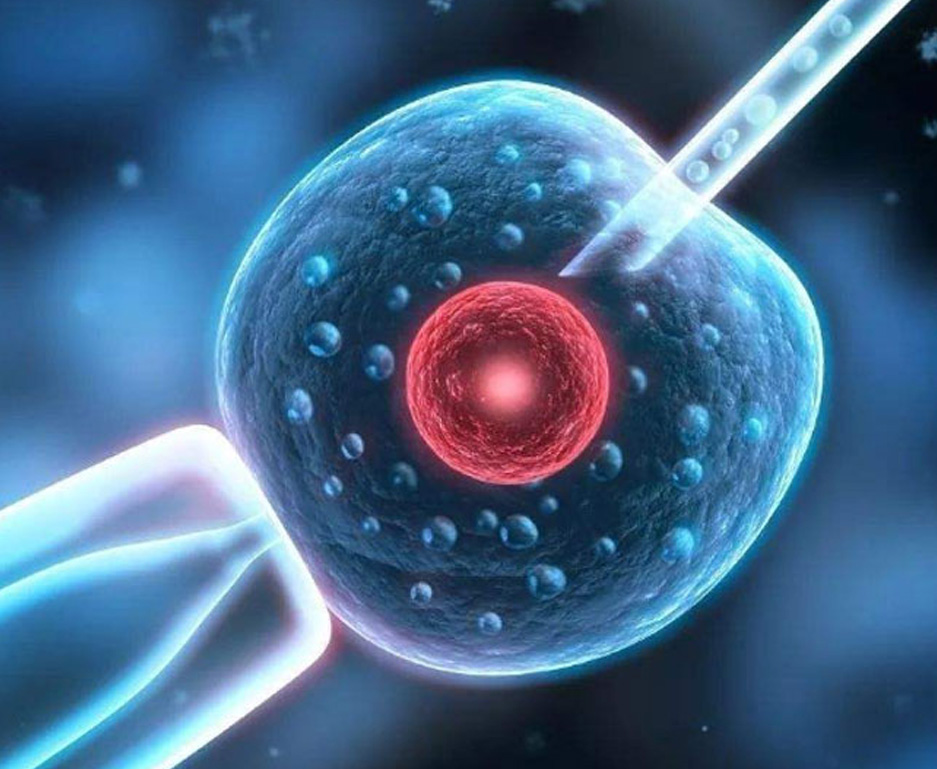
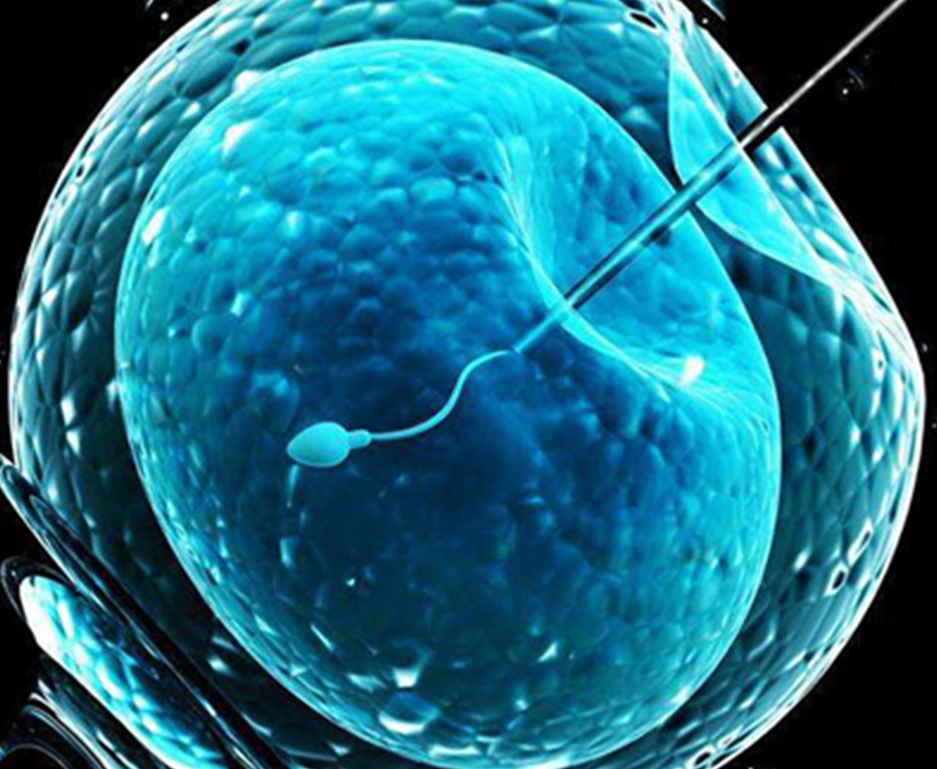
ICSI, in which a single sperm is injected directly into an egg, is used in the majority of U.S. cycles today, especially in cases of male factor infertility or when PGT is planned. It typically adds $1,500 to $3,000. Assisted hatching, where offered, adds a smaller fee of a few hundred to around $1,000.
| Cost Component | Typical Range (USD) | Notes |
|---|---|---|
| Initial diagnostics and workup | $1,500 – $4,000 | Sometimes credited toward a cycle |
| Base IVF cycle (retrieval + lab + transfer) | $12,000 – $25,000 | Higher in NYC, Bay Area, LA |
| Stimulation medications | $3,000 – $8,000 | Dose-dependent; age matters |
| ICSI | $1,500 – $3,000 | Standard in many protocols |
| PGT-A genetic screening | $2,500 – $6,000 | Per-embryo or tiered pricing |
| Frozen embryo transfer cycle | $3,000 – $6,000 | Sometimes bundled |
| Embryo freezing + annual storage | $500 – $1,500 + $500 – $1,200/yr | Multi-year storage common |
| Realistic total (one complete journey) | $25,000 – $45,000 | With PGT and one FET |
Patients should also remember that a single retrieval rarely equals a single attempt at pregnancy. Many patients need more than one transfer to achieve a live birth, and some need more than one retrieval, particularly after age 38. Budgeting for the full journey — not just the first cycle — is one of the most important pieces of financial planning advice any fertility counselor can offer.
Insurance coverage for IVF in America remains uneven. As of 2026, more than twenty states have some form of fertility insurance mandate, but the scope varies dramatically. States such as Illinois, New Jersey, Massachusetts, New York, Connecticut, Maryland, Colorado, Delaware, and California have laws requiring certain employer-sponsored plans to cover fertility services — with California's 2024 expansion requiring coverage for larger group plans and New York mandating IVF coverage in fully insured large-group plans. However, self-funded employer plans (which cover the majority of insured Americans) are exempt from state mandates, meaning coverage depends on the specific employer's benefits design.
Practical steps for checking coverage:
With hundreds of clinics across the country, selection can feel overwhelming. Rather than relying on advertising or anecdotal online reviews, patients should evaluate clinics using objective criteria:
CDC and SART data allow you to compare clinics by live birth rate per intended egg retrieval, broken down by patient age. Two warnings apply. First, clinics that accept difficult cases (older patients, low ovarian reserve, complex medical histories) may show lower headline numbers despite excellent care. Second, clinics with unusually high rates should prompt questions about patient selection — some centers discourage or decline harder cases to keep statistics high. Look for a clinic whose case mix resembles your own situation.
The embryology laboratory is the heart of any IVF program. Ask whether the lab is certified, whether it uses time-lapse incubation, modern vitrification (flash-freezing) for embryos, and whether embryologists perform ICSI and biopsies at high volume. Clinics performing a large number of annual cycles generally have more experienced lab teams.
Confirm that your reproductive endocrinologist is board-certified in reproductive endocrinology and infertility (REI), a subspecialty fellowship credential that distinguishes true fertility specialists from general OB-GYNs offering fertility services. Ask who will manage your cycle day to day and how communication works during stimulation.
A reputable clinic will provide a written, itemized estimate covering the base cycle, medications, testing, and likely add-ons before you commit. Beware of clinics that quote a low headline price and then reveal a long list of mandatory extras.
For patients traveling to the U.S. — a significant group in 2026 — logistics matter. Look for clinics offering remote consultations, coordination of monitoring with local providers before travel, streamlined scheduling of the retrieval trip, and multilingual patient coordinators. A typical international IVF trip requires roughly 10 to 18 days in the U.S. for stimulation and retrieval, with the transfer either done in the same trip or scheduled later.
The following section profiles several real, established reproductive medicine programs that patients frequently research. The descriptions are factual and comparative in nature; none should be read as a ranking, and the right choice always depends on individual medical circumstances, location, and budget. No contact details are provided here — patients should reach clinics directly through official channels for current pricing and scheduling.
HRC Fertility operates multiple locations across Southern California and has served a large international patient population for decades. The program is known for comprehensive embryology services, genetic testing integration, and experience coordinating care for patients traveling from Asia and elsewhere, including remote preliminary consultations and coordinated monitoring. Southern California's concentration of fertility pharmacies and support services also simplifies medication logistics for visiting patients. As with all California centers, pricing sits toward the higher end of the national range, generally reflecting the cost environment of the region.
CCRM, headquartered in the Denver area with satellite centers in several states, built its reputation on laboratory science and research-driven protocols. The program has published extensive data on vitrification outcomes and embryo culture, and its Denver flagship laboratory is among the most experienced in the country. CCRM frequently recommends comprehensive chromosome screening and has developed proprietary culture and selection approaches. Patients seeking a research-oriented program with deep laboratory expertise often shortlist CCRM, while those prioritizing lower cost may find the Denver flagship's pricing moderate compared with coastal metros but higher than many regional clinics.
Shady Grove Fertility is one of the largest fertility programs in the United States by cycle volume, with numerous offices across the Mid-Atlantic and additional states. High volume translates into substantial embryology and clinical experience, and the program has been notable for offering financial programs, including multi-cycle refund options, that broaden access. The Washington D.C.–Baltimore corridor also benefits from relatively strong state insurance mandate coverage for eligible plans, which some patients leverage. Patients value the breadth of locations for monitoring flexibility, though experiences vary by specific office, so asking about the physician and lab handling your cycle is worthwhile.
RMA, with its flagship presence in New Jersey and the New York metropolitan area plus affiliated centers nationwide, is known for its single embryo transfer philosophy and strong emphasis on elective single embryo transfer to reduce multiple pregnancies. The network has contributed heavily to research on time-lapse imaging, embryo selection algorithms, and PGT. As a high-volume program in a high-cost region, pricing is at the upper end nationally, but the network's scale supports robust lab infrastructure and extensive patient support services, including programs for international patients.
A note on comparing clinics: Volume, geography, and case mix all influence published outcomes. A smaller regional clinic with personalized attention may serve a younger patient with straightforward infertility just as well as a large national network, at a lower cost. Conversely, patients with complex histories — repeated implantation failure, severe male factor, diminished reserve — often benefit from the depth of a high-volume program. Match the clinic to your case, not to a leaderboard.
Consider a composite example drawn from common patient scenarios. A 34-year-old patient with unexplained infertility and normal ovarian reserve begins treatment at a West Coast clinic in 2026. Her costs look like this:
Her total: approximately $35,800 for a complete journey including one retrieval and one frozen transfer. Had she been 40 with reduced ovarian reserve, medication costs and the likelihood of needing a second retrieval would push the realistic total toward $50,000 or more. Had she been 27 with a strong response and no genetic testing, the total might have been closer to $24,000. This illustrates why "average cost" figures are of limited use without age and protocol context.
Price in American fertility care correlates more strongly with geography and overhead than with outcomes. A clinic in Manhattan charges more largely because its rent, staffing, and malpractice costs are higher. Outcome data — not price — should drive selection, and even outcome data must be interpreted in light of patient case mix.
National data consistently show that cumulative live birth rates across multiple transfers substantially exceed single-cycle success rates. Planning financially for two to three transfers (and, for older patients, possibly two retrievals) prevents the emotional and financial strain of running out of budget mid-journey.
The fertility industry offers many optional add-ons — endometrial receptivity testing, intralipid or IVIG infusions, platelet-rich plasma ovarian treatment, reproductive immunotherapy panels — whose evidence base ranges from moderate to weak. The American Society for Reproductive Medicine has repeatedly cautioned that many add-ons lack robust proof of benefit. Ask any clinic recommending an expensive add-on for the specific evidence supporting it in your situation, and be cautious of programs whose revenue model leans heavily on unproven extras.
The opposite extreme is equally flawed. Laboratory quality varies meaningfully between programs, and for patients with complex needs, the difference between an experienced high-volume lab and a modest one can affect how many usable embryos a retrieval yields. Balance cost against demonstrated lab performance and physician expertise.
No ethical physician will promise this. Live birth rates per cycle range from under 5% for patients in their mid-40s using their own eggs to well over 50% per transfer for younger patients with chromosomally normal embryos. Age is the dominant variable, and honest clinics will tell you when donor egg treatment — which carries its own distinct costs and considerations — may offer a statistically better path.
Remote or in-person consultation, review of prior records, ordering of any missing tests, and design of a stimulation protocol. International patients often complete this phase entirely from home.
Daily injectable gonadotropins with monitoring visits every 2–3 days for ultrasound and estradiol levels. For traveling patients, monitoring can frequently be arranged at a local clinic before flying to the U.S. for the final days.
A final trigger injection is timed approximately 36 hours before egg retrieval, a short procedure performed under light sedation. Most patients resume normal activity within a day, though mild bloating and discomfort are common.
Fertilization, embryo culture to the blastocyst stage, biopsy if PGT is planned, and vitrification of suitable embryos. Clinics typically report fertilization rates the day after retrieval and blastocyst development around days 5–7.
Depending on protocol and whether PGT results are pending, transfer occurs either in a subsequent natural or medicated cycle. A medicated FET involves roughly two to three weeks of oral estrogen and progesterone support before and after transfer.
Beta-hCG blood testing approximately 9–12 days after transfer, with early ultrasound confirmation a few weeks later. A negative result is painful but common even under the best circumstances — patients should discuss next-step timing with their physician before the result arrives, when thinking is clearest.
International patients represent a meaningful share of American IVF volume, particularly at clinics in California, New York, and the Pacific Northwest. Key planning points:
For a complete journey including diagnostics, one retrieval with ICSI, PGT-A, and one frozen transfer, plan on roughly $25,000 to $45,000, with coastal metropolitan clinics at the higher end. Patients over 40, or those needing multiple retrievals, should plan for more.
Yes. Clinics in the Midwest, South, and Mountain West often charge 20–35% less than those in New York City or the Bay Area for comparable services. However, factor in travel costs and the value of lab volume when comparing.
Many do, though success rates with own eggs at that age are low, and some programs set age cutoffs or require specific counseling. An honest clinic will discuss donor egg statistics alongside own-egg options so patients can make informed choices.
American practice has shifted decisively toward elective single embryo transfer for patients with good-prognosis embryos, because twin pregnancies carry significantly higher maternal and neonatal risks. Double transfer is generally reserved for specific situations after individualized discussion.
Usually yes. Most major clinics accept monitoring results from local providers during the first week of stimulation, with patients arriving in the U.S. roughly three to four days before retrieval. Confirm the exact policy and any fees for coordinating external monitoring.
This outcome, while distressing, is not uncommon for certain age groups and provides clinically useful information. A follow-up consultation should review stimulation response, fertilization method, and culture conditions, and may lead to protocol changes — such as different stimulation medications, calcium ionophore activation in cases of fertilization failure, or a discussion of donor options.
The American fertility treatment landscape in 2026 offers patients remarkable technical capability and increasingly transparent information, but it also demands careful navigation. Costs are real and substantial, yet they become manageable when patients plan for the full journey rather than a single cycle, compare itemized quotes rather than headline prices, and choose clinics based on laboratory quality, physician expertise, and honest communication rather than marketing. Whether treatment happens at a large network program in the Northeast, a Southern California center experienced with international patients, or a respected regional clinic closer to home, the principles remain identical: verify credentials, demand written cost estimates, question add-ons lacking evidence, prepare your body and finances months in advance, and build emotional support into the plan from the very first consultation. Fertility treatment is as much a marathon of decisions as it is a medical procedure — and patients who approach it informed, organized, and realistically optimistic consistently report the most satisfying experiences, whatever the outcome of any individual cycle.