News Center
In vitro fertilization has become one of the most widely used assisted reproductive technologies in the United States, and interest in American fertility treatment continues to grow heading into 2026. Patients from across the country—and from abroad—look to U.S. clinics for their laboratory standards, transparent success rate reporting, and access to advanced genetic testing. At the same time, cost remains the single biggest question for most families considering treatment. Understanding where to seek care, how clinics differ, and what a realistic budget looks like can make the difference between a stressful experience and a well-managed medical journey.
The American fertility sector operates under a framework that combines federal oversight of laboratory practices with voluntary clinic participation in national outcome reporting. The Centers for Disease Control and Prevention (CDC) publishes annual success rate data for nearly every active clinic in the country, and the Society for Assisted Reproductive Technology (SART) maintains an additional layer of verified statistics. This transparency is one of the main reasons patients trust U.S. programs: you can look up a specific clinic's live birth rates by age group before ever booking a consultation.
Beyond transparency, American clinics have been early adopters of technologies that are now considered standard in high-quality care, including time-lapse embryo imaging, preimplantation genetic testing for aneuploidy (PGT-A), comprehensive chromosomal screening, and refined embryo culture systems. Embryology laboratories in the U.S. are subject to regular inspections, and many hold accreditation from the College of American Pathologists and the Joint Commission. For patients with complex medical histories—recurrent implantation failure, severe male factor infertility, endometriosis, or diminished ovarian reserve—these laboratory standards matter enormously.
Heading into 2026, several trends are shaping the landscape. Artificial intelligence–assisted embryo selection tools are moving from research settings into everyday practice. Noninvasive embryo assessment is reducing the need for some invasive procedures. Telemedicine has made initial consultations and monitoring follow-ups far more convenient, particularly for patients who live far from a clinic or who are coordinating care from overseas. And pricing transparency, long a weak point in American medicine, is improving as more clinics publish all-inclusive package rates and offer refund programs.
IVF is not the first step for everyone. Many patients begin with less invasive options such as oral medications, intrauterine insemination (IUI), or lifestyle modifications guided by a reproductive endocrinologist. IVF is generally recommended when:
A thorough initial workup—hormone panels, ultrasound, semen analysis, infectious disease screening, and uterine evaluation—determines whether IVF is appropriate and which protocol is likely to work best. Reputable clinics will never push patients straight to IVF without first confirming that it is medically justified.
Choosing a clinic is the most consequential decision in the entire process. Success rates alone do not tell the whole story, because clinics differ in patient mix, case complexity, and reporting practices. A structured evaluation should include the following dimensions.
Review the clinic's CDC and SART reports, paying attention to live birth rates per intended egg retrieval rather than per embryo transfer, which can be manipulated by canceling difficult cases. Look at how the clinic handles patients in your age group and with your diagnosis. A clinic with excellent results for women under 30 may not be the strongest choice for a 41-year-old with low ovarian reserve.
The embryology lab is the heart of any IVF program. Ask about the lab's fertilization rates, blastocyst development rates, vitrification survival rates, and whether it uses time-lapse incubation. Labs that perform a high annual volume tend to have more refined protocols and more experienced embryologists.
Find out whether you will see the same reproductive endocrinologist throughout your cycle or be rotated among providers. Continuity matters, especially for patients with complicated histories. Board certification in reproductive endocrinology and infertility (REI) is a baseline credential worth confirming.
Ask for a written, itemized estimate covering the base cycle, medications, monitoring, anesthesia, genetic testing, and frozen embryo transfer. Hidden fees are one of the most common complaints in patient reviews. Clinics that publish all-inclusive pricing or offer multi-cycle packages tend to deliver a more predictable financial experience.
Response times to patient questions, availability of nurse coordinators, psychological counseling services, and multilingual staff all influence the treatment experience. International patients should confirm whether the clinic offers remote monitoring coordination with local providers.
The following programs are frequently referenced by patients and referring physicians. They are described here for informational purposes, without ranking, and patients should verify current details directly with each clinic.
| Clinic / Network | Primary Regions | Known Characteristics |
|---|---|---|
| Shady Grove Fertility | Mid-Atlantic and Southeast (Maryland, Virginia, Washington D.C., Georgia, Florida and others) | One of the largest fertility networks in the country by cycle volume; offers shared risk refund programs and transparent published pricing; strong track record in both standard IVF and frozen embryo transfer cycles. |
| CCRM (Colorado Center for Reproductive Medicine) | Colorado, Texas, and multiple satellite locations nationwide | Recognized for embryology research and laboratory innovation; frequently sought out by patients with prior failed cycles or complex diagnoses; active in clinical trials and genomic research. |
| Boston IVF | Massachusetts, New Hampshire, Rhode Island, and partner sites in New York | Large academic-affiliated network with ties to Harvard Medical School teaching hospitals; integrates mind-body wellness programs and offers extensive fertility preservation services. |
| RMA (Reproductive Medicine Associates) | New Jersey, New York, Pennsylvania, California, Florida and other states | Pioneered single embryo transfer protocols that reduced multiple birth rates; known for comprehensive chromosomal screening programs and a strong research publication record. |
Other respected programs include HRC Fertility in Southern California, the Fertility Centers of Illinois in Chicago, Seattle Reproductive Medicine in the Pacific Northwest, and university-affiliated programs such as those at Stanford, UCSF, and the University of Pennsylvania. Geographic proximity, insurance networks, and personal fit should weigh as heavily in your decision as name recognition.
Fertility treatment pricing in the U.S. varies by region, clinic, and the specific services a patient needs. The figures below reflect commonly observed ranges for 2026 and should be treated as planning estimates rather than quotes.
| Service | Typical Range (USD) | Notes |
|---|---|---|
| Initial consultation and diagnostic workup | $500 – $3,500 | Includes hormone panels, ultrasound, semen analysis, and uterine assessment; some clinics bundle this into the first cycle fee. |
| Fresh IVF cycle (base fee) | $12,000 – $18,000 | Covers monitoring, egg retrieval, anesthesia, fertilization, and embryo culture. Medications billed separately. |
| Fertility medications | $3,000 – $7,000 per cycle | Cost depends on protocol and dosage; higher in older patients or those with low ovarian reserve. |
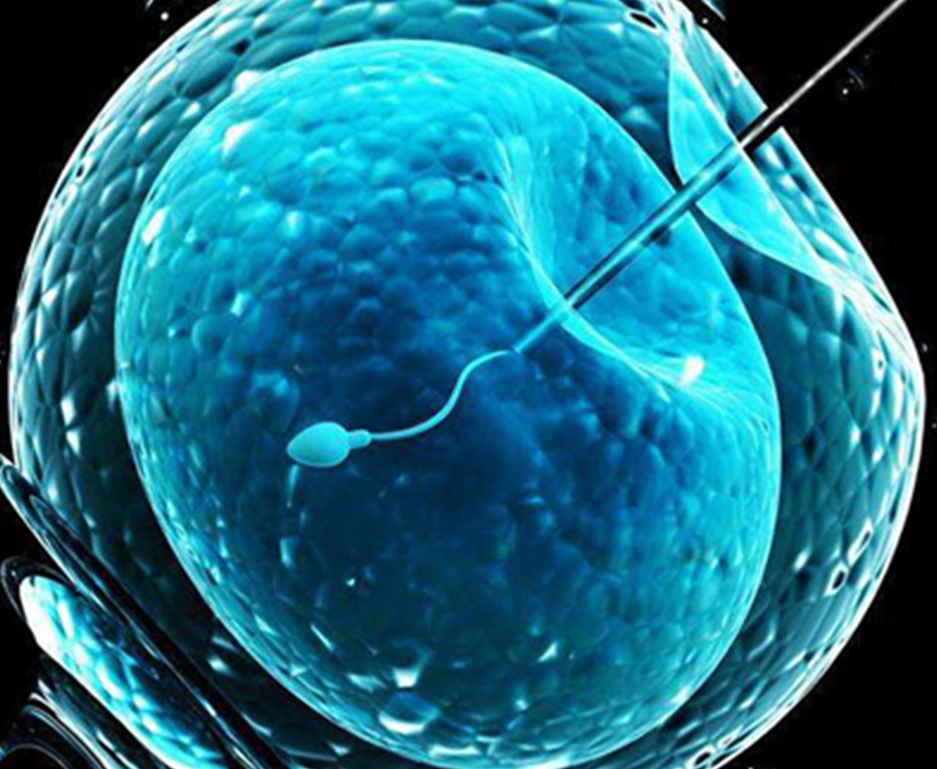
| ICSI (intracytoplasmic sperm injection) | $1,500 – $3,000 | Added when male factor infertility is present or when genetic testing is planned. |
| PGT-A (embryo genetic screening) | $2,000 – $5,000 | Priced per embryo or per batch; increasingly standard for patients over 35. |
| Frozen embryo transfer (FET) | $3,500 – $6,000 | Includes endometrial preparation, monitoring, thawing, and transfer. |
| Egg or embryo freezing (storage) | $8,000 – $15,000 initial; $500 – $1,200 per year storage | Long-term storage fees are often overlooked in initial budgeting. |
| Egg retrieval with anesthesia | Often included in base cycle; $1,000 – $2,500 if billed separately | Confirm whether anesthesia is bundled before comparing prices. |
Putting this together, a single complete IVF cycle with medications and genetic testing commonly lands between $18,000 and $30,000. Many patients require more than one cycle; national data suggest that cumulative success over two to three cycles is substantially higher than a single attempt, which is why multi-cycle packages and refund programs have become popular. These programs typically cost $25,000 to $45,000 for two or three attempts and return a large portion of the fee if no live birth results.
Coastal metropolitan areas—New York, the San Francisco Bay Area, Los Angeles, and Boston—tend to have the highest pricing, with base cycles frequently exceeding $16,000 before medications. Midwestern and Southern markets such as St. Louis, Kansas City, Atlanta, and Dallas often run 15 to 25 percent lower while maintaining comparable laboratory standards. Patients who are flexible about location sometimes travel to lower-cost regions for their retrieval and return home for monitoring, though this requires careful coordination between clinics.
Insurance coverage for IVF in the United States is fragmented. As of 2026, more than twenty states have enacted some form of fertility insurance mandate, but the scope varies dramatically:
Even in mandate states, large self-insured employers are exempt from state requirements, which means two patients in the same city can face completely different out-of-pocket costs. Fertility-specific benefit platforms such as Progyny and Carrot Fertility have expanded rapidly and now cover millions of employees; if your employer offers one of these, review the "smart cycle" or benefit-unit structure carefully, as it may cover more than a traditional plan.
For patients paying out of pocket, most major clinics partner with financing companies offering medical loans of 24 to 84 months. Interest rates depend heavily on credit profile, so comparing at least three lenders is worthwhile. Some patients also use fertility grants from nonprofit organizations, though these are competitive and typically award a few thousand dollars toward a single cycle.
Understanding the calendar helps patients plan work leave, finances, and emotional bandwidth. A typical journey looks like this:
In total, most patients complete their first full cycle within two to three months of starting stimulation, but the diagnostic and preparation phase can extend the overall timeline to four or six months. Patients using genetic testing should add three to four weeks for embryo biopsy results.
A 36-year-old patient from Ohio had tried to conceive for two years and was diagnosed with unexplained infertility. After reviewing CDC data, she selected a Midwest clinic with strong frozen embryo transfer outcomes and an all-inclusive pricing model. Her diagnostic workup cost about $1,800. Her first stimulation cycle produced nine eggs and four blastocysts; genetic testing of all four embryos added $3,200. Two embryos were euploid. The frozen transfer cycle cost $4,500, including medications. Her total out-of-pocket expense was approximately $27,000 across five months, and the first transfer resulted in an ongoing pregnancy. Her clinic's multi-cycle package would have cost slightly more upfront but would have covered a second retrieval had the first transfer failed—a trade-off she weighed carefully during the planning stage.
This example illustrates a key point: the final bill is rarely just the advertised base cycle price. Medications, genetic testing, and frozen transfers routinely add 40 to 60 percent on top of the base fee, so patients should budget with that multiplier in mind.
Clinic statistics describe averages across large patient groups. Your individual odds depend on age, ovarian reserve, sperm parameters, uterine factors, and lifestyle variables. A clinic with a 55 percent average live birth rate may still be the wrong fit if its protocols do not match your diagnosis.
Quality matters more than quantity. High doses of stimulation medication can produce many eggs but fewer viable blastocysts, and in some patients excessive stimulation increases the risk of ovarian hyperstimulation syndrome (OHSS). Modern protocols increasingly favor moderate stimulation with freeze-all strategies.
Decades of follow-up data show that children conceived through IVF are, on average, as healthy as those conceived naturally. The slight elevations in certain pregnancy complications are largely attributable to underlying infertility and parental age rather than the technology itself.
Time is the one variable that cannot be recovered. Egg quantity and quality decline measurably after 35 and more steeply after 38. Patients who may delay childbearing should at least pursue ovarian reserve testing and consider fertility preservation as a hedge, even if they are not ready for treatment.
While no intervention can change ovarian reserve, several evidence-informed steps support overall reproductive health and may improve treatment tolerance:
Following embryo transfer, most clinics recommend one to two days of reduced activity, though strict bed rest is no longer advised and may even be counterproductive. Progesterone support—whether vaginal, intramuscular, or oral—continues for eight to twelve weeks if pregnancy is achieved. Warning signs that warrant immediate medical contact include severe abdominal pain, heavy bleeding, or symptoms of OHSS such as rapid weight gain and marked bloating.
Early IVF pregnancies are monitored more intensively than spontaneous ones, with ultrasounds at approximately six, seven, and nine weeks before transitioning to standard obstetric care. Patients should also plan for the emotional dimension of the two-week wait, which many describe as the hardest part of the process; scheduling light, enjoyable activities during this window helps more than constant symptom-checking.
Second opinions are standard practice in reproductive medicine and should never feel like a betrayal of your current clinic. Consider seeking one if:
Bringing your complete records—stimulation charts, embryology reports, and transfer outcomes—to a second opinion allows the reviewing physician to give genuinely useful feedback rather than starting from scratch.
American IVF care in 2026 offers patients an unusual combination of laboratory excellence, data transparency, and expanding insurance options—but navigating it requires diligence. Verified outcome data from the CDC and SART should anchor your clinic search. Budget realistically for $18,000 to $30,000 per complete cycle, and investigate multi-cycle packages if you may need more than one attempt. Confirm your insurance benefits directly with your employer, since state mandates vary widely. Above all, choose a clinic where the physicians take time to explain your individual prognosis honestly, because informed patients consistently report better experiences and make better decisions at every stage of the journey.
Disclaimer: This article is for general educational purposes and does not constitute medical advice. Success rates, prices, and policies change over time; always verify current information directly with clinics, insurers, and your own physician before making treatment decisions. Individual outcomes vary based on age, diagnosis, and personal health factors.