News Center
For many individuals and couples exploring fertility care in 2026, the United States remains one of the most frequently considered destinations for in vitro fertilization. The appeal comes from a combination of advanced laboratory technology, comprehensive regulatory frameworks, transparent success rate reporting, and a wide spectrum of personalized treatment protocols. At the same time, one of the most common questions patients ask is practical: how much does IVF actually cost in the US, and how should one evaluate which fertility center fits their medical situation and budget? This guide walks through the full landscape of American IVF in 2026, covering treatment processes, cost structures, clinic selection criteria, real-world patient scenarios, and the medical resources available in major US cities.
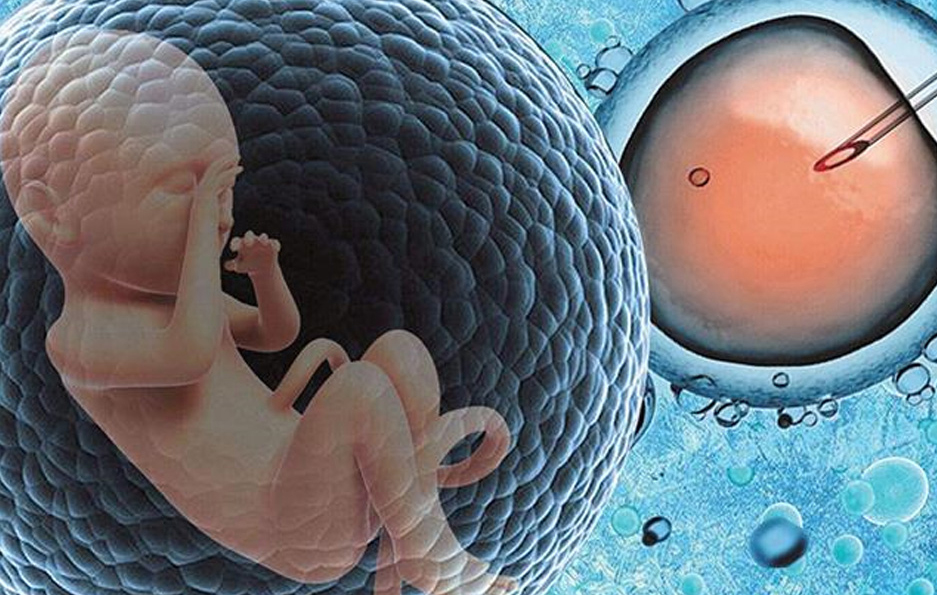
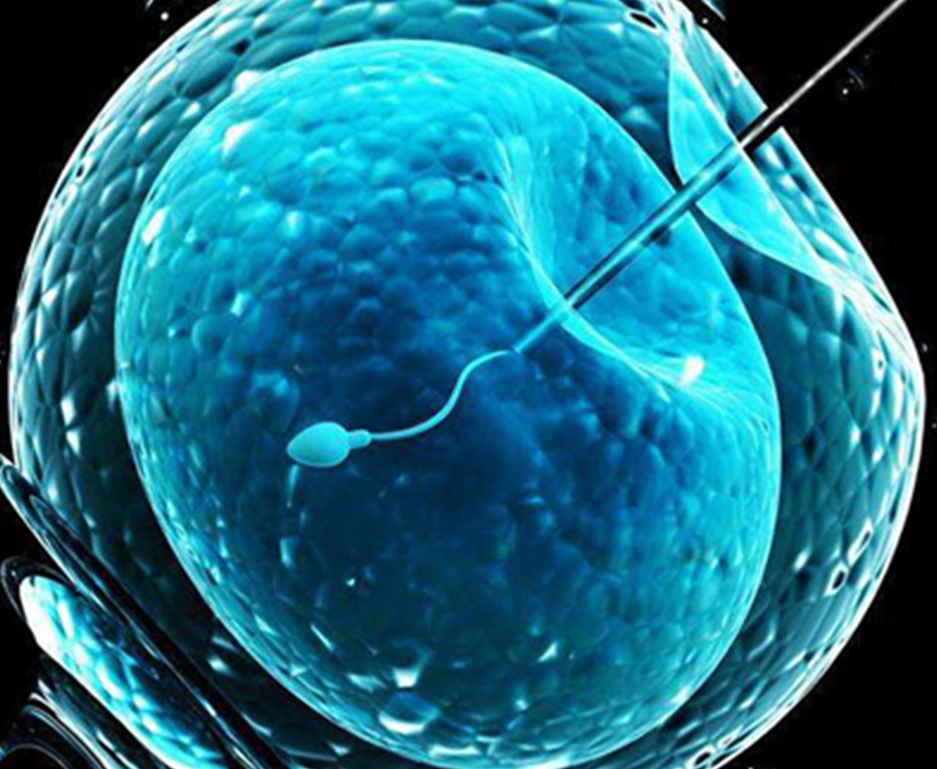
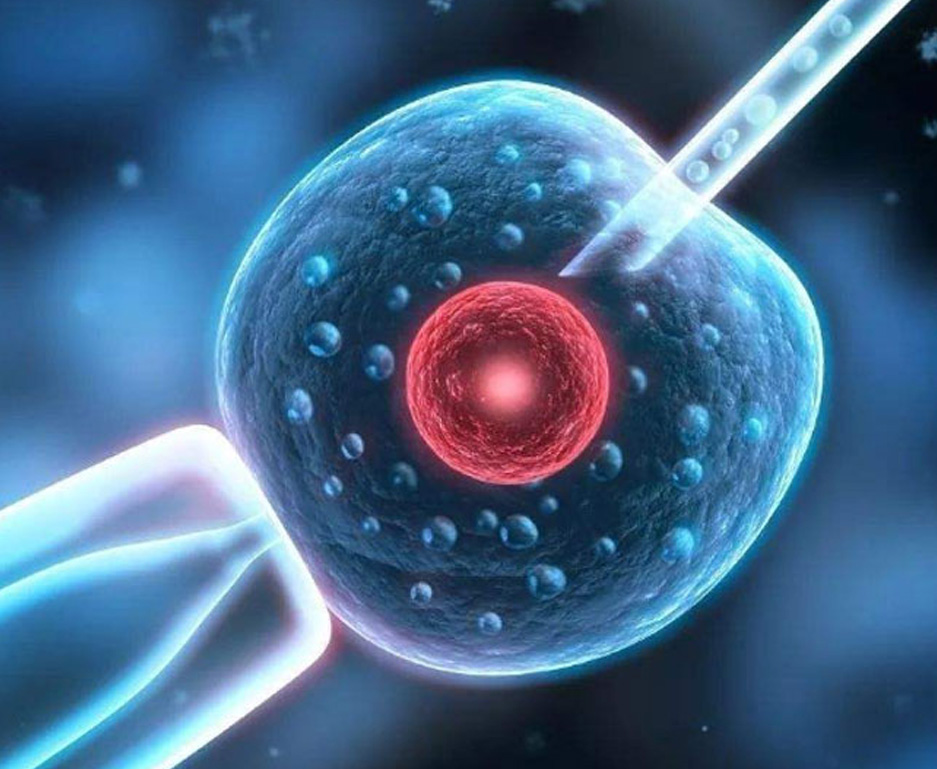
In vitro fertilization is a process in which eggs are retrieved from the ovaries, fertilized with sperm in a laboratory, and the resulting embryos are transferred to the uterus. Since the first IVF birth in 1978, the technology has evolved dramatically. By 2026, most leading US fertility centers routinely use techniques such as preimplantation genetic testing (PGT), time-lapse embryo monitoring, vitrification (flash freezing) of embryos, and finely tuned ovarian stimulation protocols tailored to each patient's hormonal profile.
A complete IVF cycle typically spans six to eight weeks from initial consultation to pregnancy test, though timelines vary based on protocol type.
Cost is often the most significant consideration for patients, particularly those traveling internationally. US IVF pricing is transparent but complex, because a single "cycle" involves multiple billable components. Below is a realistic overview of what patients can expect to pay in 2026.
| Cost Component | Typical Range (USD) | Notes |
|---|---|---|
| Initial consultation and diagnostic workup | $500 – $3,500 | Varies by number of tests required; some clinics bundle evaluations. |
| Base IVF cycle (stimulation, retrieval, fertilization, culture) | $12,000 – $18,000 | West Coast and Northeast metropolitan centers tend toward the higher end. |
| Fertility medications | $3,000 – $7,000 | Depends on dosage and protocol; patients with low ovarian reserve may need higher doses. |
| ICSI (intracytoplasmic sperm injection) | $1,500 – $2,500 | Commonly added when male factor infertility is present. |
| PGT-A (chromosomal screening) | $2,000 – $4,500 | Priced per embryo batch plus per-biopsy fees. |
| Frozen embryo transfer (FET) | $3,500 – $6,000 | Includes endometrial preparation, thawing, and transfer procedure. |
| Embryo cryopreservation and storage | $500 – $1,200 initial; $500 – $1,000/year | Annual storage fees vary by clinic and storage duration. |
| Egg retrieval anesthesia | $600 – $1,200 | Sometimes bundled into the base cycle fee. |
A single complete IVF cycle with genetic testing and one frozen transfer generally totals $22,000 to $38,000 in 2026. Patients should budget for the possibility of more than one transfer, as success is often cumulative across multiple attempts.
Choosing where to undergo IVF is a medical and financial decision that deserves careful research. Rather than relying on advertising claims, patients should assess centers using objective criteria.
Misconception 1: A clinic advertising high success rates will guarantee pregnancy. No treatment can guarantee a live birth. Published rates reflect averages across patient populations; individual outcomes depend heavily on age, ovarian reserve, sperm quality, and uterine factors.
Misconception 2: Transferring multiple embryos improves chances. Modern practice favors single embryo transfer (SET). Transferring more than one embryo increases multiple pregnancy risk—twin and triplet pregnancies carry higher rates of preterm birth, gestational diabetes, and neonatal complications—without proportionally improving cumulative live birth rates when PGT is used.
Misconception 3: Expensive add-on treatments always improve outcomes. Procedures such as endometrial scratching, assisted hatching, and immune therapy lack robust evidence for general patient populations. Ask any clinic to explain the evidence base before agreeing to add-ons.
Misconception 4: IVF is only for older patients. Younger patients with tubal disease, severe endometriosis, or genetic concerns are also strong candidates, and they typically achieve higher success rates per cycle.
The US hosts hundreds of fertility clinics concentrated in major metropolitan areas. The following centers are frequently chosen by both domestic and international patients. Descriptions are objective and based on publicly available information; no ranking is implied, and patients should verify current details independently.
Headquartered in the Washington, DC–Baltimore corridor with additional locations across Georgia, Pennsylvania, Florida, and other states, Shady Grove Fertility is one of the largest fertility networks in the country by patient volume. The practice is known for structured treatment pathways, published outcome data, and financial programs including multi-cycle and refund options. Its scale allows substantial in-house research participation, and it offers a full range of services from ovulation induction to complex third-party reproduction cycles. International patients benefit from coordinated telehealth intake before traveling.
CCRM (Colorado Center for Reproductive Medicine) began in the Denver area and has expanded to multiple states including Texas, Minnesota, and California. The group places significant emphasis on embryology laboratory innovation and has developed its own culture media and vitrification protocols. CCRM is frequently noted for its focus on patients with prior failed IVF cycles and complex cases such as recurrent implantation failure. Its centers perform comprehensive chromosomal screening routinely and maintain detailed laboratory quality metrics.
With locations in Los Angeles, Orange County, Pasadena, and surrounding areas, HRC Fertility serves a large international patient population, particularly from East Asia. The Southern California concentration of reproductive medicine expertise—including nearby genetic testing laboratories and egg donation agencies—creates an integrated ecosystem for complex cases. HRC offers comprehensive chromosome screening, extensive cryopreservation services, and coordinators experienced in managing cross-border treatment logistics. Los Angeles also offers convenient international flight access and substantial multilingual medical infrastructure.
Reproductive Medicine Associates of New York is an academic-affiliated practice known for research output, single embryo transfer protocols, and preimplantation genetic testing expertise. Located in Manhattan, it draws patients from across the US and abroad. The practice emphasizes evidence-based add-on selection and publishes extensively on embryo culture and time-lapse imaging. New York State also has insurance mandates requiring certain large-group employer plans to cover IVF, which shapes the local treatment environment.
Other frequently considered regional options include Pacific Fertility Center in San Francisco, Seattle Reproductive Medicine in the Pacific Northwest, and Aspire Houston Fertility Institute in Texas, where treatment costs tend to run somewhat lower than coastal metropolitan averages. Patients comparing cities should weigh travel convenience, follow-up requirements, and the availability of local monitoring partners.
Consider a hypothetical 34-year-old patient, referred to here as Lin, living in Singapore with a diagnosis of bilateral fallopian tube obstruction following a previous pelvic infection. After two years of unsuccessful attempts to conceive, her local physician recommended IVF. Lin researched US options for several reasons: she wanted access to preimplantation genetic testing, preferred single embryo transfer to reduce twin risk, and valued the standardized outcome reporting available through SART.
Her process unfolded as follows:
Lin's total medical costs were approximately $29,000, plus $6,500 in travel and accommodation expenses across two trips. Her case illustrates several practical lessons: requesting written quotes in advance prevents billing surprises; planning two trips rather than one extended stay reduces costs for many patients; and realistic expectations about egg and embryo attrition help patients interpret intermediate results without undue distress.
While no intervention guarantees success, patients can take evidence-informed steps to support their treatment.
Studies consistently show that IVF patients experience elevated stress and anxiety, and that psychological support improves treatment adherence and quality of life. Practical strategies include setting defined stopping points before starting treatment, limiting exposure to unvetted online forums, involving a partner or trusted friend in appointments, and seeking professional counseling when needed. Many US clinics offer integrated mental health services, and international patients can often continue sessions via telehealth after returning home.
IVF is a well-established medical procedure, but patients should be aware of potential complications:
Patients with a history of breast cancer, thromboembolism, or hormone-sensitive conditions should discuss stimulation safety with their oncologist and reproductive endocrinologist before beginning treatment.
Most patients split treatment into two trips: a shorter first visit (or remote monitoring arrangement) for baseline workup and protocol design, and a 15–20 day second trip covering stimulation, retrieval, and recovery. If a fresh transfer is planned, some clinics can compress everything into one 25–30 day stay, though frozen transfers remain more common.
Some clinics coordinate with specialty pharmacies that ship to US addresses or international destinations where regulations permit. Patients should never purchase fertility hormones from unverified online sources, as counterfeit medications pose genuine safety risks.
Patients can store embryos annually (typically $500–$1,000 per year), transfer them in future cycles, donate them to research under consent protocols, or arrange disposition per clinic policy. Decisions should be documented in writing before the cycle begins.
For patients under 35 with good ovarian reserve, many achieve pregnancy within one to two complete cycles. Cumulative live birth rates rise across successive cycles, which is why some clinics offer multi-cycle packages. Patients with severely diminished ovarian reserve may be counseled about alternative approaches early in the process.
Standard IVF selects embryos based on visual morphology. PGT adds a genetic biopsy, identifying chromosomally normal (euploid) embryos before transfer. This is particularly valuable for patients over 35, those with recurrent miscarriage, or carriers of single-gene disorders. PGT adds cost and requires embryo freezing while results are processed, but it enables informed single embryo transfer.
Navigating American IVF in 2026 requires balancing medical quality, financial planning, and logistical realities. The US offers some of the most advanced reproductive technology and transparent outcome reporting available anywhere, but success depends as much on careful clinic selection and realistic expectations as on the treatment itself. Patients who invest time in verifying credentials, understanding itemized costs, optimizing their health beforehand, and building emotional support systems consistently report smoother, less stressful experiences. Whether treatment takes place in Los Angeles, New York, Denver, or a smaller regional center, the fundamentals remain the same: evidence-based protocols, honest communication with the medical team, and a clear-eyed understanding that IVF is often a journey of multiple steps rather than a single event. With thoughtful preparation, patients can approach the process with confidence and give themselves the strongest possible foundation for building their family.