News Center
For individuals and couples considering in vitro fertilization (IVF) in the United States, California stands out as one of the most frequently chosen destinations. The state combines a high concentration of experienced reproductive endocrinologists, advanced laboratory technology, and a legal and regulatory environment that has supported assisted reproductive technology (ART) for decades. This article provides a detailed, practical overview of IVF in California, including typical costs, what influences pricing, how to evaluate fertility centers, and what patients can expect throughout the treatment journey.
California is home to more fertility clinics than almost any other state in the U.S., and many of these centers report success rates that meet or exceed national averages. Several factors contribute to the state's prominence in reproductive medicine:
Cost is often the first question patients ask, and for good reason: IVF in California is a significant financial commitment. While prices vary by clinic, location, and treatment protocol, the figures below reflect commonly observed ranges across the state.
| Service Category | Typical Price Range (USD) | Notes |
|---|---|---|
| Initial consultation and fertility workup | $300 – $1,500 | Includes physician consultation, ultrasound, ovarian reserve testing (AMH, FSH), infectious disease screening |
| Standard IVF cycle (fresh) | $12,000 – $18,000 | Covers monitoring, egg retrieval, fertilization, and one embryo transfer |
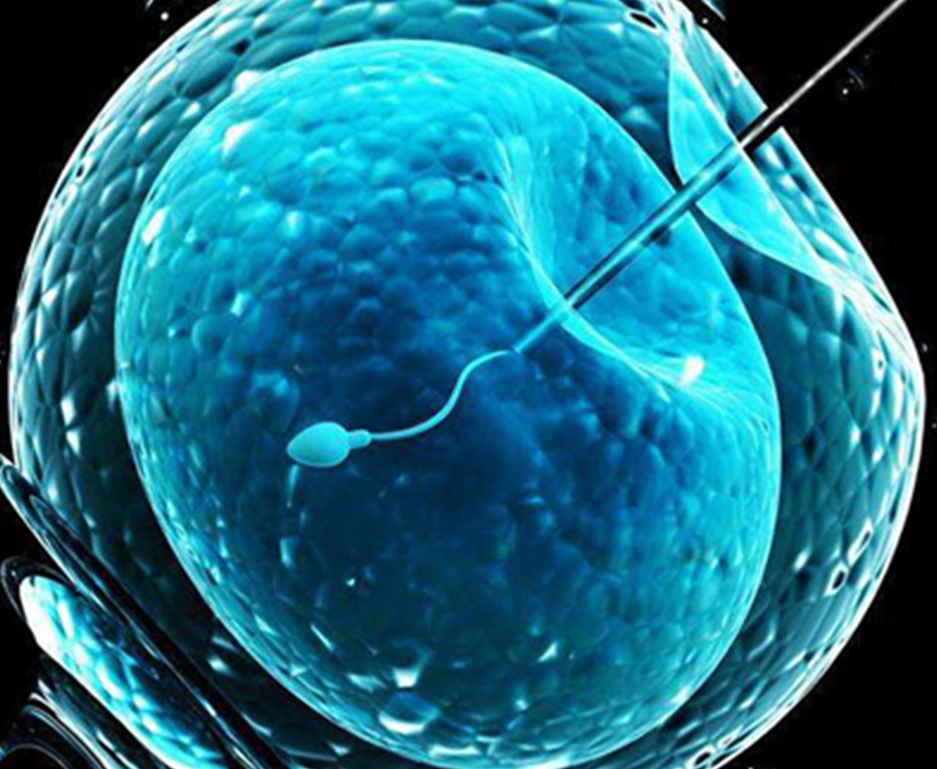
| IVF with intracytoplasmic sperm injection (ICSI) | Adds $1,500 – $3,000 | Recommended in many male-factor cases and for PGT cycles |
| Preimplantation genetic testing (PGT-A) | $2,500 – $5,000 | Charged per embryo batch or per embryo, depending on the lab |
| Frozen embryo transfer (FET) cycle | $3,500 – $6,000 | Separate from the retrieval cycle; includes monitoring and transfer |
| Fertility medications | $3,000 – $7,000 per cycle | Often billed separately by the pharmacy, not the clinic |
| Egg or embryo freezing (vitrification) | $6,000 – $12,000 plus $500 – $1,200 annual storage | Common for fertility preservation patients |
| Intracytoplasmic morphologically selected sperm injection (IMSI), assisted hatching, or other lab add-ons | $300 – $1,500 each | Optional; clinical value varies by case |
For a complete journey involving one egg retrieval, genetic testing of embryos, and one or two frozen transfers, many patients in California report total out-of-pocket expenses between $20,000 and $35,000, with medications included. Patients who require multiple retrievals or who face additional medical complexities should budget accordingly.
Practical tip: Always request an itemized, written estimate from the clinic and a separate medication quote from the pharmacy. Hidden costs—such as anesthesia fees, storage fees, or cancellation policies—are among the most common sources of budget surprises for IVF patients in California.
Patients researching IVF in California will encounter a wide range of options, from university-affiliated programs to large private networks. The following centers are frequently considered by both domestic and international patients. Each has distinct characteristics, and the right choice depends on individual medical needs, budget, and location preferences.
Affiliated with the University of California, San Francisco, this program combines clinical fertility care with active research in reproductive biology and genetics. It is often chosen by patients who value an academic setting, access to clinical trials, and physicians who also teach and publish in the field. The center serves a diverse patient population and offers the full range of ART services, including PGT and fertility preservation for medical reasons such as cancer treatment.
HRC Fertility operates multiple locations across the Los Angeles metropolitan area and is one of the larger private fertility networks in Southern California. The group has extensive experience with international patients and offers services in multiple languages. Its laboratories support comprehensive chromosomal screening, and the network's scale allows patients to access care at several convenient sites within the region.
CCRM is a national fertility network with California locations in the Bay Area and Orange County. The practice emphasizes its laboratory standards and has invested heavily in embryo culture technology and genetic testing infrastructure. Patients with complex histories—such as repeated implantation failure or recurrent pregnancy loss—sometimes seek out CCRM for its focus on challenging cases.
Located in downtown San Francisco, Pacific Fertility Center is an established independent practice known for its long-standing embryology team and its fertility preservation programs. The center attracts patients from Northern California as well as international travelers, and it offers both standard IVF and mini-IVF (minimal stimulation) protocols for patients who prefer lower medication exposure.
When comparing these and other centers, patients should review SART and CDC outcome reports, ask about the clinic's approach to their specific diagnosis, and confirm which services are performed in-house versus outsourced.
Beyond reputation and price, several concrete criteria can help patients make an informed decision:
Understanding the treatment timeline helps patients plan both their schedules and their finances. A typical IVF cycle in California unfolds as follows:
Both partners undergo comprehensive assessment. For female patients, this includes ovarian reserve testing (AMH, antral follicle count), uterine evaluation, and infectious disease screening. Male patients typically provide a semen analysis, and further testing may be recommended if parameters are abnormal. This phase usually takes two to six weeks, depending on the menstrual cycle.
Patients self-administer injectable gonadotropin medications for approximately eight to fourteen days to stimulate multiple follicles. During this period, monitoring visits every two to three days track follicle growth and hormone levels via ultrasound and bloodwork. Patients traveling from abroad often complete preliminary monitoring at a local clinic before arriving in California for the final phase.
When follicles reach appropriate size, a trigger shot is administered, and retrieval is performed under light sedation approximately 36 hours later. The procedure takes about 20 to 30 minutes, and most patients resume normal activities within a day or two.
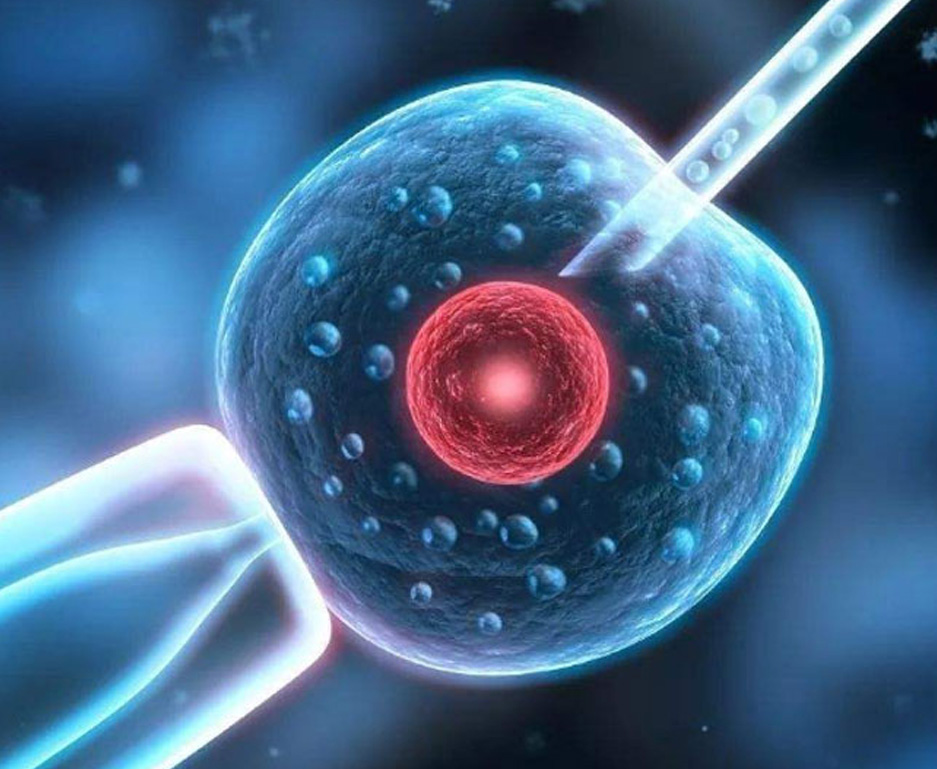
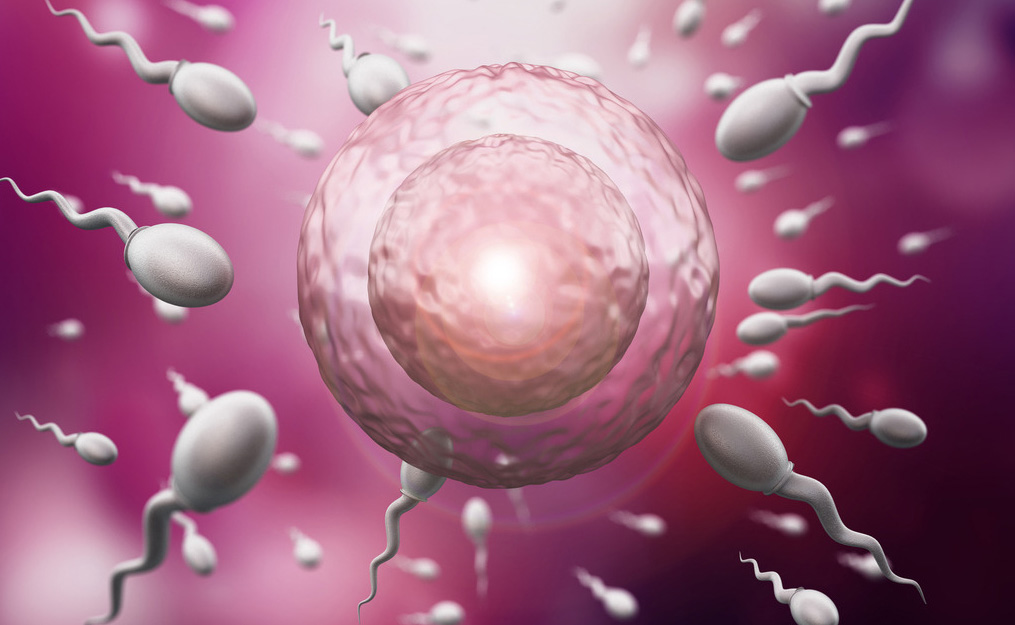
Retrieved eggs are fertilized in the laboratory, either through conventional insemination or ICSI depending on the case. Embryos are cultured for five to six days to the blastocyst stage, when they may undergo genetic testing and/or vitrification.
Many California clinics now favor a "freeze-all" approach, transferring embryos in a subsequent cycle after the uterine lining has been prepared with hormonal support. This allows genetic testing results to return and may improve outcomes in certain patient groups. The transfer itself is a brief, typically painless procedure.
A blood pregnancy test (beta-hCG) is performed about nine to twelve days after transfer. If successful, patients transition to obstetric care around eight to ten weeks of pregnancy.
IVF success depends heavily on age, with the most important variable being the quality of the eggs. Based on national U.S. data that includes California clinics, approximate live birth rates per transfer using a patient's own eggs are broadly as follows:
| Age Group | Approximate Live Birth Rate per Transfer (Own Eggs) |
|---|---|
| Under 35 | 50% or higher |
| 35 – 37 | 40% – 45% |
| 38 – 40 | 25% – 35% |
| 41 – 42 | 10% – 20% |
| Over 42 | Below 10% |
These figures are averages across many clinics and should be interpreted with care. A clinic's reported success rates can be influenced by patient selection—programs that decline difficult cases may show higher rates without providing better care. Patients should discuss their individual prognosis with their physician rather than relying on aggregate statistics alone.
While lifestyle changes cannot overcome age-related fertility decline, optimizing general health supports treatment outcomes and overall well-being during what can be a physically and emotionally demanding process.
A substantial number of IVF patients in California travel from overseas, and clinics in Los Angeles and the San Francisco Bay Area have developed services tailored to this population. Practical considerations include:
Statistically, many patients under 38 achieve pregnancy within one to two cycles, while older patients may require more attempts. Financial counselors at most California clinics can outline multi-cycle package options, and patients are advised to establish a realistic total budget—including medications and possible frozen transfers—before beginning.
PGT-A is commonly recommended for patients 35 and older, those with recurrent implantation failure, or those with a history of chromosomal abnormalities. For younger patients with good prognosis, the value is debated, and decisions should be individualized based on physician guidance and personal priorities.
Patients can choose to freeze remaining embryos for future use, donate them for research where permitted, or arrange for discard. California law requires written consent regarding embryo disposition, and clinics will ask patients to complete these forms before treatment begins.
Yes. A common model involves completing initial testing and preliminary monitoring locally, then traveling to California for stimulation monitoring, retrieval, and transfer. Coordinating clinics communicate directly about monitoring results and medication adjustments.
Choosing to pursue IVF in California offers access to experienced medical teams, sophisticated laboratories, and a transparent regulatory environment—but it also requires careful financial planning and realistic expectations. The most satisfied patients tend to be those who verify clinic data independently, obtain written cost estimates, ask detailed questions about their individual prognosis, and build a support system for the emotional demands of treatment. Fertility care is a rapidly evolving field, and physicians in California's major reproductive medicine centers continue to refine protocols that improve safety and outcomes. A thoughtful, well-informed approach gives every patient the strongest foundation for their own family-building journey.