News Center
Thailand has emerged as a preferred destination for third-generation in vitro fertilization (IVF), also known as preimplantation genetic testing (PGT)-assisted IVF, due to its mature medical infrastructure, experienced fertility specialists, and comparatively transparent pricing. For many international patients, understanding the charging standards for third-generation IVF in Thailand is a critical step in treatment planning and financial preparation.
First, the overall charging standards are typically structured around core medical procedures within a single IVF cycle. This generally includes initial physician consultations, baseline examinations, and individualized treatment planning. Prior to stimulation, patients undergo hormonal testing, ultrasound assessments, and other necessary evaluations to determine clinical suitability and optimize outcomes.
Second, ovarian stimulation and cycle monitoring account for a substantial portion of the cost. During this phase, physicians prescribe and adjust medications while closely monitoring follicular development through blood tests and ultrasound scans. In Thailand, some clinics include monitoring services within a package price, while fertility medications may be billed separately depending on dosage and duration.
Third, egg retrieval, fertilization, and embryo culture are central components of third-generation IVF fees. Egg retrieval is performed under controlled medical conditions, followed by laboratory fertilization and embryo development. When indicated, intracytoplasmic sperm injection (ICSI) is commonly incorporated into the charging standard, particularly for cases involving male-factor infertility.
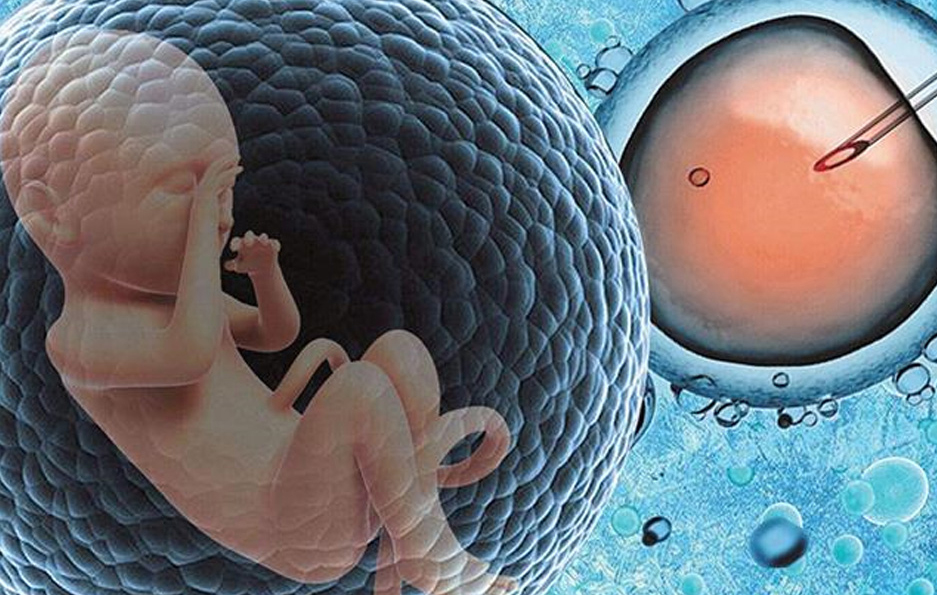
A defining element of third-generation IVF is preimplantation genetic testing (PGT). This procedure involves embryo biopsy and genetic analysis to screen for chromosomal abnormalities or specific hereditary conditions. In Thailand, PGT fees are usually calculated based on the number of embryos tested, making this component one of the most variable cost factors within the overall charging framework.
Additionally, embryo transfer and short-term follow-up care are included in standard charging structures. Prior to transfer, physicians assess endometrial conditions to determine optimal timing. The embryo transfer procedure itself, along with immediate post-transfer medical guidance, is typically covered under the clinical service fee.
Many Thai fertility centers also include embryo cryopreservation services in their pricing standards for third-generation IVF, though long-term storage fees are often charged annually and listed separately. It is important to distinguish between one-time medical charges and ongoing storage-related costs when reviewing clinic quotations.
It should be noted that third-generation IVF charging standards in Thailand generally exclude non-medical expenses such as international travel, accommodation, translation services, and extended personal care. Moreover, additional cycles, repeated genetic testing, or special clinical interventions may result in higher total costs depending on individual medical needs.
In conclusion, the charging standards for third-generation IVF in Thailand typically encompass diagnostic evaluations, ovarian stimulation monitoring, egg retrieval, laboratory fertilization, PGT testing, embryo transfer, and essential clinical management. By clearly understanding how these fees are structured, patients can better compare clinics, manage expectations, and make informed decisions regarding their fertility treatment in Thailand.